Visual recognition skills Worksheets for Ages 3-8
4 filtered results
-
From - To
Unlock the power of early education with our Visual Recognition Skills Worksheets for Ages 3-8. These engaging, printable activities are designed to enhance your child's visual perception and cognitive development. Perfect for young learners, our worksheets cover essential skills such as shape, color, letter, and number recognition. Through fun and interactive exercises, children naturally improve their attention to detail, memory, and problem-solving abilities. Ideal for both parents and educators, our easy-to-use resources provide the perfect foundation for future academic success. Start your child on the path to learning excellence today with Kids Academy’s expertly crafted worksheets.
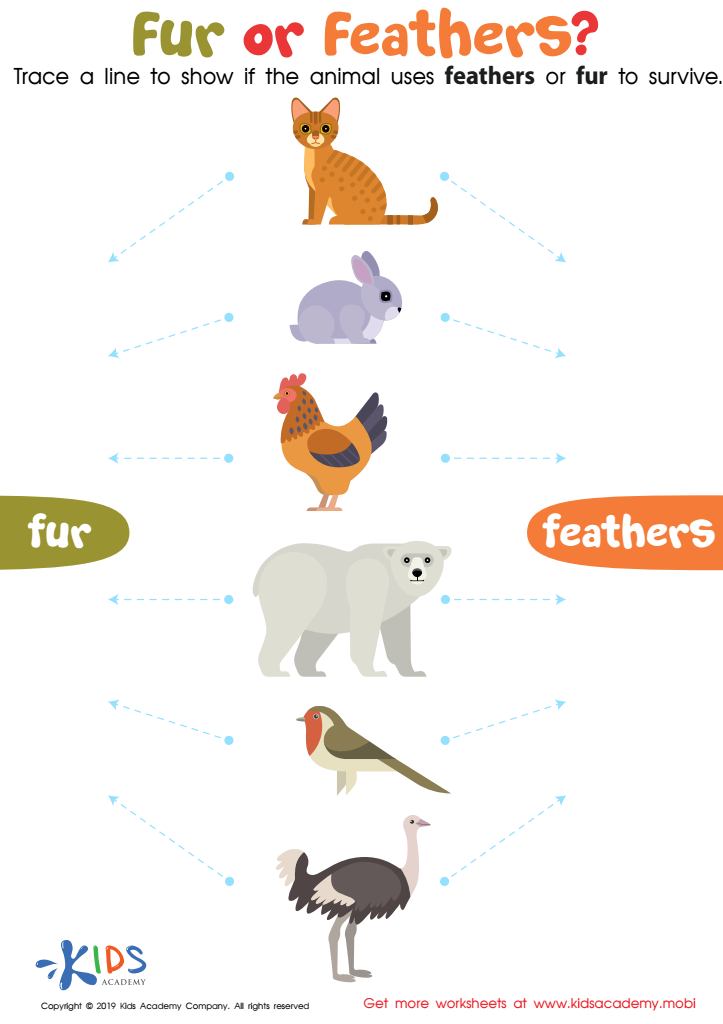
Fur or Feathers? Worksheet
 Assign to My Students
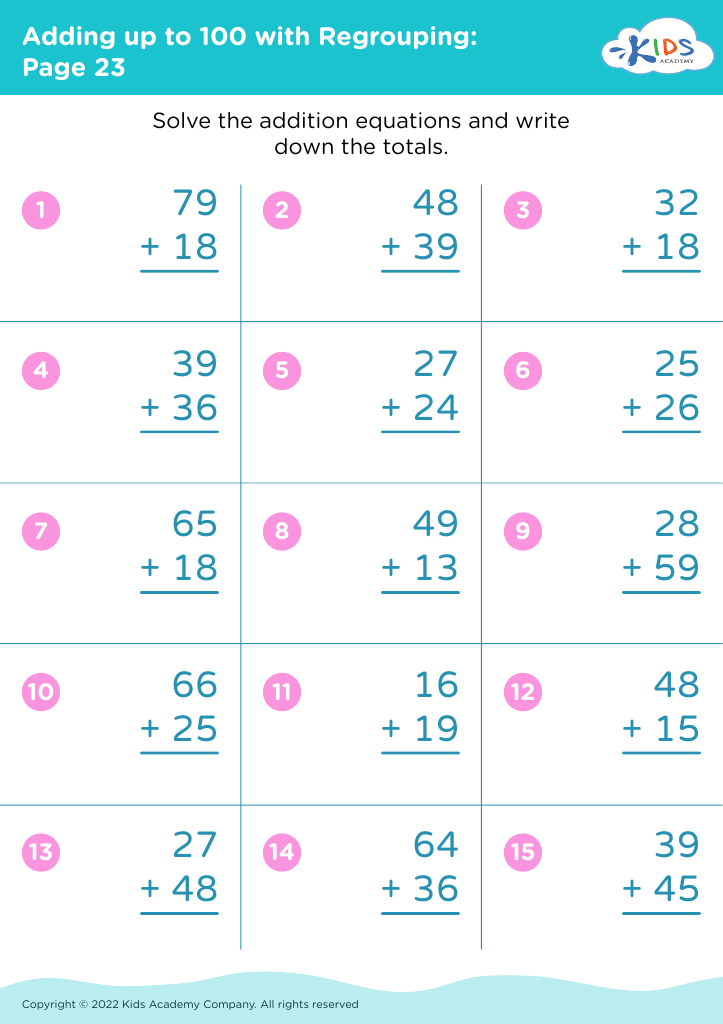
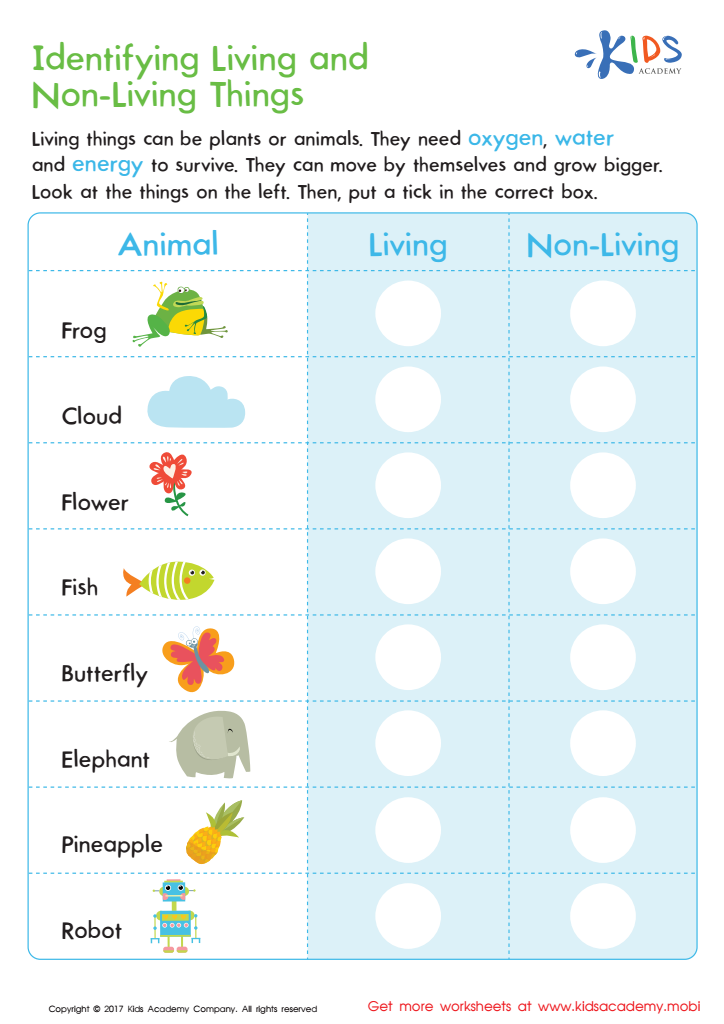
Identifying Living or Non–living Worksheet
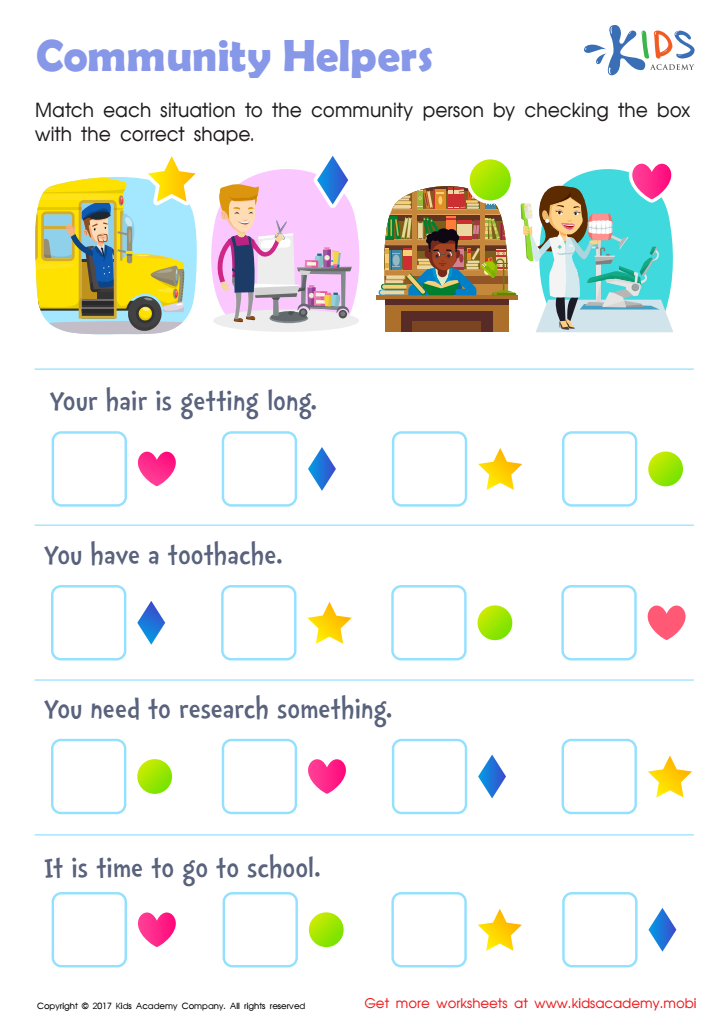








Visual recognition skills are critical for early childhood development, especially for children ages 3-8, as they form the foundation for future academic and social success. These skills enable children to differentiate between shapes, letters, and numbers, which is essential for reading and mathematical proficiency. Children with strong visual recognition skills can more easily identify letters and words, facilitating smoother transitions from learning to read to reading to learn.
Moreover, visual recognition influences a child's ability to follow instructions, navigate their environment, and engage in activities that require hand-eye coordination, such as drawing, writing, and sports. Early emphasis on honing these skills can improve spatial awareness and problem-solving capabilities, as children learn to interpret visual information more effectively.
In a social context, visual recognition skills help children to read facial expressions and body language, promoting better interpersonal relationships and emotional understanding. As technology plays an increasing role in education, strong visual recognition skills also enable children to interact more effectively with digital tools and resources.
For parents and teachers, fostering an environment that nurtures visual recognition can be as simple as engaging in activities such as puzzles, matching games, and interactive reading. By prioritizing these skills, they contribute to a child's comprehensive development, setting the stage for a lifelong love of learning and adaptability in a visually complex world.








