Visual-spatial skills Worksheets for Ages 3-8
3 filtered results
-
From - To
Enhance your child's visual-spatial skills with our engaging worksheets designed for ages 3-8! These printable resources support young learners in understanding and navigating visual surroundings through fun activities that promote observation, memory, and problem-solving. Our meticulously crafted worksheets incorporate shape recognition, pattern matching, and spatial awareness exercises to help children develop critical cognitive skills in an enjoyable way. Perfect for home or classroom use, our visual-spatial skills worksheets will inspire creativity and improve fundamental learning abilities. Explore our collection today and give your child the tools they need for academic success and everyday challenges!
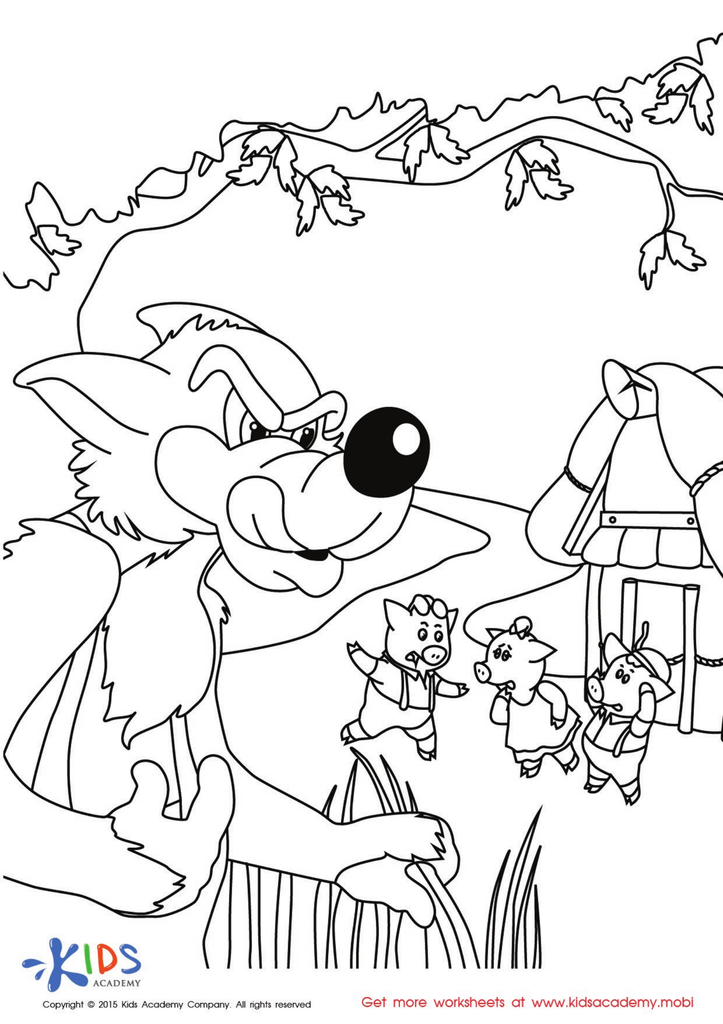
The Story of the Three Little Pigs Coloring Worksheet
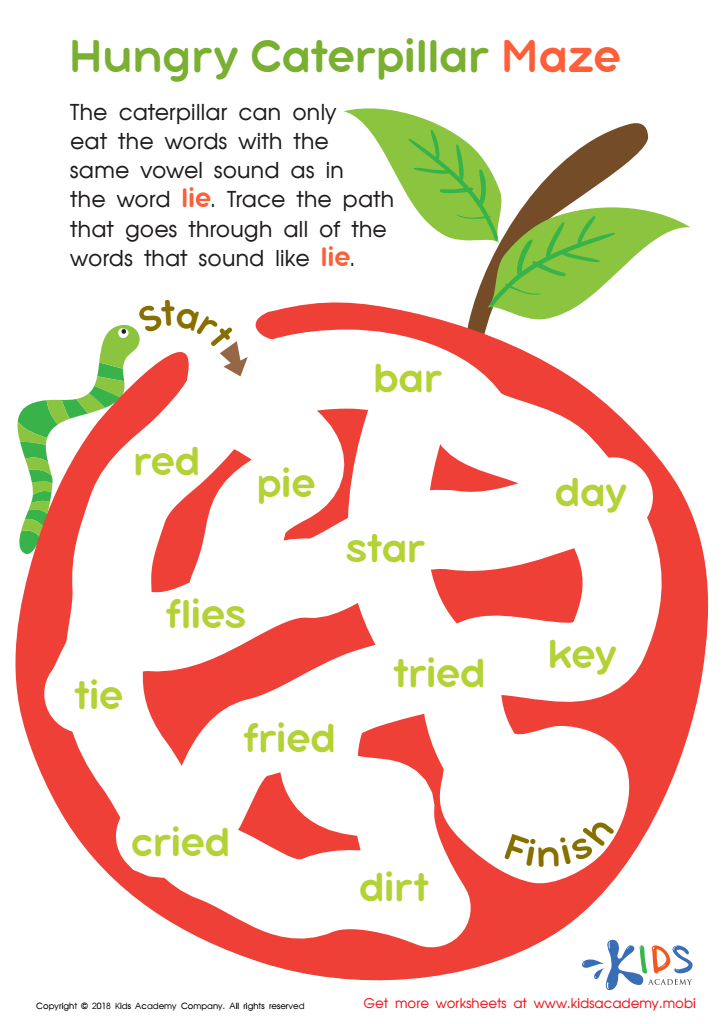
Hungry Caterpillar Maze Worksheet
 Assign to My Students
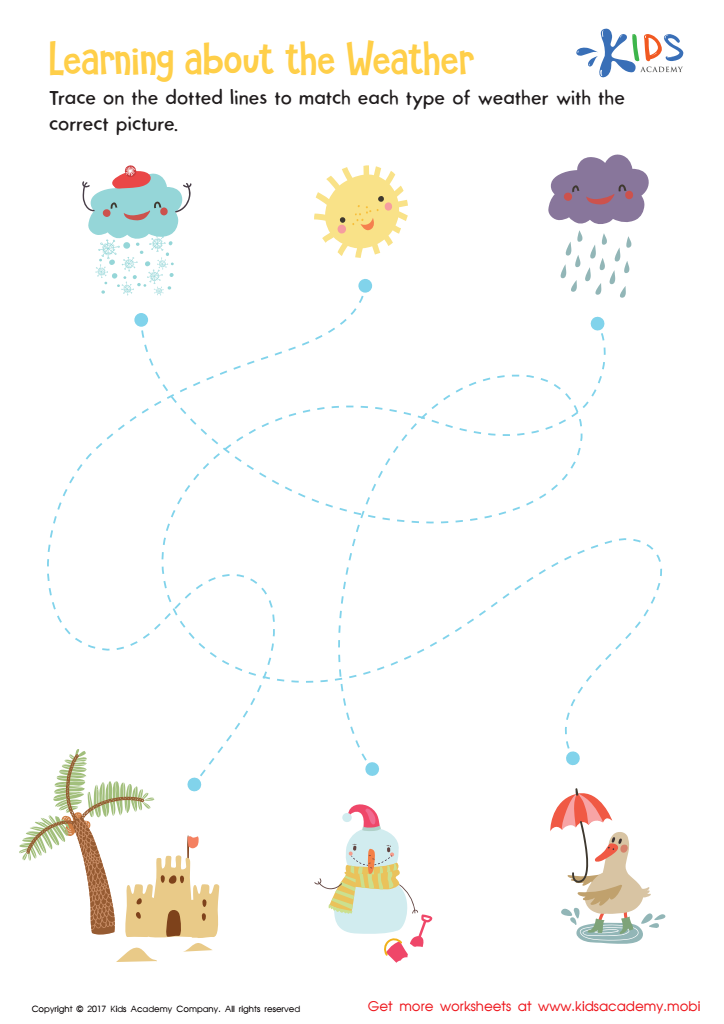


.jpg)



Visual-spatial skills are essential for young children's development and learning and should be a priority for parents and teachers of children aged 3-8. These skills involve the ability to process and understand visual information, spatial relationships, and how objects relate to one another and to oneself in space. Development of visual-spatial skills benefits children across various domains, including mathematics, reading, and everyday problem-solving.
At this age, children's brains are highly adaptable and absorbing vast amounts of information. Strong visual-spatial skills aid in understanding fundamental concepts, such as shapes, sizes, and distances, laying the groundwork for more complex subjects later on. For instance, children who grasp these concepts are more likely to excel in mathematics, as they can visualize patterns and understand geometry.
Parents and teachers can foster these skills through engaging activities like puzzles, building blocks, drawing, and navigating mazes. Additionally, supporting visual-spatial development nurtures critical thinking and creativity, enabling children to explore and express themselves more freely, ultimately promoting well-rounded cognitive abilities. By prioritizing visual-spatial skills, parents and educators can empower children to thrive academically and socially, setting them on a path for lifelong learning.








