Word Recognition Worksheets for Ages 3-8 - Page 4
77 filtered results
-
From - To
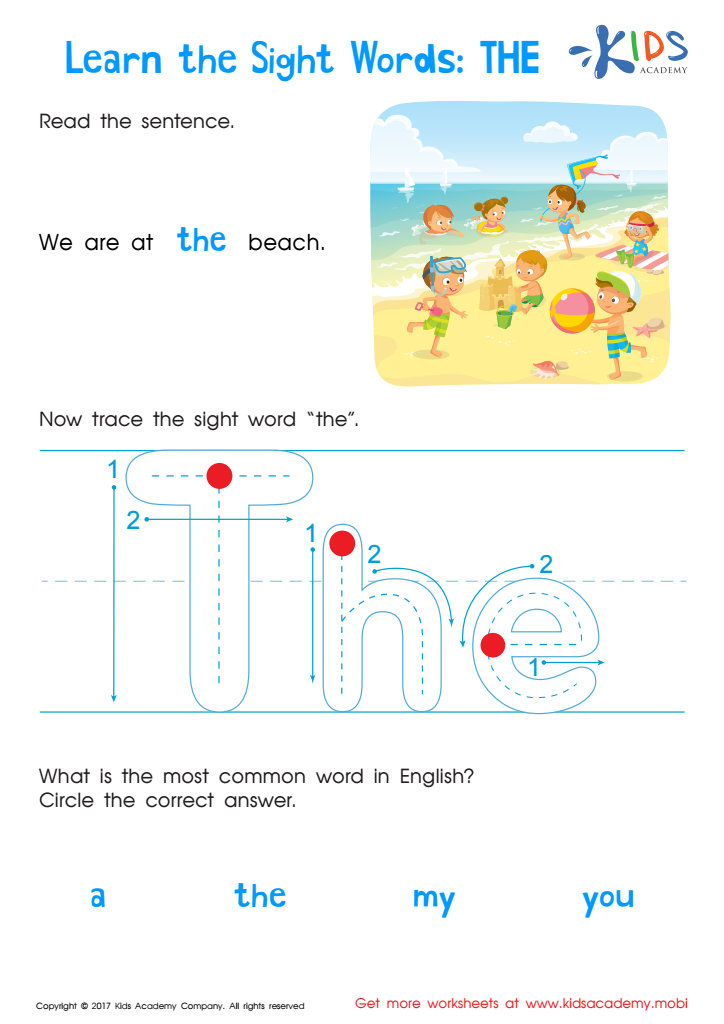
Sight Words: The Worksheet
 Assign to My Students
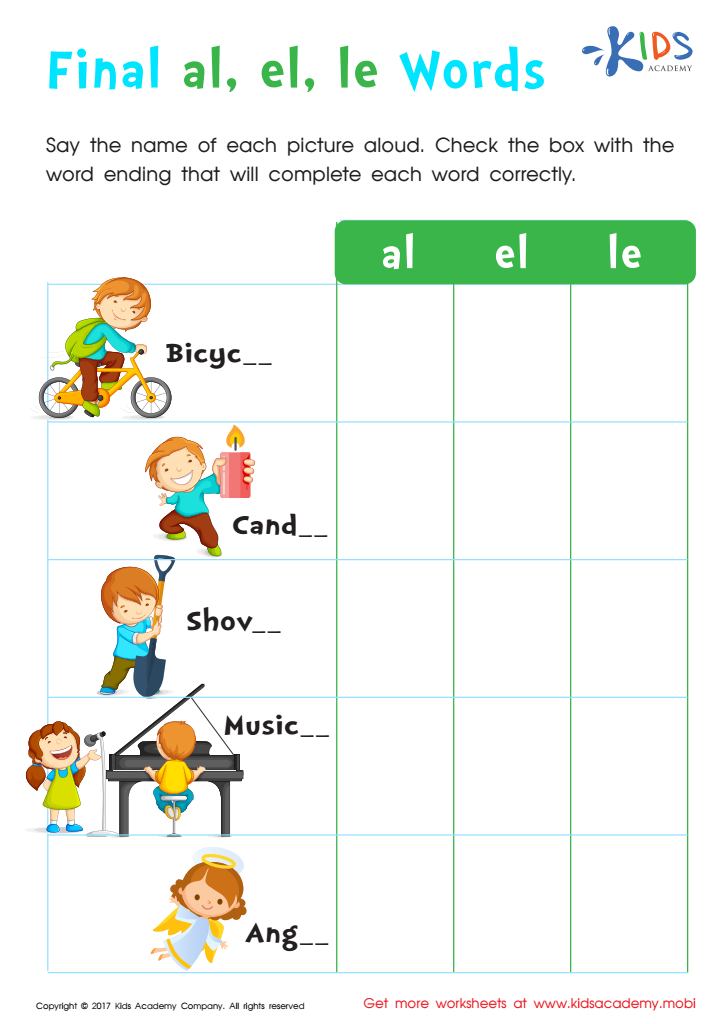
Spelling Words Ending with –le, –el and –al Worksheet
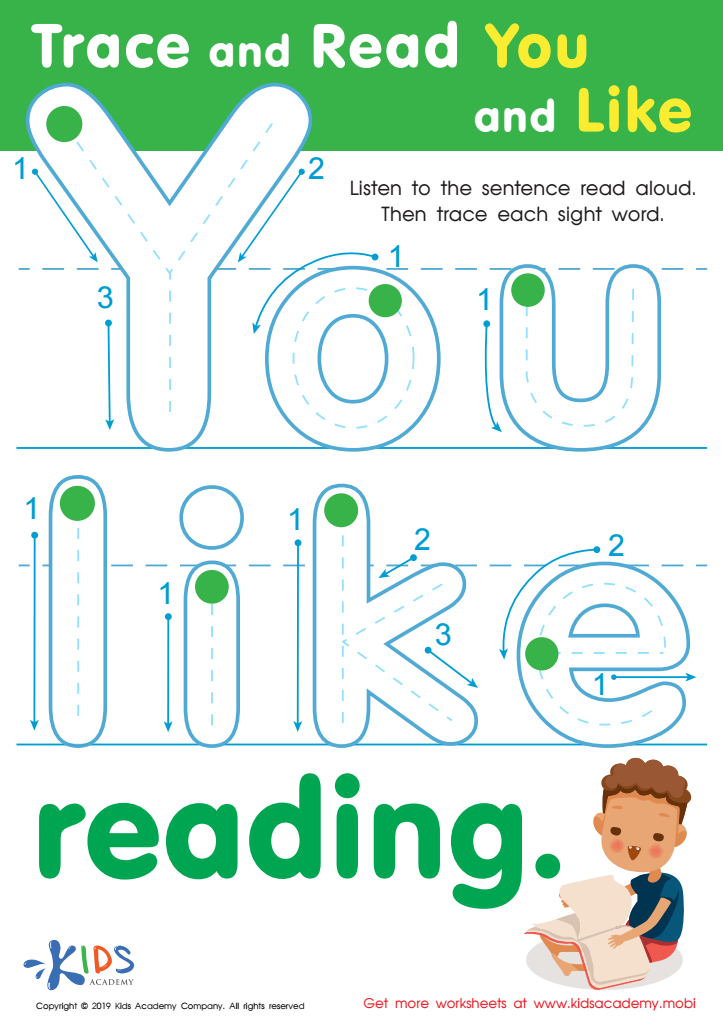
Trace Read You Like Worksheet
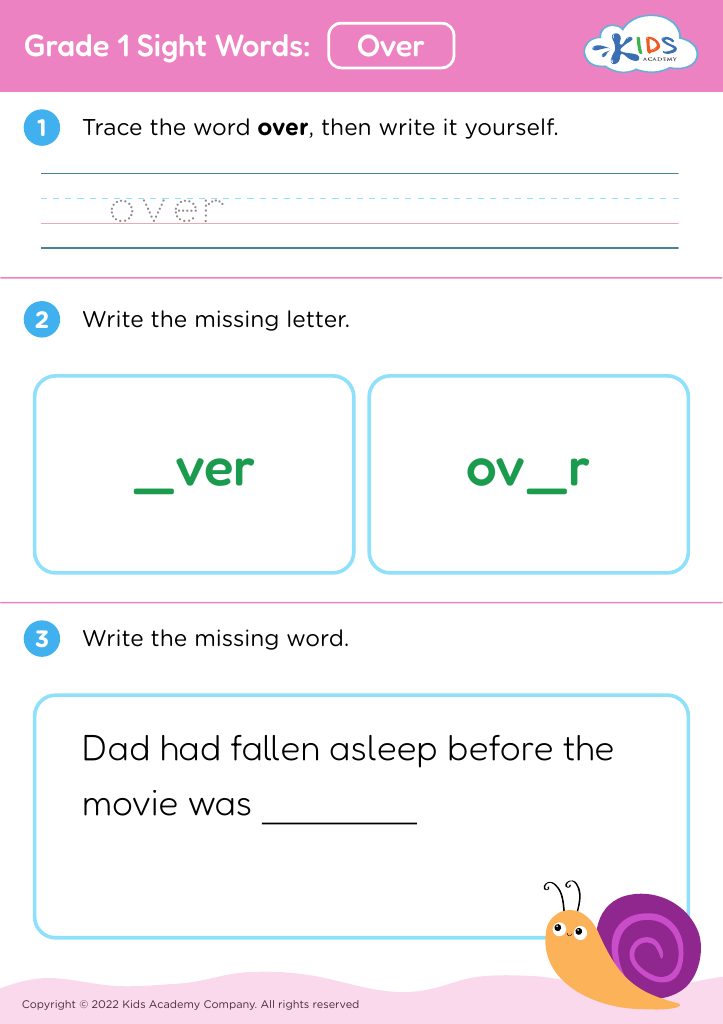






Word recognition is a foundational skill crucial for ages 3-8 as it directly impacts children’s reading and overall academic success. At this pivotal stage, children's brains are highly receptive to language development, making it an ideal period for establishing strong reading skills.
Parents and teachers should prioritize word recognition because it forms the basis for fluency in reading. Fluent readers can understand text more readily, freeing their cognitive resources to focus on comprehension rather than decoding individual words. This skill contributes to a more enjoyable and engaging reading experience, fostering a lifelong love for reading.
Moreover, word recognition affects vocabulary growth. As children recognize more words, they acquire a richer vocabulary, which is essential for effective communication and critical thinking. Strong word recognition skills also enhance children’s confidence and motivation to read, making them more likely to explore new texts independently.
Lastly, early proficiency in word recognition is strongly correlated with future academic achievement. Children who struggle with reading in the early grades are at a higher risk for ongoing academic difficulties. By supporting word recognition development through activities like phonics games, reading aloud, and multi-sensory learning, parents and teachers lay the groundwork for a child’s future success in school and beyond.
Investing in early word recognition not only supports children's immediate academic needs but also sets them on a path to lifelong learning and success.








