Hand-eye Coordination Adding at the Zoo Worksheets for Ages 3-8
3 filtered results
-
From - To
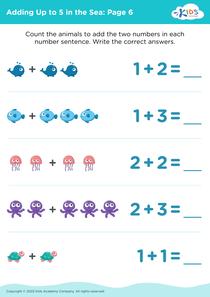
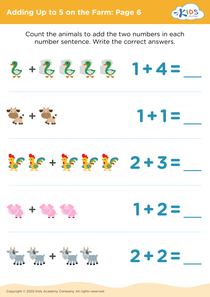
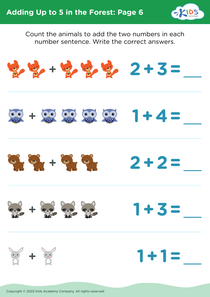
Welcome to our "Hand-eye Coordination Adding at the Zoo" worksheets, designed for ages 3-8! These engaging activities combine early math skills with fun zoo-themed visuals to promote hand-eye coordination. Children will explore addition through interactive exercises involving adorable animals, making learning enjoyable and effective. Each worksheet encourages your child to manipulate objects while solving addition problems, supporting fine motor skills development alongside math comprehension. Perfect for parents and educators, these printable resources offer a creative way to enrich early childhood education. Dive into the world of animals and numbers, and watch your child thrive in both math skills and coordination!
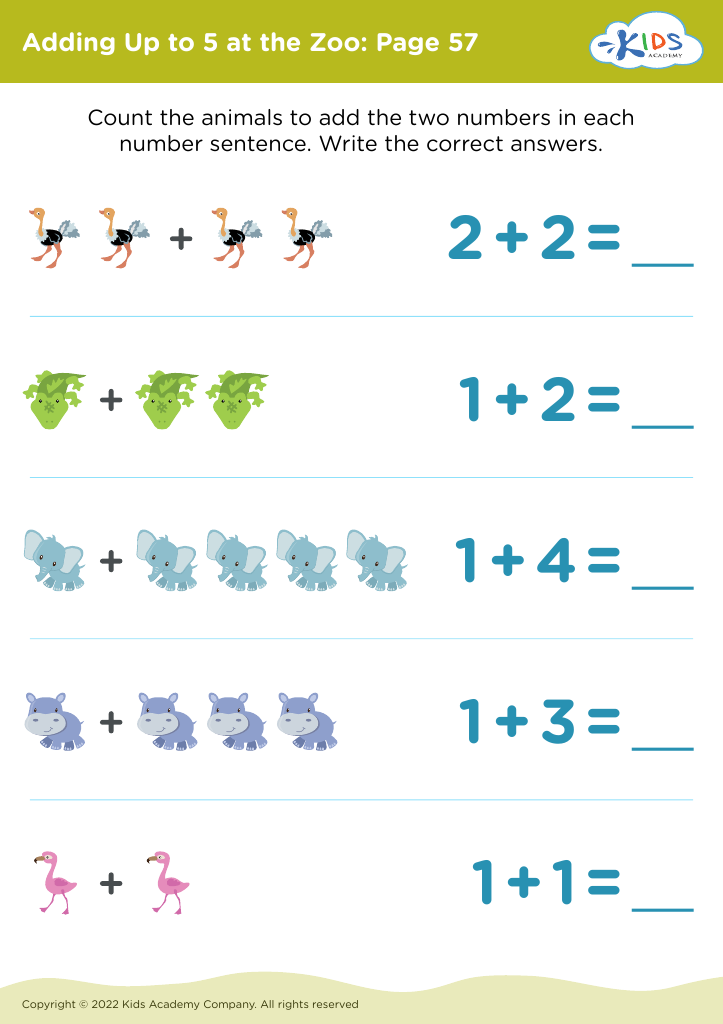
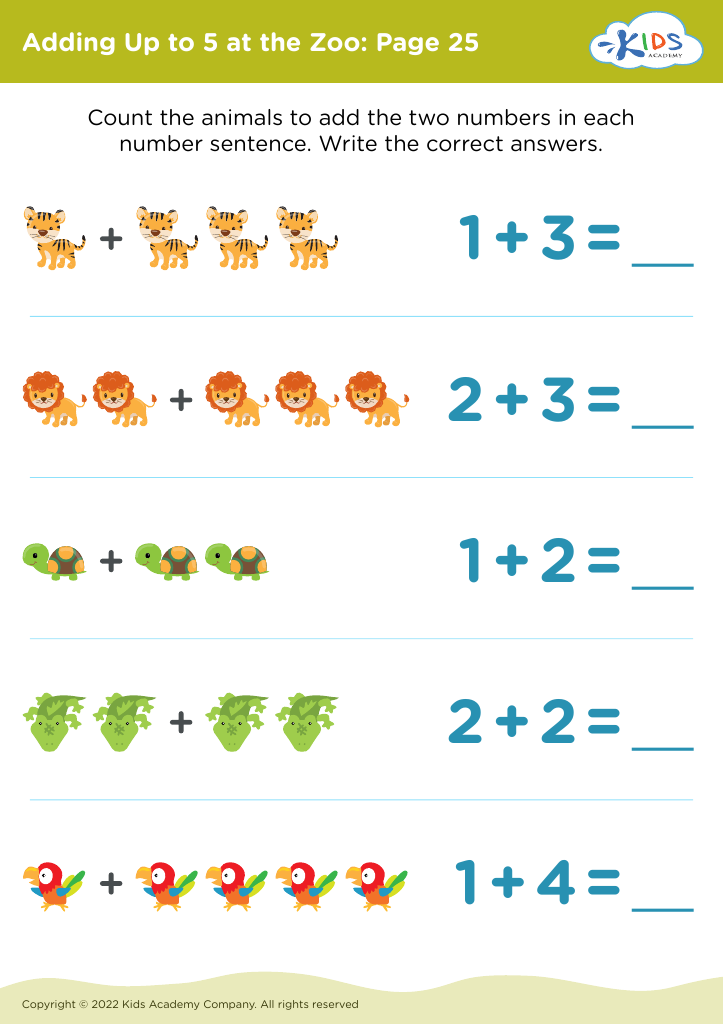
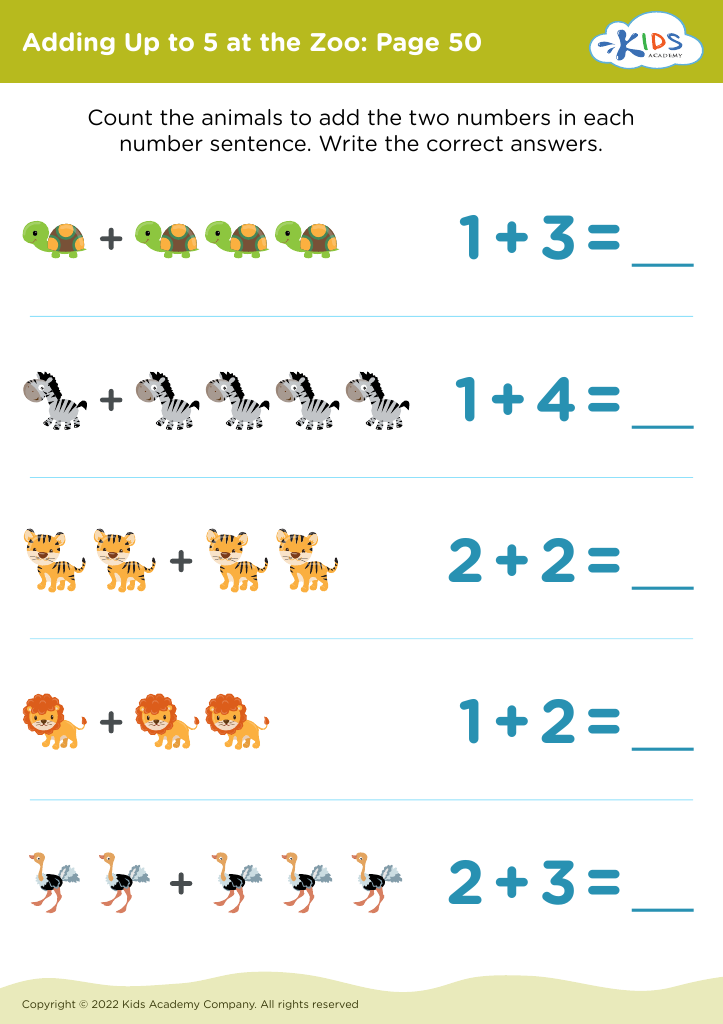



Hand-eye coordination is a vital skill for children, influencing their ability to perform everyday tasks and learn new things. Activities like "Hand-eye Coordination Adding at the Zoo," specifically designed for ages 3-8, not only foster this essential skill but also make learning engaging and fun. When children manipulate objects to solve problems, such as counting and adding animals in a zoo context, they develop fine motor skills along with cognitive abilities, laying the groundwork for later mathematical understanding.
Moreover, incorporating thematic elements like a zoo captures children’s curiosity and imagination, making the learning experience richer. It encourages active participation, boosting their confidence and interest in learning. Parents and teachers should also recognize that engaging in such activities promotes social interaction when done in groups, enhancing collaborative skills and communication.
Additionally, addressing hand-eye coordination during early childhood is critical as it directly ties into later skills such as reading and writing. By focusing on enjoyable learning experiences like this one, adults can create positive associations with education, fostering a lifelong love for learning while equipping children with crucial skills necessary for their development. Therefore, supporting activities that enhance hand-eye coordination is an investment in children’s future academic and personal success.