Nature awareness Adding in the Forest Worksheets for Ages 3-8
8 filtered results
-
From - To
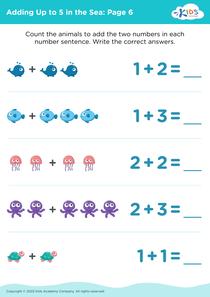
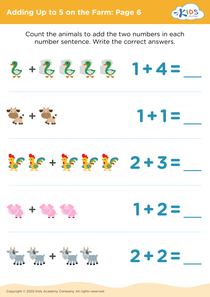
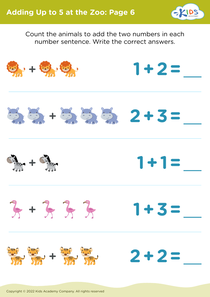
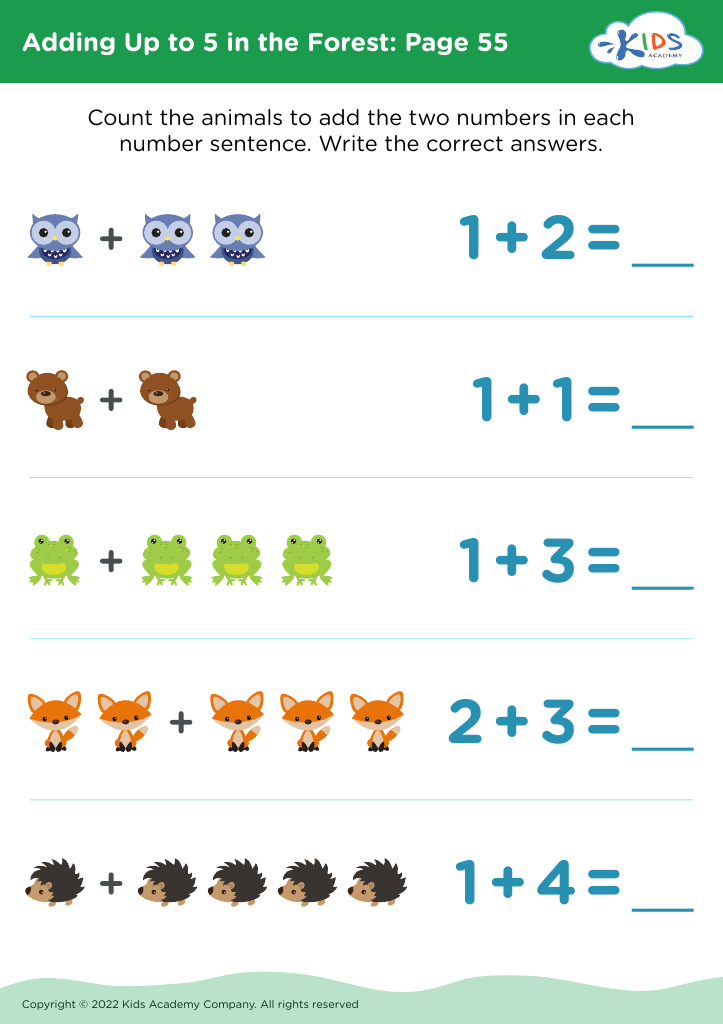
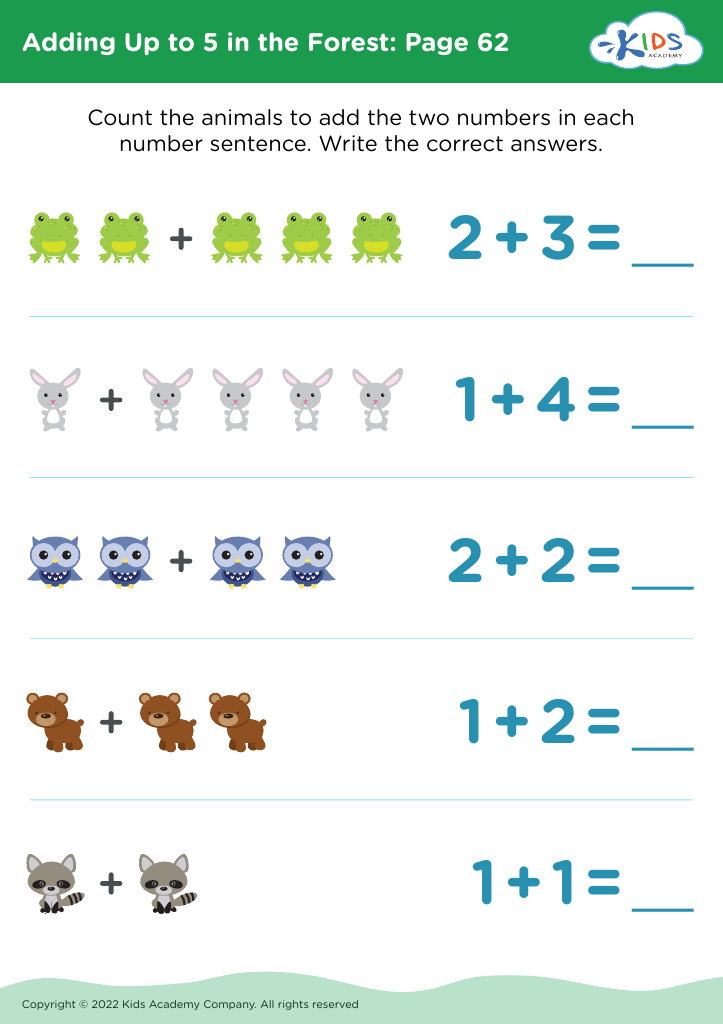
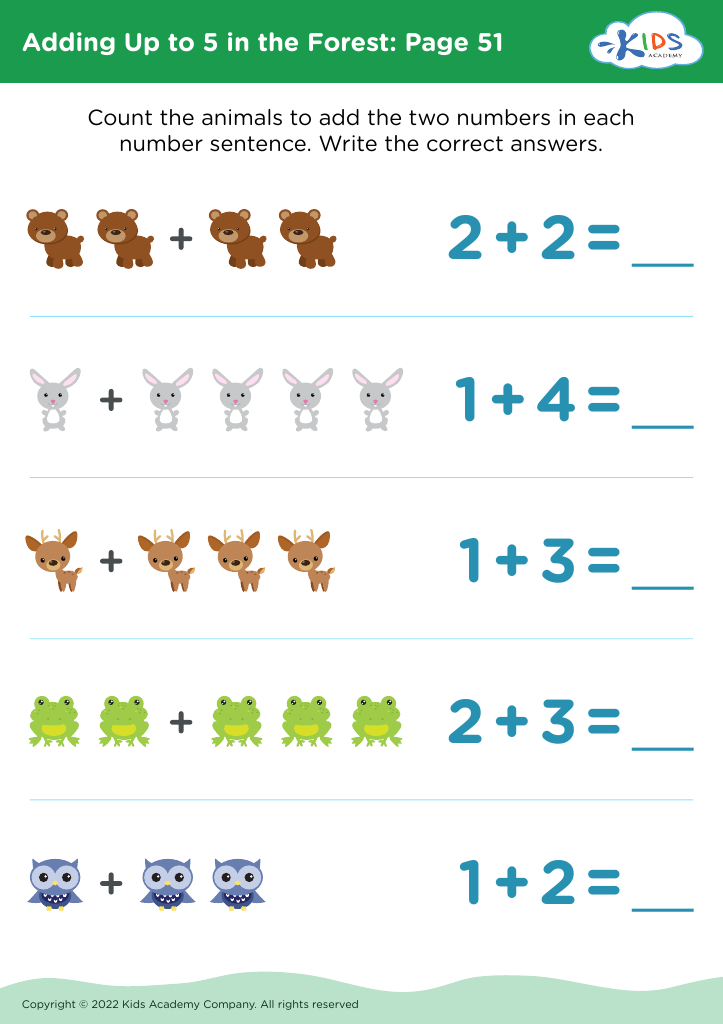
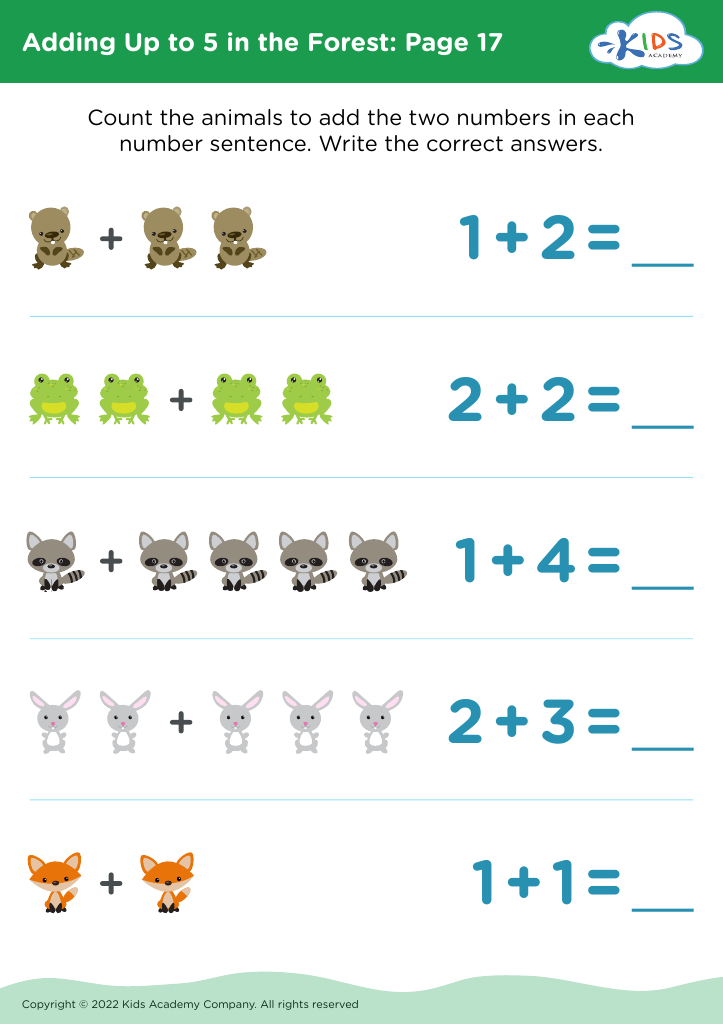
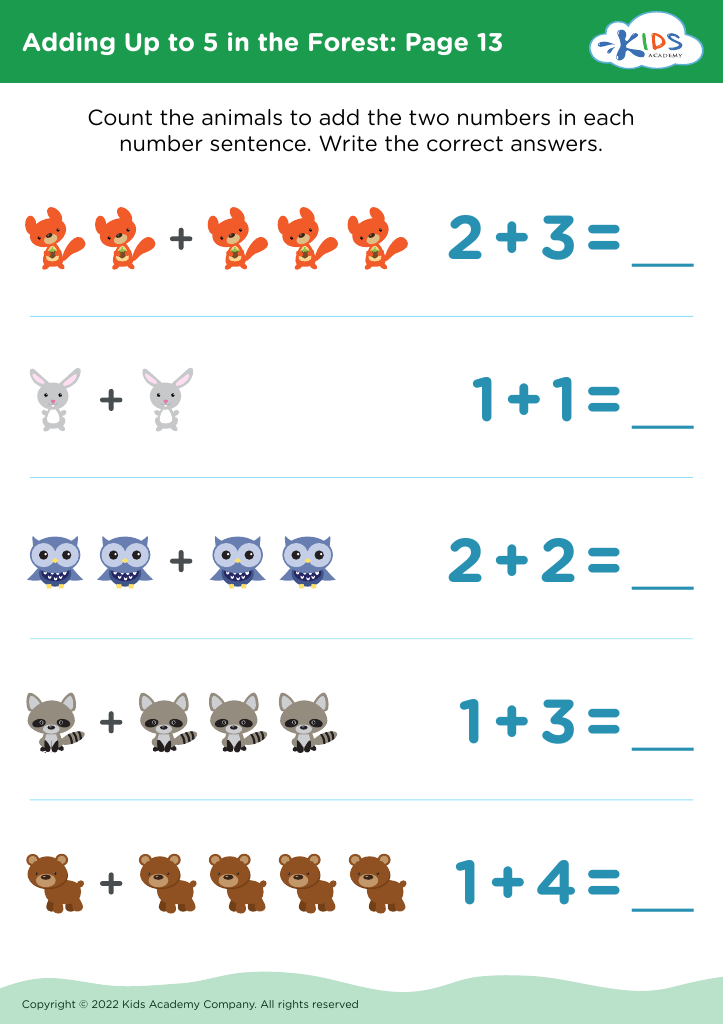
Welcome to our "Nature Awareness Adding in the Forest Worksheets" designed for children ages 3-8! These engaging worksheets provide a fun and interactive way for young learners to develop their math skills while discovering the beauty of nature. By incorporating forest themes and enchanting imagery, each worksheet encourages kids to practice addition in a lively outdoor setting. Young learners will identify animals, plants, and natural elements as they solve math problems, fostering both numeracy and an appreciation of the environment. Download these worksheets today and help your child embark on a delightful journey of mathematical exploration and nature awareness!
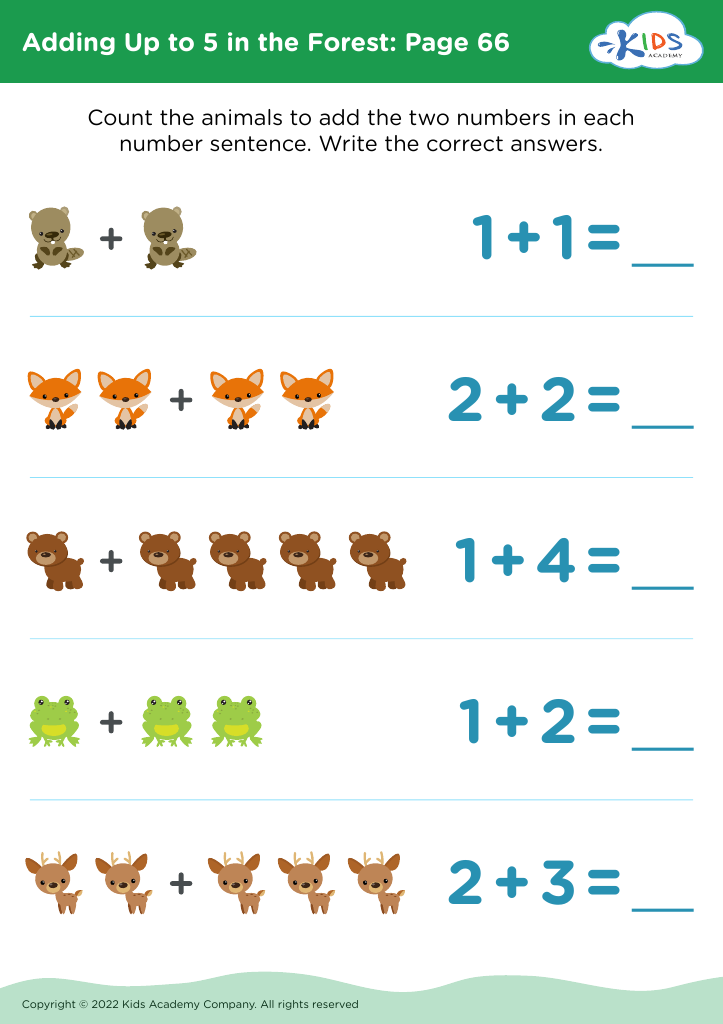
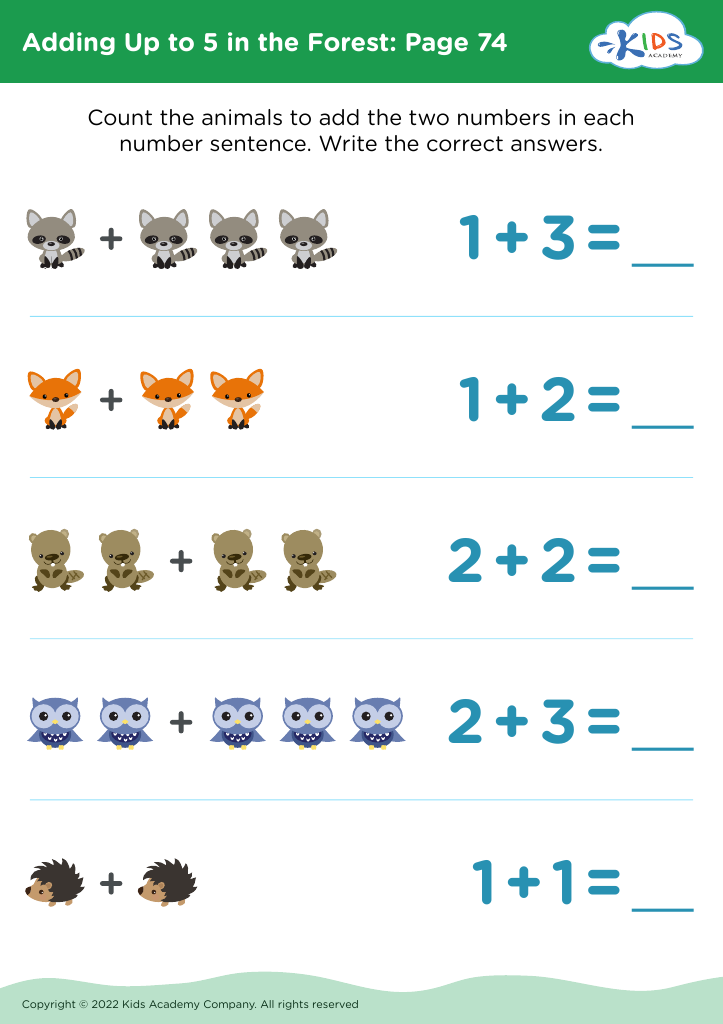
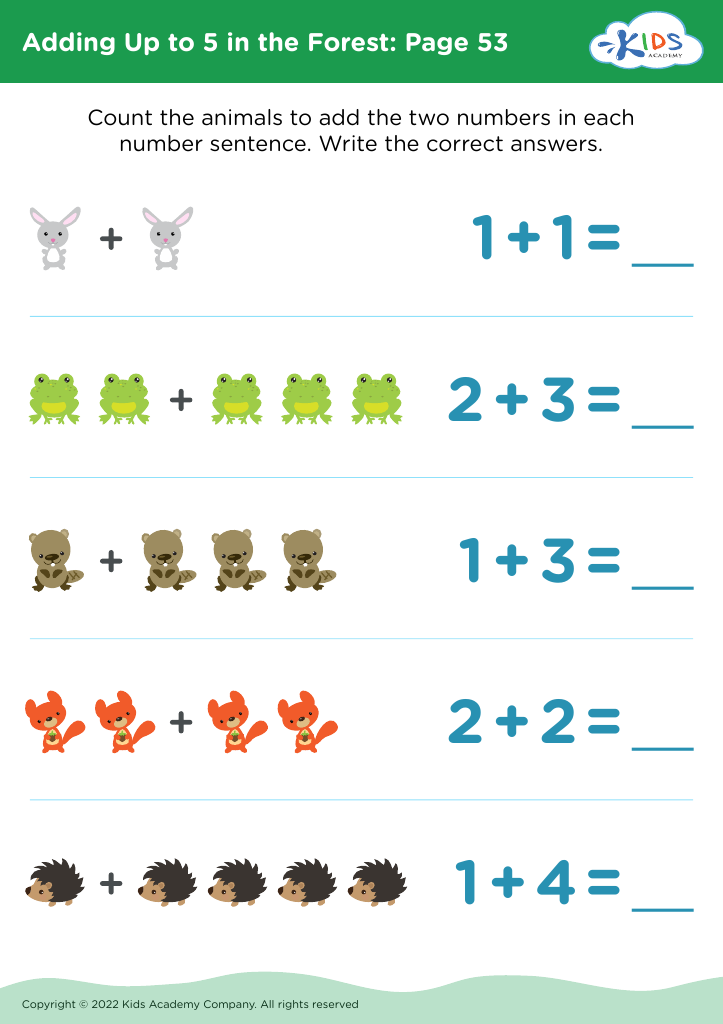



Nature awareness is essential for children aged 3-8 as it lays the groundwork for their understanding of the environment and fosters a connection with the natural world. Engaging with nature, particularly in forest settings, offers numerous developmental benefits. Firstly, it stimulates curiosity and encourages exploration, allowing children to ask questions and discover the flora and fauna around them. This hands-on experience promotes critical thinking and problem-solving skills.
Moreover, spending time in forests enhances physical health. Children engage in active play, improving their motor skills, coordination, and overall fitness. Nature appreciation also supports mental well-being, reducing stress and anxiety through sensory experiences provided by fresh air, sounds, and visuals of nature. Beyond individual benefits, instilling an awareness of nature fosters a sense of stewardship and responsibility for the environment. Children learn the importance of sustainability and conservation from a young age, shaping them into caring, informed adults.
As parents and teachers, facilitating nature interactions enriches children's education, offering them diverse learning experiences outside traditional classrooms. By encouraging these interactions, we are nurturing more empathetic, aware, and engaged future citizens who appreciate and protect the world around them. Thus, understanding and valuing nature is a vital part of holistic child development.