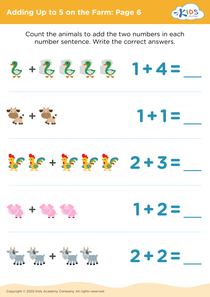
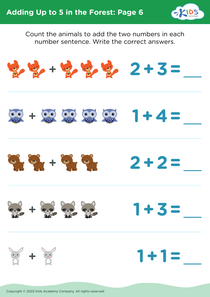
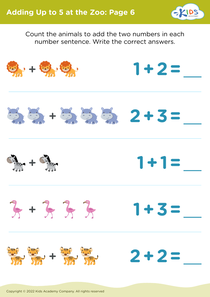
Sea creatures identification Adding in the Sea Worksheets for Ages 3-8
3 filtered results
-
From - To
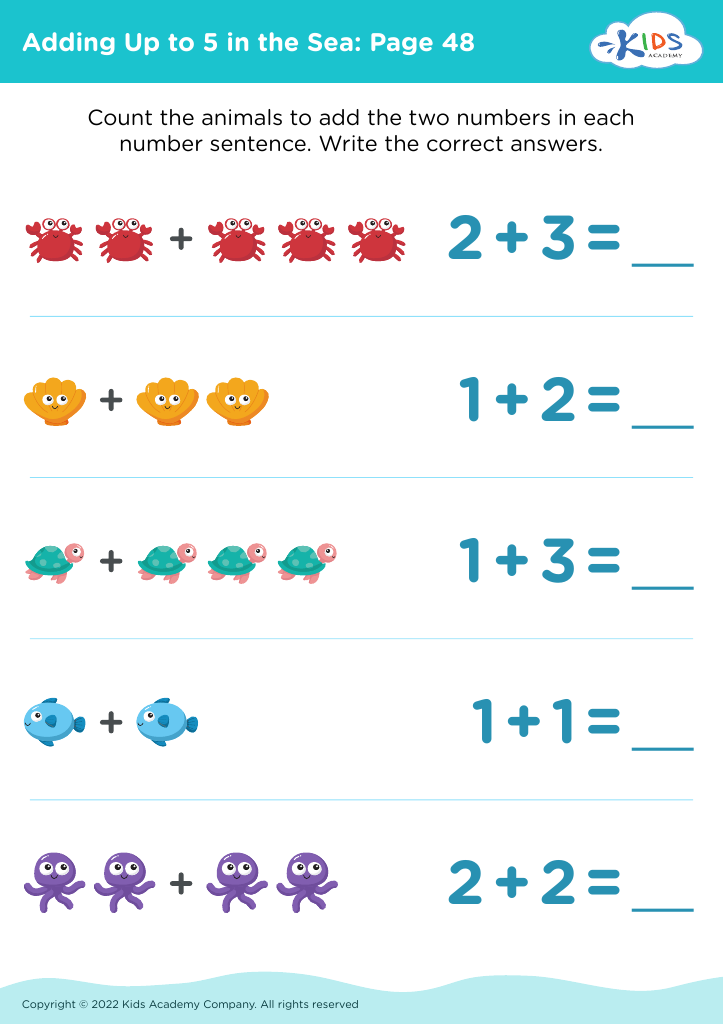
Dive into a world of underwater adventure with our "Sea Creatures Identification Adding in the Sea Worksheets for Ages 3-8"! These engaging math worksheets combine learning and fun by helping children identify various sea creatures while practicing adding skills. Perfect for preschool and early elementary students, each worksheet features colorful illustrations and exciting activities designed to capture young imaginations. Kids will enjoy counting starfish, crabs, and other marine life while enhancing their addition abilities. Set your child on the path to math mastery and oceanic exploration with these captivating worksheets!
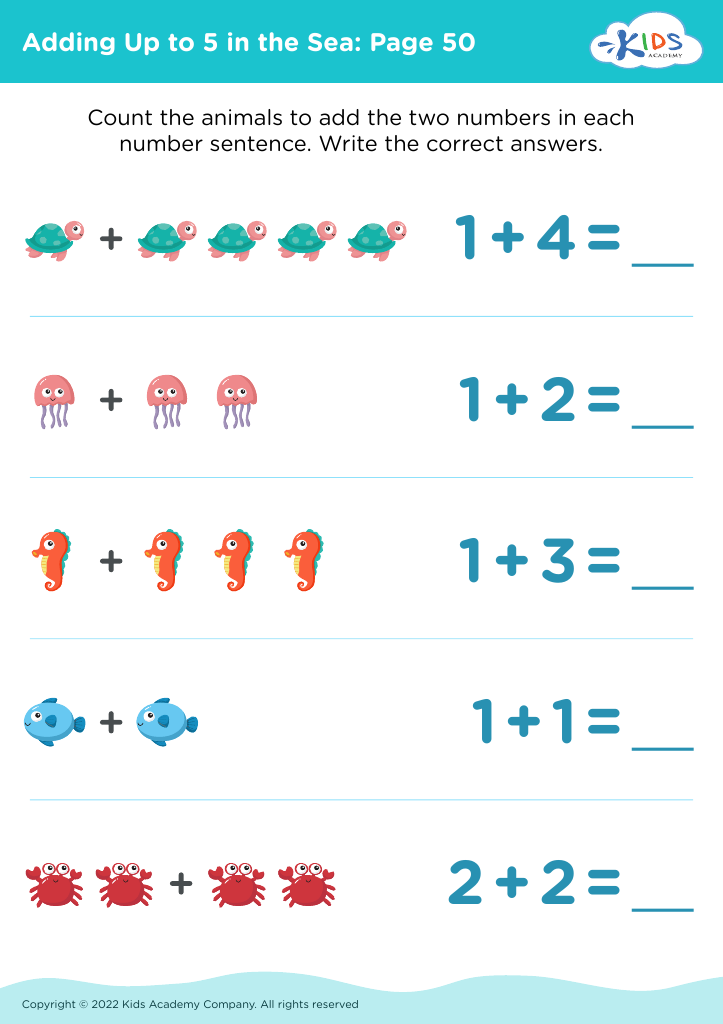
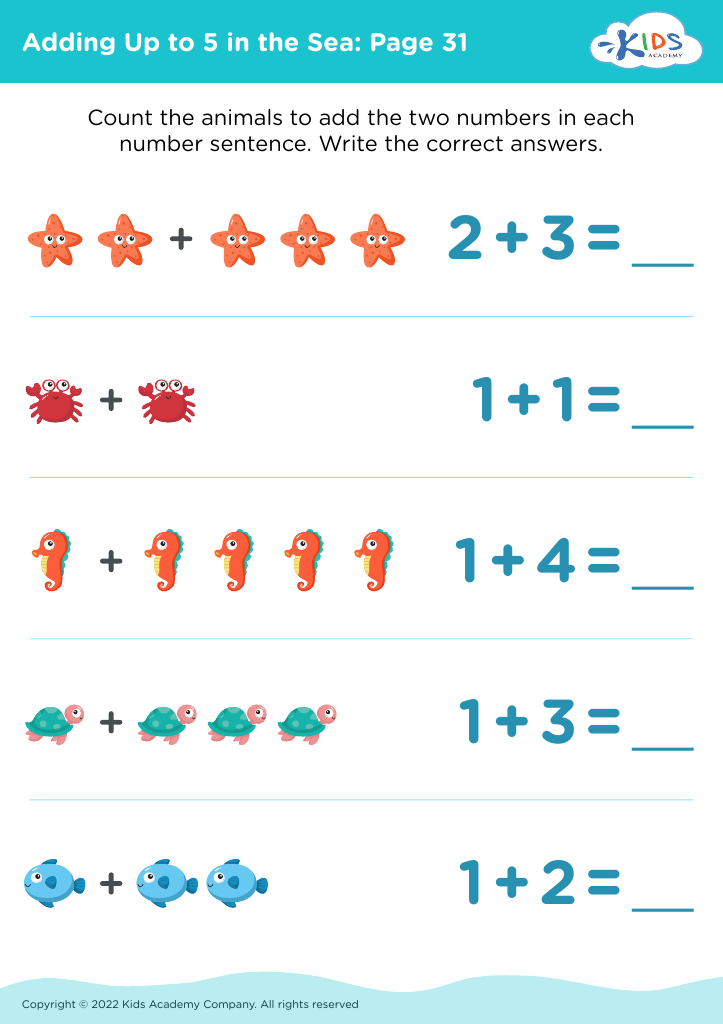



Introducing sea creature identification to children aged 3-8 offers numerous educational and developmental benefits. Firstly, it piques curiosity and encourages a love for learning. At this age, children are naturally curious about the world around them, and the ocean is a fascinating, largely unexplored frontier. Learning about sea creatures can expand their understanding of biodiversity and the complexities of marine ecosystems.
Secondly, it enhances cognitive skills such as memory, concentration, and reasoning. Identifying and recalling sea creatures helps improve memory retention and critical thinking abilities. They learn to recognize patterns, names, colors, and different characteristics, which aids in cognitive development.
Thirdly, it promotes environmental awareness and a sense of stewardship. Early exposure to marine life creates a foundational respect for nature, fostering a generation that is more likely to adopt sustainable and conservation-minded practices. When children learn about the creatures living in the sea and their importance to the Earth's health, they are more likely to grow up valuing and protecting these environments.
Lastly, it provides social-emotional benefits. Discussing their favorite sea animals with peers and adults can boost language skills, confidence, and emotional intelligence through shared interests and cooperative learning activities. Combining these educational pursuits with fun exploration helps create a well-rounded and engaging developmental experience.