Filters

349 filtered results

Clear all filters
Favorites
With answer key
Interactive

349 filtered results

Difficulty Level

Grade


Subject

    Check out this FREE Trial Lesson on Adding Up to 5 for age 3-8!

    D

    Favorites
    With answer key
    Interactive
    • 3-8
    • Number Recognition
    • Adding Up to 5
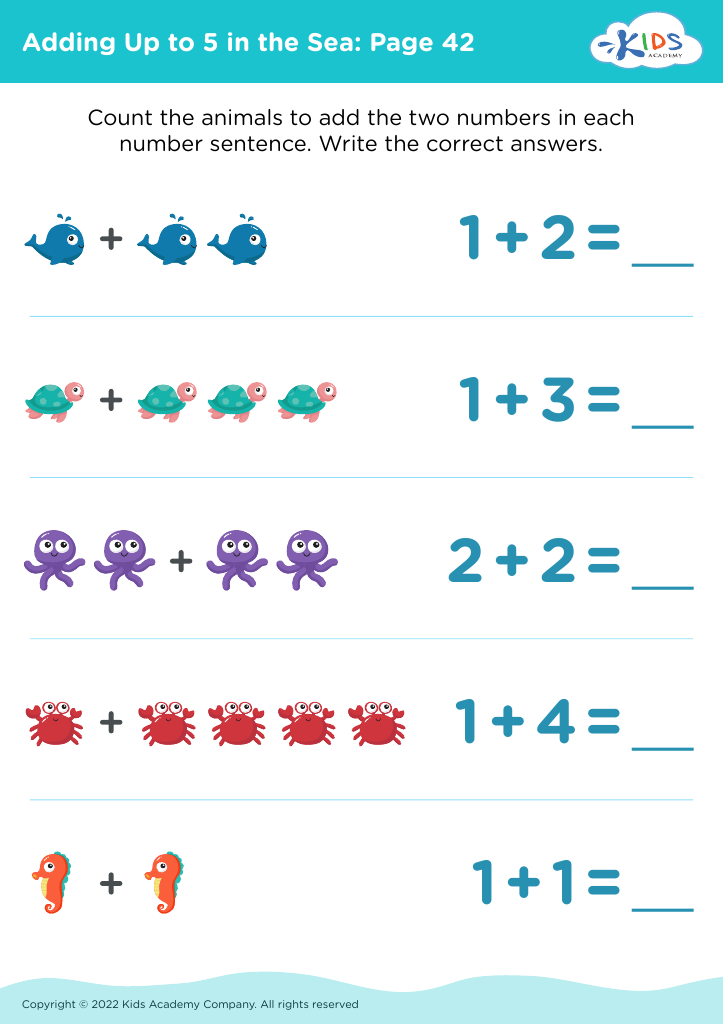
    Adding Up to 5 in the Sea: Page 42
    Adding Up to 5 in the Sea: Page 42
    Adding Up to 5 in the Sea: Page 42
    Worksheet
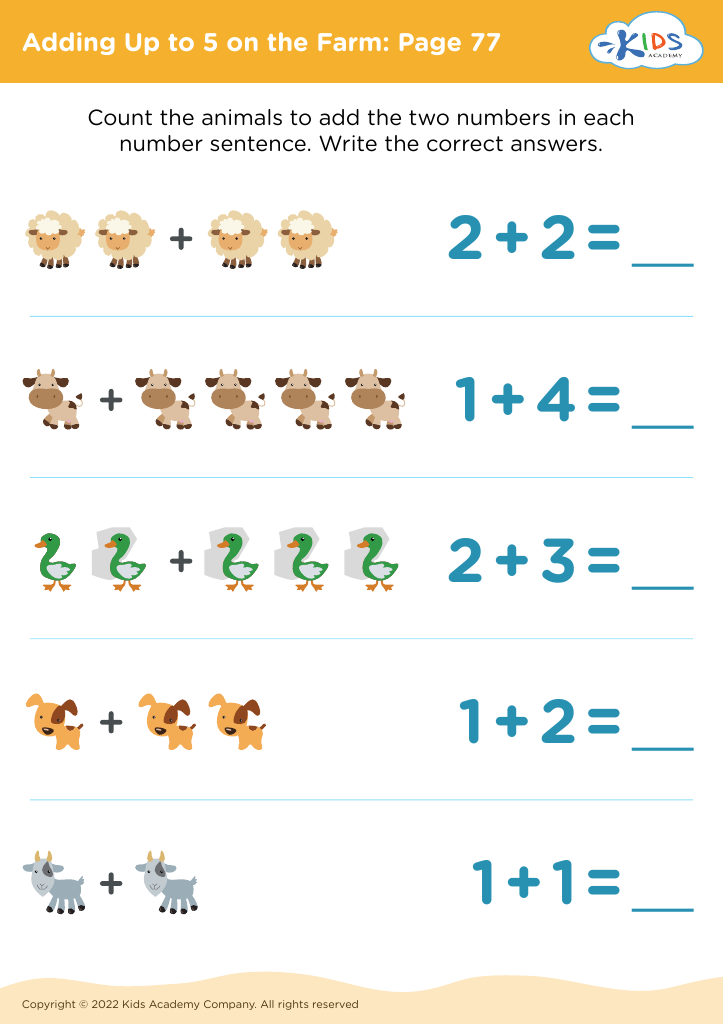
    Adding Up to 5 on the Farm: Page 77
    Adding Up to 5 on the Farm: Page 77
    Adding Up to 5 on the Farm: Page 77
    Worksheet
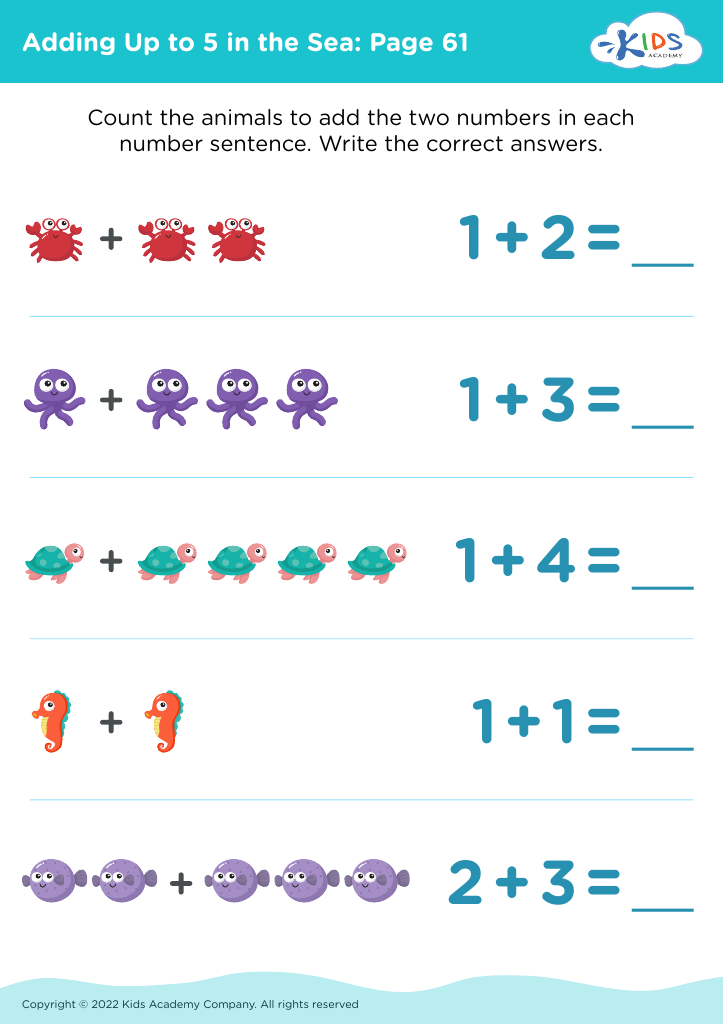
    Adding Up to 5 in the Sea: Page 61
    Adding Up to 5 in the Sea: Page 61
    Adding Up to 5 in the Sea: Page 61
    Worksheet
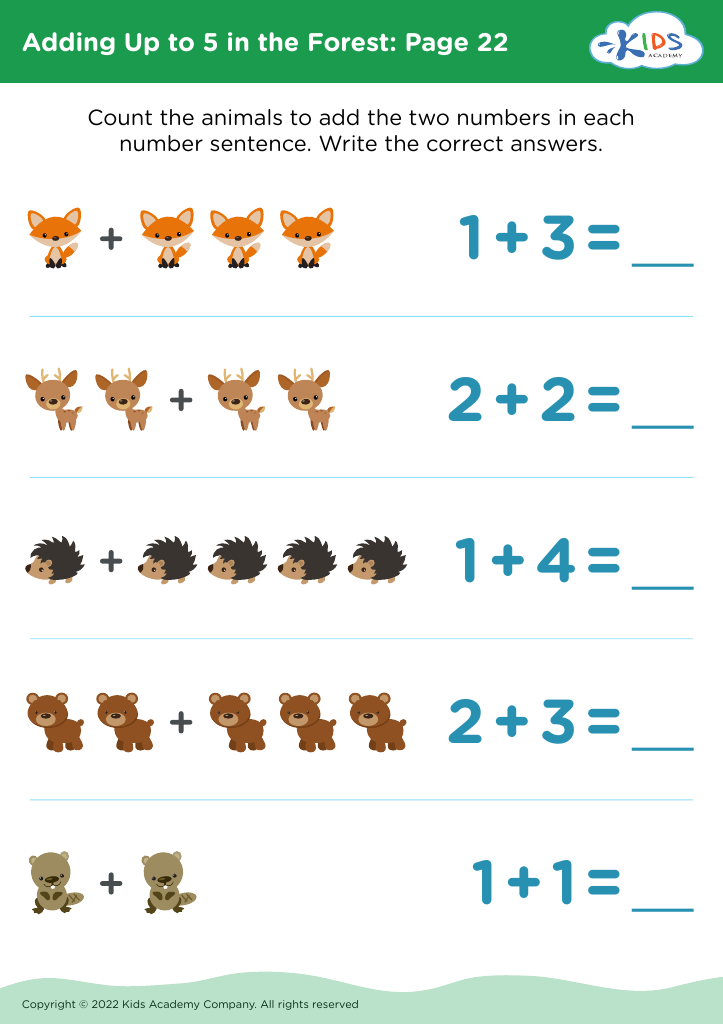
    Adding Up to 5 in the Forest: Page 22
    Adding Up to 5 in the Forest: Page 22
    Adding Up to 5 in the Forest: Page 22
    Worksheet
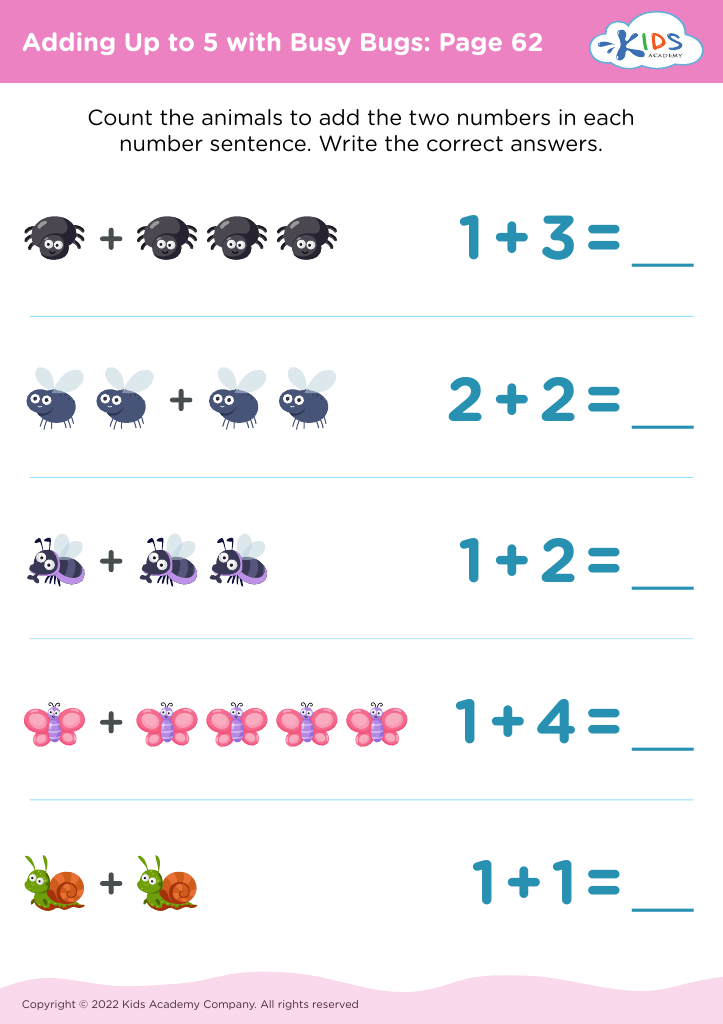
    Adding Up to 5 with Busy Bugs: Page 62
    Adding Up to 5 with Busy Bugs: Page 62
    Adding Up to 5 with Busy Bugs: Page 62
    Worksheet
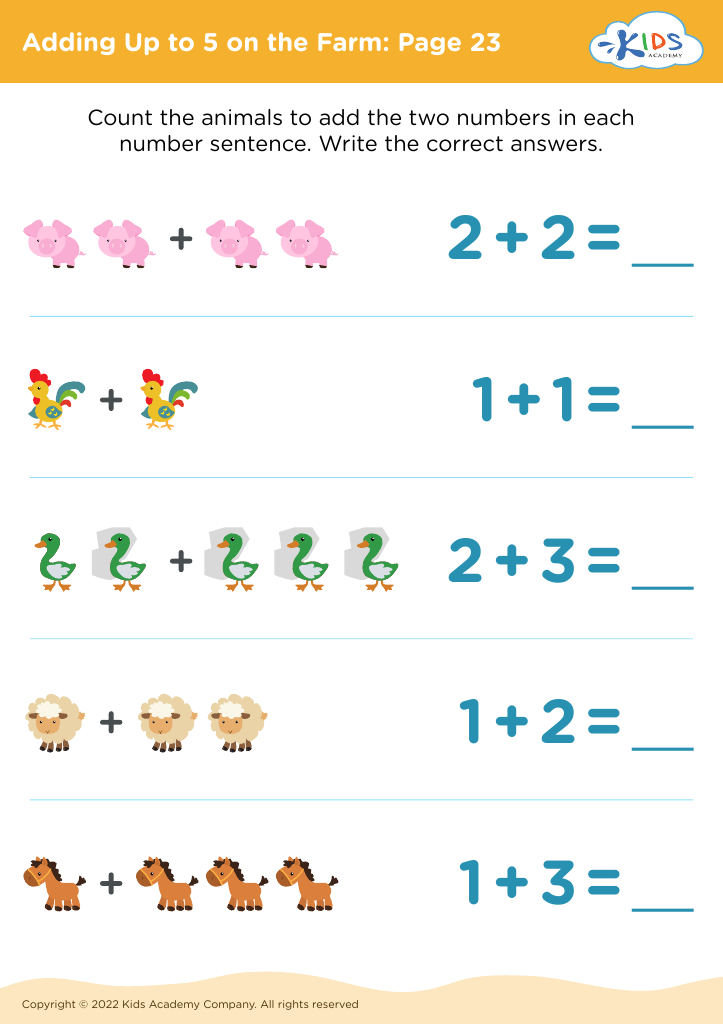
    Adding Up to 5 on the Farm: Page 23
    Adding Up to 5 on the Farm: Page 23
    Adding Up to 5 on the Farm: Page 23
    Worksheet
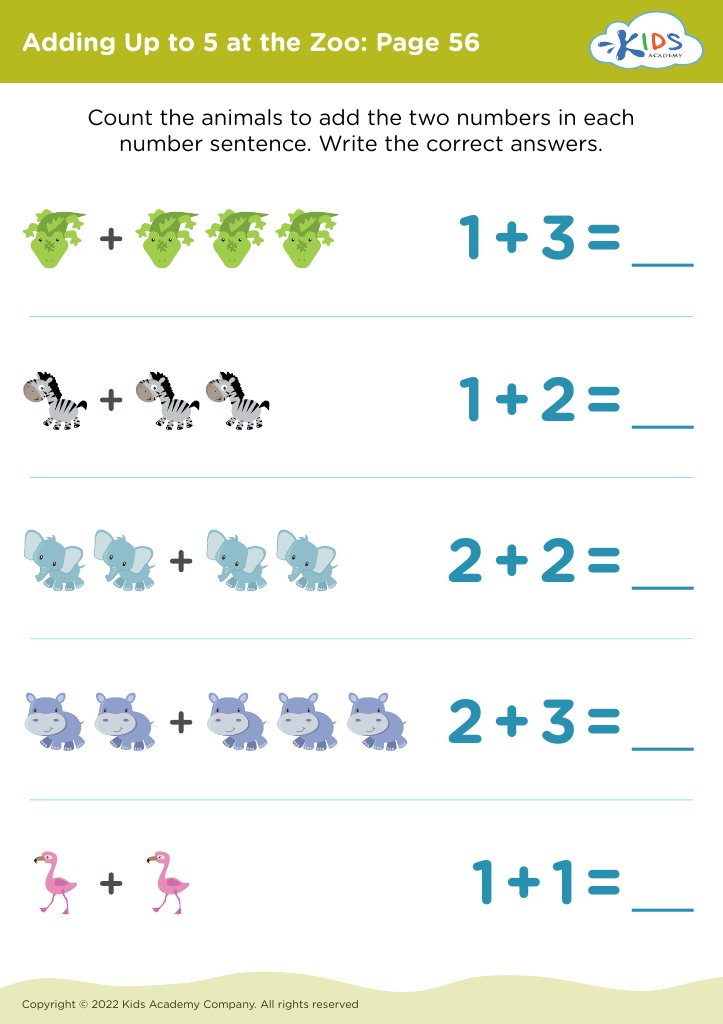
    Adding Up to 5 at the Zoo: Page 56
    Adding Up to 5 at the Zoo: Page 56
    Adding Up to 5 at the Zoo: Page 56
    Worksheet
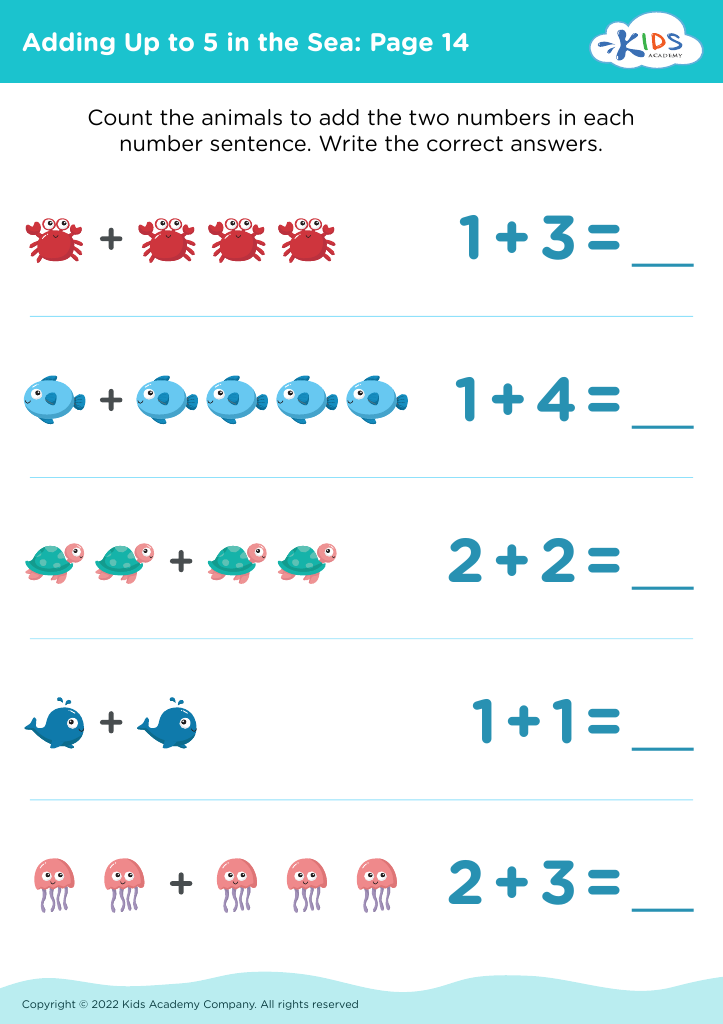
    Adding Up to 5 in the Sea: Page 14
    Adding Up to 5 in the Sea: Page 14
    Adding Up to 5 in the Sea: Page 14
    Worksheet
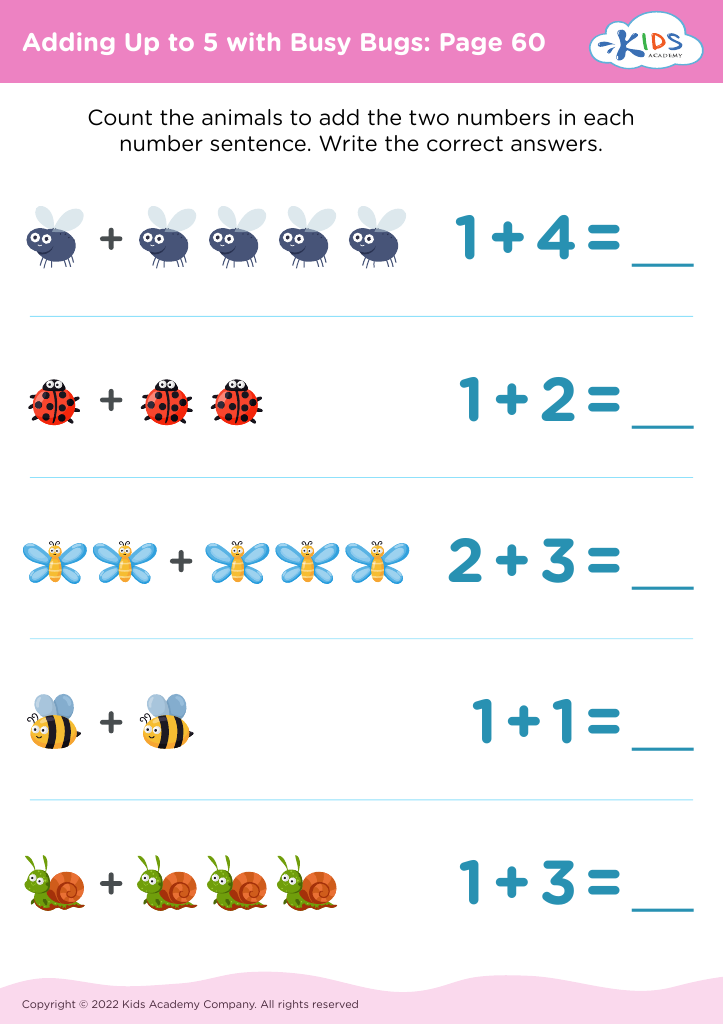
    Adding Up to 5 with Busy Bugs: Page 60
    Adding Up to 5 with Busy Bugs: Page 60
    Adding Up to 5 with Busy Bugs: Page 60
    Worksheet
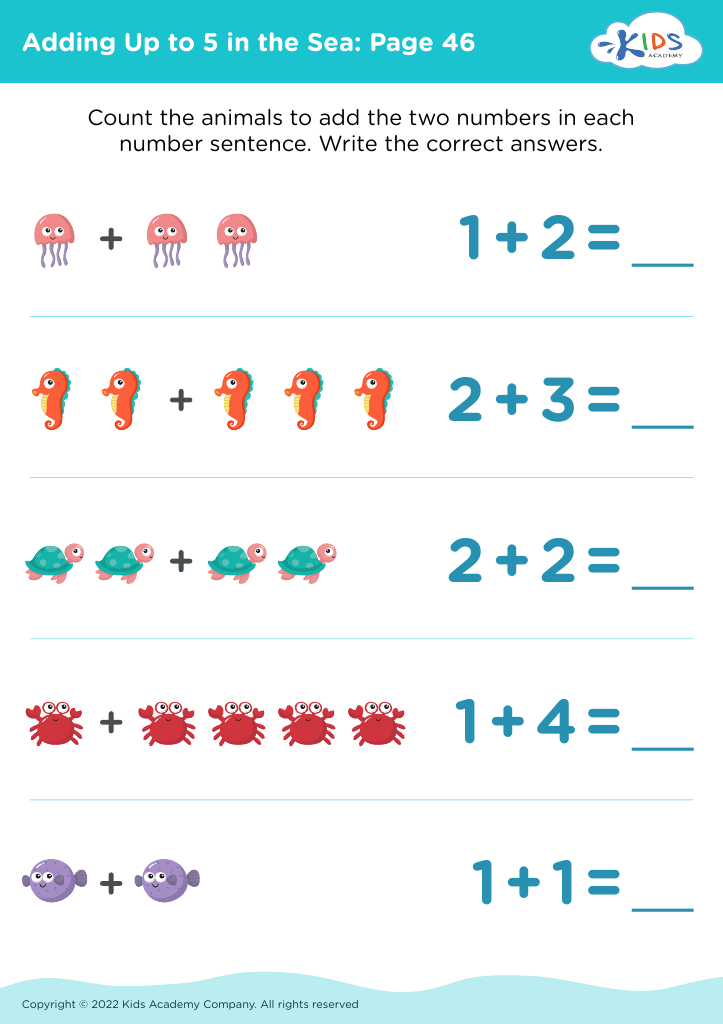
    Adding Up to 5 in the Sea: Page 46
    Adding Up to 5 in the Sea: Page 46
    Adding Up to 5 in the Sea: Page 46
    Worksheet
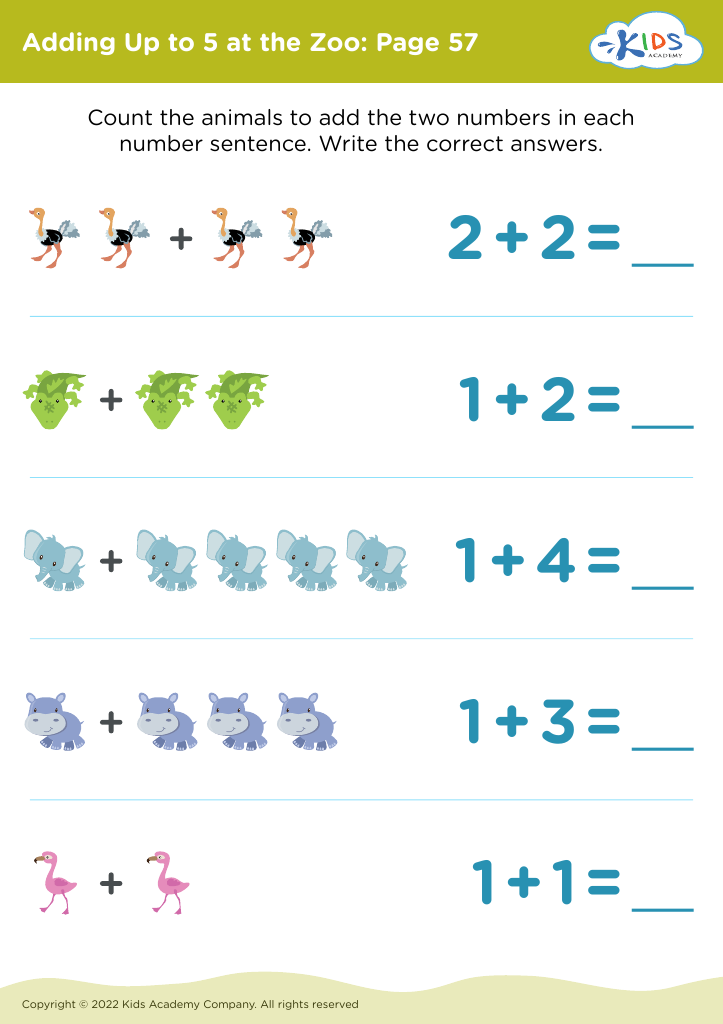
    Adding Up to 5 at the Zoo: Page 57
    Adding Up to 5 at the Zoo: Page 57
    Adding Up to 5 at the Zoo: Page 57
    Worksheet
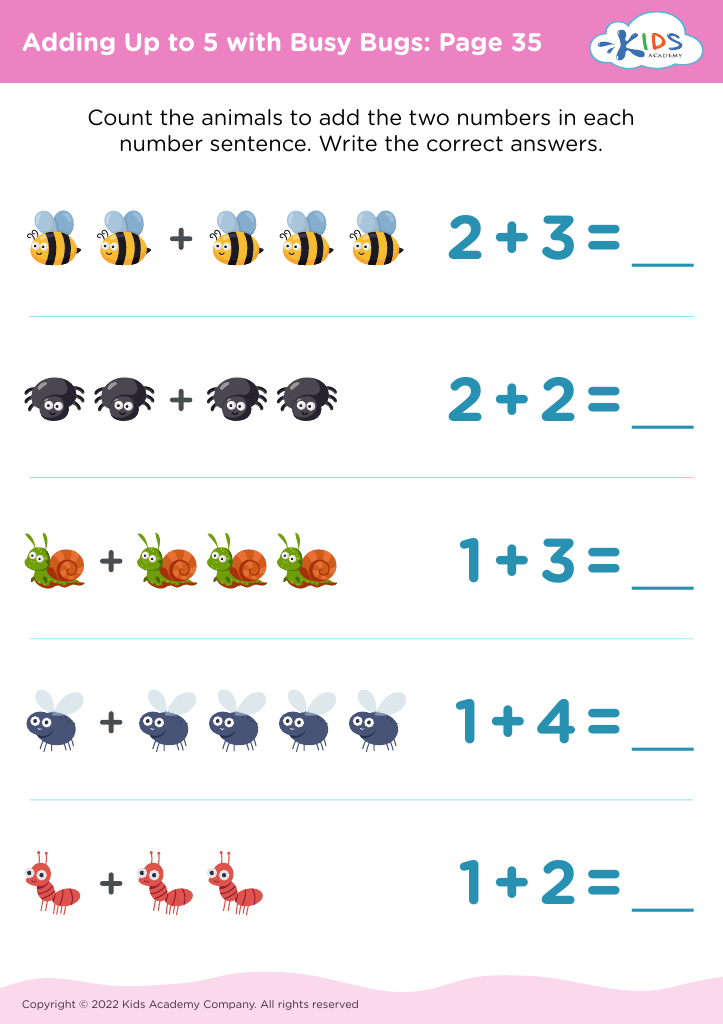
    Adding Up to 5 with Busy Bugs: Page 35
    Adding Up to 5 with Busy Bugs: Page 35
    Adding Up to 5 with Busy Bugs: Page 35
    Worksheet
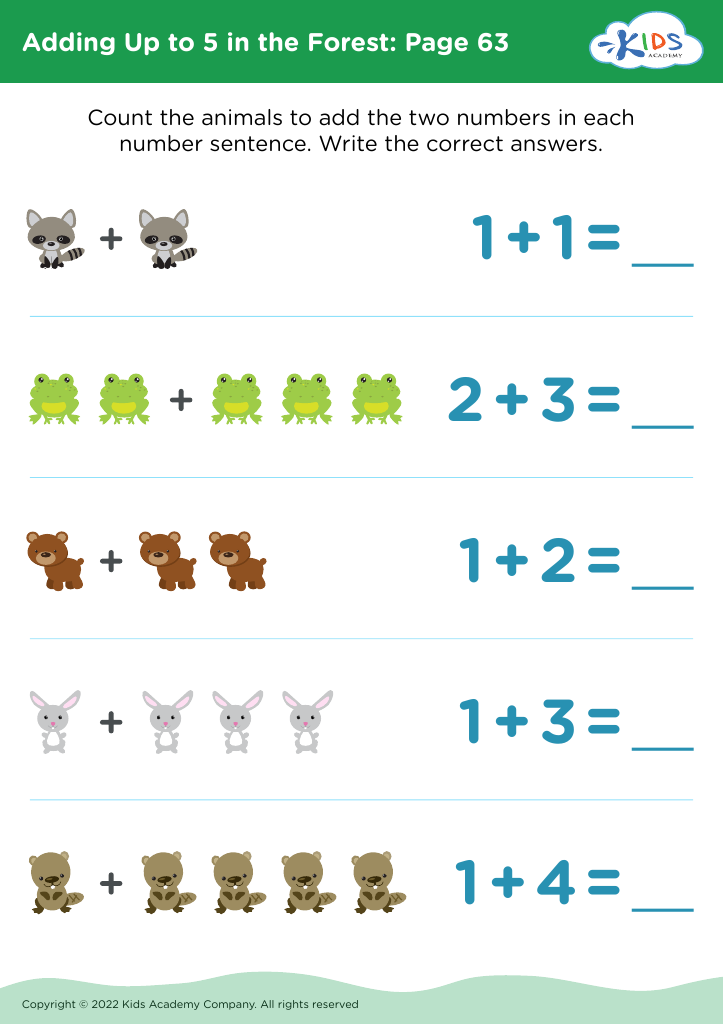
    Adding Up to 5 in the Forest: Page 63
    Adding Up to 5 in the Forest: Page 63
    Adding Up to 5 in the Forest: Page 63
    Worksheet
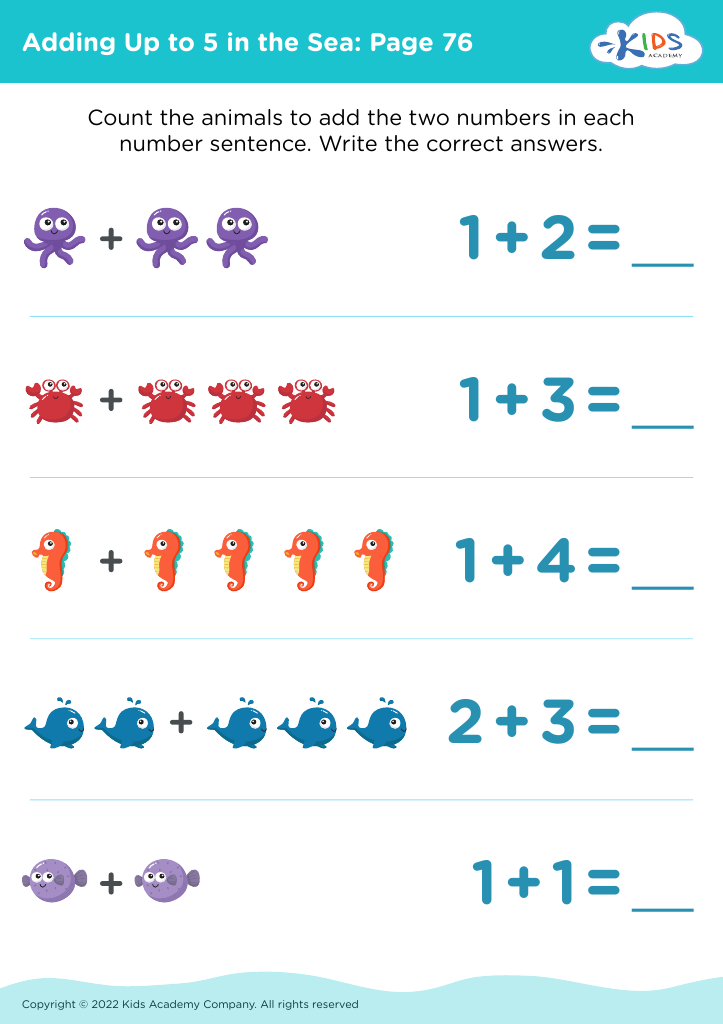
    Adding Up to 5 in the Sea: Page 76
    Adding Up to 5 in the Sea: Page 76
    Adding Up to 5 in the Sea: Page 76
    Worksheet
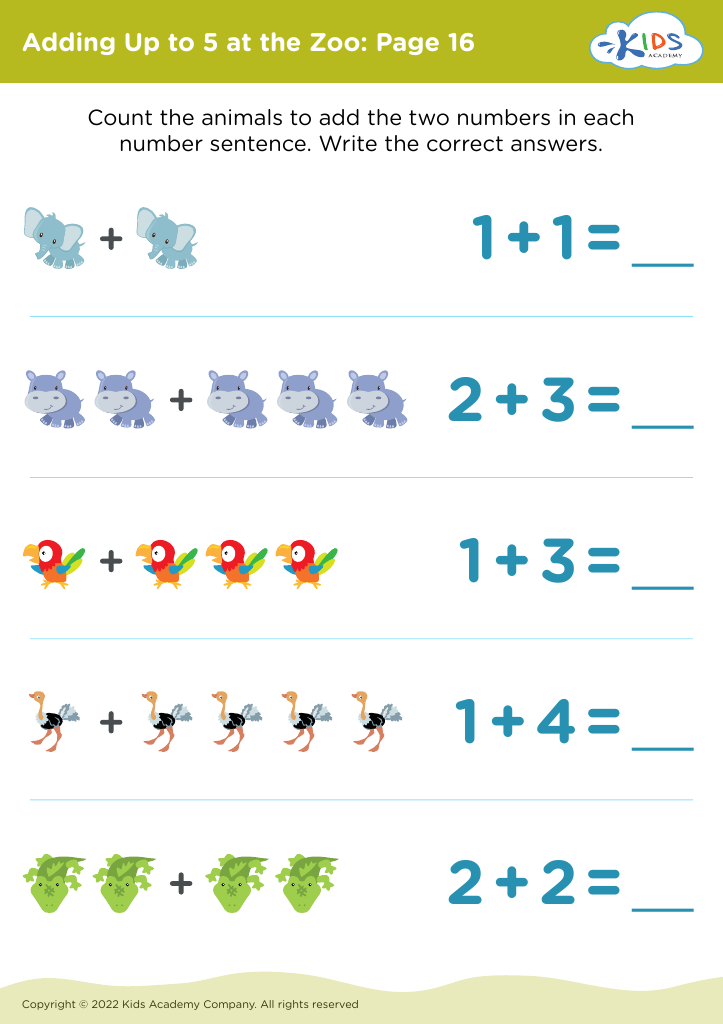
    Adding Up to 5 at the Zoo: Page 16
    Adding Up to 5 at the Zoo: Page 16
    Adding Up to 5 at the Zoo: Page 16
    Worksheet
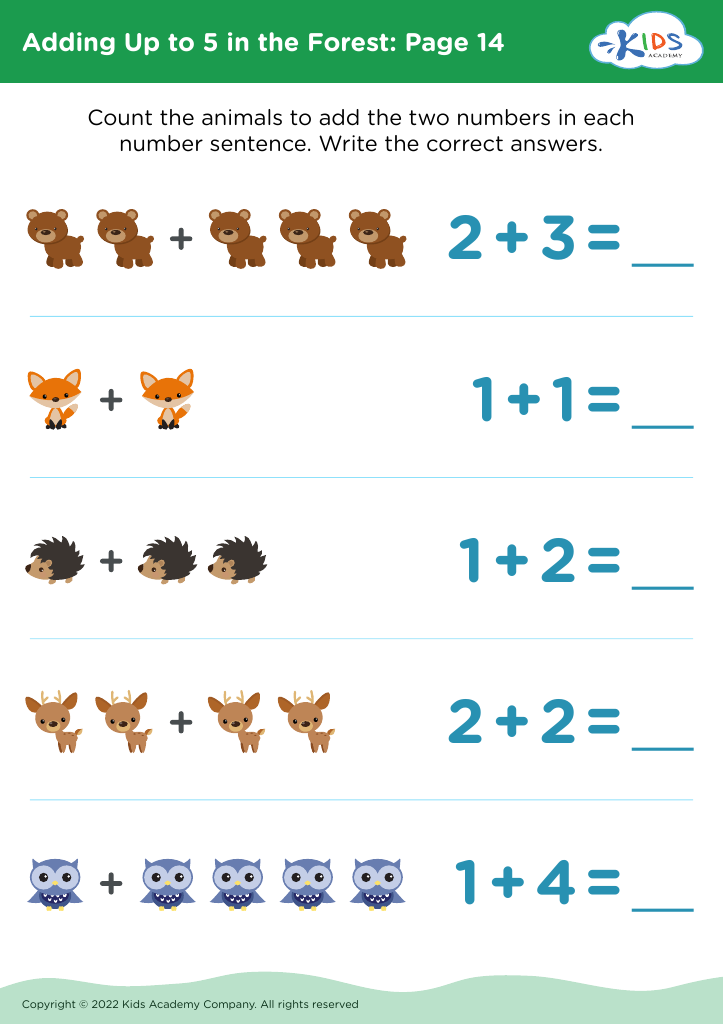
    Adding Up to 5 in the Forest: Page 14
    Adding Up to 5 in the Forest: Page 14
    Adding Up to 5 in the Forest: Page 14
    Worksheet
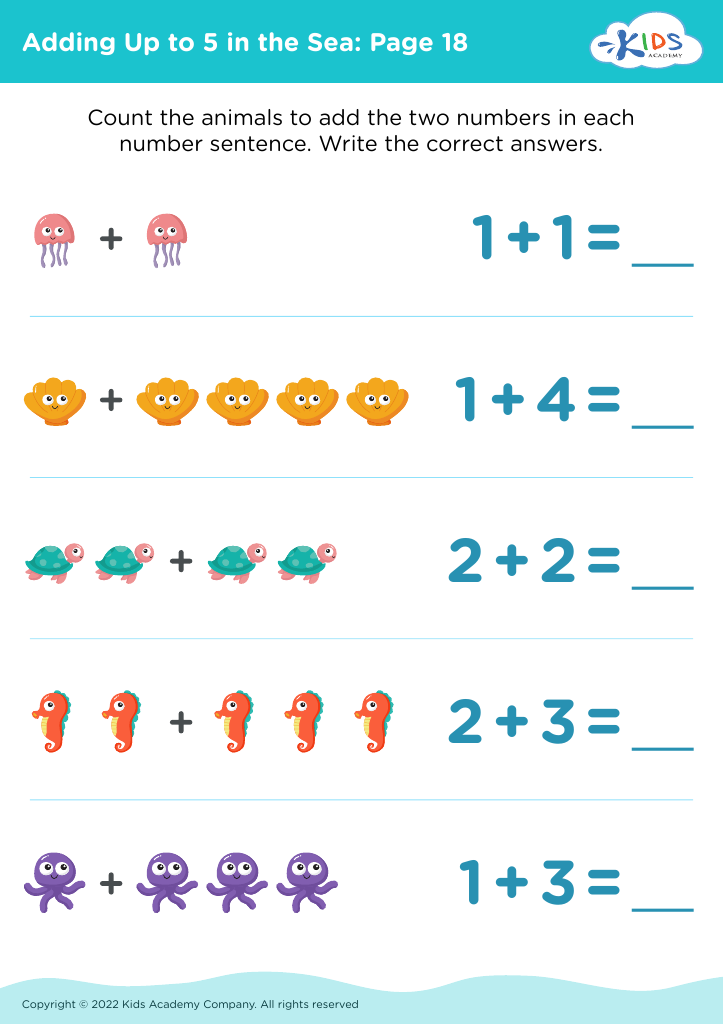
    Adding Up to 5 in the Sea: Page 18
    Adding Up to 5 in the Sea: Page 18
    Adding Up to 5 in the Sea: Page 18
    Worksheet
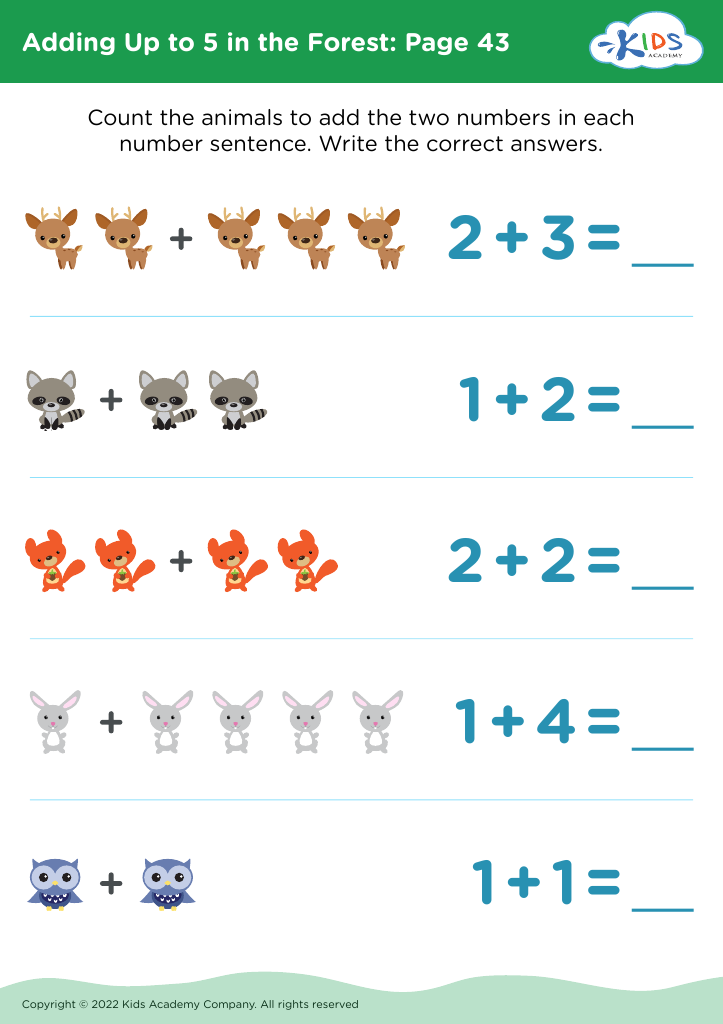
    Adding Up to 5 in the Forest: Page 43
    Adding Up to 5 in the Forest: Page 43
    Adding Up to 5 in the Forest: Page 43
    Worksheet
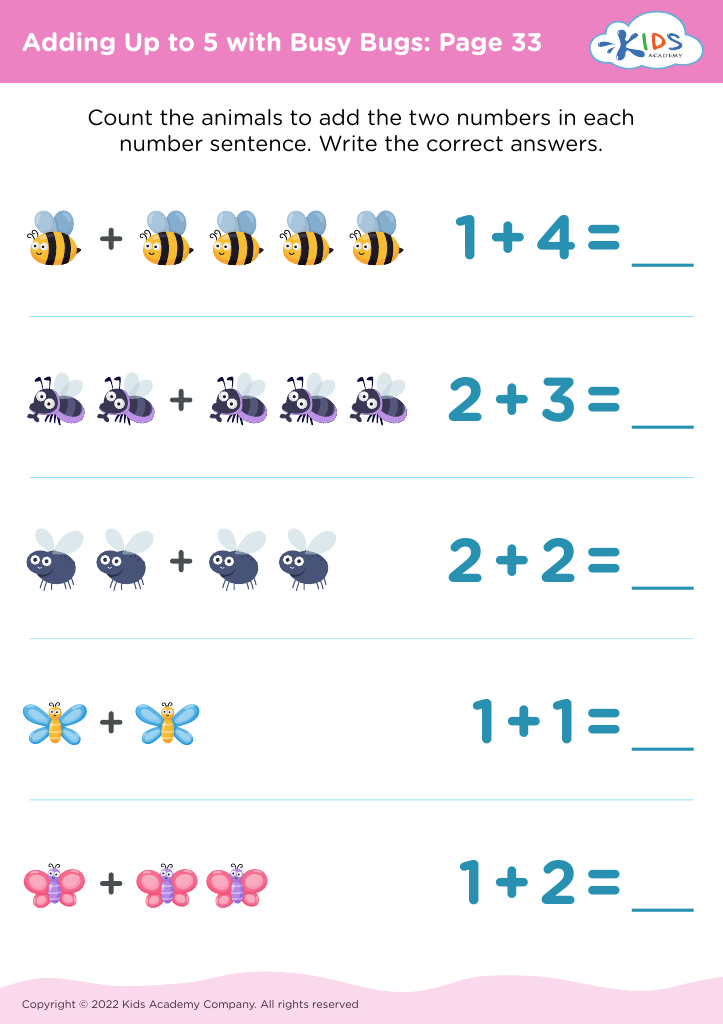
    Adding Up to 5 with Busy Bugs: Page 33
    Adding Up to 5 with Busy Bugs: Page 33
    Adding Up to 5 with Busy Bugs: Page 33
    Worksheet
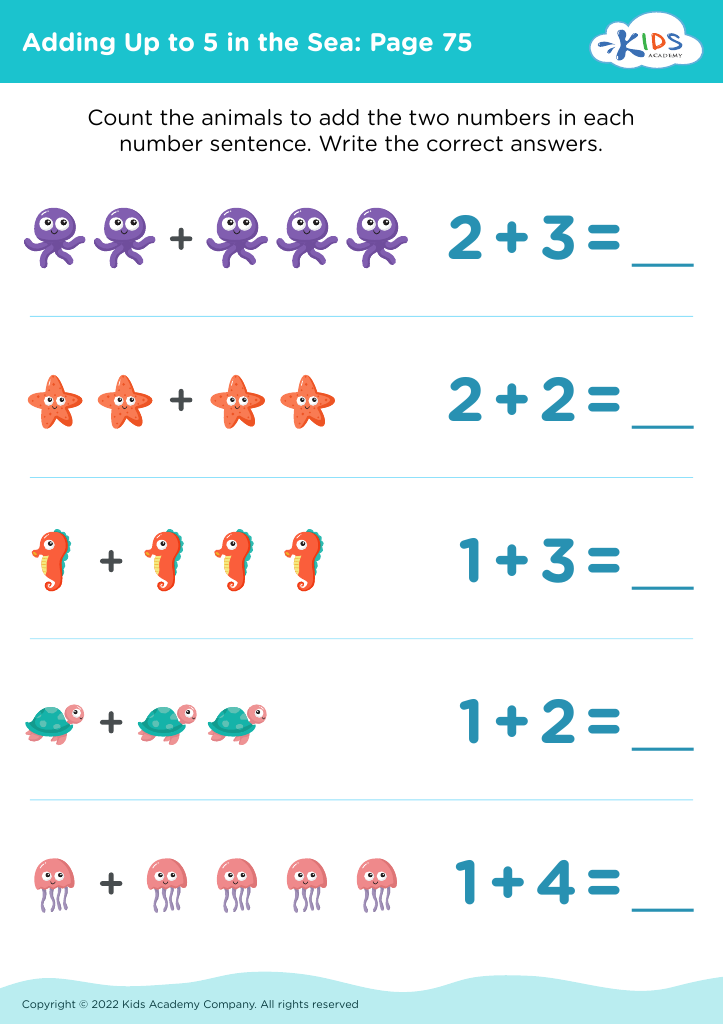
    Adding Up to 5 in the Sea: Page 75
    Adding Up to 5 in the Sea: Page 75
    Adding Up to 5 in the Sea: Page 75
    Worksheet
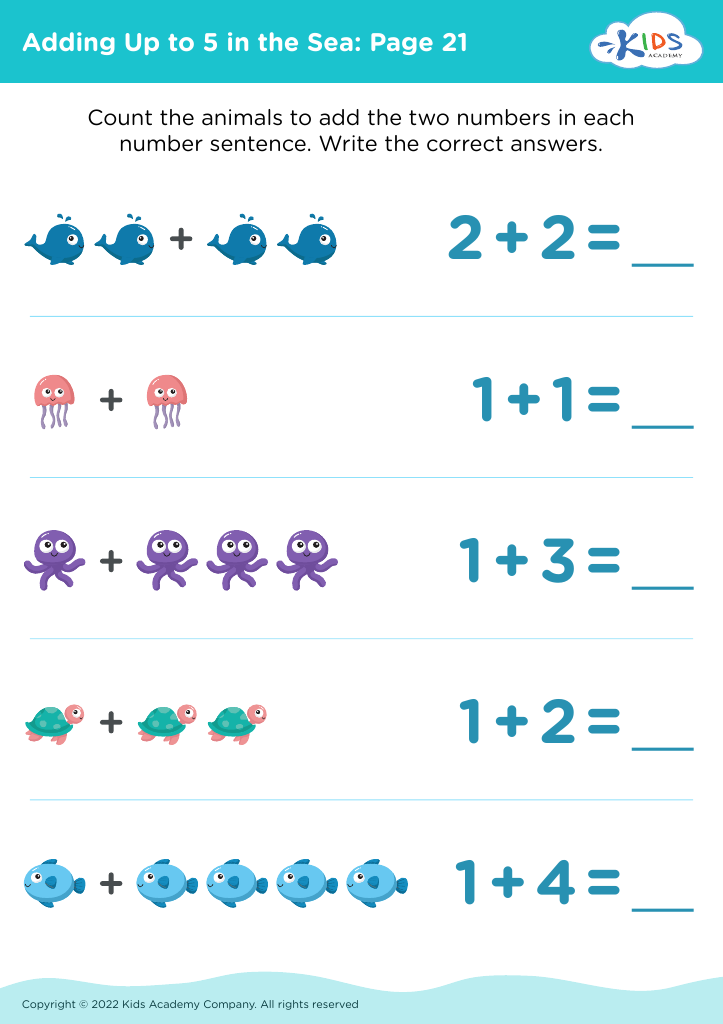
    Adding Up to 5 in the Sea: Page 21
    Adding Up to 5 in the Sea: Page 21
    Adding Up to 5 in the Sea: Page 21
    Worksheet
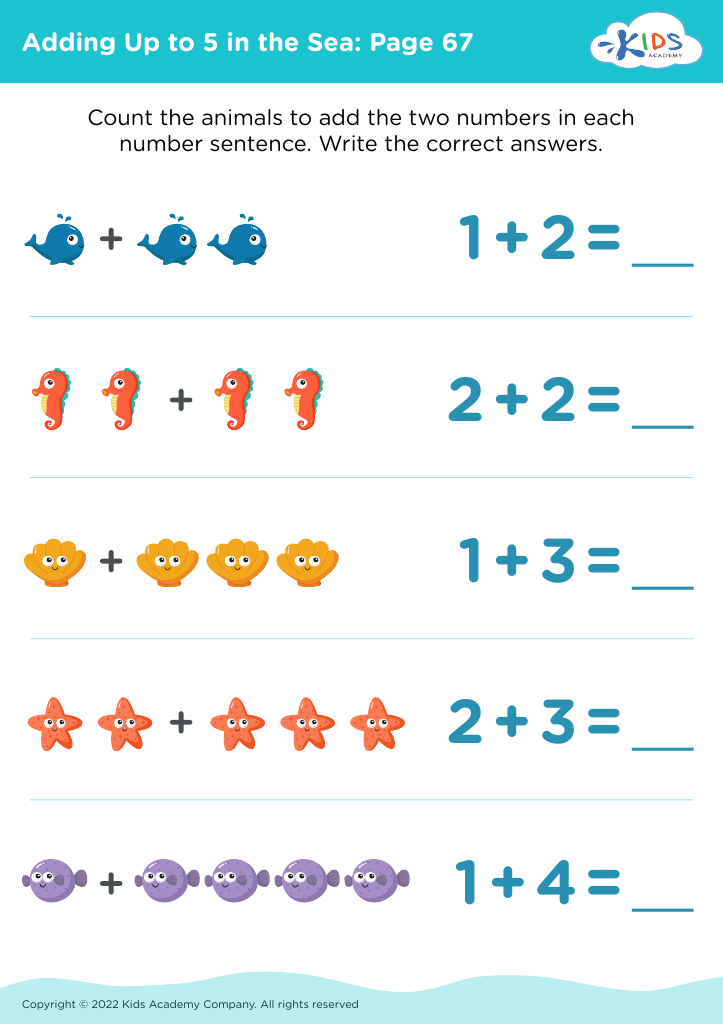
    Adding Up to 5 in the Sea: Page 67
    Adding Up to 5 in the Sea: Page 67
    Adding Up to 5 in the Sea: Page 67
    Worksheet
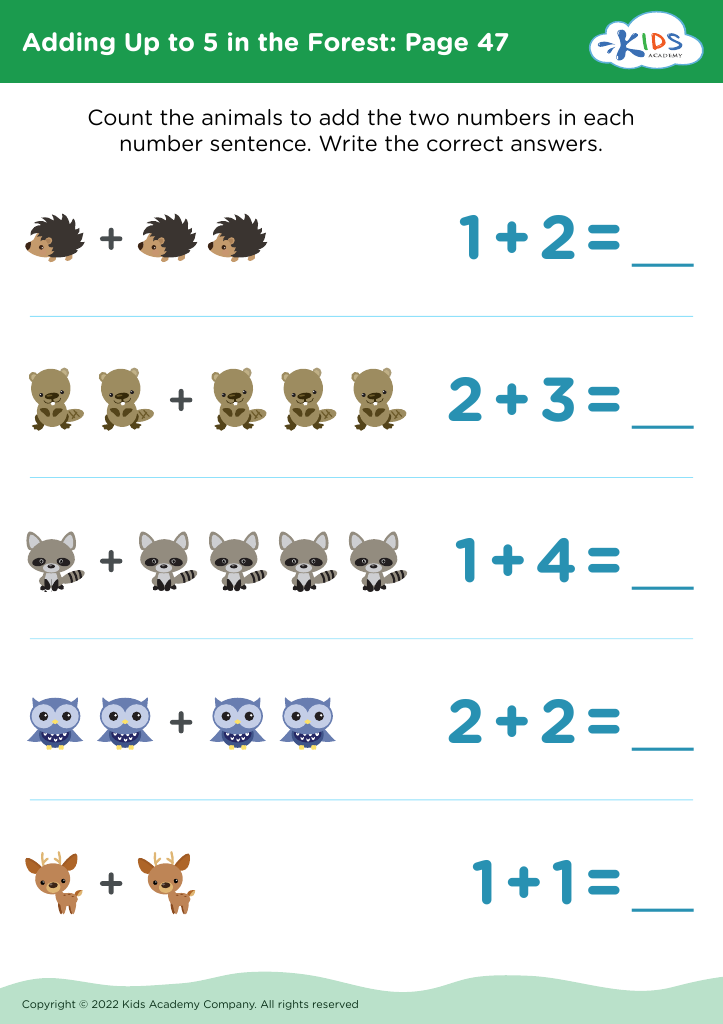
    Adding Up to 5 in the Forest: Page 47
    Adding Up to 5 in the Forest: Page 47
    Adding Up to 5 in the Forest: Page 47
    Worksheet
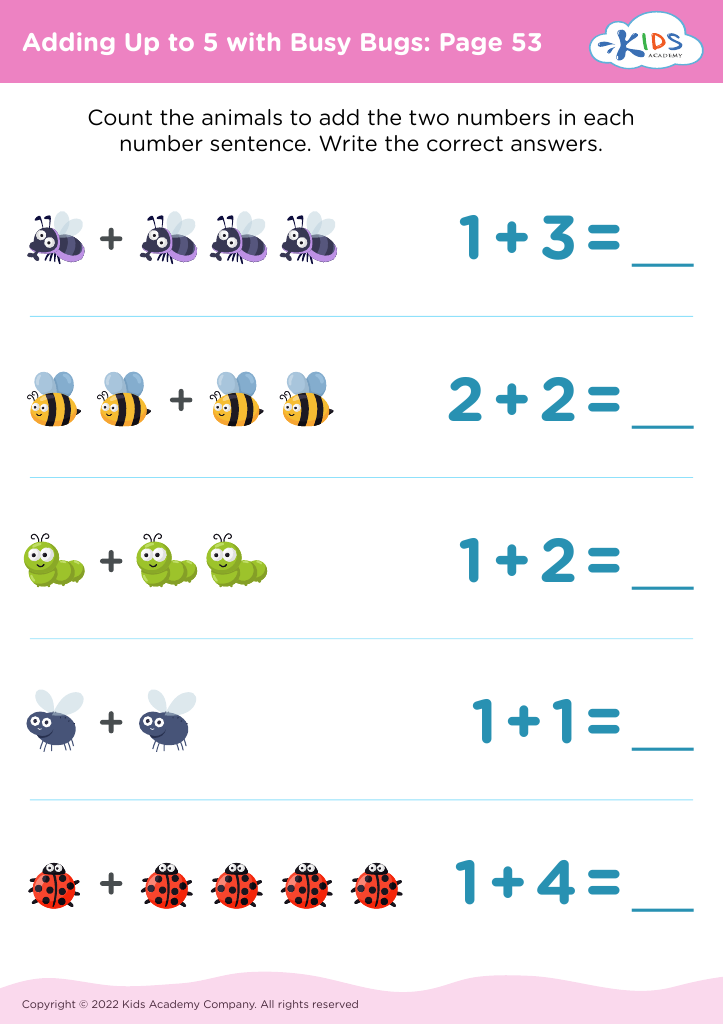
    Adding Up to 5 with Busy Bugs: Page 53
    Adding Up to 5 with Busy Bugs: Page 53
    Adding Up to 5 with Busy Bugs: Page 53
    Worksheet


    Number recognition and the ability to add up to 5 are fundamental skills that lay the groundwork for a child's mathematical understanding and overall cognitive development. For parents and teachers, fostering these skills in children aged 3-8 is crucial for several reasons.

    Firstly, strong number recognition allows children to recognize, understand, and apply numerical concepts in a range of contexts, leading to increased confidence in their abilities. This foundational skill not only assists in math but also enhances literacy and critical thinking as children learn to categorize and sequence information.

    Additionally, learning to add up to 5 introduces basic arithmetic, which is vital for future mathematical learning. Understanding how numbers combine fosters a sense of number sense—an intuition about numbers that serves as the building block for more complex mathematical concepts.

    Moreover, engaging children in early math activities promotes problem-solving skills and cognitive flexibility. When parents and teachers emphasize these skills, they create a nurturing environment conducive to exploration and learning, which can enhance academic performance later on.

    Ultimately, by prioritizing number recognition and simple addition, adults can significantly influence children's lifelong attitudes toward math, making it a fun and essential part of their education.