Understanding multiplication Adding up to 50 Misc Worksheets for Ages 3-8
3 filtered results
-
From - To
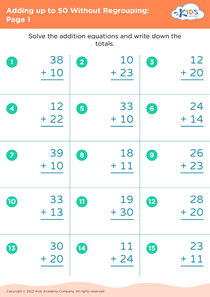
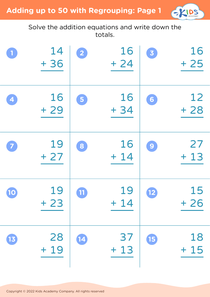
Welcome to our “Understanding Multiplication - Adding Up to 50 Misc Worksheets” page, designed specifically for children aged 3 to 8! These thoughtfully crafted worksheets aim to build foundational math skills by introducing multiplication concepts in a fun and engaging manner. Through colorful illustrations and age-appropriate exercises, young learners will explore the relationship between addition and multiplication, reinforcing their understanding of numbers up to 50. Perfect for both classroom activities and home practice, these resources help develop critical thinking and problem-solving skills. Let’s make learning multiplication enjoyable and effective—perfect for early mathematicians on their educational journey!
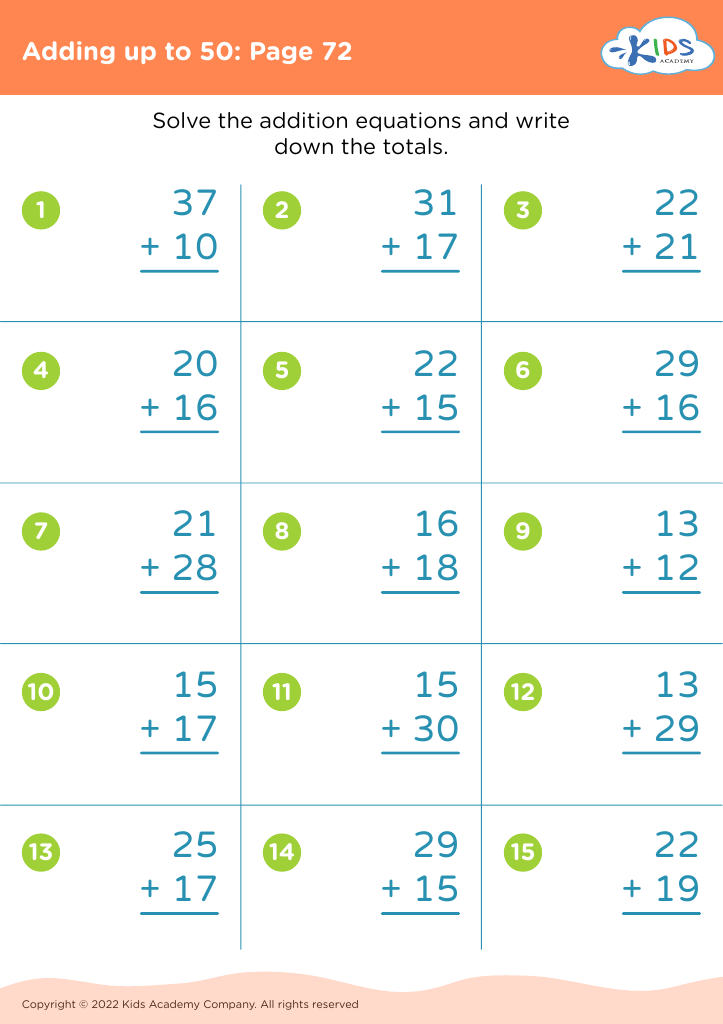
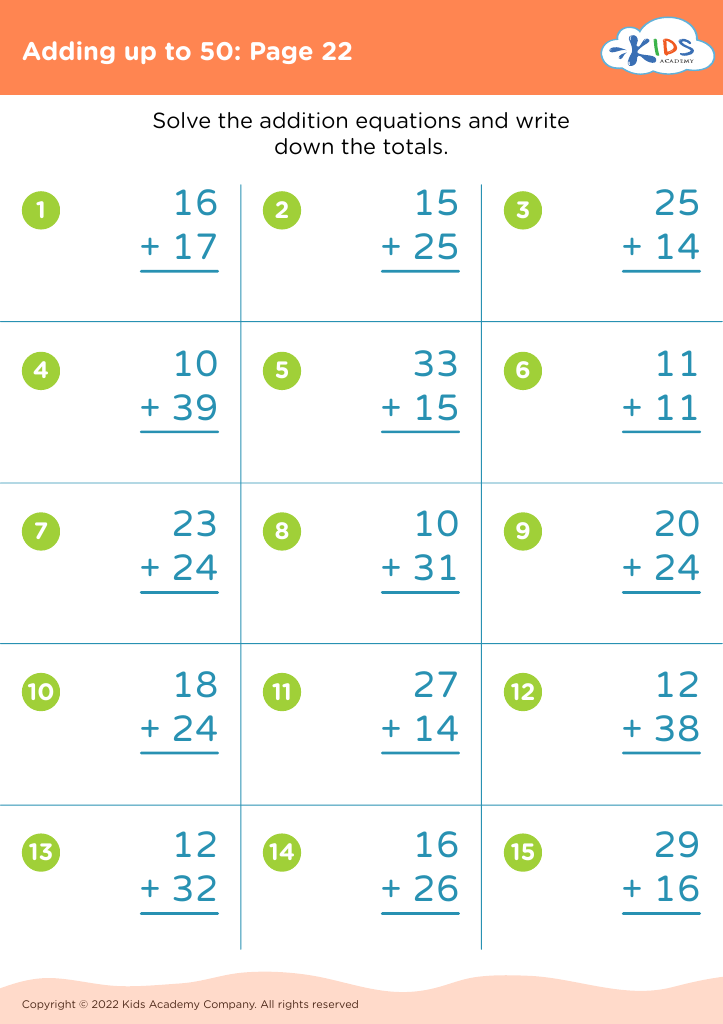
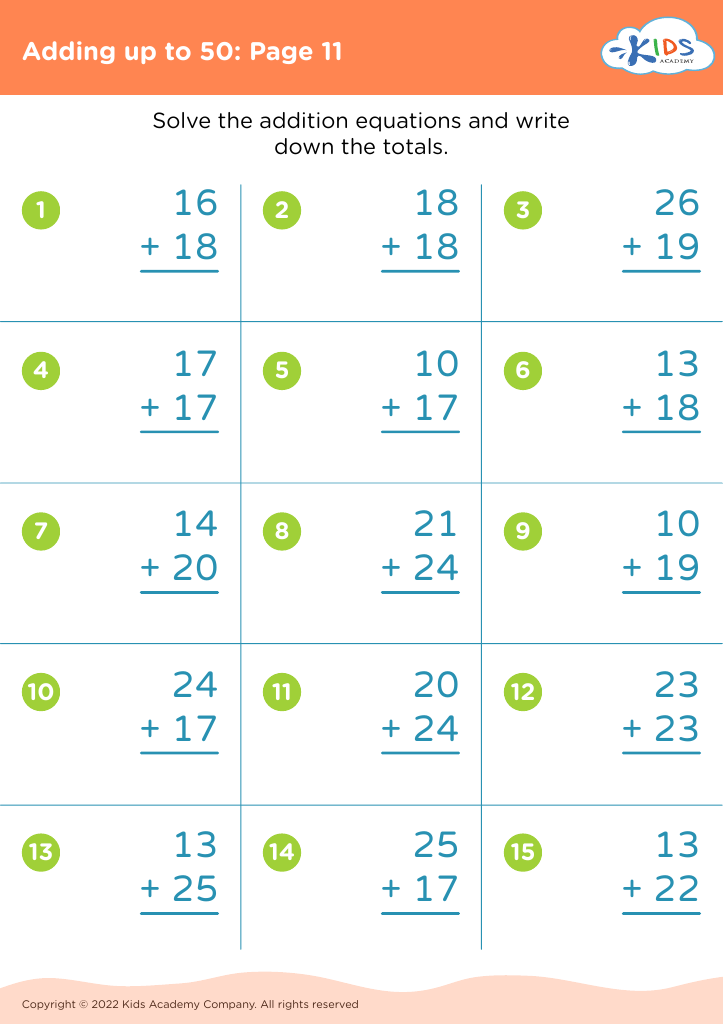


Understanding multiplication at an early age lays a strong foundation for a child’s mathematical development. For parents and teachers, introducing concepts like addition that culminate in understanding multiplication becomes crucial, especially for children aged 3-8.
From a developmental standpoint, this age group thrives on recognizing patterns, sequencing, and building logic skills. Introducing multiplication through activities that involve adding up to 50 aids in grasping the practical applications of math in everyday life. It encourages critical thinking, as children learn to see relationships between numbers and how they can be grouped and counted more efficiently.
Moreover, mastering these concepts early boosts children's confidence, as math becomes a subject they can feel successful and excited about. When teachers provide engaging, interactive lessons, children are more likely to develop a love for learning and mathematical thinking. Parents reiterate this at home through games and real-life applications.
Additionally, as educational standards become more rigorous and focused on problem-solving and analytical skills, mastering early multiplication and addition can offer a significant advantage. Thus, understanding these foundational concepts not only fosters academic success but also empowers children to develop their skills joyfully and confidently, ensuring they are well-prepared for future challenges.