Alphabet Recognition Addition & Subtraction Worksheets for Ages 3-8
4 filtered results
-
From - To
Boost your child's early learning with our engaging "Alphabet Recognition Addition & Subtraction Worksheets" tailored for ages 3-8. Combining fundamental math and literacy lessons, these worksheets offer a dynamic way to practice essential skills. Children not only improve their addition and subtraction abilities but also enhance their alphabet recognition, ensuring a well-rounded educational experience. With captivating and age-appropriate exercises, kids will find learning fun and interactive. Perfect for both classrooms and at-home practice, these worksheets are an invaluable tool for fostering early development in young learners. Set a strong foundation for your child’s educational journey today!
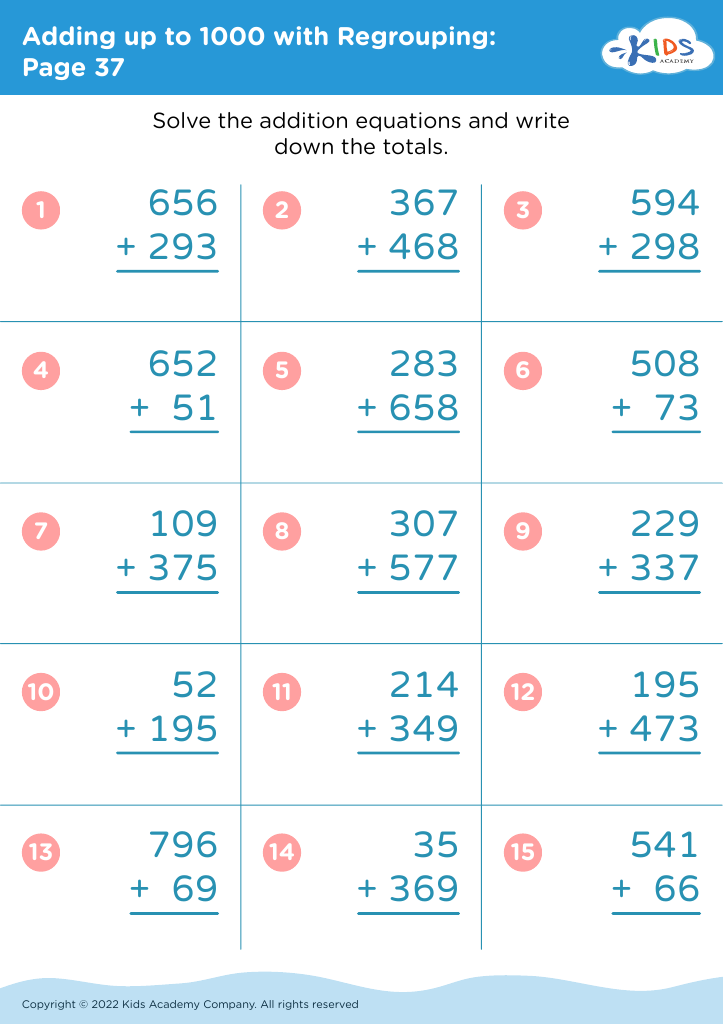
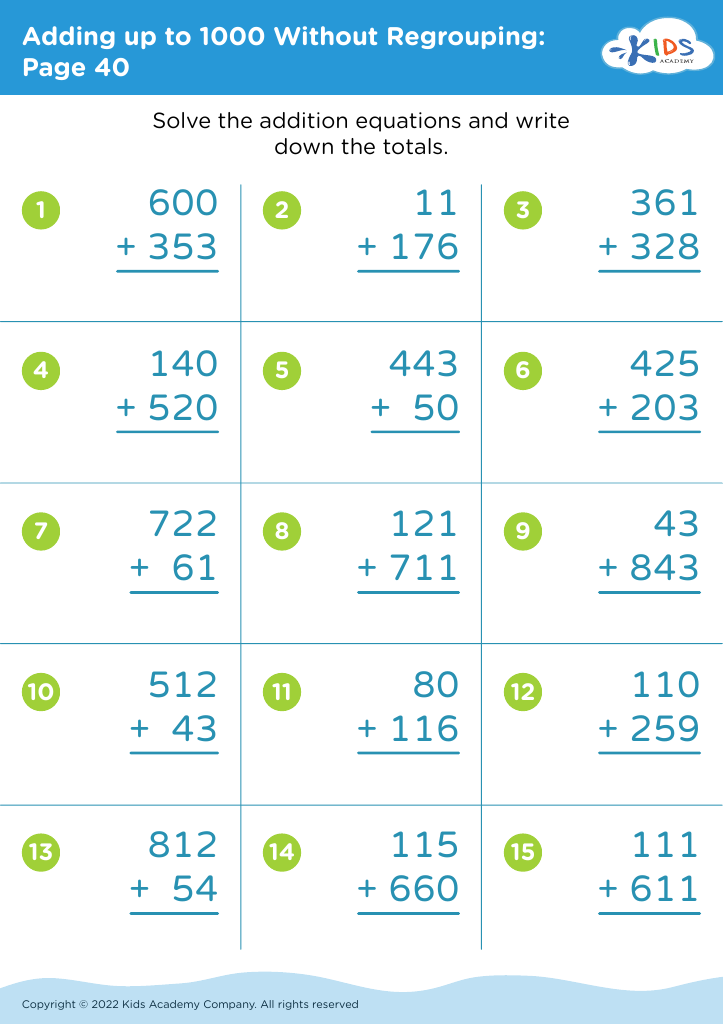
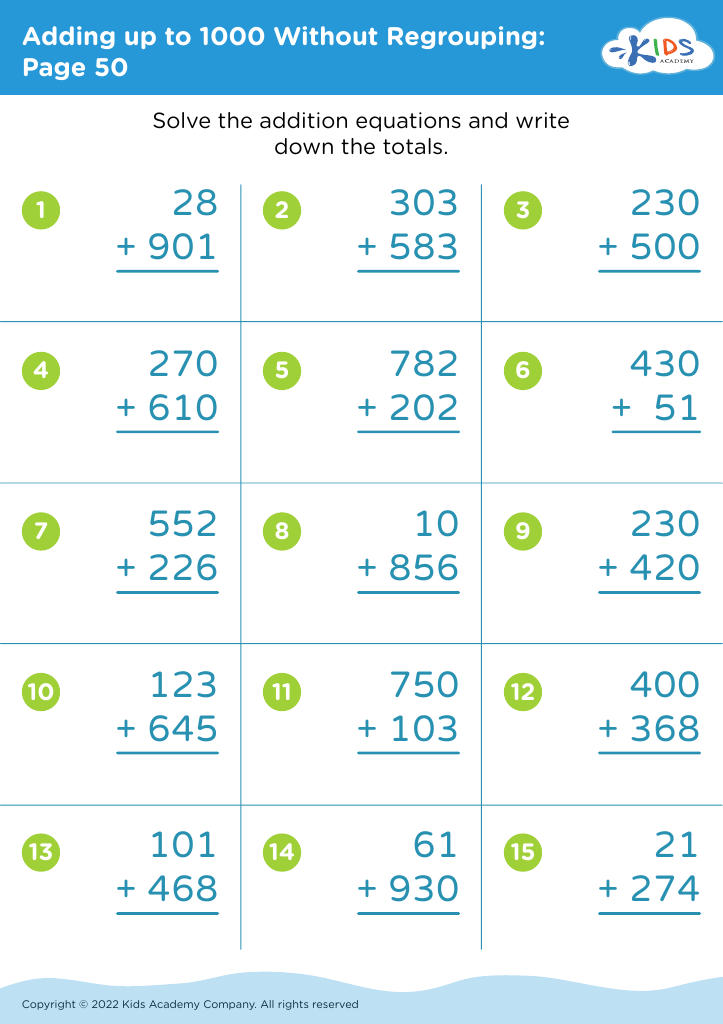
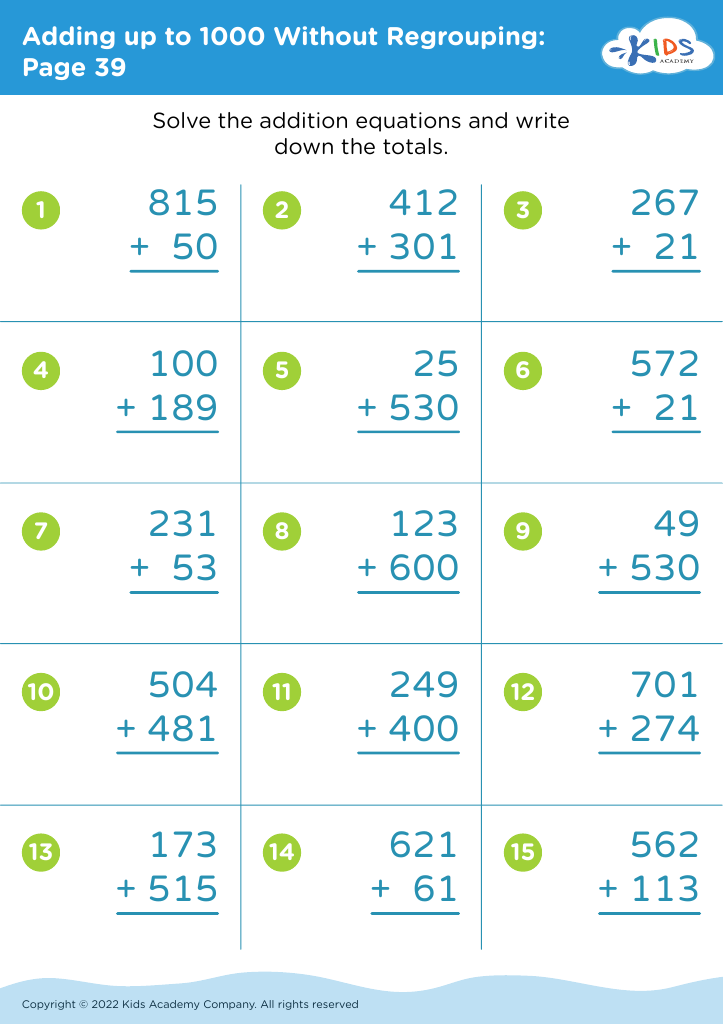








Parents and teachers should place significant emphasis on Alphabet Recognition, as well as Addition and Subtraction, for children aged 3-8 because these foundational skills are the building blocks for future academic success. Alphabet recognition is the first step toward literacy; it enables children to recognize letters, understand their sounds, and begin to form words. Children who are proficient in letter recognition are better prepared for reading and writing, skills essential for all future learning.
Simultaneously, a grasp of basic addition and subtraction lays the groundwork for numeracy. When young children understand these fundamental math operations, they develop critical thinking and problem-solving skills. These concepts are integrated into daily life—from counting objects to understanding more complex mathematical concepts later.
Incorporating these subject areas at an early age establishes a sense of confidence and competence in young learners. It sets them on a path of curiosity and exploration in both language and math. Engagement through interactive activities, games, and practical experiences makes learning enjoyable, which keeps children motivated.
Overall, early proficiency in alphabet recognition, addition, and subtraction develops a strong educational foundation, allowing children to grasp more advanced concepts with ease and cultivating lifelong learners.








