
Enhancing focus Addition & Subtraction Worksheets for Ages 3-8
4 filtered results
Difficulty Level
Grade
Age
-
From - To
Subject
Activity
Standards
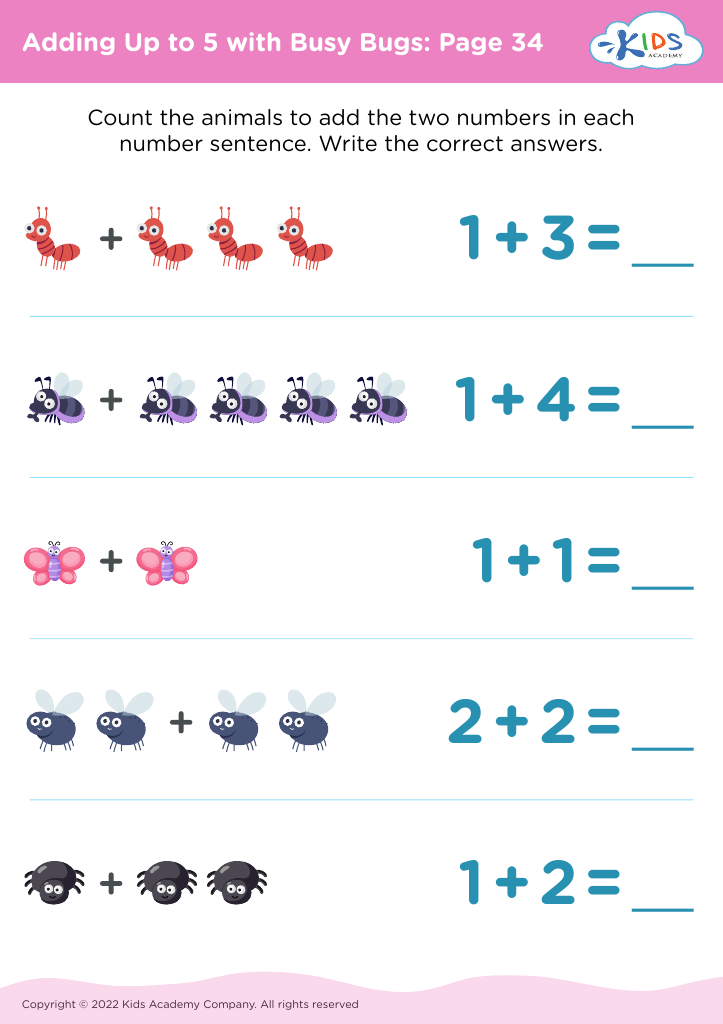
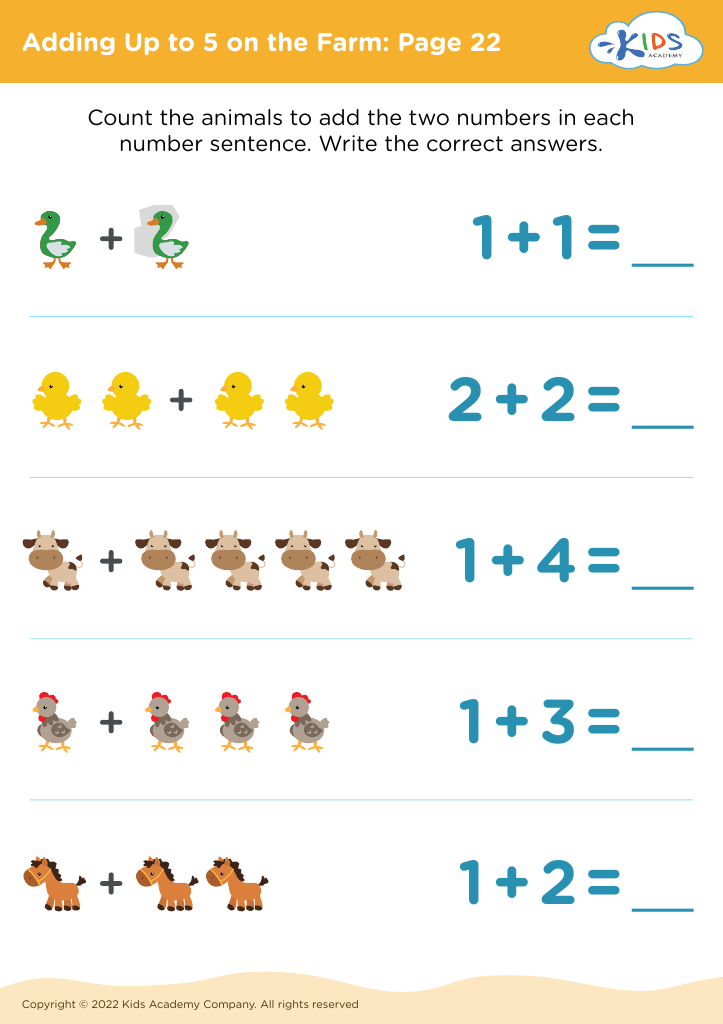
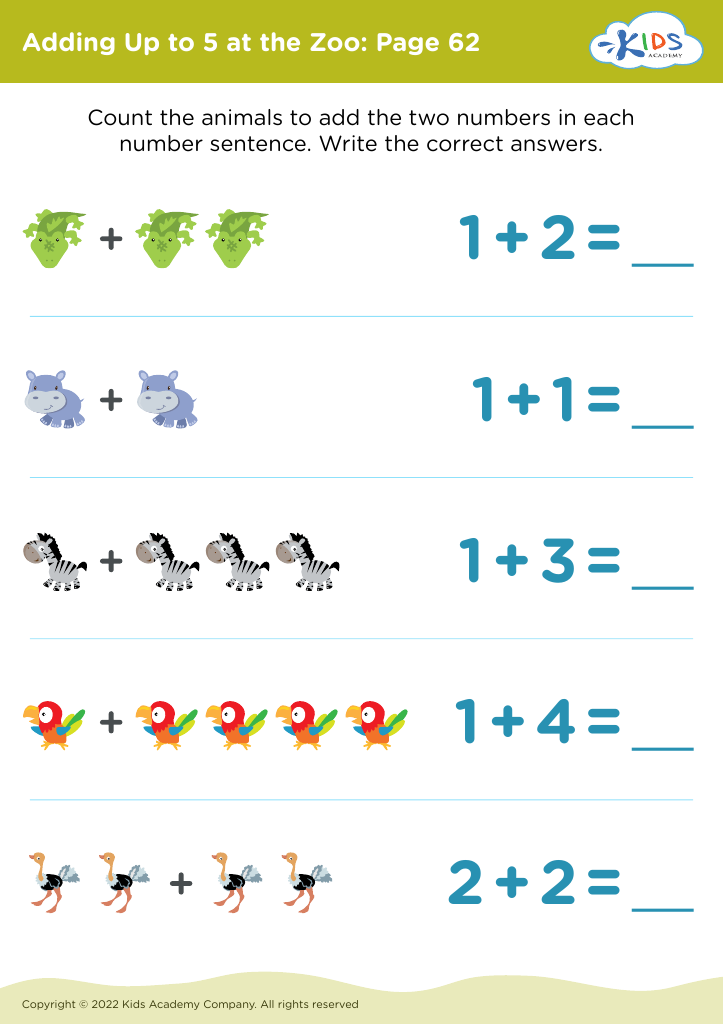
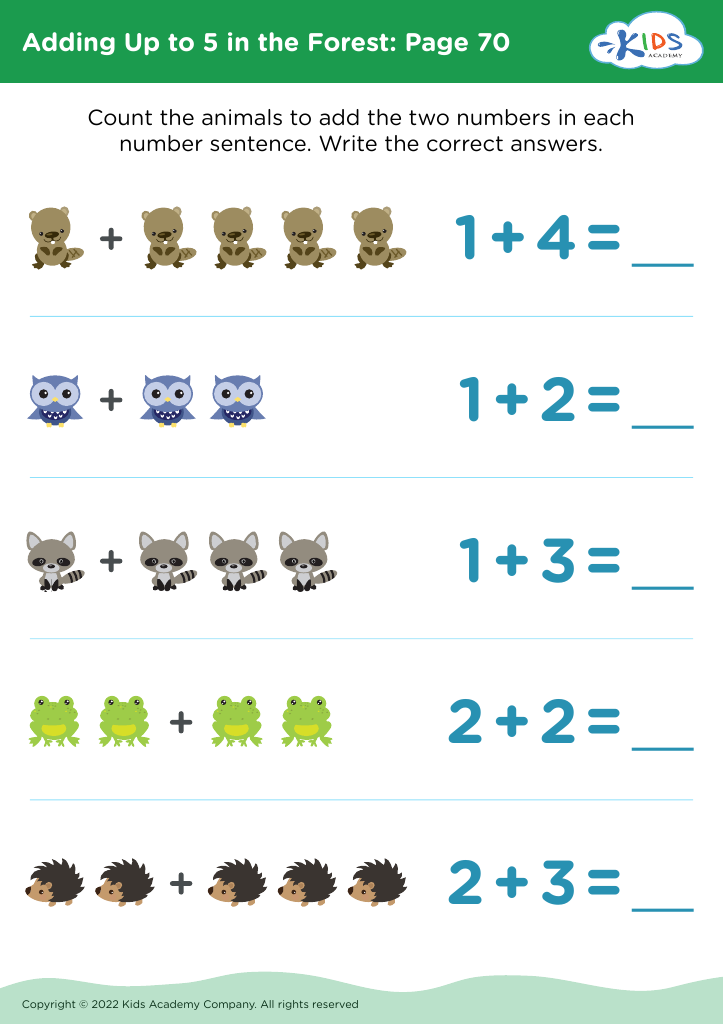
Enhance your child’s focus and math skills with our engaging Addition and Subtraction Worksheets, designed specifically for ages 3-8! These interactive resources are perfect for early learners, offering a playful approach to mastering fundamental math concepts. The worksheets are crafted to improve concentration and cognitive abilities while ensuring that learning remains fun and enjoyable. Each activity encourages practice in adding and subtracting through vibrant illustrations and relatable scenarios. Parents and educators can easily implement these worksheets in home or classroom settings, fostering a solid foundation for future math success. Explore our collection today and watch your child’s confidence grow!
Favorites
With answer key
Interactive
Join Kids Academy for Free
Who is primarily going to use this learning content?








Enhancing focus on addition and subtraction for children aged 3-8 is crucial for several reasons. Firstly, the early years form the foundation for future mathematical understanding. Mastering these basic arithmetic operations helps children develop critical thinking and problem-solving skills. When children focus on these concepts, they are more likely to grasp more complex mathematical ideas later on, including multiplication and division, which builds a strong base for their academic success.
Moreover, learning addition and subtraction enhances a child’s cognitive development. It encourages logical reasoning, pattern recognition, and memory retention. When children learn to solve simple math problems, they are simultaneously practicing essential concentration and focus skills, which are necessary for their overall cognitive growth and attention span.
In addition, developing these skills can boost a child's confidence and self-esteem. When children master basic operations, they experience a sense of achievement, which motivates them to tackle more challenging tasks. Encouraging an environment that prioritizes these foundational skills not only prepares children for school but also equips them with critical life skills, such as budgeting and managing resources.
Ultimately, fostering focus in addition and subtraction lays a pathway for lifelong learning and success in mathematics and beyond. Parents and teachers play a pivotal role in nurturing these essential skills.








