Identifying equivalent fractions Addition & Subtraction Worksheets for Ages 3-8
7 filtered results
-
From - To
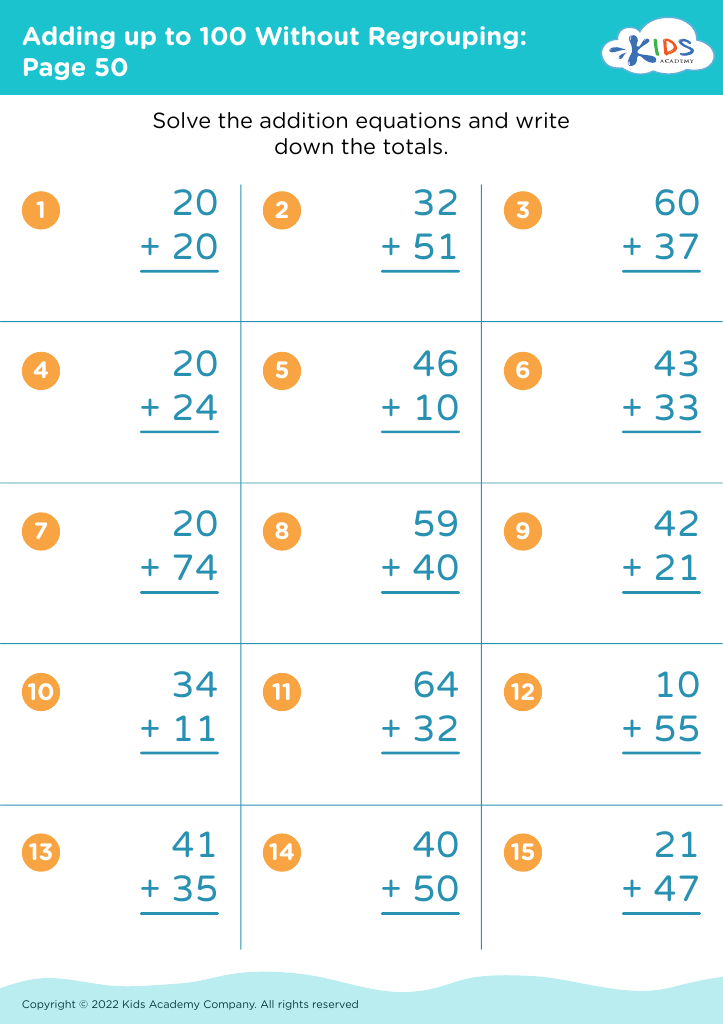
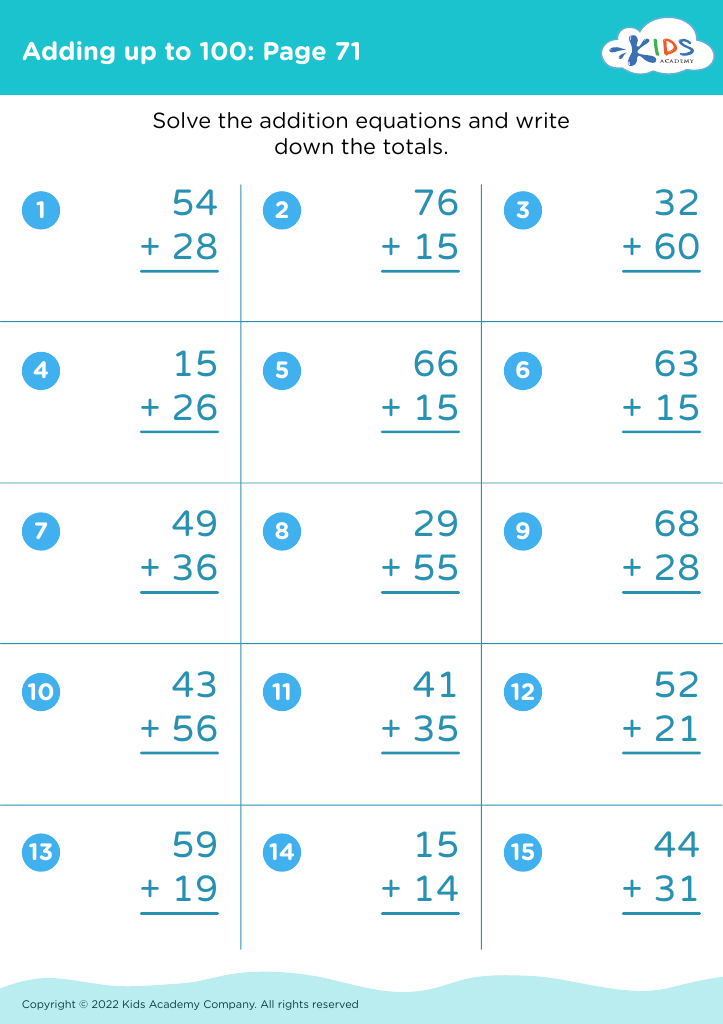
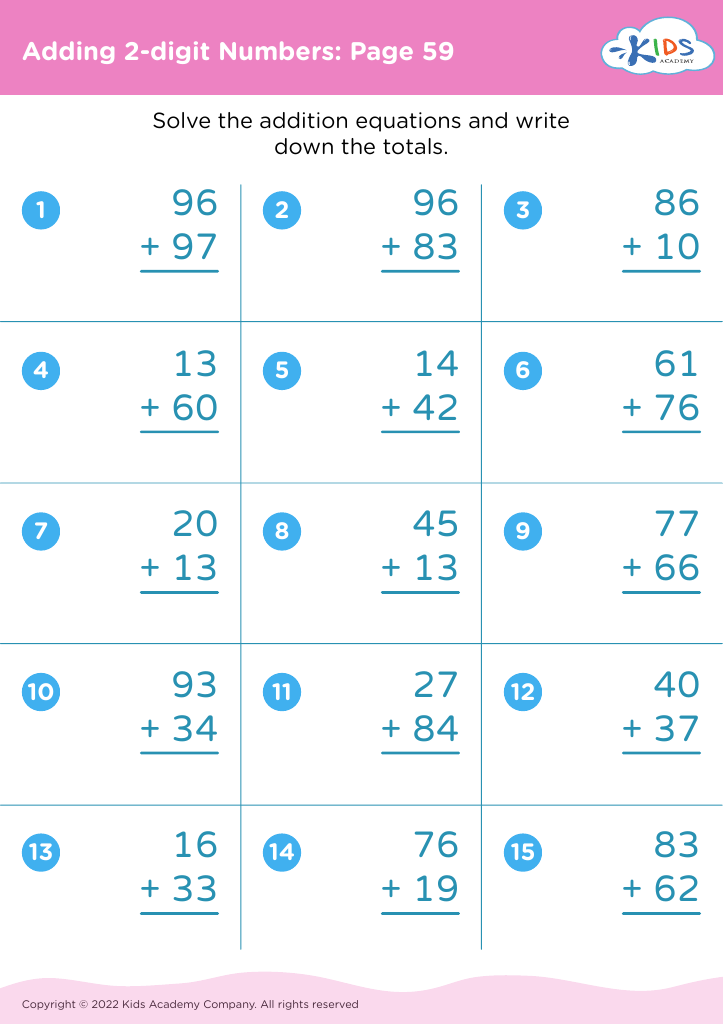
Welcome to our engaging "Identifying Equivalent Fractions Addition & Subtraction Worksheets" tailored for children ages 3-8! These interactive worksheets are designed to make learning fractions fun and accessible. Young learners will explore the concept of equivalent fractions through colorful visuals and hands-on activities. With a variety of exercises, they will practice adding and subtracting fractions, enhancing their mathematical skills while gaining confidence. Our resources foster critical thinking and problem-solving abilities in a playful way. Ideal for both teachers and parents, these worksheets serve as a perfect supplement to early math education. Dive into the world of fractions and watch your child excel!








Identifying equivalent fractions is a fundamental mathematical concept that lays the foundation for understanding more complex mathematical ideas. For children aged 3-8, recognizing and working with equivalent fractions fosters critical thinking skills, enhances number sense, and encourages a deeper understanding of part-whole relationships. Parents and teachers should care about this because it helps young learners build confidence in their abilities to manipulate numbers and solve problems.
Additionally, teaching equivalent fractions through addition and subtraction helps children grasp how to combine and compare different parts effectively. This skill is crucial for later topics like fractions in measurements, probability, and ratios. Engaging with these concepts early allows children to see math as not just an isolated subject but as a valuable tool applicable to everyday life—cheerfully reinforcing fractions when slicing a pizza or dividing a chocolate bar, for example.
Moreover, developing a strong foundation in equivalent fractions supports a student's overall academic trajectory. By nurturing these skills at an early age, parents and teachers prepare children for future success in math-intensive fields, equipping them with the resilience and strategies needed to tackle more complicated concepts as they progress in their education. This long-term investment in their learning can inspire a lifelong appreciation for math.








