Introduction to mathematics Addition & Subtraction Worksheets for Ages 3-8
3 filtered results
-
From - To
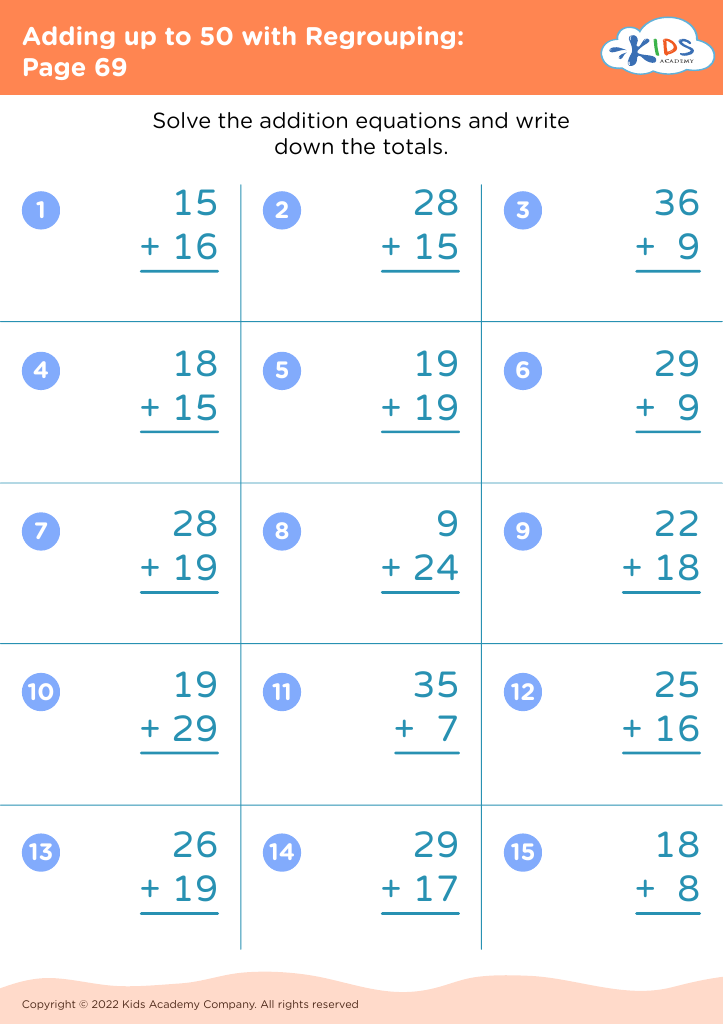
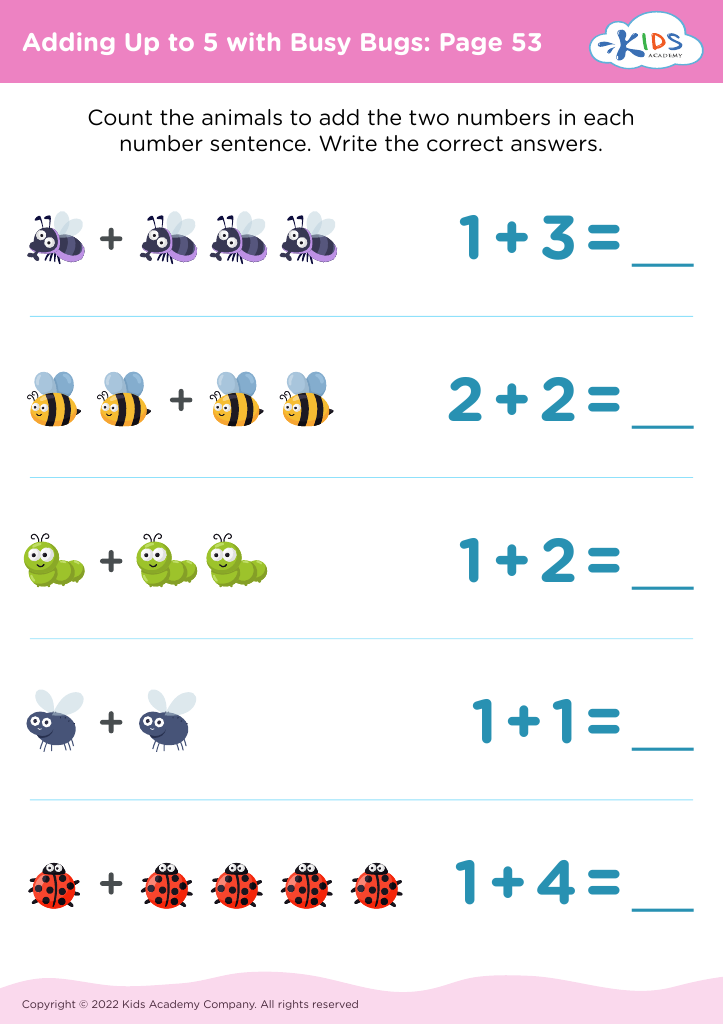
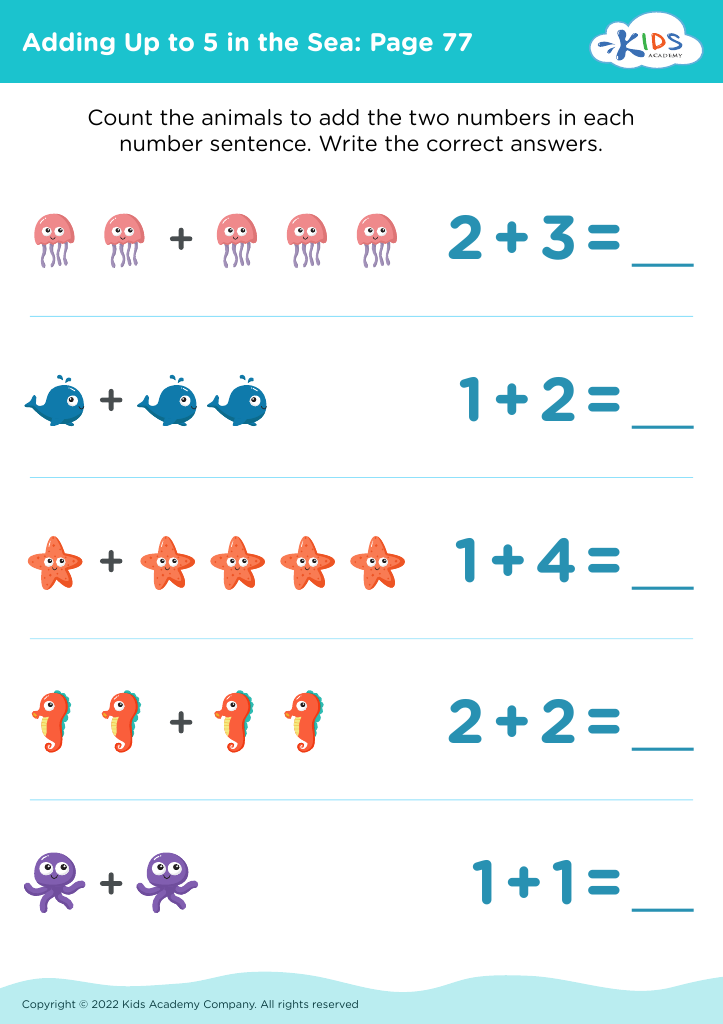
Welcome to our "Introduction to Mathematics: Addition & Subtraction Worksheets" for children aged 3-8! These engaging worksheets are designed to build a solid foundation in basic math skills, making learning fun and interactive. Ideal for preschoolers and early elementary students, our resources promote the understanding of addition and subtraction through colorful visuals and relatable themes. Each worksheet encourages hands-on practice, helping children develop number recognition, counting skills, and problem-solving abilities. Perfect for home or classroom use, these activities spark curiosity and foster a love for math. Start your child's mathematical journey with our thoughtfully crafted printable worksheets today!








Understanding the foundational concepts of addition and subtraction is crucial for children aged 3-8, as these early math skills form the building blocks for a child's overall cognitive development. Parents and teachers should prioritize this introduction for several reasons.
Firstly, early exposure to math concepts encourages a natural curiosity about numbers and their relationships. When children grasp addition and subtraction, they cultivate problem-solving skills that are essential not only in mathematics but across various subjects. Furthermore, these skills help enhance critical thinking abilities, enabling children to approach tasks methodically.
Secondly, mastering basic arithmetic boosts confidence in children. By successfully navigating simple math problems, children develop a positive attitude toward learning, fostering a lifelong love for education. When parents and teachers engage in fun, interactive ways to teach these concepts, such as through games, stories, or hands-on activities, it also creates a supportive environment that makes learning enjoyable.
Lastly, understanding addition and subtraction is vital for everyday life. Mastering these skills helps children relate to their surroundings, whether it’s managing money, telling time, or measuring items. Therefore, investing time in teaching these fundamental math concepts sets the stage for academic success and real-world application.








