Recognizing equivalent fractions Addition & Subtraction Worksheets for Ages 3-8
5 filtered results
-
From - To
Explore our engaging "Recognizing Equivalent Fractions Addition & Subtraction Worksheets" designed for children ages 3-8! These interactive worksheets make learning fractions fun and approachable, helping young learners identify and understand equivalent fractions. With carefully crafted exercises, kids can practice addition and subtraction of fractions in a playful way. Perfect for reinforcing math skills at home or in the classroom, our resources encourage critical thinking and problem-solving. Each worksheet is colorful and age-appropriate, ensuring an enjoyable learning experience. Enhance your child's math journey today with our curriculum-aligned materials that promote fraction mastery and build a strong foundation for future learning!
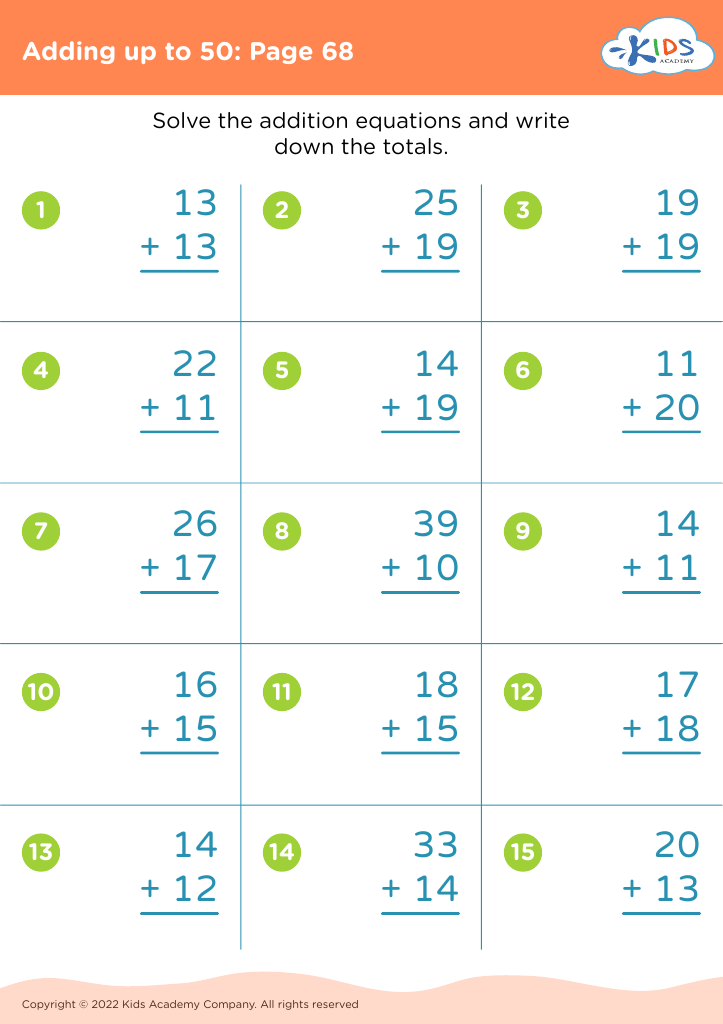
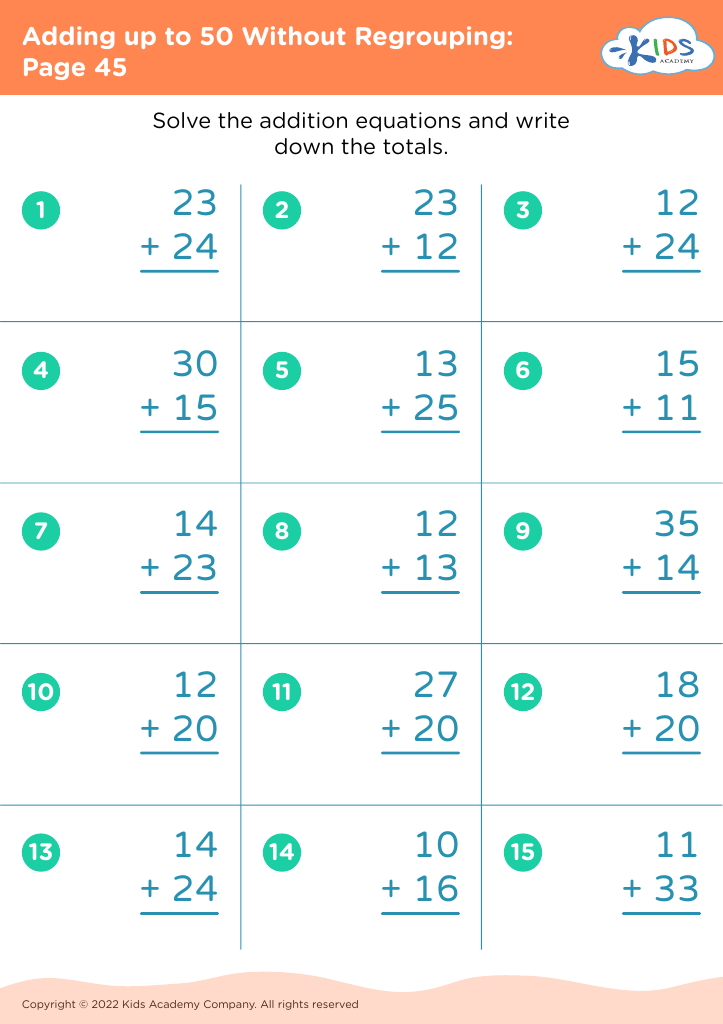
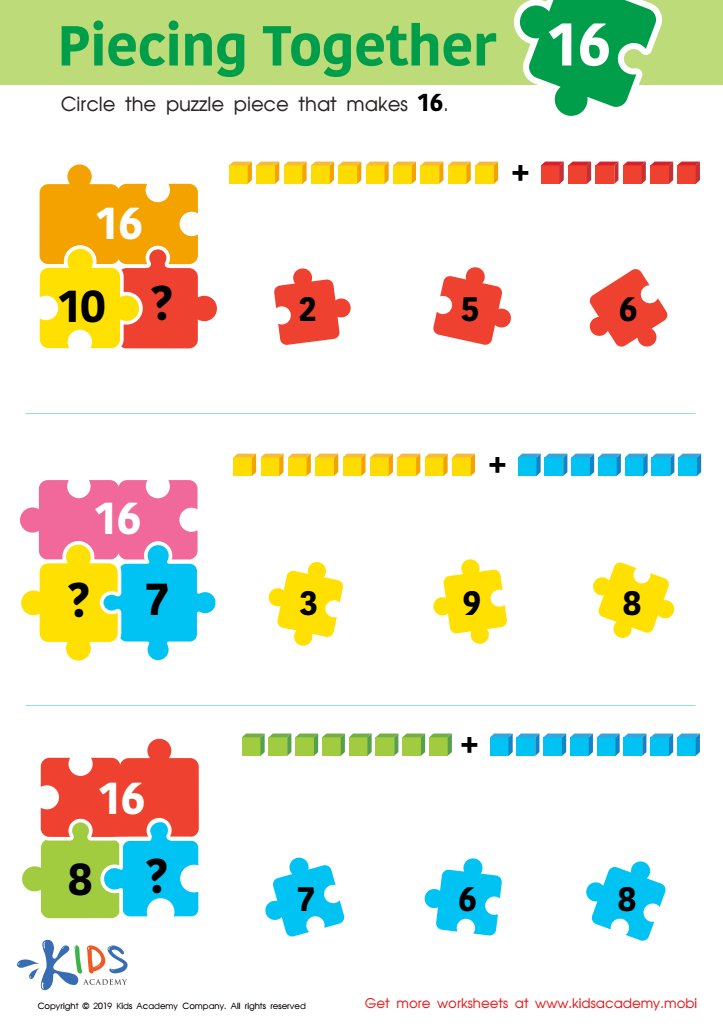
Piecing Together 16 Worksheet
 Assign to My Students
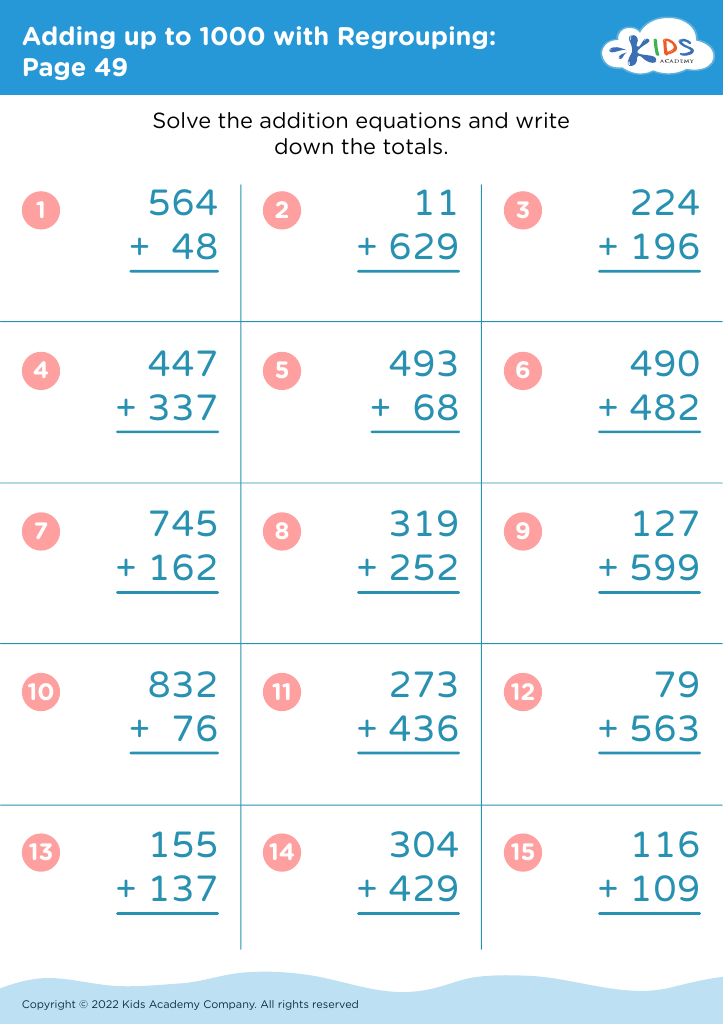
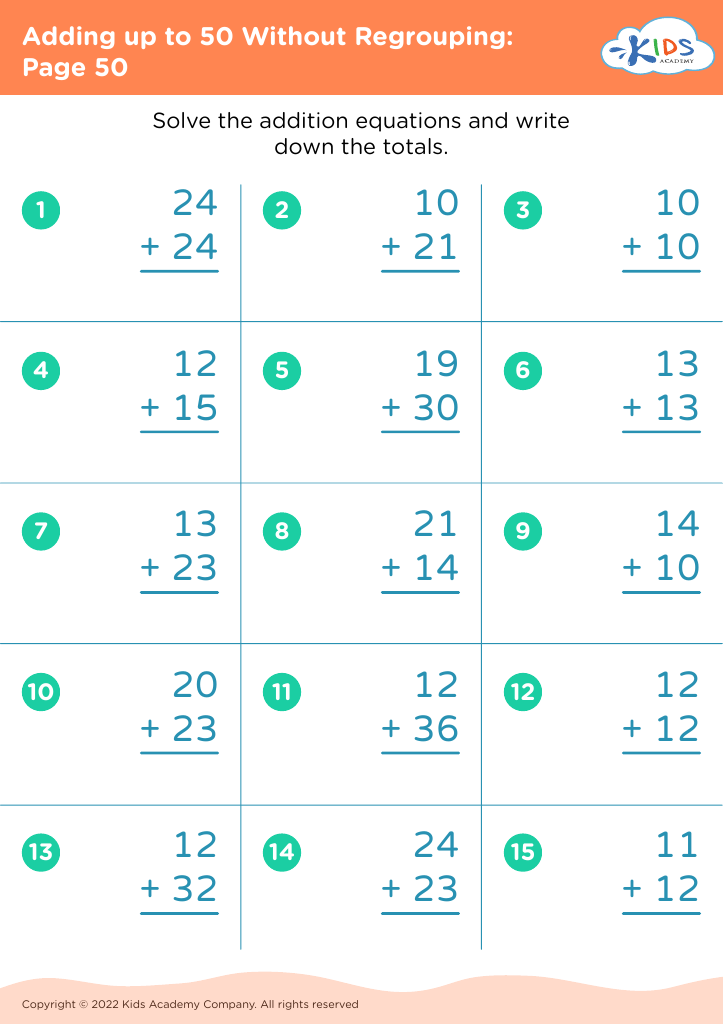








Recognizing equivalent fractions and understanding addition and subtraction of those fractions are foundational skills for young learners aged 3-8. Parents and teachers should care about this topic because it lays the groundwork for mathematical fluency and critical thinking. Early exposure to equivalent fractions helps children recognize that different representations can represent the same value, an important concept as they advance in their math education.
Moreover, grasping how to add and subtract fractions reinforces problem-solving skills. As students learn to identify equivalent fractions, they gain confidence in handling more complex fraction operations later. This insight not only enhances their arithmetic skills but also aids in developing a deeper understanding of ratios and proportions.
Incorporating equivalent fractions in early math education fosters interest and promotes a growth mindset. If approached in fun and engaging ways, it builds enthusiasm for learning and can alleviate math anxiety.
Additionally, as families and educators work together to support children in mastering these concepts, it promotes a collaborative learning environment, nurturing communication and understanding around mathematical ideas. Ultimately, recognizing and operating with equivalent fractions equips children with essential tools for success in their future academic endeavors and everyday life challenges.








