Developing problem-solving abilities Addition Worksheets for Ages 3-8
4 filtered results
-
From - To
Discover our engaging selection of Addition Worksheets specifically designed for children aged 3-8 to help develop their problem-solving abilities. Through a variety of fun and educational activities, kids will learn to recognize patterns, enhance their arithmetic skills, and build a strong mathematical foundation. These printable worksheets, crafted by educators, ignite curiosity, and make learning enjoyable. Perfect for both classroom and home use, our worksheets cater to different proficiency levels, ensuring each child gains confidence in their abilities. Promote critical thinking and bolster your child’s academic journey with our tailored resources at Kids Academy.
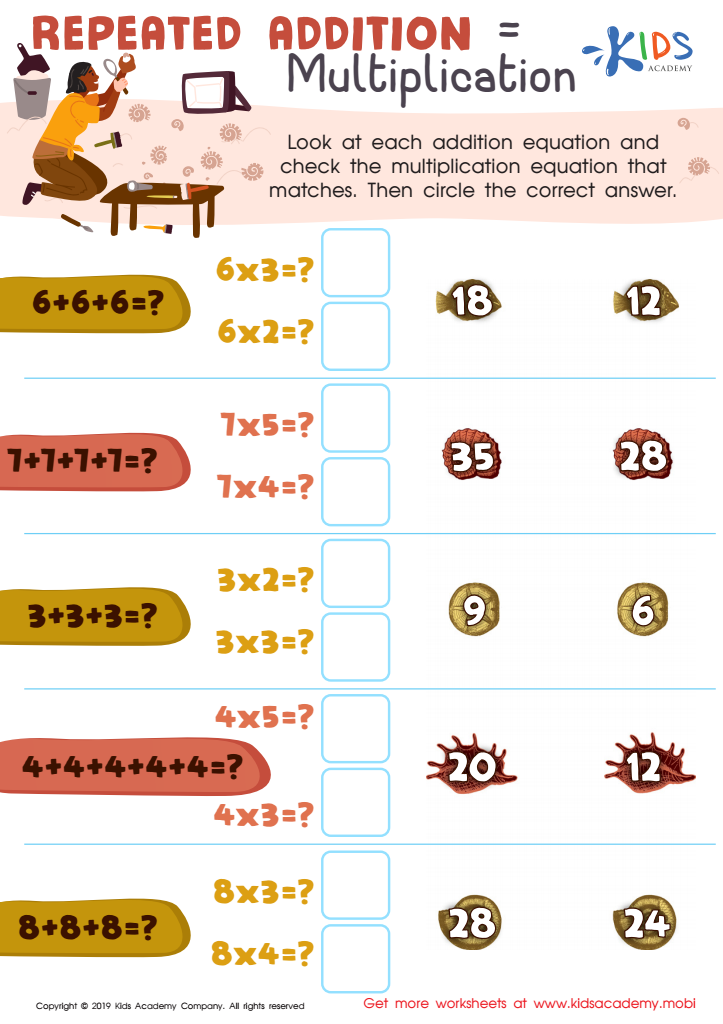
Repeated Addition = Multiplication Worksheet
 Assign to My Students
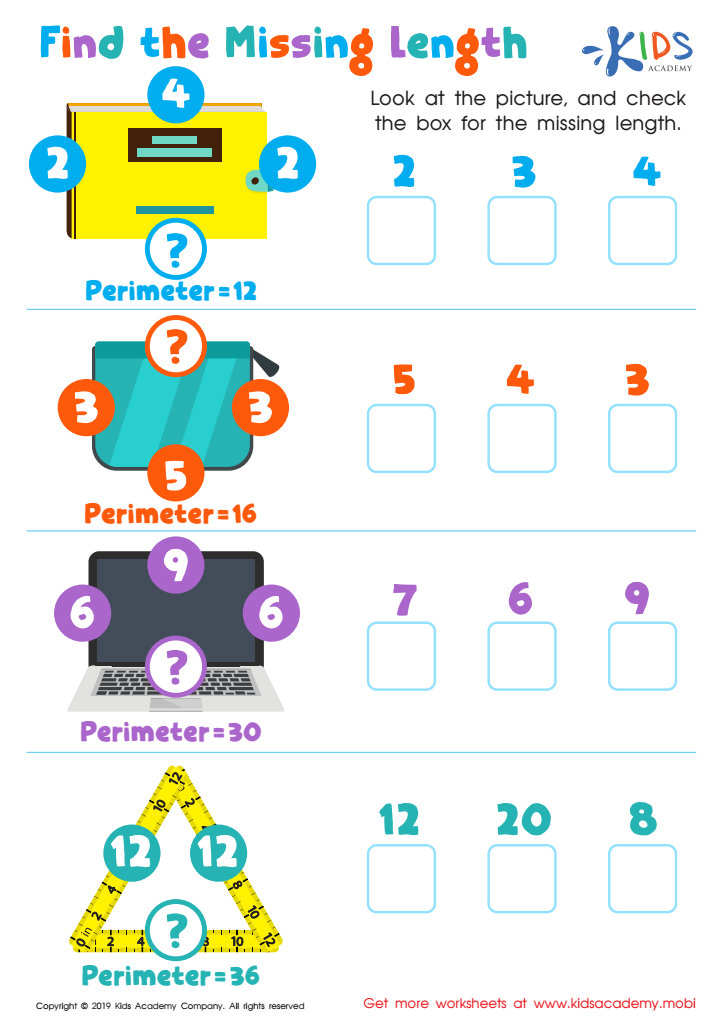
Find the Missing Length Worksheet






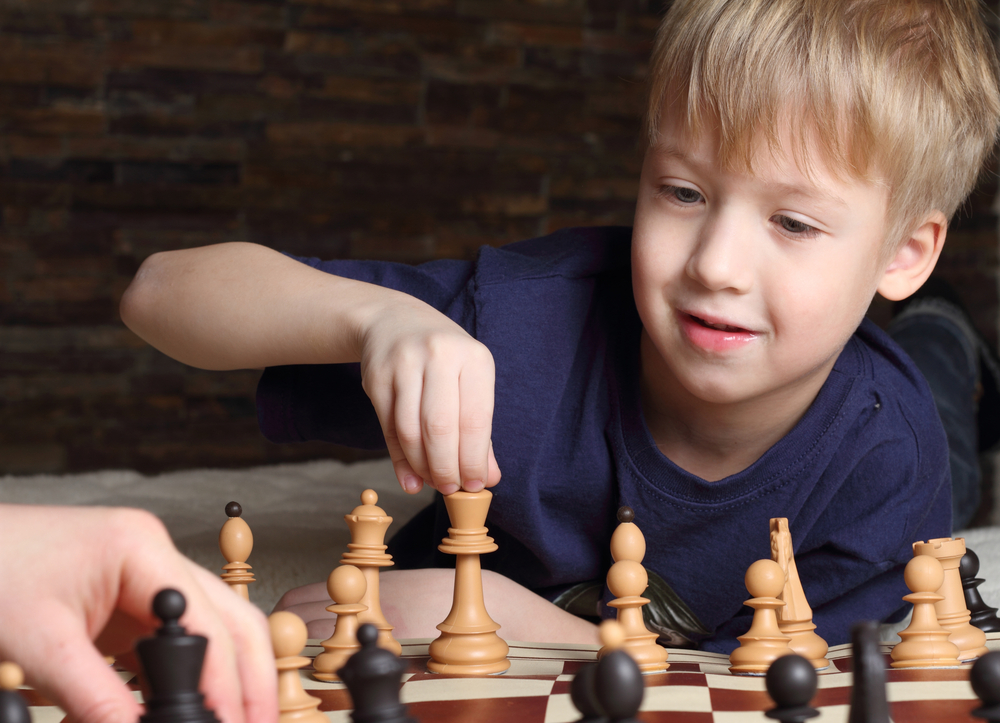

Developing problem-solving abilities in young children, especially within the realm of addition, is vital for several reasons. For starters, early mathematical skills serve as foundational elements for future academic success and everyday life applications. Fostering these skills between the ages of 3-8 takes advantage of the brain's incredible plasticity, where children are particularly receptive to learning fundamental concepts.
Real-world problem-solving teaches critical thinking and enhances cognitive development. By understanding and applying addition, children begin to grasp logical thinking, sequence, and the relationships between numbers. These skills transcend mathematics, nurturing overall cognitive growth, and are imperative in various aspects of life.
Additionally, developing this skill set at a young age plays a crucial role in building self-confidence. Successfully solving addition problems brings a sense of achievement and encourages a positive attitude towards learning new challenges later in life. It also helps cultivate persistence and resilience as children learn to approach and overcome difficulties.
Moreover, collaborative problem-solving exercises in group settings can significantly enhance social skills, like communication and teamwork, by engaging with peers and educators. Such interactions provide opportunities for learning through observation, mimicry, and constructive feedback.
In summary, prioritizing the development of problem-solving abilities in addition equips children with essential life skills, fosters emotional and social development, and lays the groundwork for academic achievement and lifelong learning.








