
Fine motor skills (drawing lines) Addition Worksheets for Ages 3-8
3 filtered results
Difficulty Level
Grade
Age
-
From - To
Subject
Activity
Standards
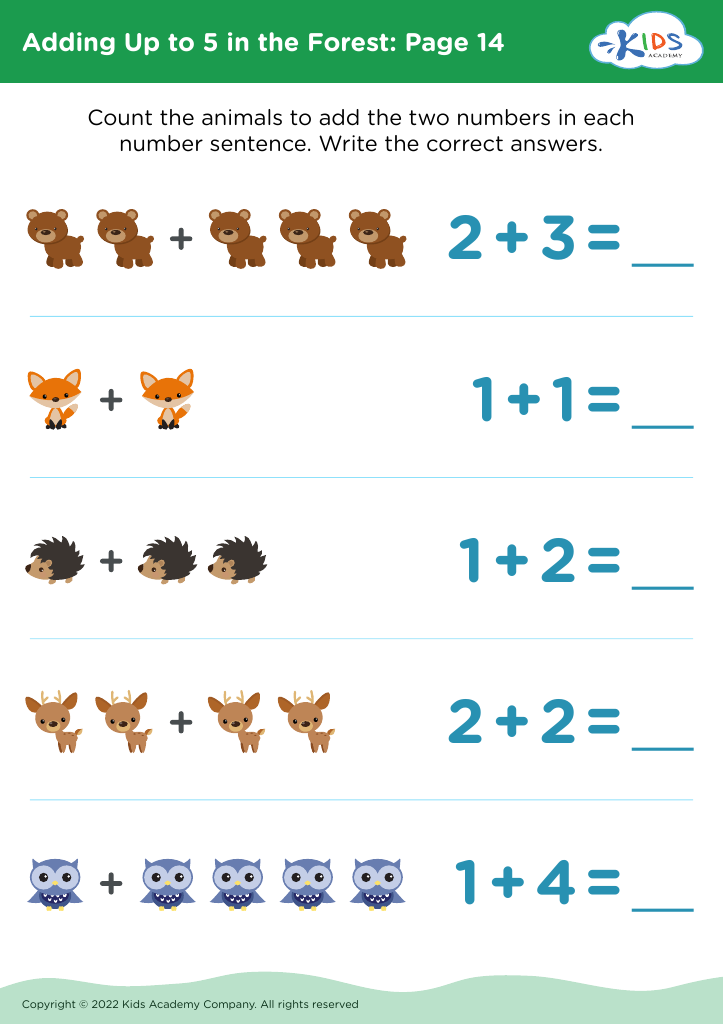
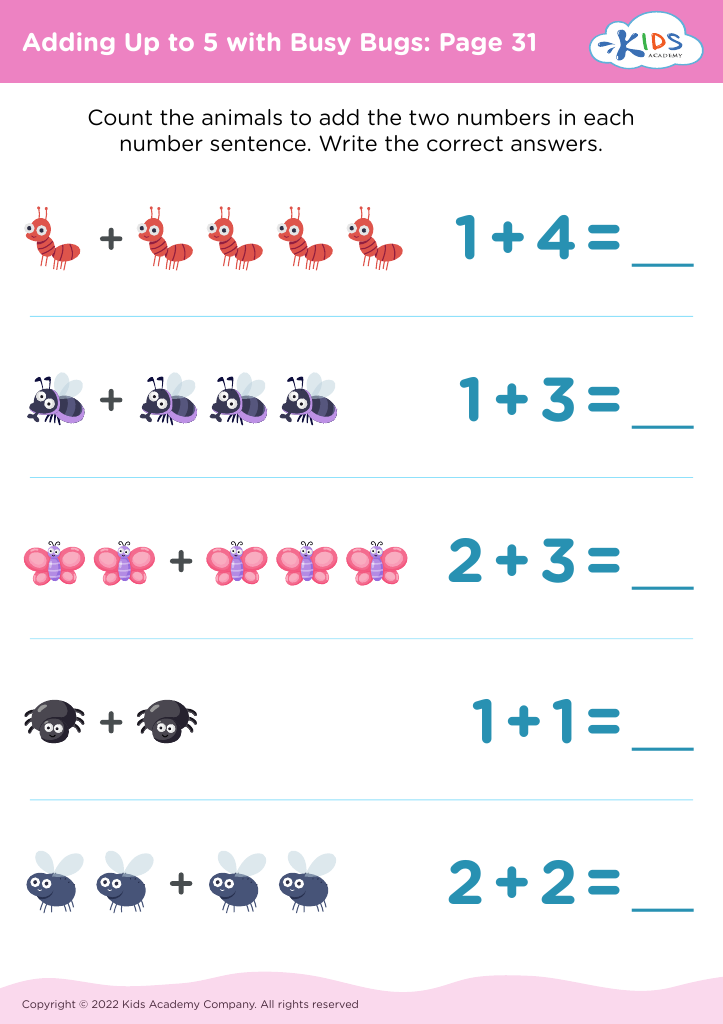
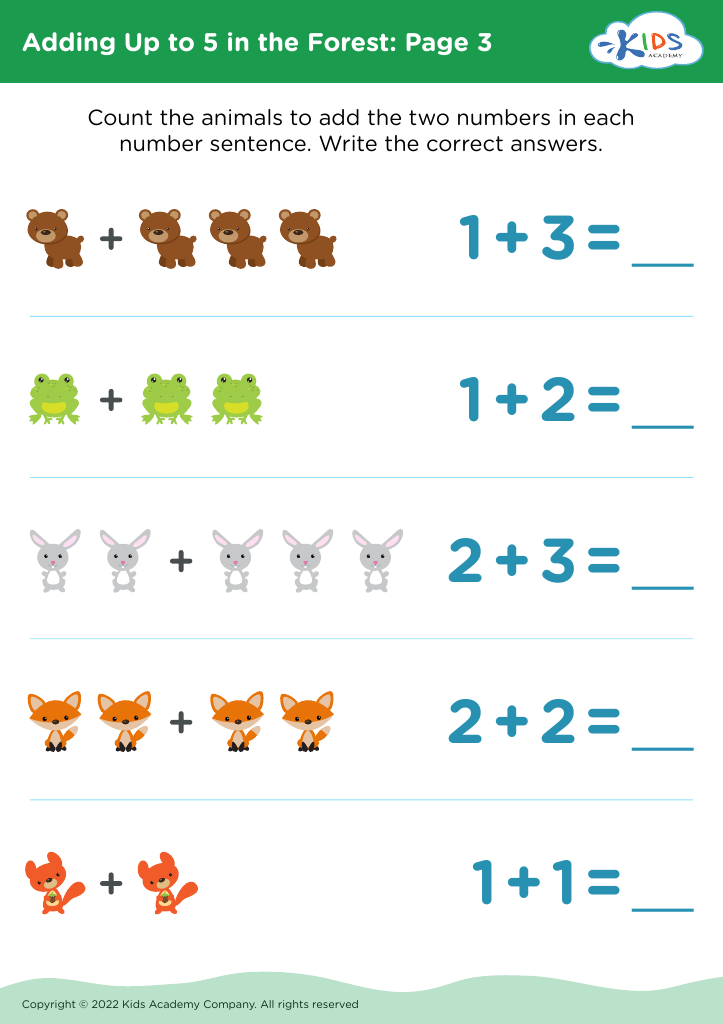
Boost your child's fine motor skills while enhancing their addition abilities with our engaging "Fine Motor Skills (Drawing Lines) Addition Worksheets for Ages 3-8." Each worksheet is meticulously crafted to combine the fundamental elements of drawing lines and solving addition problems, fostering coordination, precision, and mathematical understanding. Aimed at young learners, these activities not only promote muscle control and hand-eye coordination but also encourage logical thinking. Perfect for classroom use or home practice, our worksheets are a delightful way to support your child's early math education, building a strong foundation for future learning success.
Favorites
With answer key
Interactive
Join Kids Academy for Free
Who is primarily going to use this learning content?








Fine motor skills, such as drawing lines, are crucial for children aged 3-8, as they lay the foundation for essential developmental milestones. Parents and teachers should pay close attention to these skills because they significantly impact a child's ability to perform everyday tasks and succeed academically.
Developing fine motor skills involves the coordination of small muscles in the hands and fingers, which are necessary for tasks such as writing, cutting with scissors, buttoning clothes, and even feeding themselves. By practicing drawing lines, children enhance their hand-eye coordination, muscle control, and dexterity, which are prerequisites for more complex skills like writing letters and numbers.
Academic success is also closely linked to fine motor development. Early mastery of these skills prepares children for school, where they will be expected to perform tasks that require precise hand movements. For instance, a child who struggles with holding a pencil correctly may find it challenging to keep up with classroom activities and assignments. Furthermore, well-developed fine motor skills contribute to self-confidence and independence, allowing children to feel more competent and in control of their environment.
In sum, fostering fine motor skills through activities like drawing lines is vital for a child's holistic development. It not only prepares them for academic demands but also enhances their daily life tasks and self-esteem, making it an essential focus for both parents and teachers.








