Fraction comparison Addition Worksheets for Ages 3-8
29 filtered results
-
From - To
Explore our engaging Fraction Comparison Addition Worksheets, designed specifically for children ages 3-8! These interactive worksheets help young learners understand and compare fractions through fun, hands-on activities. With colorful visuals and age-appropriate problems, kids will develop essential math skills while gaining confidence in their abilities. Our resources foster critical thinking and make learning about fractions enjoyable. Ideal for classroom or at-home learning, these worksheets cater to various learning styles, ensuring every child can grasp fundamental mathematical concepts. Download our Fraction Comparison Addition Worksheets today and embark on a delightful educational journey with your little ones! Perfect for early grade educators and parents alike!
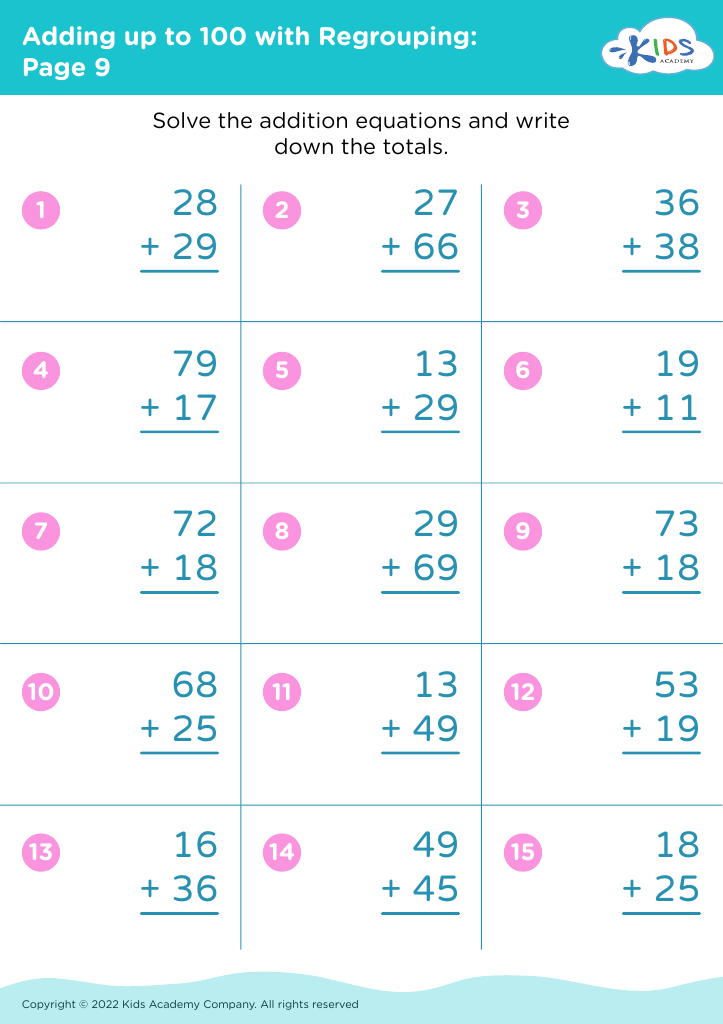
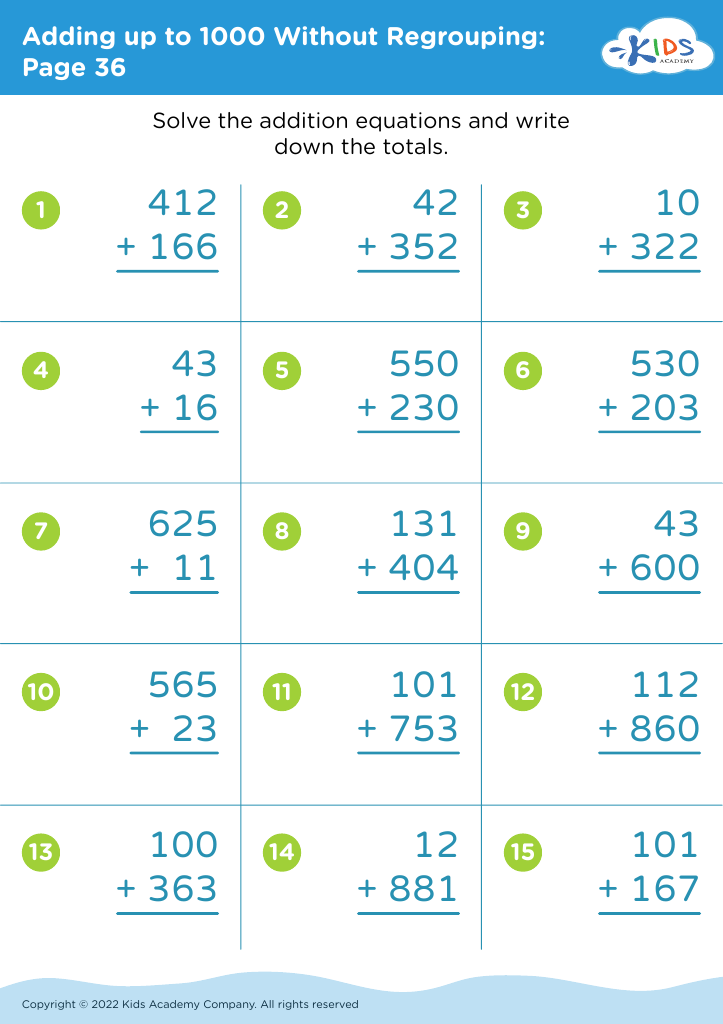
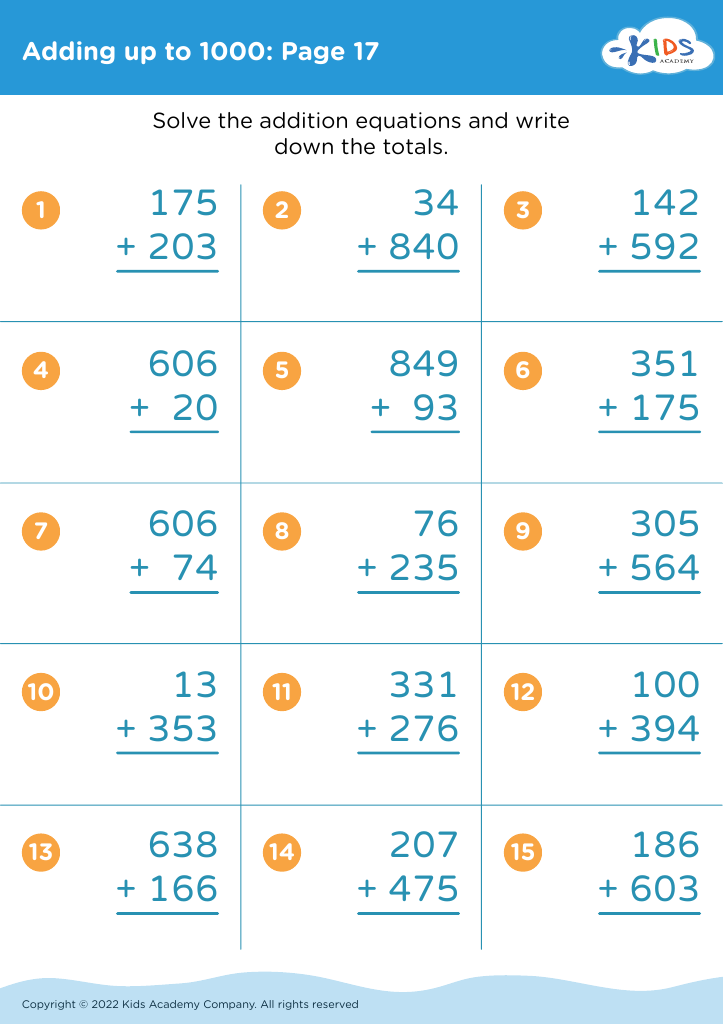
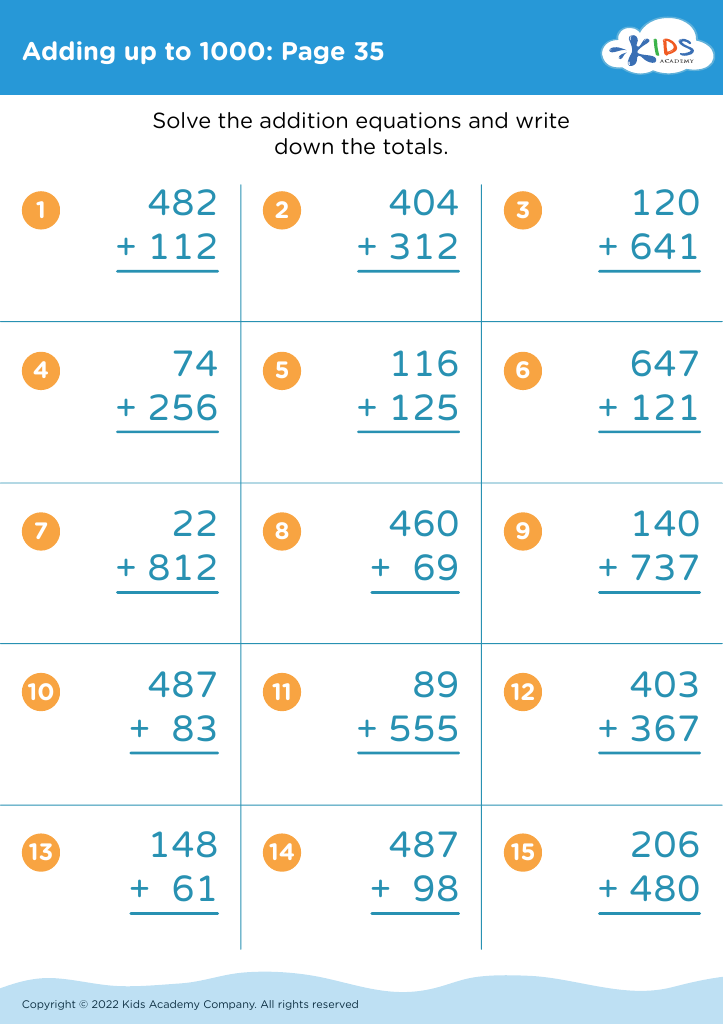
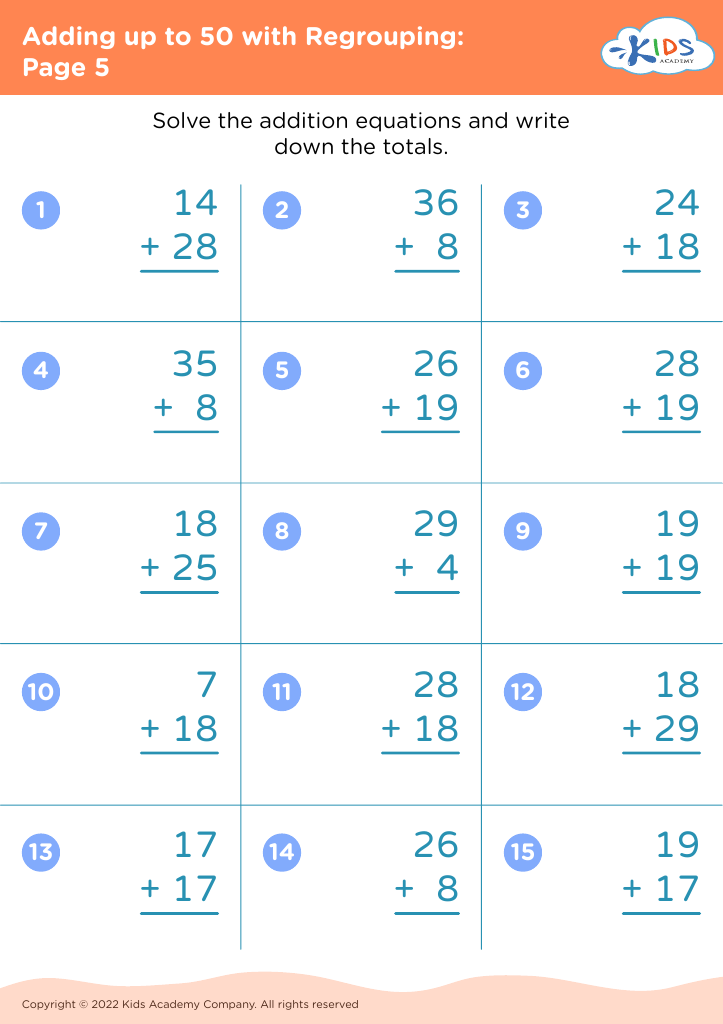
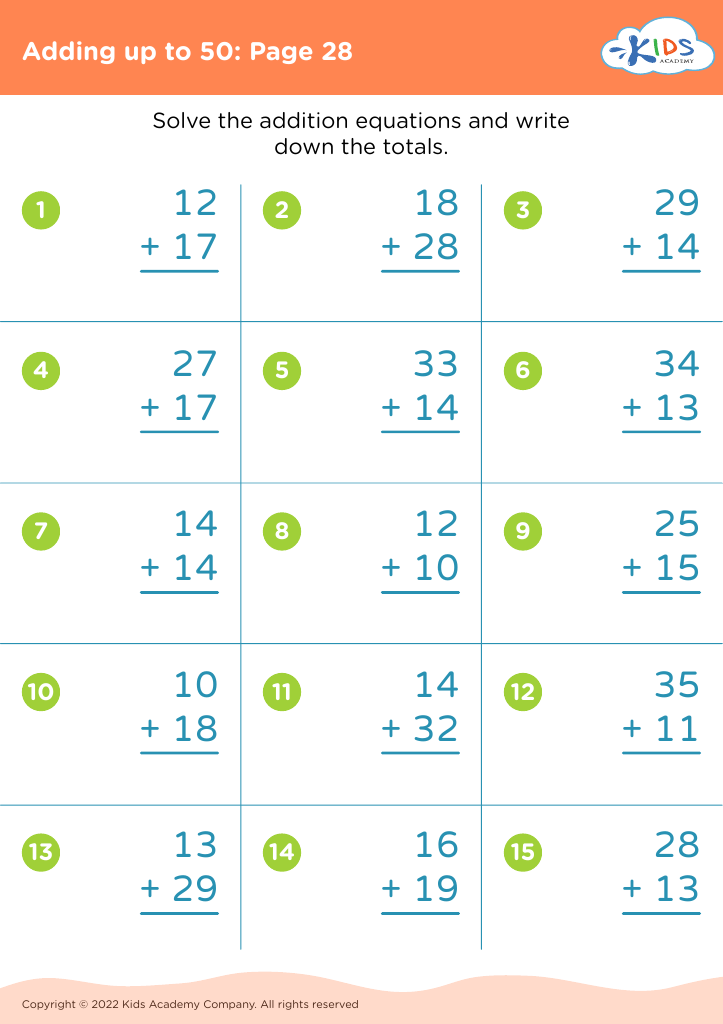
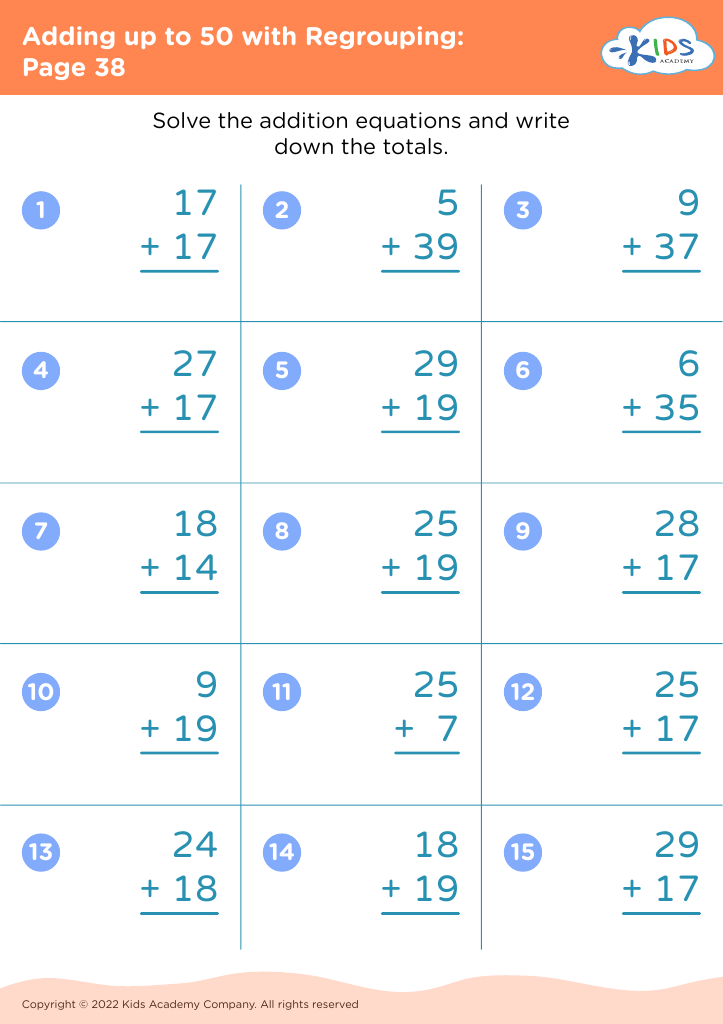
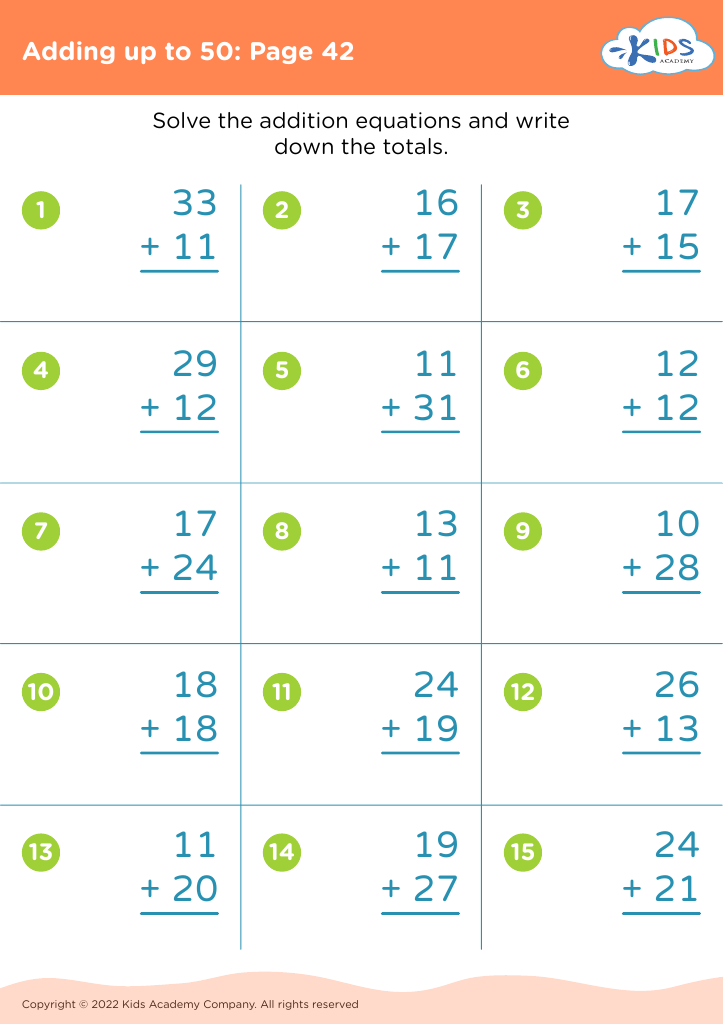
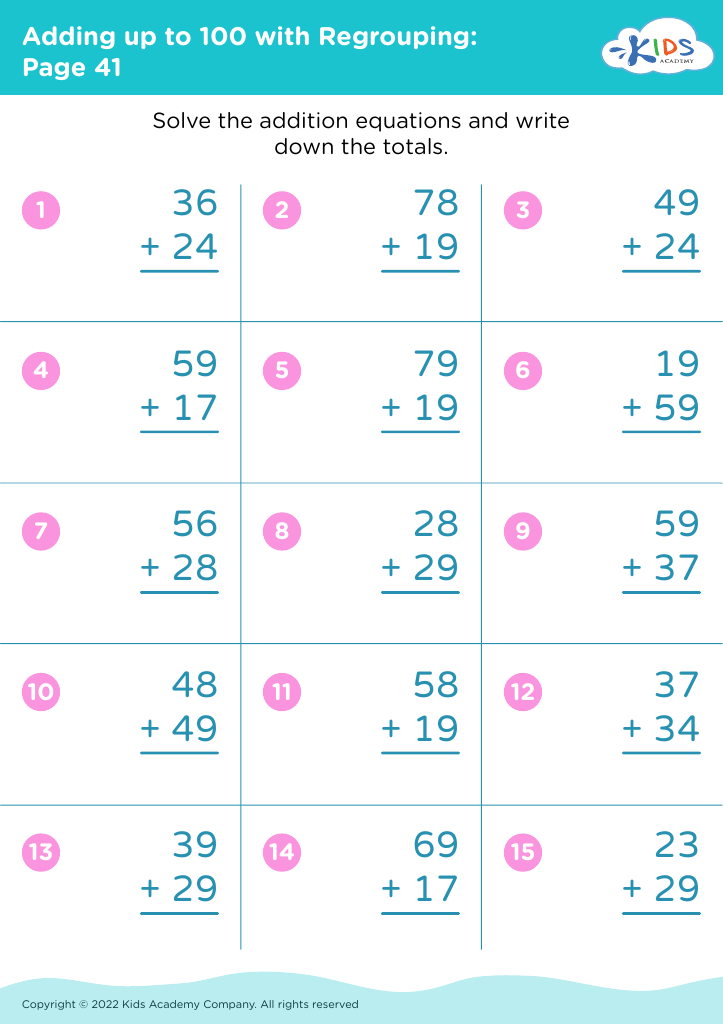
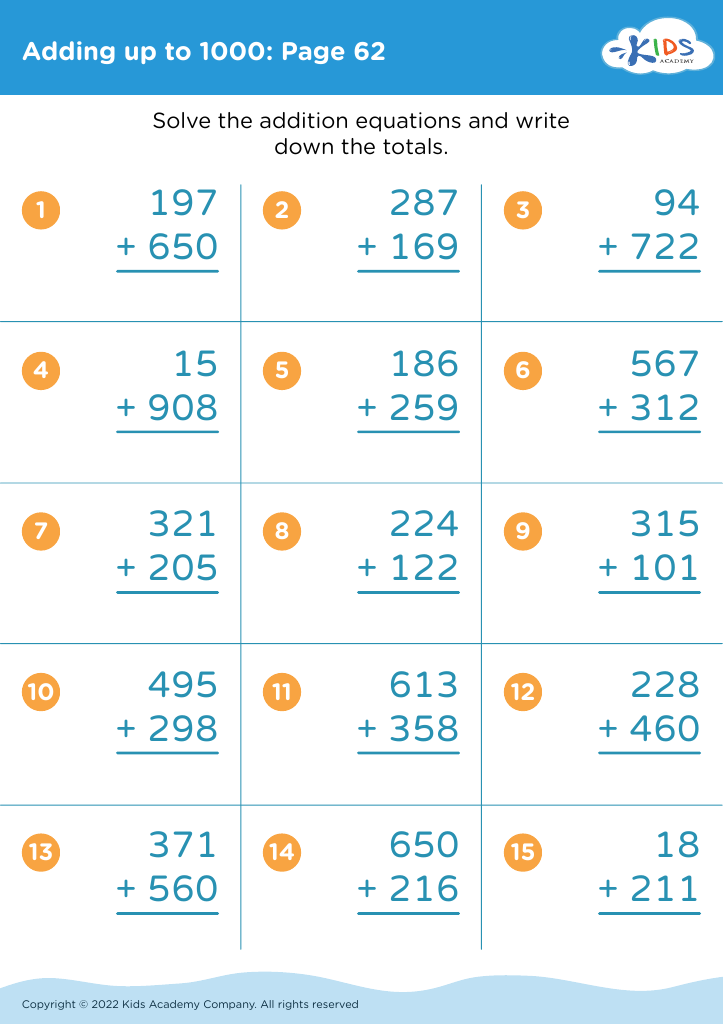
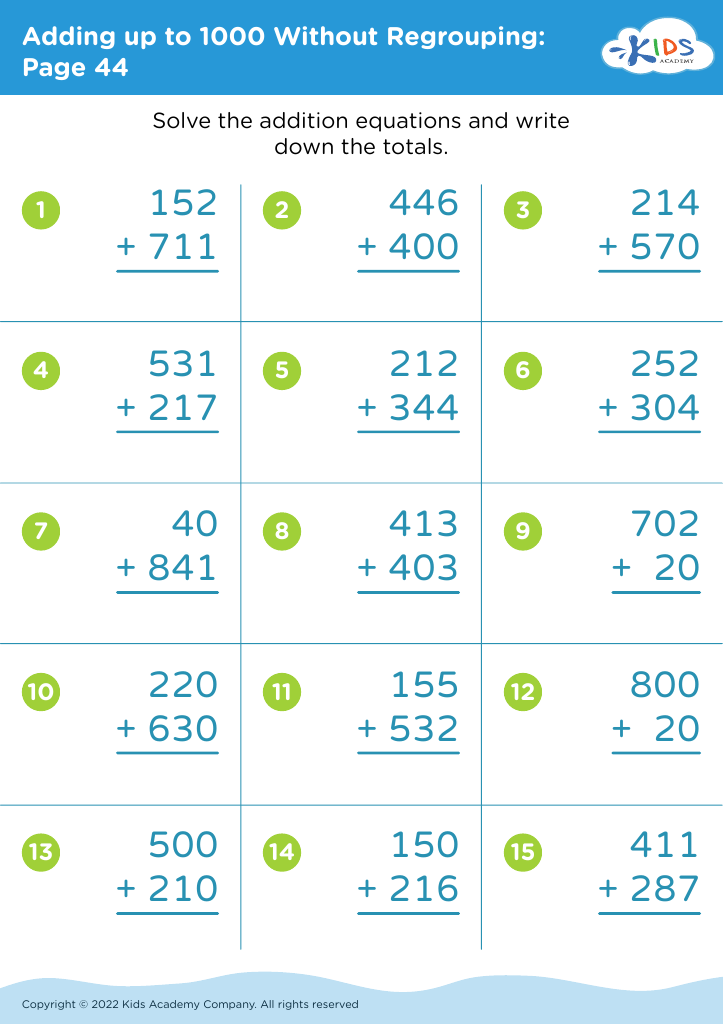
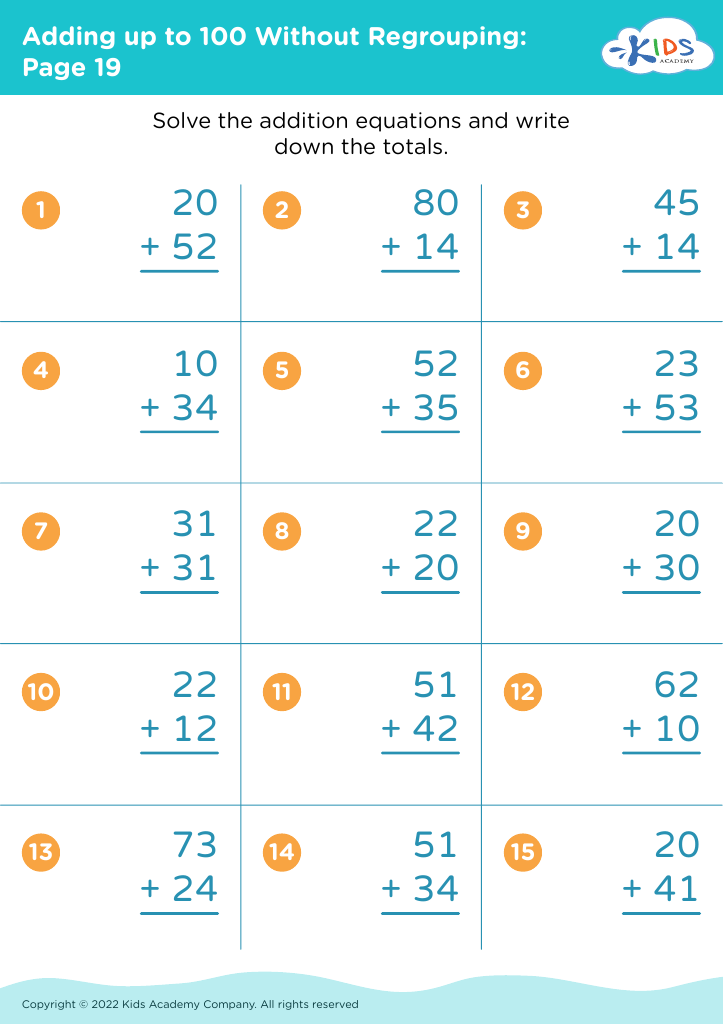
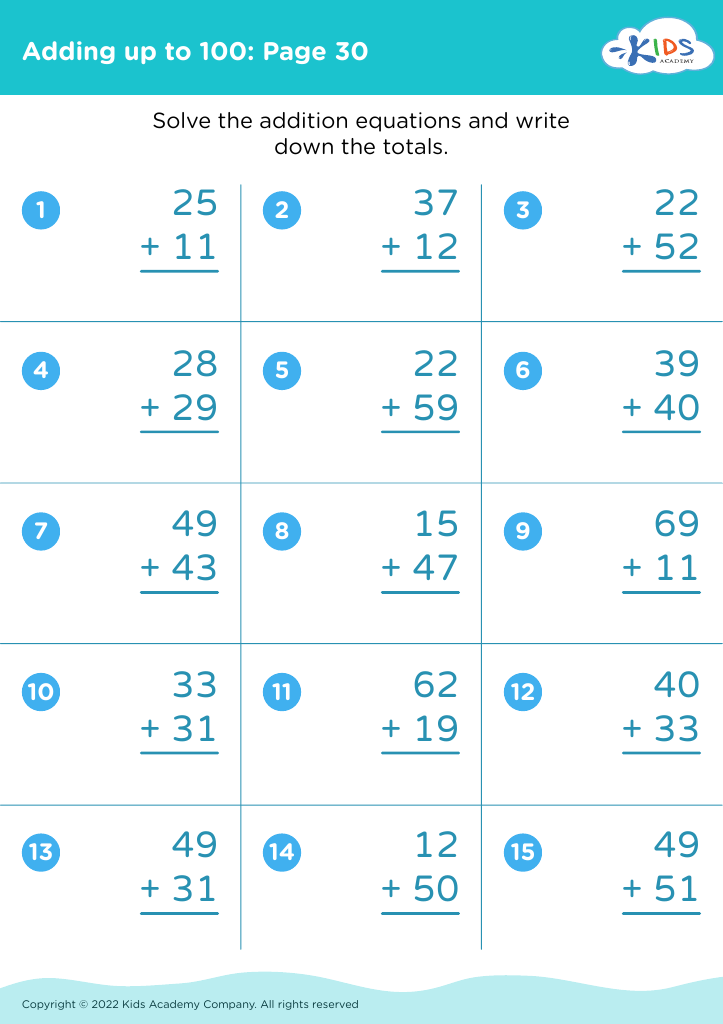
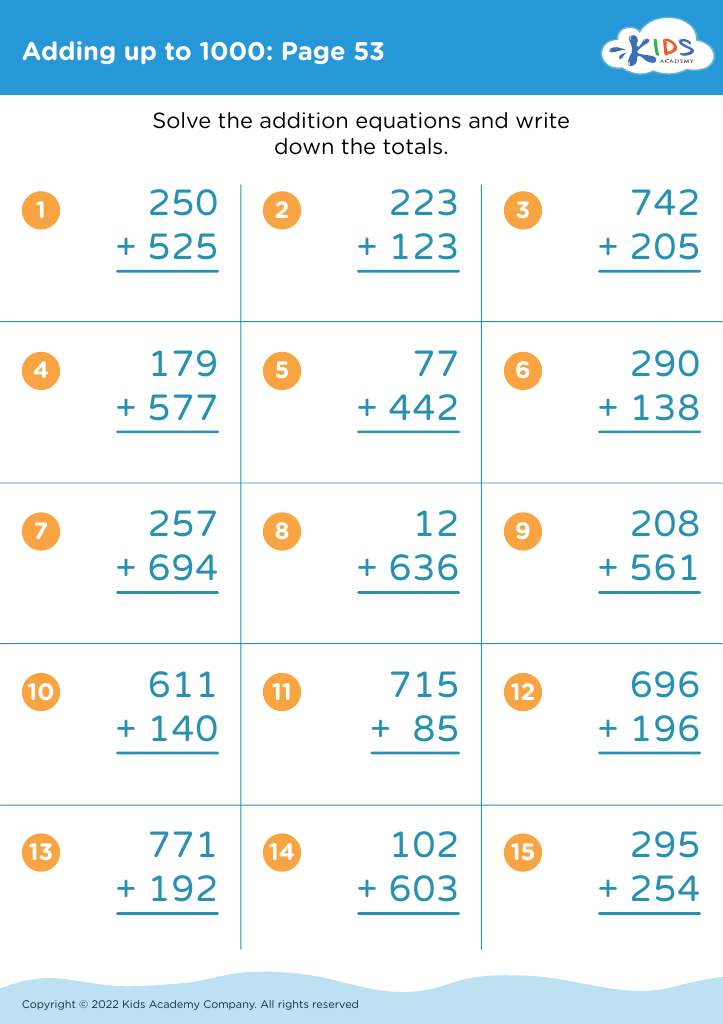
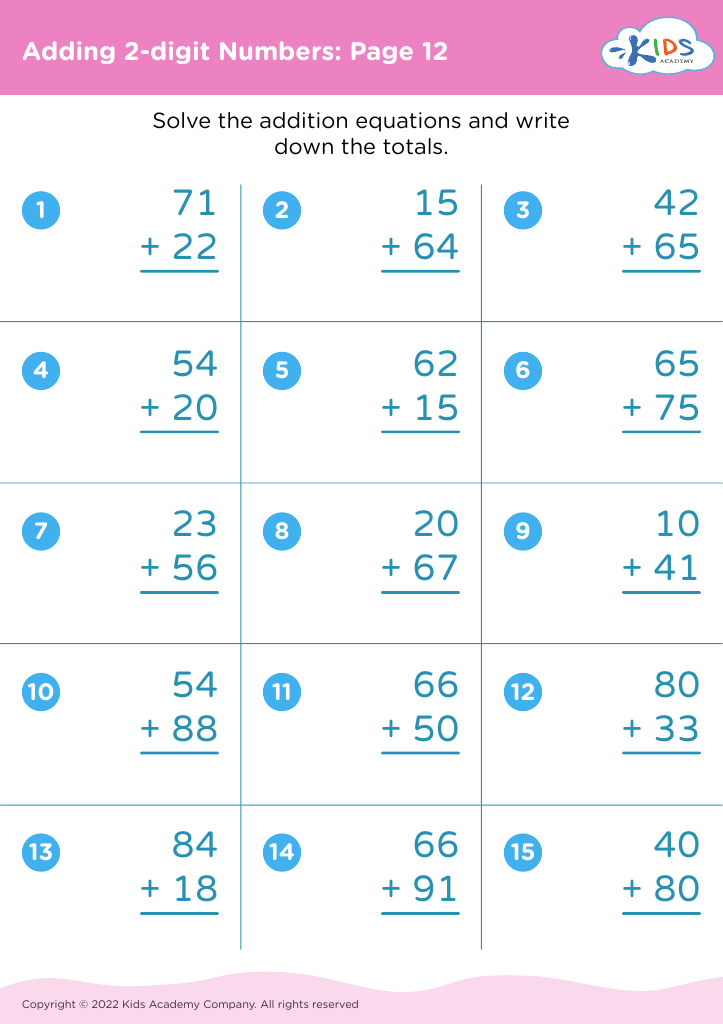
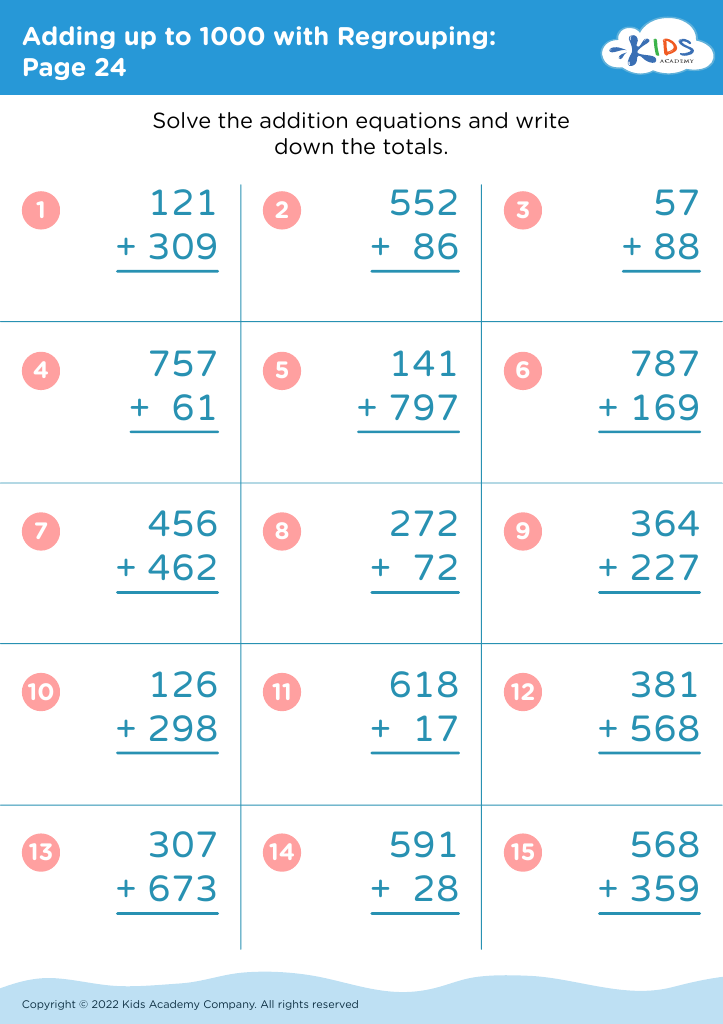
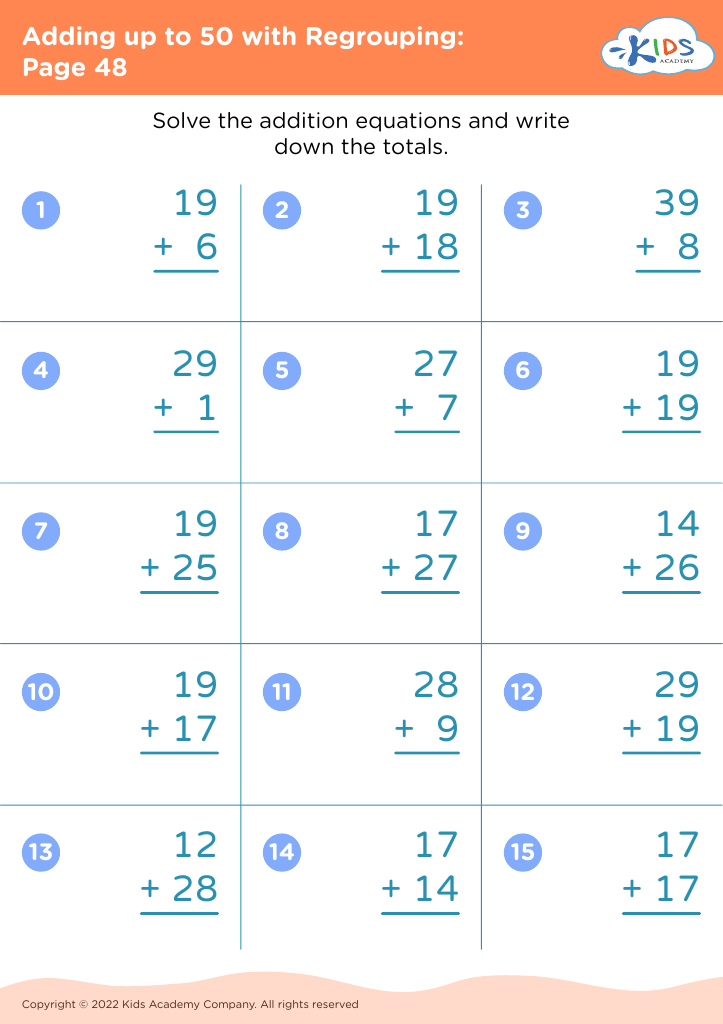
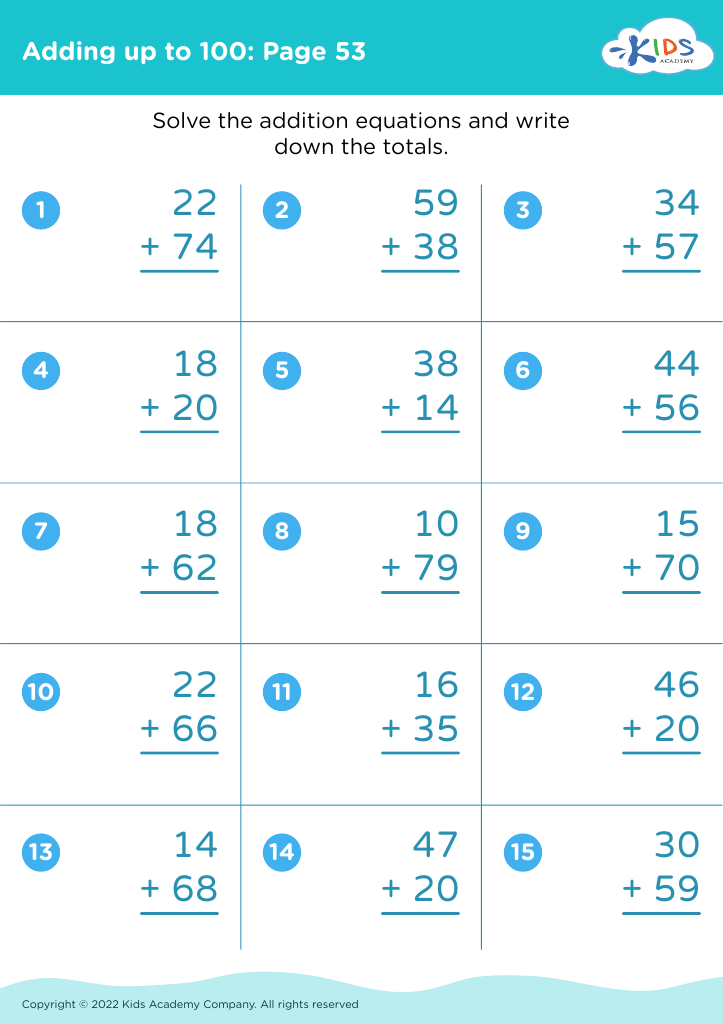
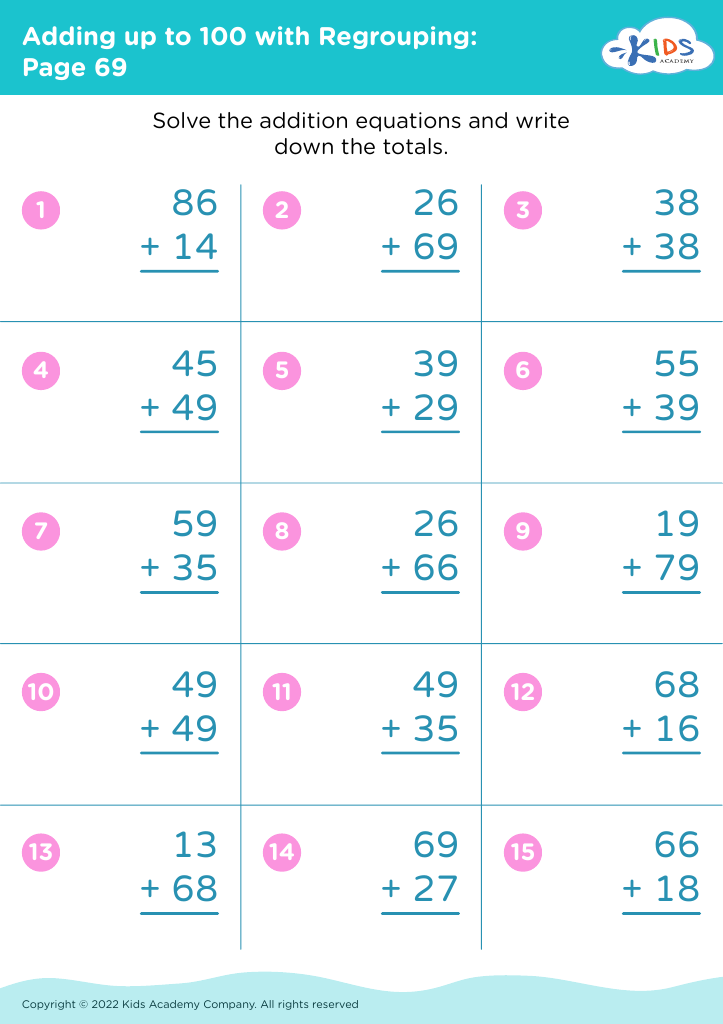
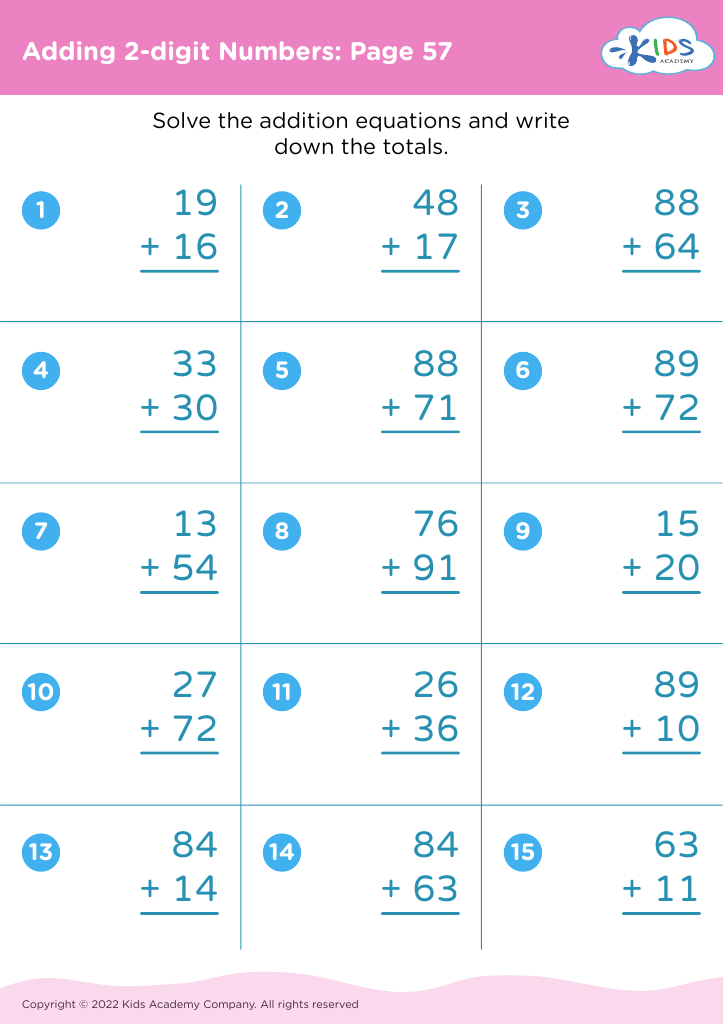








Parents and teachers should care about fraction comparison and addition because these foundational skills are crucial for children aged 3-8. At this age, children are developing early numeracy skills, which form the basis for more complex mathematical concepts. Understanding fractions helps them not only in mathematics but also in everyday situations, such as cooking or sharing fair portions.
Introducing fraction comparison encourages critical thinking as children learn to assess and compare quantities. It fosters their ability to understand relationships between numbers, a key competency in mathematics. When children master these skills, they build confidence in their abilities, which can enhance their overall attitude towards learning.
Moreover, integrating fraction addition into learning experiences nurtures problem-solving skills and logical reasoning. Children learn how to partition sets and combine them, reinforcing their understanding of addition in a tangible way. This approach makes abstract concepts more concrete and relatable.
By focusing on fractions in early education, parents and teachers lay the groundwork for future mathematical learning. Recognizing the significance of these skills can produce not only proficient math students but also lifelong problem solvers. Thus, early intervention in fraction comparison and addition is essential for children's comprehensive development.








