Fraction identification Addition Worksheets for Ages 3-8
5 filtered results
-
From - To
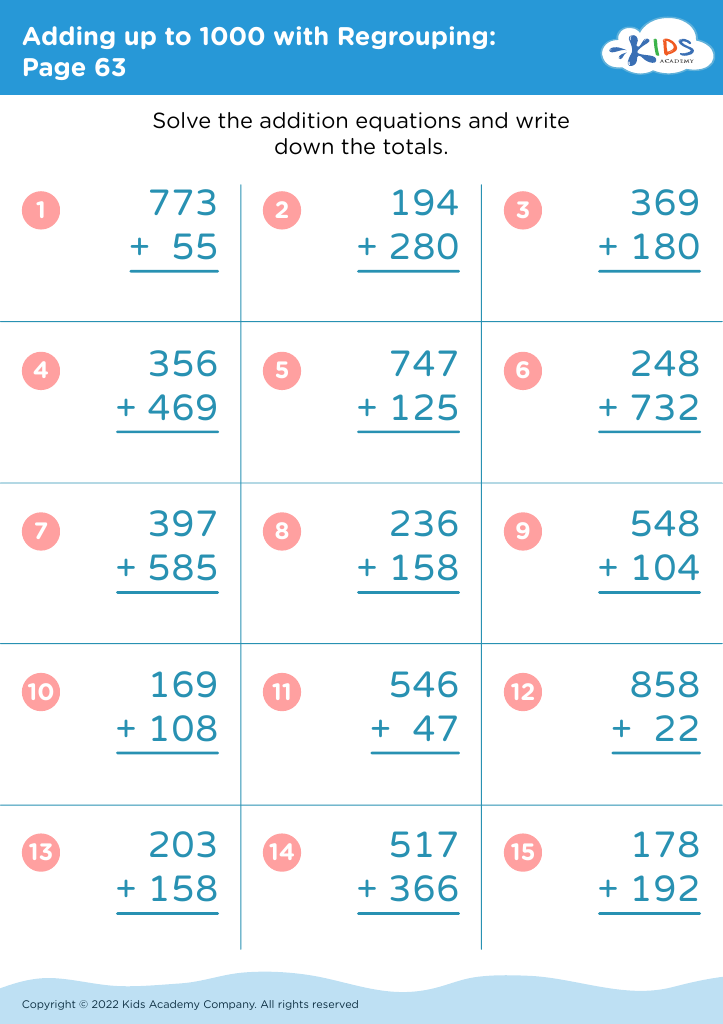
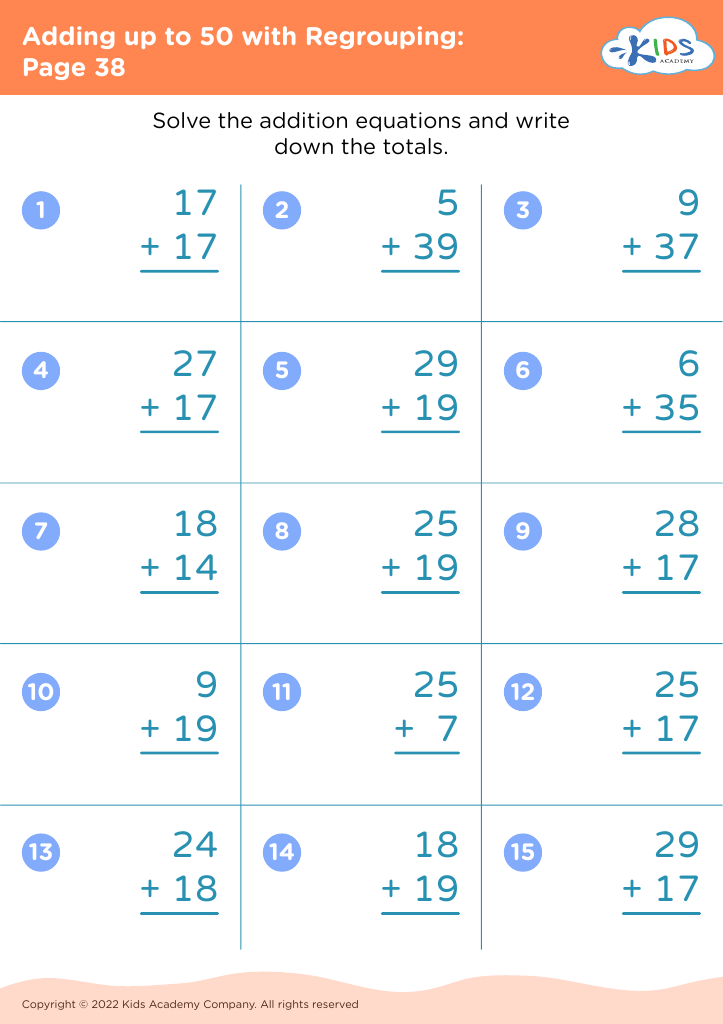
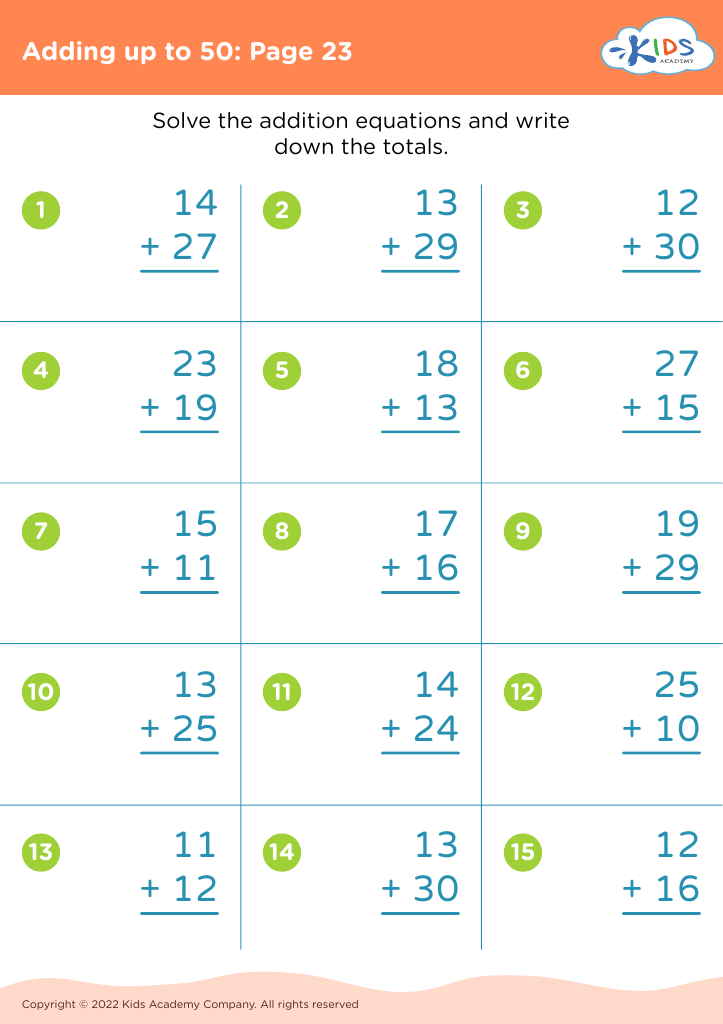
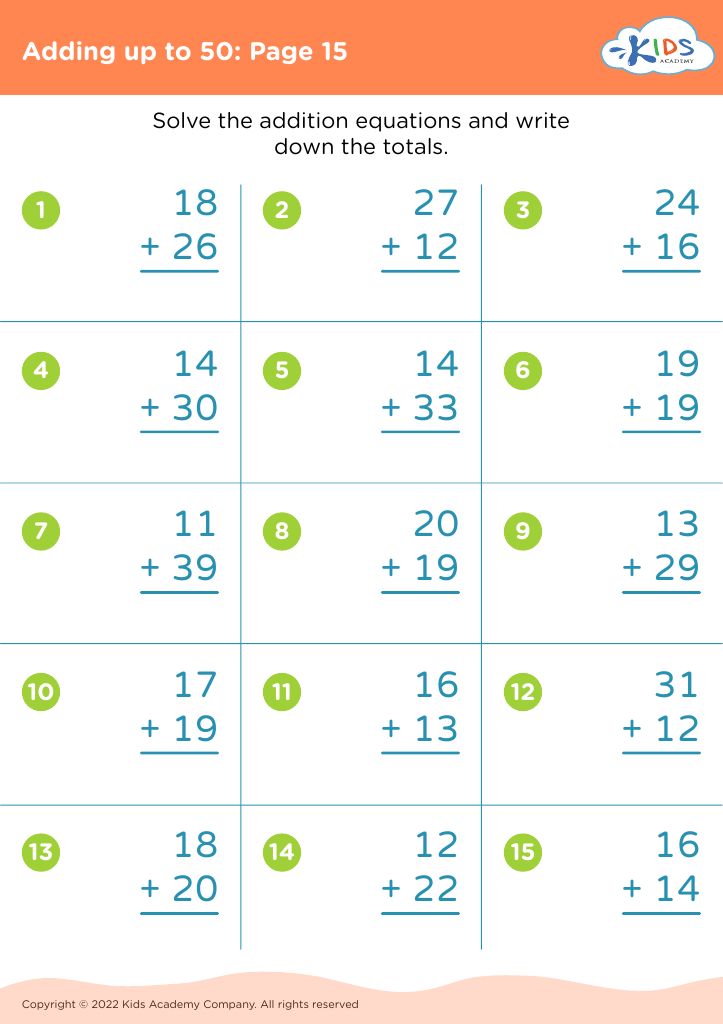
Enhance your child's math skills with our engaging Fraction Identification Addition Worksheets designed for ages 3-8. These interactive activities help young learners grasp the concept of fractions through fun and colorful exercises. Each worksheet encourages children to identify fractions while practicing addition, making math both educational and enjoyable. Perfect for preschool and early elementary settings, our resources support early numeracy development and critical thinking in a playful way. Encourage your little ones to explore the world of fractions and addition with these carefully crafted worksheets, fostering confidence and a solid foundation in math. Ideal for both classroom and home use!
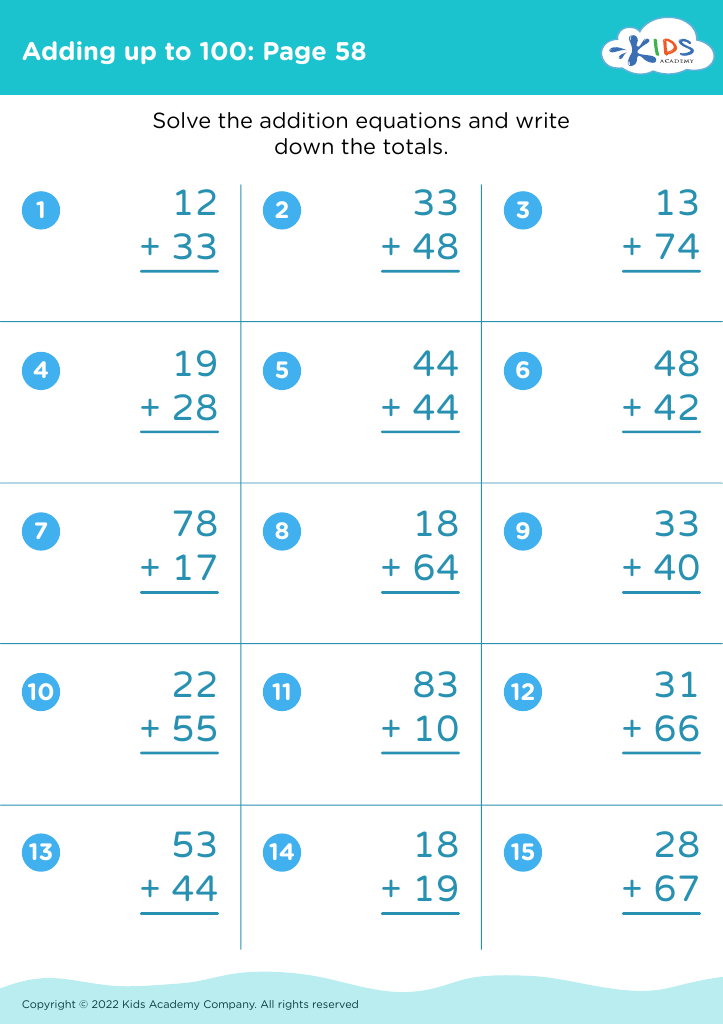








Fraction identification and addition are foundational skills in math that can greatly influence a child's future learning and confidence in the subject. For children aged 3-8, developing an understanding of fractions is crucial as it builds a strong mathematical base. At this age, children begin to explore patterns and relationships between numbers, and fractions introduce concepts of part-to-whole relationships and sharing, fostering early critical thinking.
By focusing on these skills, parents and teachers can cultivate a positive attitude toward math, reducing anxiety and challenges faced later in school. Engaging activities that involve fraction identification promotes hands-on learning and helps children visualize parts of a whole, aiding their overall comprehension.
Additionally, mastering fractions encourages logical reasoning and problem-solving abilities. These skills are not only vital in math but also in everyday life situations, such as cooking, budgeting, and sharing resources. For educators, implementing creative teaching methods can make learning fractions enjoyable, sparking curiosity and a love for learning.
Ultimately, by prioritizing fraction identification and addition, parents and teachers lay the groundwork for future academic success, empowering children to embrace mathematics with confidence and enthusiasm throughout their educational journey.








