Logical thinking development Addition Worksheets for Ages 3-8
8 filtered results
-
From - To
Boost your child's logical thinking and mathematical skills with our engaging addition worksheets designed for ages 3-8. These fun, interactive exercises help young minds develop critical numerical understanding and problem-solving abilities. Tailored to suit different learning levels, our worksheets feature colorful illustrations and creative contexts that make learning enjoyable. Perfect for home or classroom use, your child will build confidence and enjoy mastering basic addition while enhancing their cognitive skills. Make learning a delightful adventure with Kids Academy's thoughtfully crafted addition worksheets, and watch your child thrive in their early math journey.
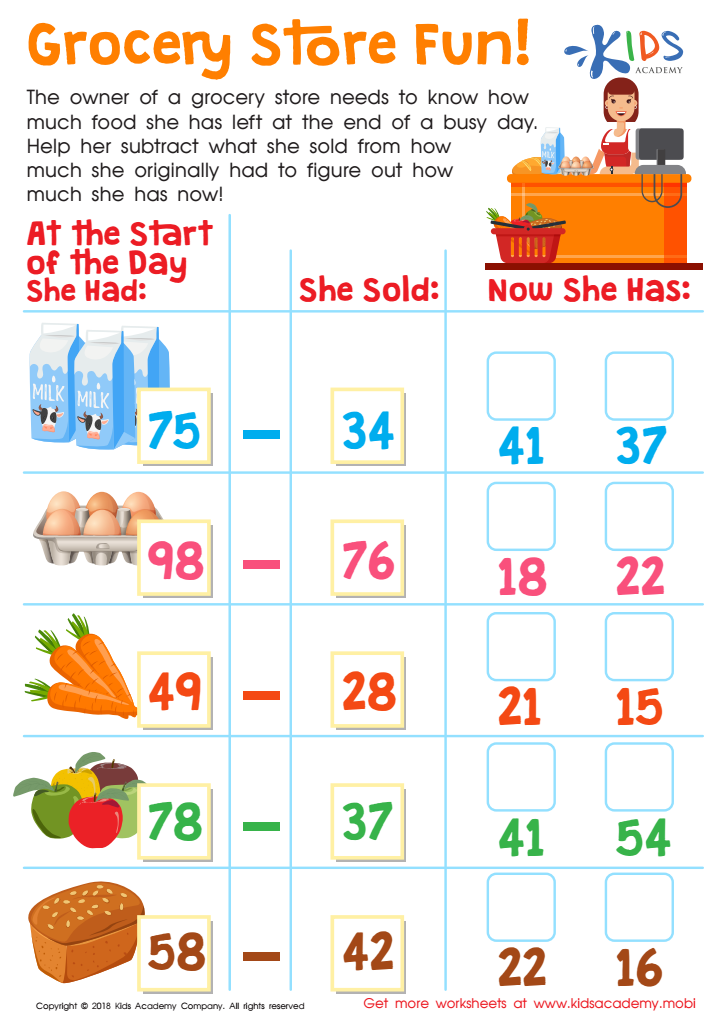
Grocery Store Fun! Worksheet
 Assign to My Students
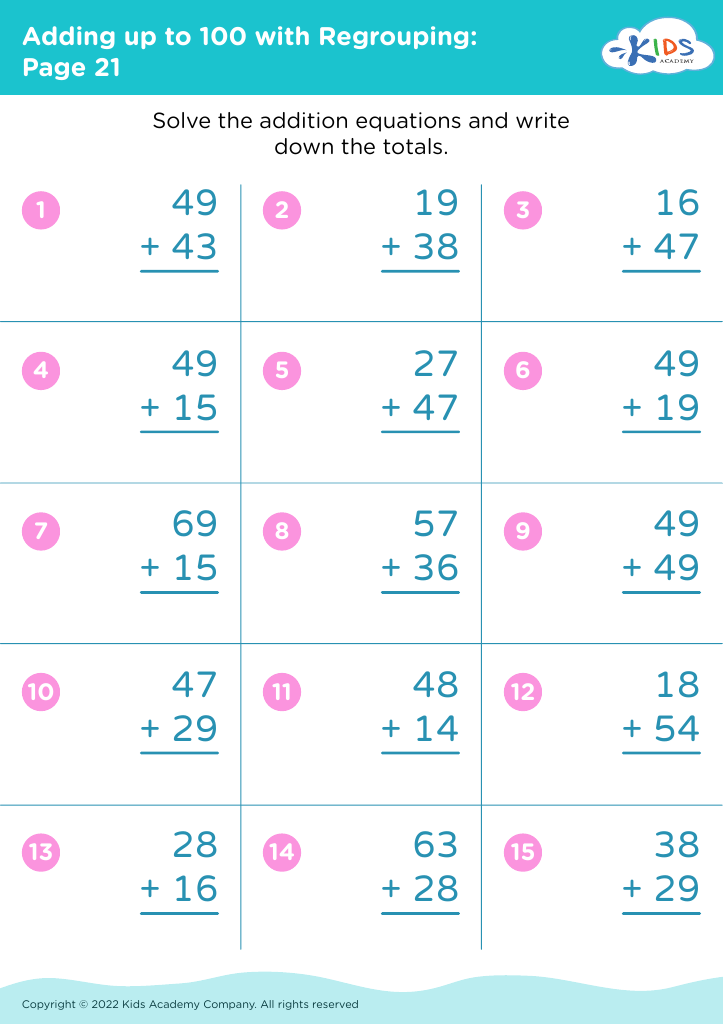
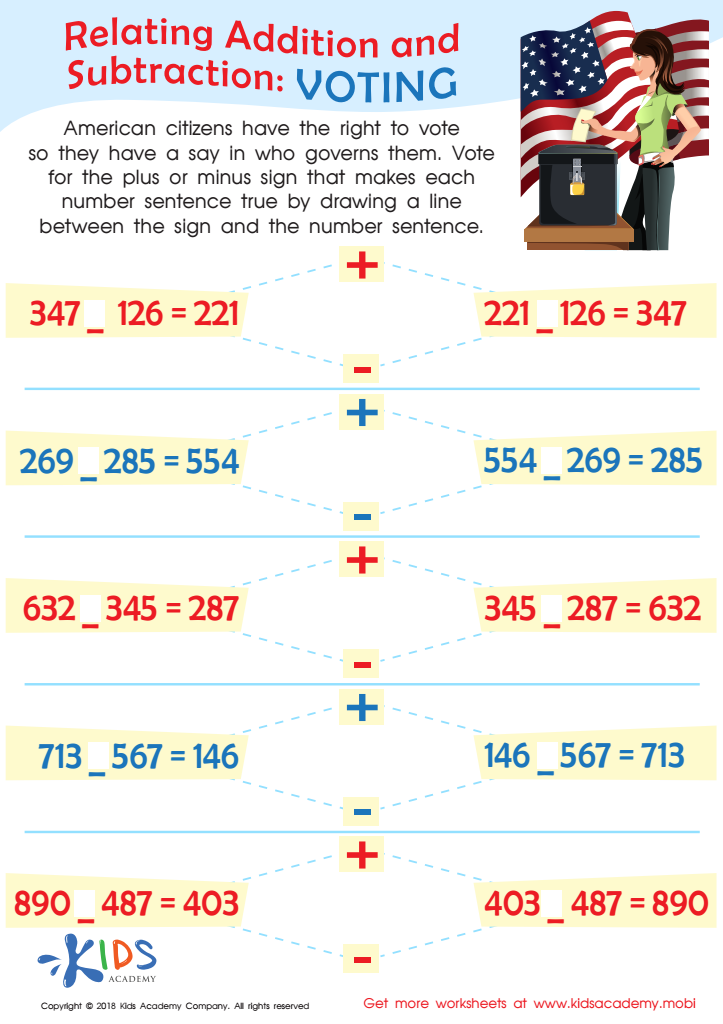
Voting Worksheet
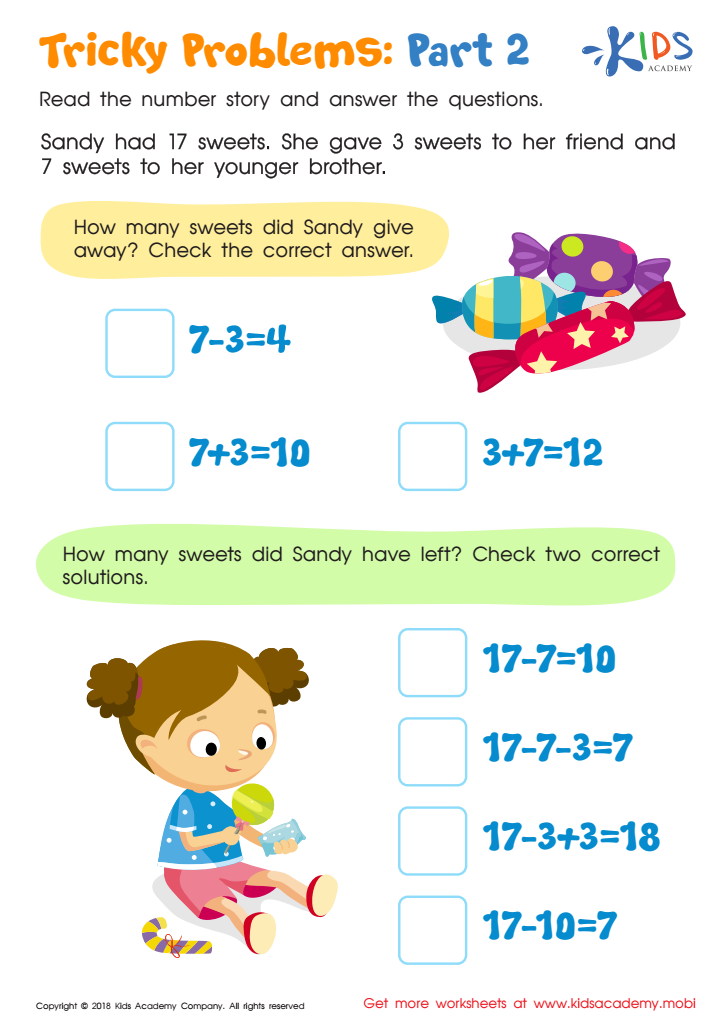
Tricky Problems Worksheet: Part 2
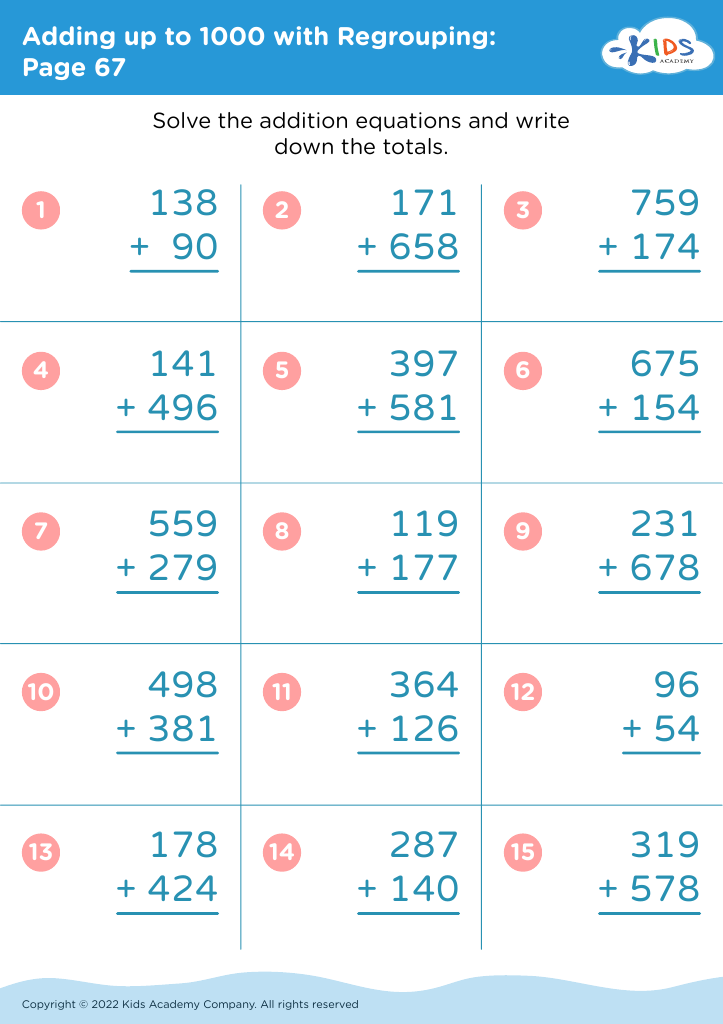
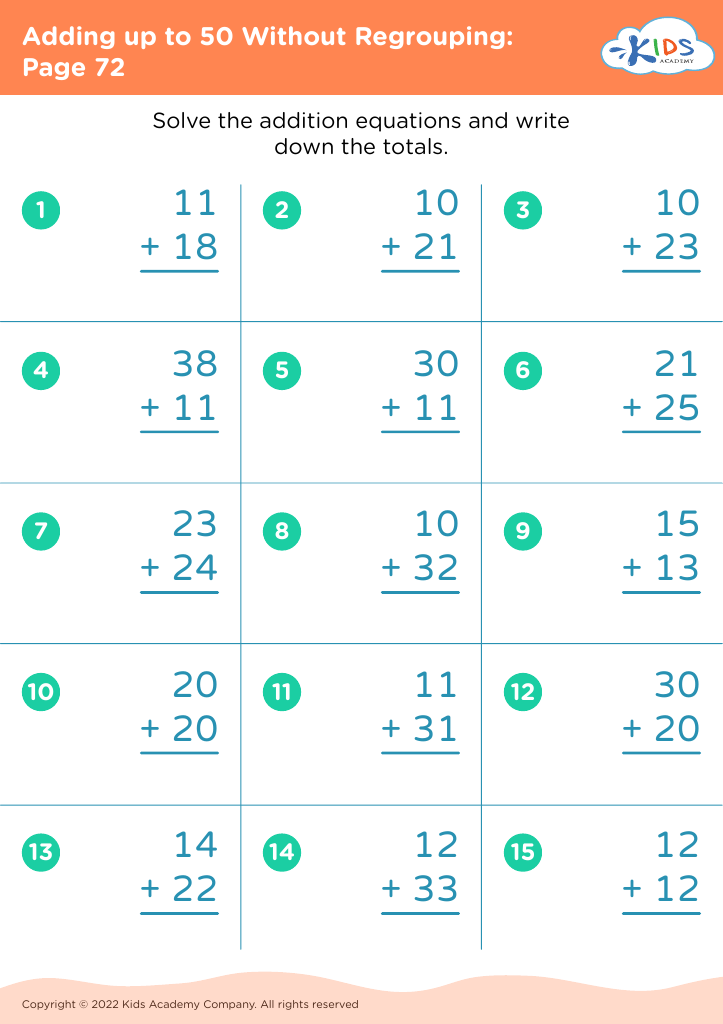
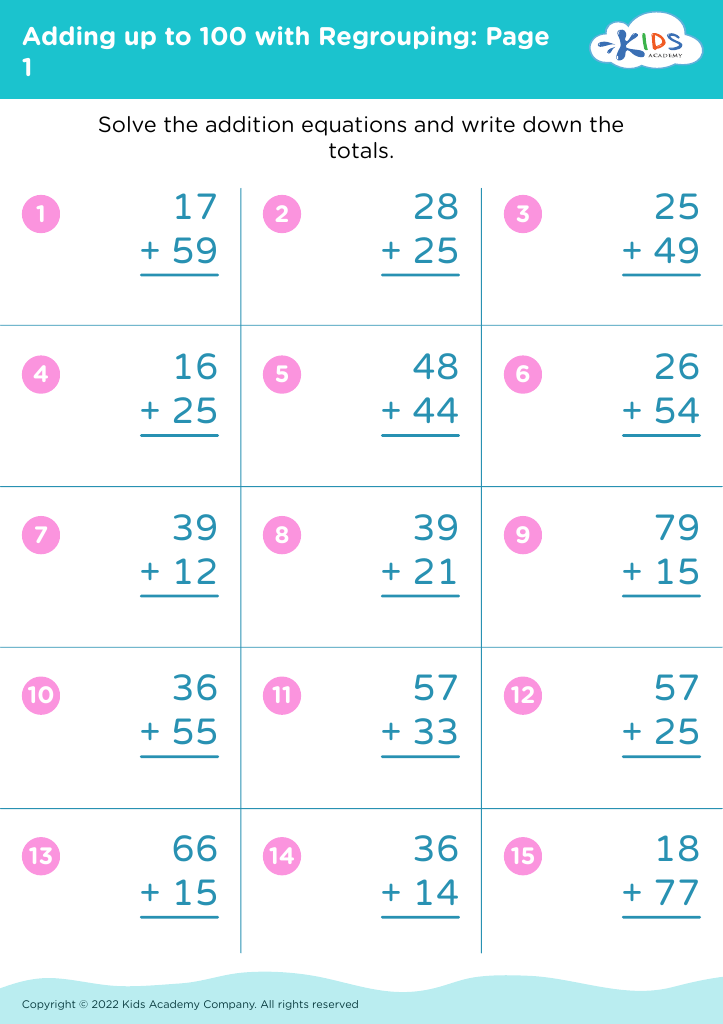
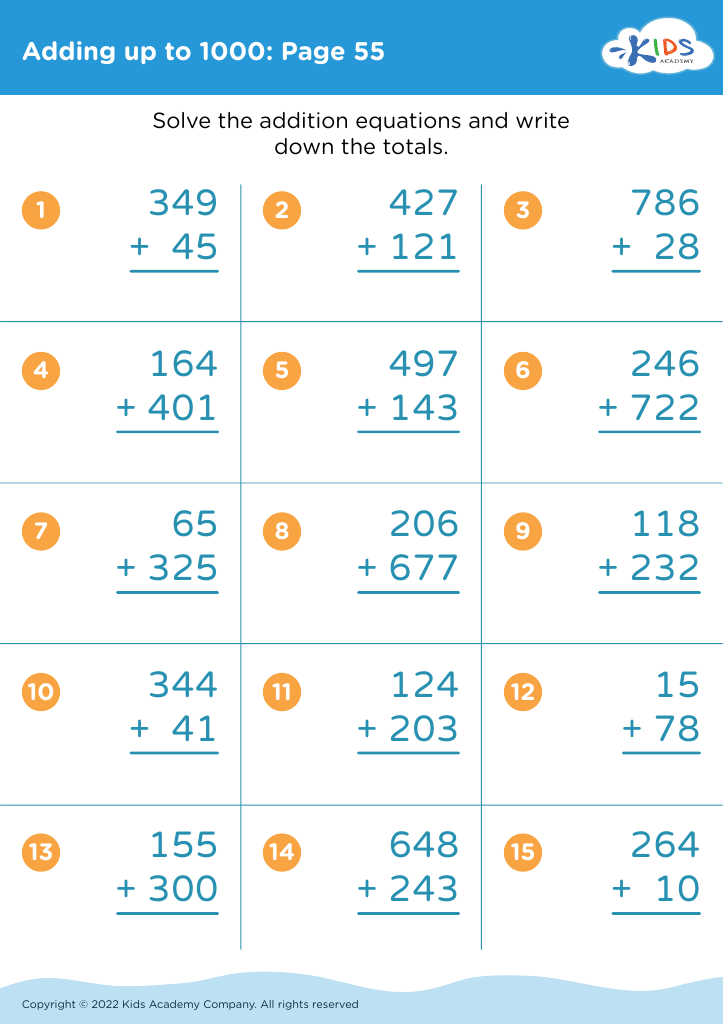








Logical thinking and early mathematical skills, like addition, are crucial for children's cognitive development. Fostering these skills between the ages of 3 and 8 sets the foundation for future academic success and everyday problem-solving. By introducing addition early, adults help strengthen children's brain connectivity related to numerical and logical reasoning. This aids in better processing skills that will be essential not just in higher mathematics, but across a spectrum of subjects.
Logical thinking encourages children to recognize patterns, understand sequences, and make connections. It helps them grasp not just how numbers function individually, but how they interact. By connecting addition to everyday situations, children can see the practical applications of math and become more engaged and interested. For example, sharing toys or distributing snacks are activities where addition is naturally used, making learning fun and meaningful.
Furthermore, developing these skills builds confidence and a sense of achievement. It conditions children to approach complex problems with patience and resilience, and it emphasizes the value of accuracy and attention to detail.
Ultimately, by supporting logical thinking and addition skills, parents and teachers pave the way for children’s long-term educational and personal achievements, nurturing a healthy intellectual curiosity and a lifelong love of learning.








