
Mathematical thinking Addition Worksheets for Ages 3-8
4 filtered results
Difficulty Level
Grade
Age
-
From - To
Subject
Activity
Standards
Discover an engaging collection of Mathematical Thinking Addition Worksheets designed for children ages 3-8. Our resources promote foundational math skills through fun and interactive activities that stimulate critical thinking and problem-solving abilities. Each worksheet is tailored to cultivate a child's understanding of addition concepts, enhancing their cognitive development while keeping them entertained. With colorful visuals and varied exercises, young learners will enjoy practicing addition in a supportive environment. Perfect for parents and teachers alike, these worksheets seamlessly blend learning with play, paving the way for a lifelong love of math. Explore our collection and watch your child's mathematical confidence flourish!
Favorites
With answer key
Interactive
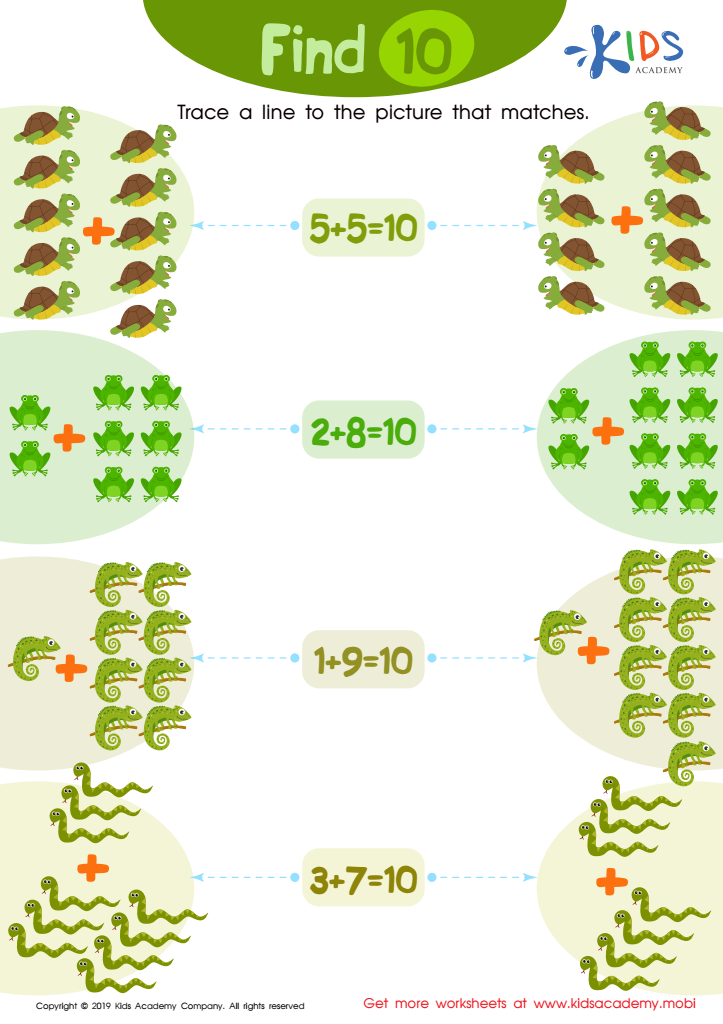
Find 10 Worksheet
Counting can be tricky, but your kids can master it with regular practice. Here's a fun activity to help: count the animals, then trace a line to the pictures that matches. With these tips, math will be an easy walk in the park.
 Assign to My Students
Find 10 Worksheet
Worksheet
Join Kids Academy for Free
Who is primarily going to use this learning content?



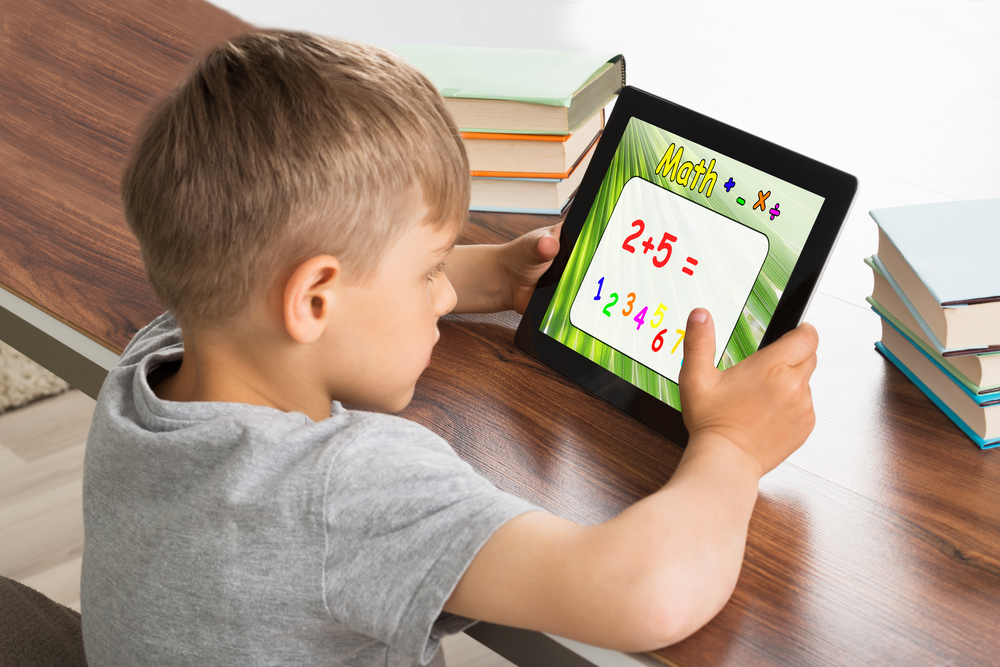




Mathematical thinking, particularly with addition, is a foundational skill that significantly impacts a child's cognitive development and future academic success. For children aged 3 to 8, engaging with addition helps them develop critical thinking and problem-solving abilities. During these formative years, children's brains are highly adaptable, making it the ideal time to introduce basic mathematical concepts.
Firstly, addition lays the groundwork for more complex mathematics. Understanding numbers and how they combine boosts children’s confidence and interest in the subject. Early exposure can lead to a positive relationship with math, diminishing anxiety towards the subject later on.
Secondly, addition is integral to everyday life. Teaching children practical addition skills, such as counting objects or combining sets, supports their reasoning and adds to their life skills, such as personal finance and time management.
Lastly, math develops perseverance. Encountering challenges while learning to add fosters resilience in students, teaching them that struggle is part of the learning process. Consequently, parents and teachers play a vital role in fostering an engaging and supportive environment where mathematical thinking is nurtured, promoting overall cognitive growth and laying the groundwork for lifelong learning.








