Pattern recognition Addition Worksheets for Ages 3-8
6 filtered results
-
From - To
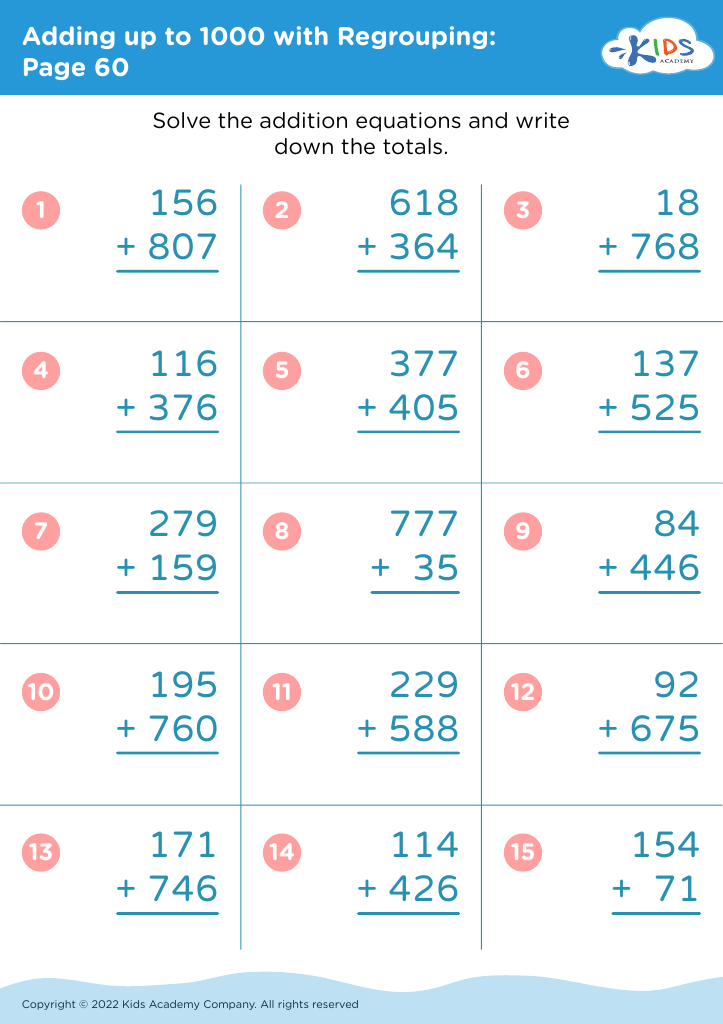
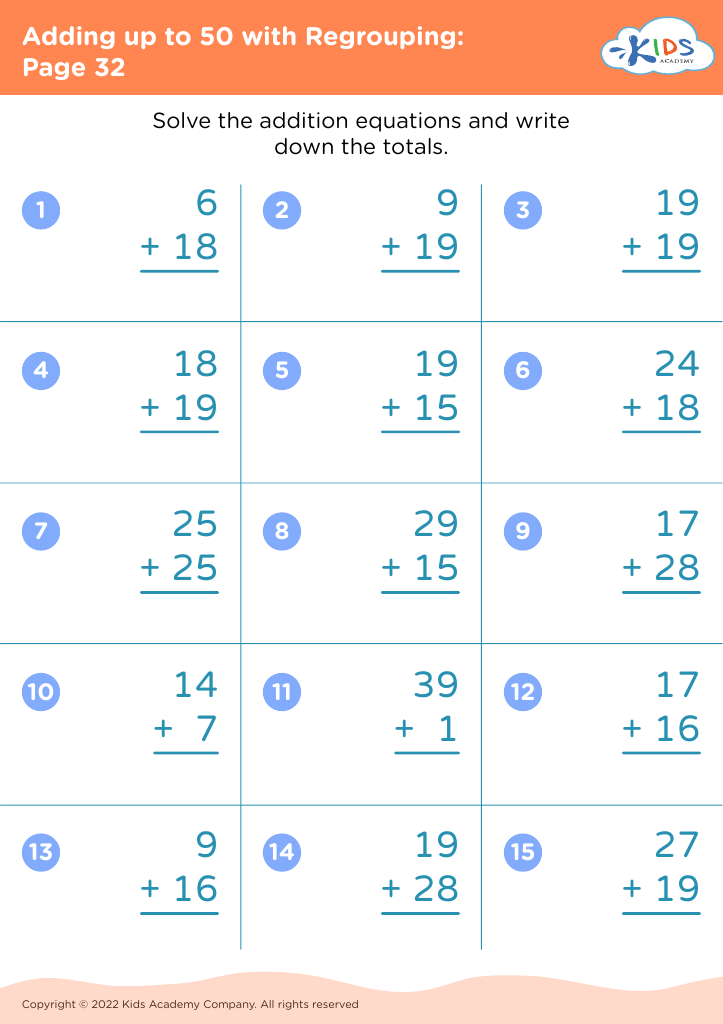
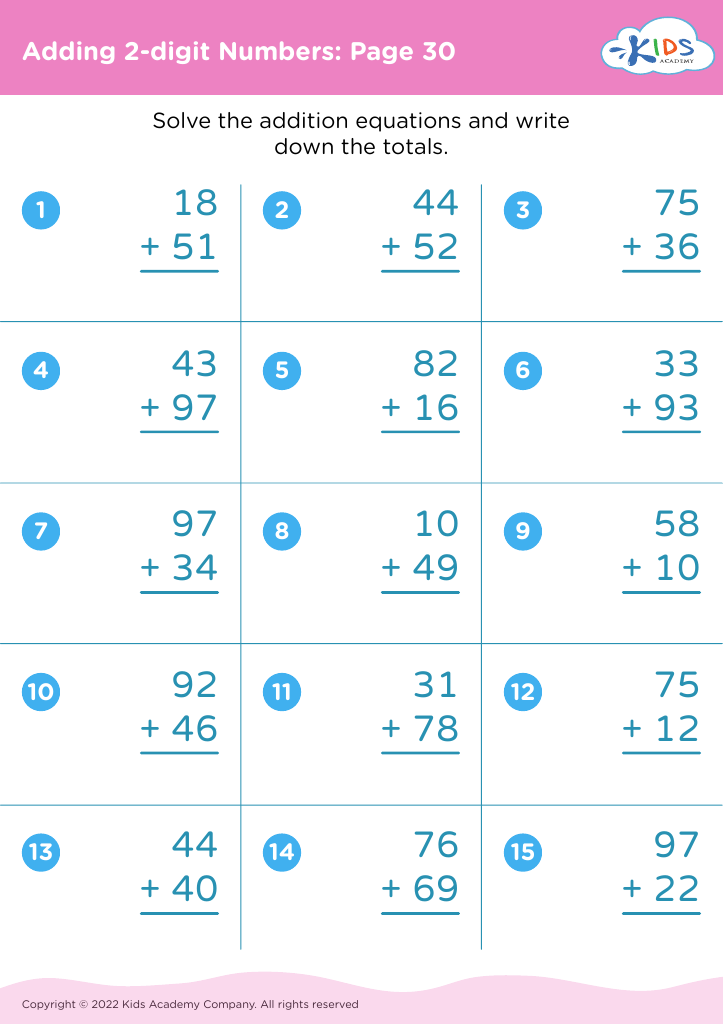
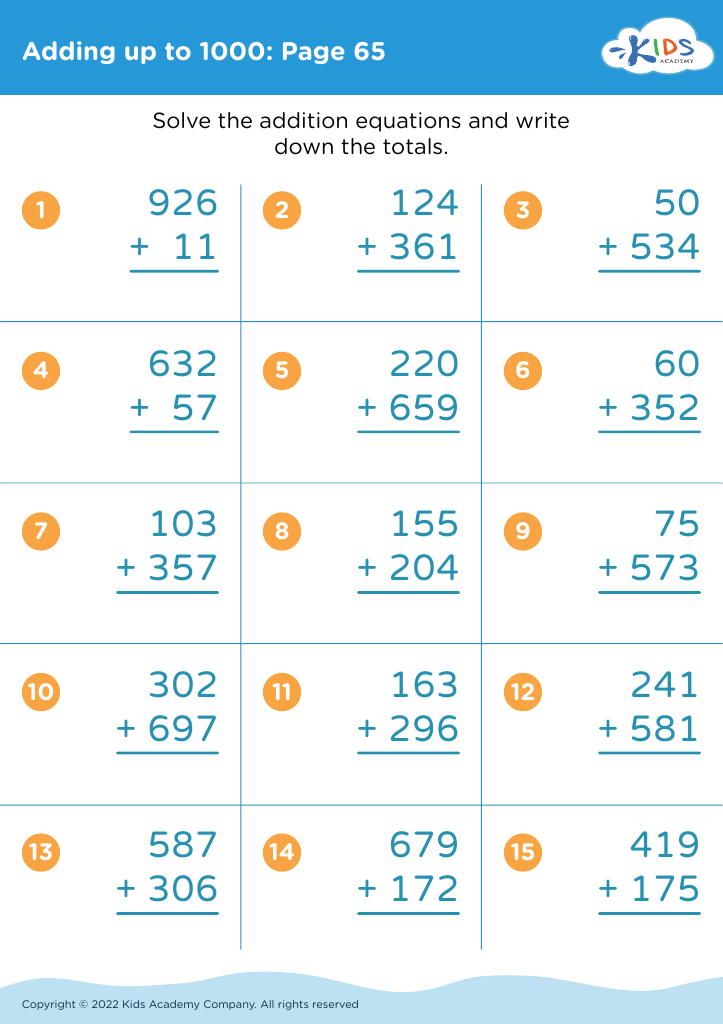
Discover our engaging Pattern Recognition Addition Worksheets, specially designed for children aged 3-8. These interactive activities make math fun and accessible, helping young learners develop essential addition skills while recognizing patterns. Colorful visuals and playful themes enhance comprehension and retention, making it easier for kids to grasp concepts through repetition and exploration. Perfect for homeschooling, classroom use, or supplemental practice, our worksheets cater to various learning styles. Encourage critical thinking and problem-solving abilities while boosting confidence in math. Start your child's math journey today with our delightful pattern recognition worksheets, fostering a solid foundation for future academic success!
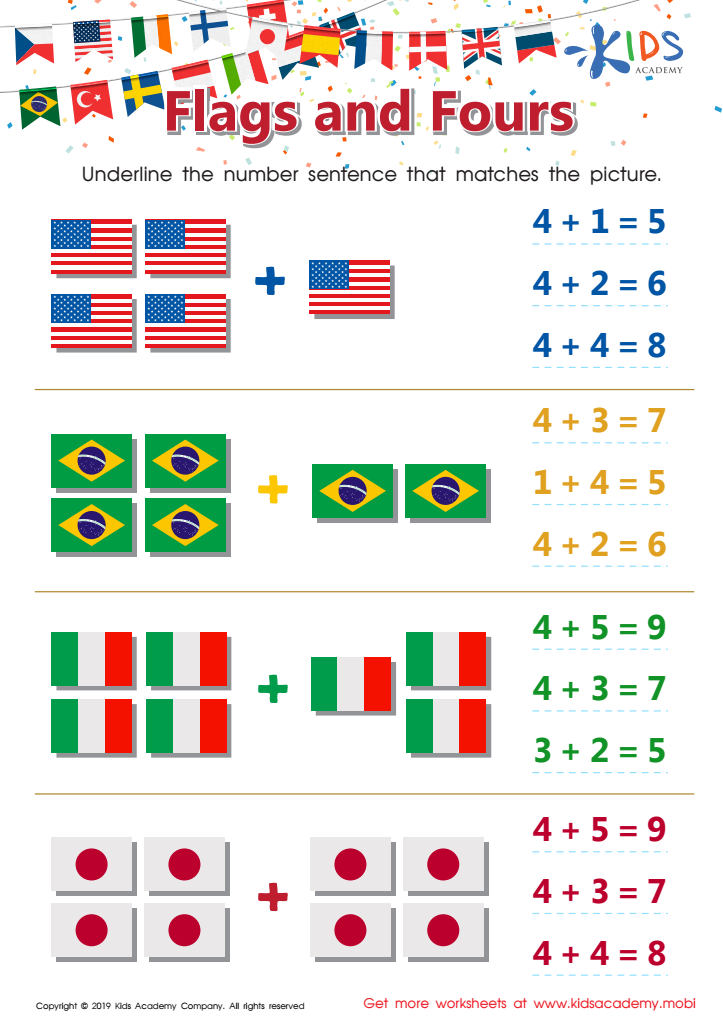
Flags and Fours Worksheet
 Assign to My Students
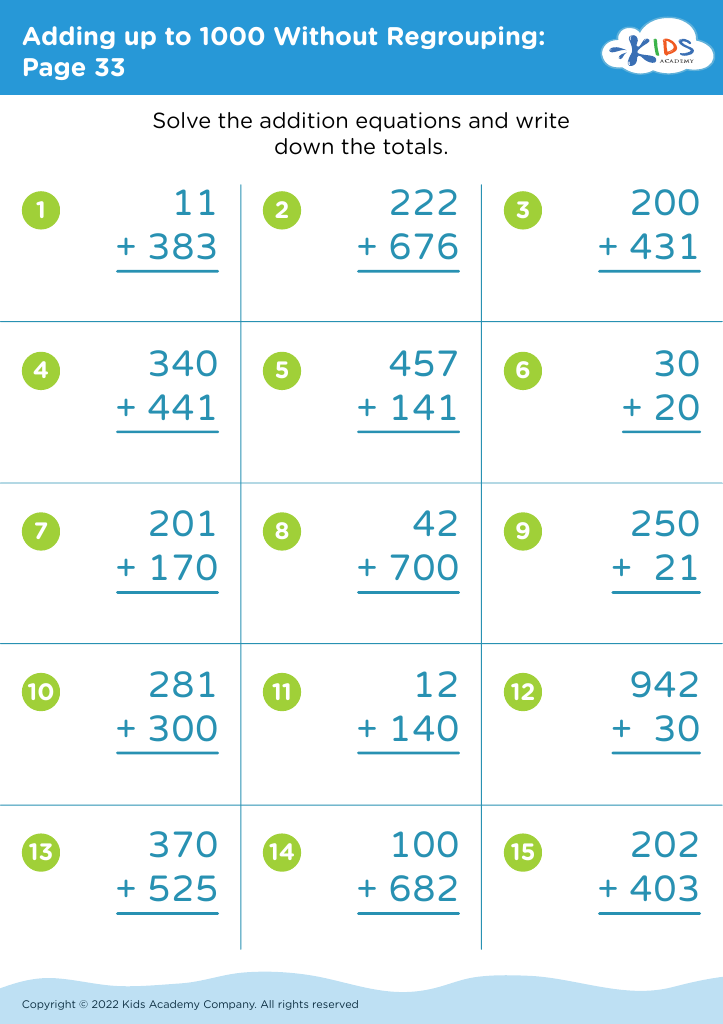





.jpg)


Pattern recognition in addition is crucial for children aged 3-8 because it lays the groundwork for essential mathematical skills and critical thinking. At this young stage, when cognitive abilities are rapidly developing, helping children recognize and comprehend patterns fosters their ability to make connections between numbers, understand sequences, and tackle more complex math concepts in the future.
Understanding patterns contributes to operational understanding in addition; for instance, recognizing how 2 + 2 always equals 4 encourages kids to identify relationships and predict outcomes. This skill aids in developing numeracy and problem-solving abilities, serving as a bridge between basic arithmetic and advanced mathematics.
Moreover, pattern recognition promotes engagement and cultivates a love for learning. Children are naturally drawn to repetition and structure, making learning more fun and effective. By integrating visual aids, games, and hands-on activities into lessons, parents and teachers can create an interactive environment where children thrive. Recognizing patterns also extends beyond mathematics and nurtures critical thinking, creativity, and analytical skills. Thus, fostering this ability is vital for a child's academic journey, helping them become confident learners and adept problem solvers in various subjects and real-life situations.








