Recognize shapes Addition Worksheets for Ages 3-8
9 filtered results
-
From - To
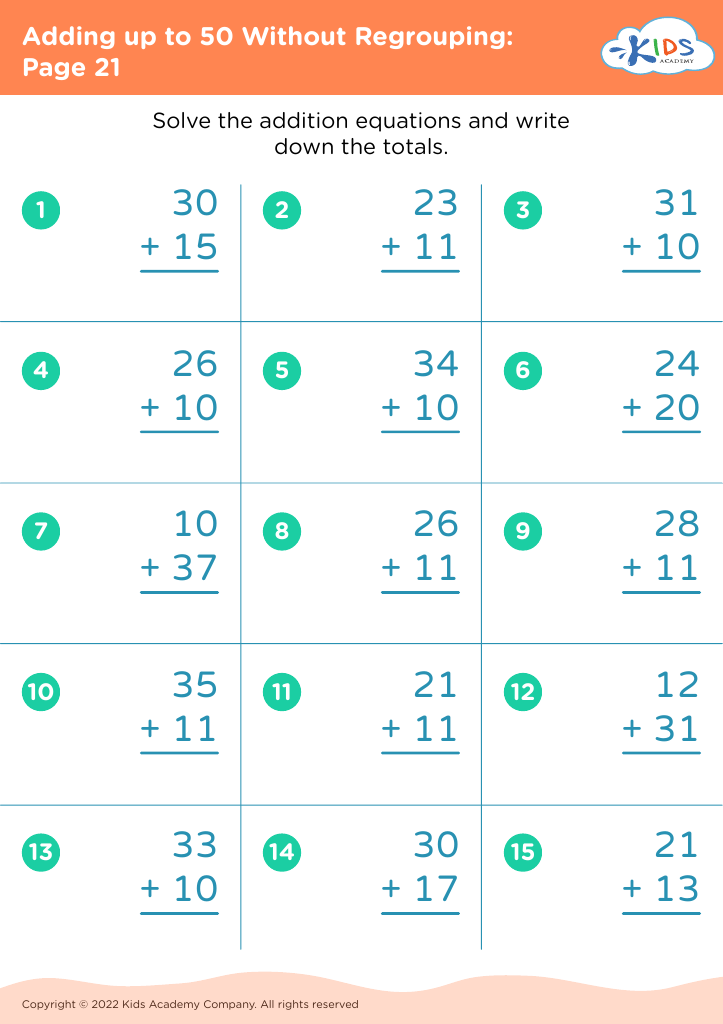
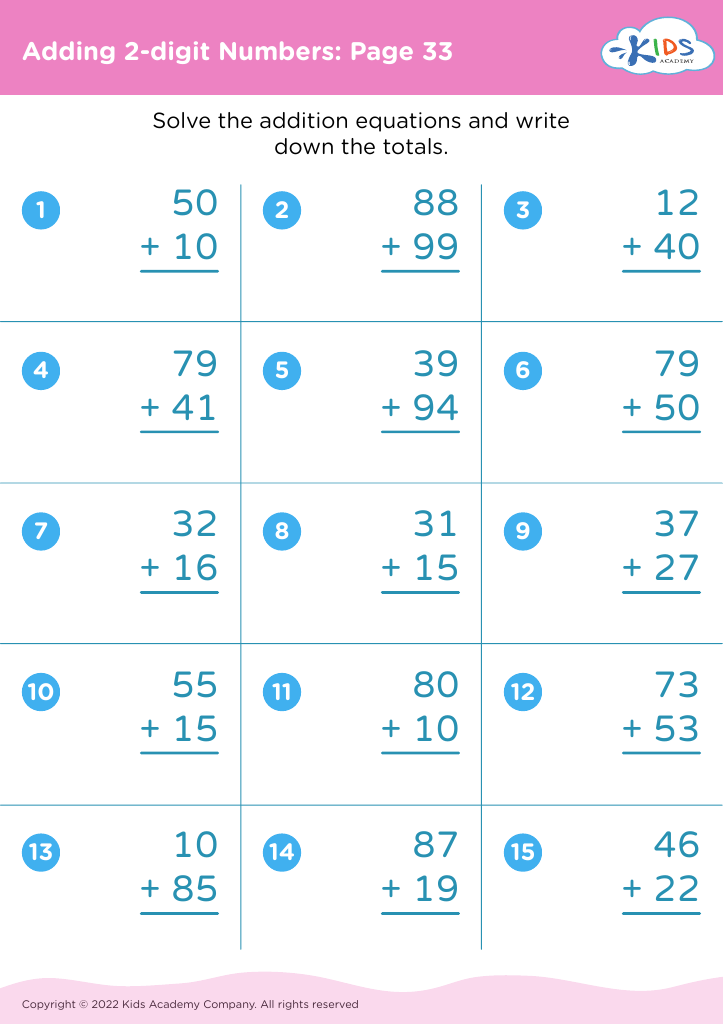
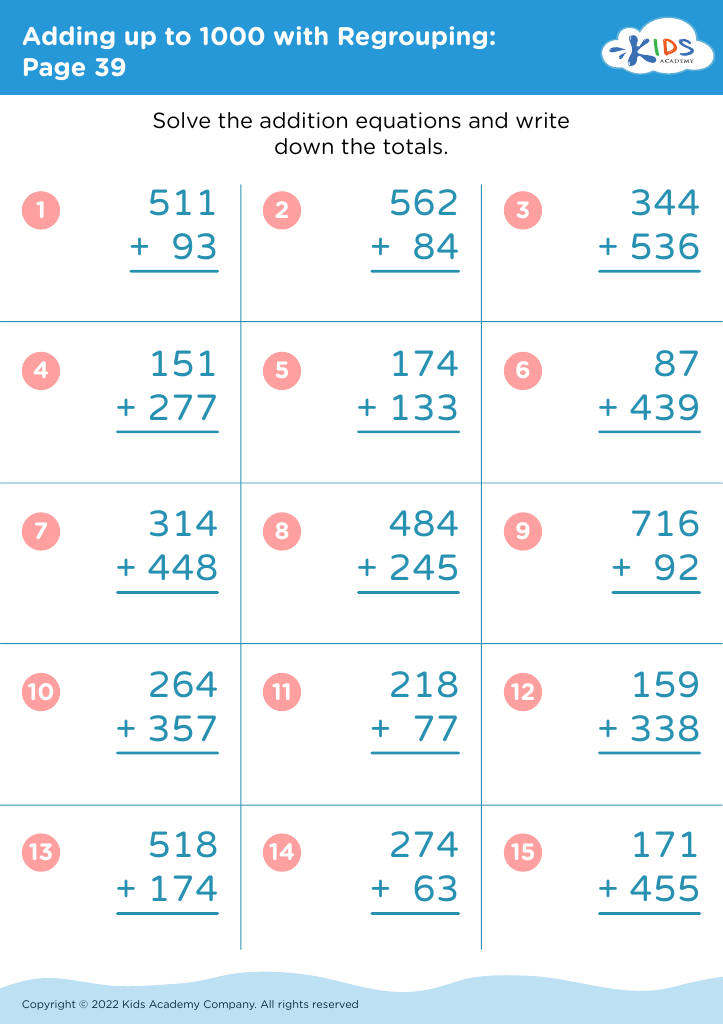
Explore our "Recognize Shapes Addition Worksheets for Ages 3-8" to make learning exciting for young minds! These engaging worksheets combine the fundamentals of basic addition with shape recognition, enhancing both math and cognitive skills. Perfect for preschool and early elementary students, each colorful sheet features fun activities that promote counting, problem-solving, and geometric awareness. Tailored to suit the developmental needs of children aged 3-8, these resources make learning interactive and enjoyable. Ideal for classroom or home use, our worksheets ensure that your child grasps essential math concepts while having fun with shapes!
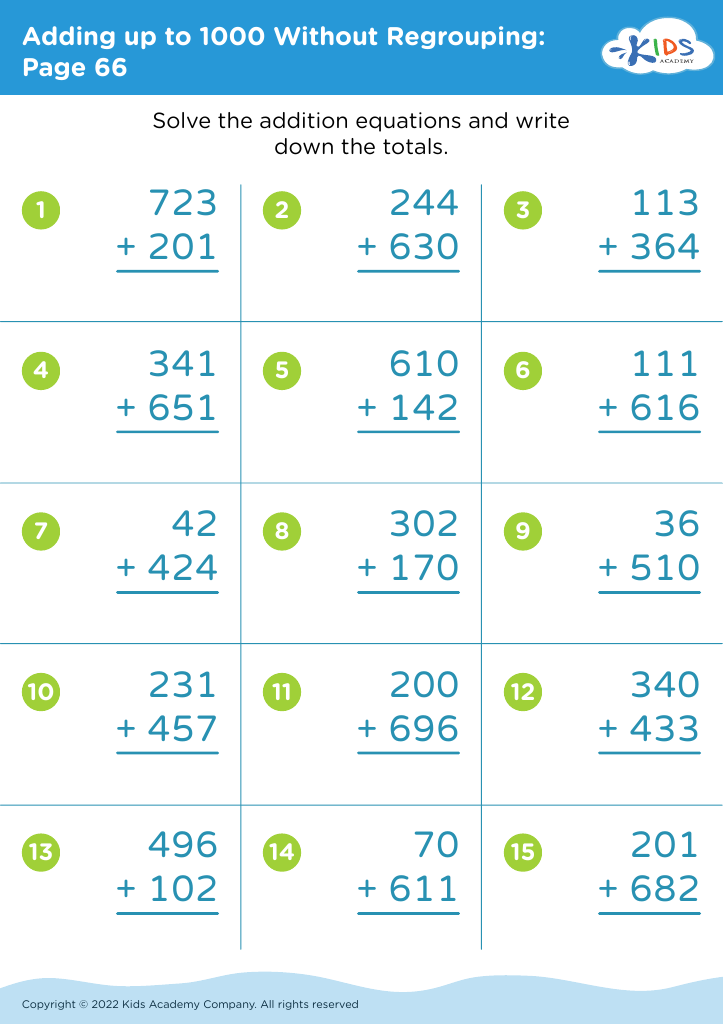
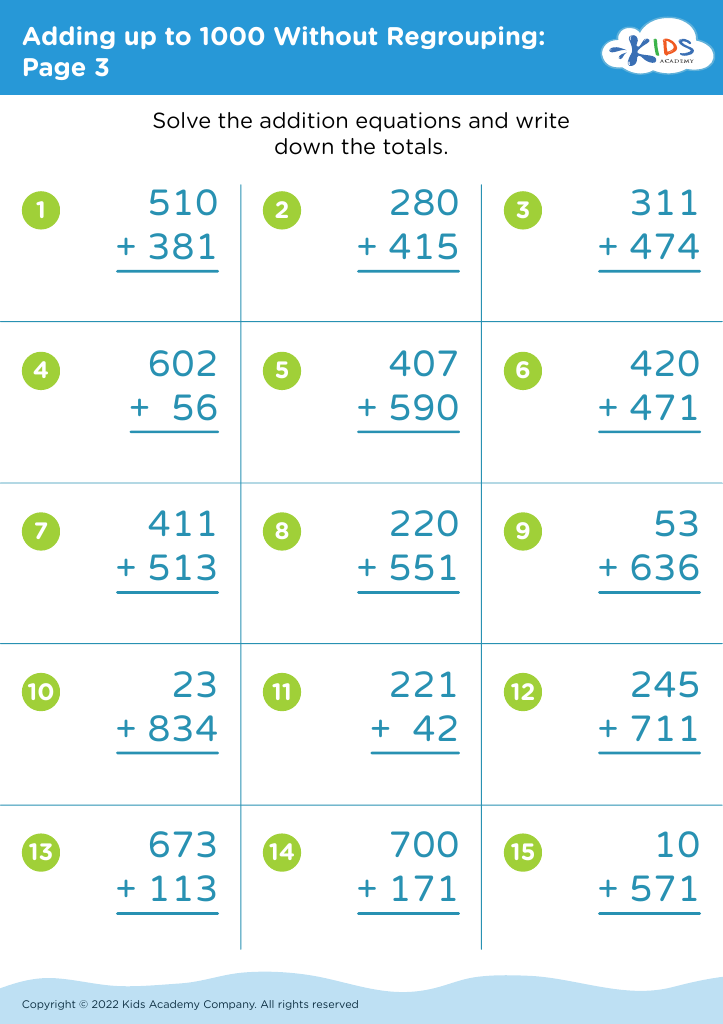
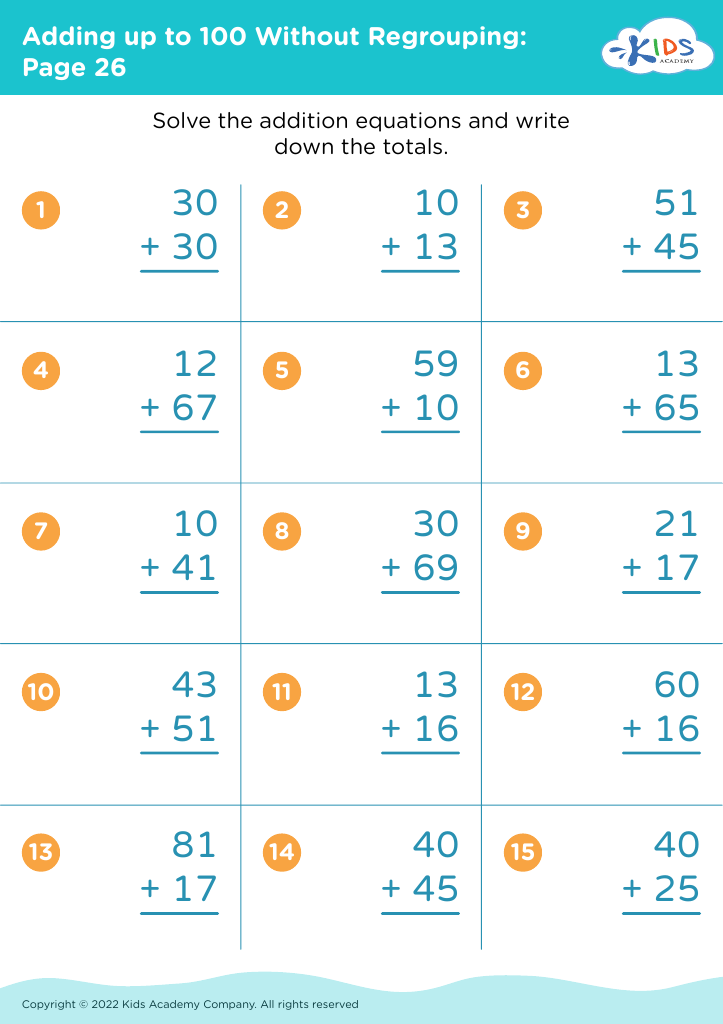
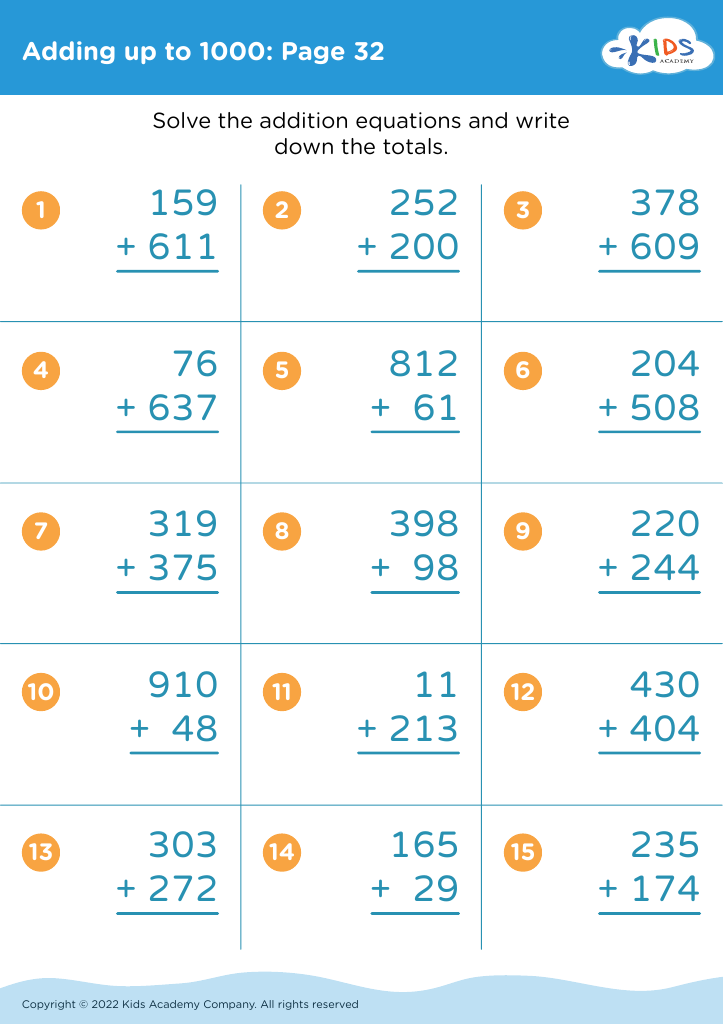
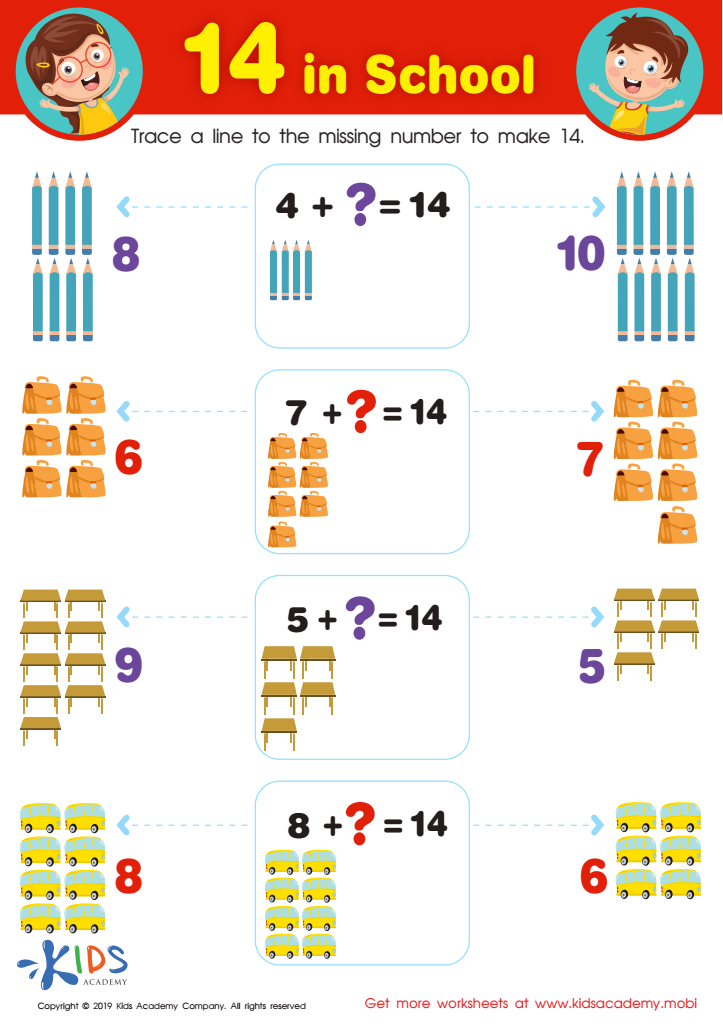
14 in School Worksheet
 Assign to My Students
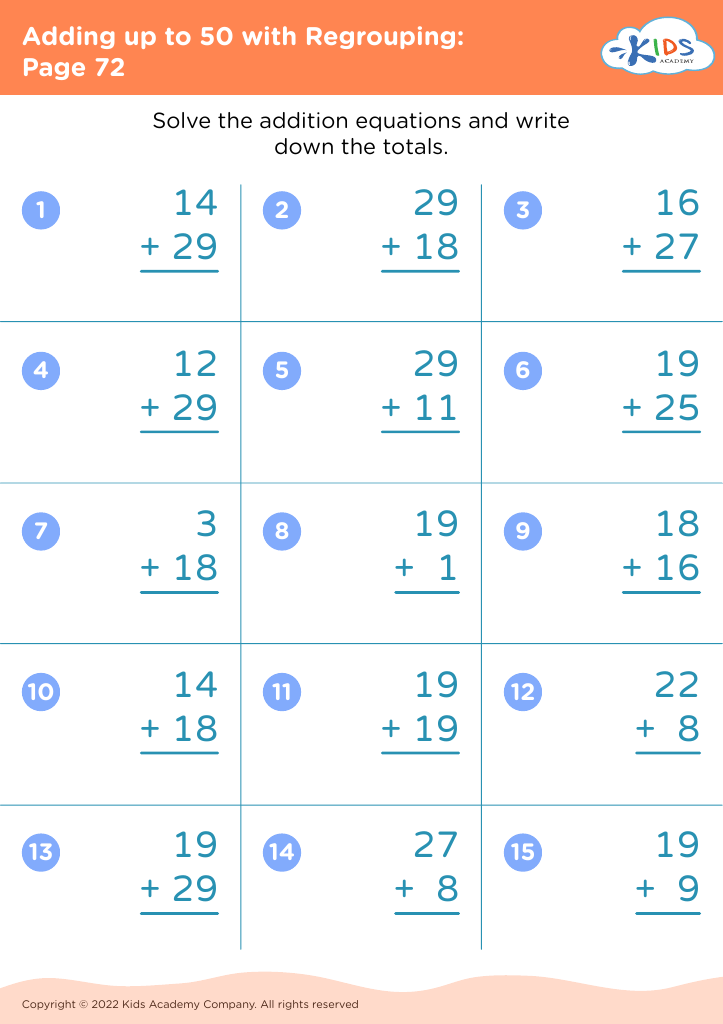






.jpg)

Recognizing shapes and understanding addition are essential building blocks in the cognitive and mathematical development of children aged 3-8. Early exposure to these concepts provides a foundation for more complex learning in later stages. Shapes help young children make sense of the world around them. By identifying and naming shapes, children enhance their spatial awareness and descriptive vocabulary, which supports future learning in geometry, science, and art. Moreover, shape recognition is crucial for developing visual discrimination skills necessary for reading and writing.
Addition, on the other hand, lays the groundwork for arithmetic, one of the fundamental components of math. Learning to add at an early age fosters logical thinking and problem-solving skills. When children begin to understand that numbers have relationships and can be combined to make new numbers, they start grasping the basic concept of operations, which becomes essential for all higher-level math. Additionally, practicing addition builds memory and improves the ability to follow sequences and recognize patterns, all of which are important in diverse academic areas.
Therefore, parents and teachers should actively engage children in identifying shapes and practicing basic addition. This engagement promotes a solid mathematical foundation, encourages a positive attitude towards learning, and equips children with critical skills needed for their academic journey and everyday life.








