Shape identification Addition Worksheets for Ages 3-8
13 filtered results
-
From - To
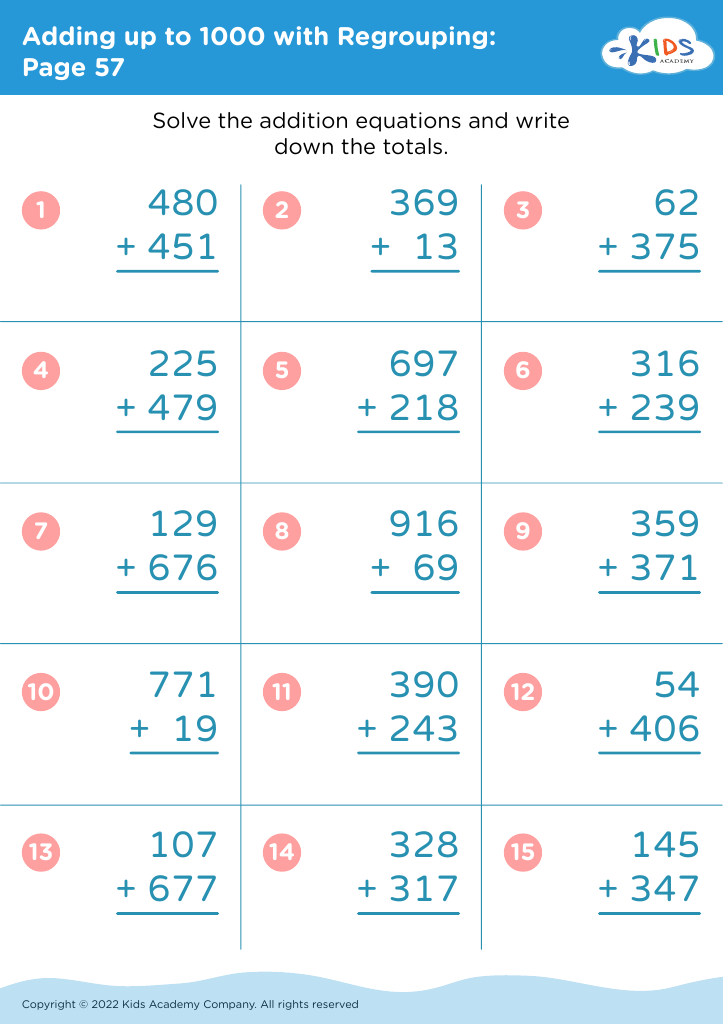
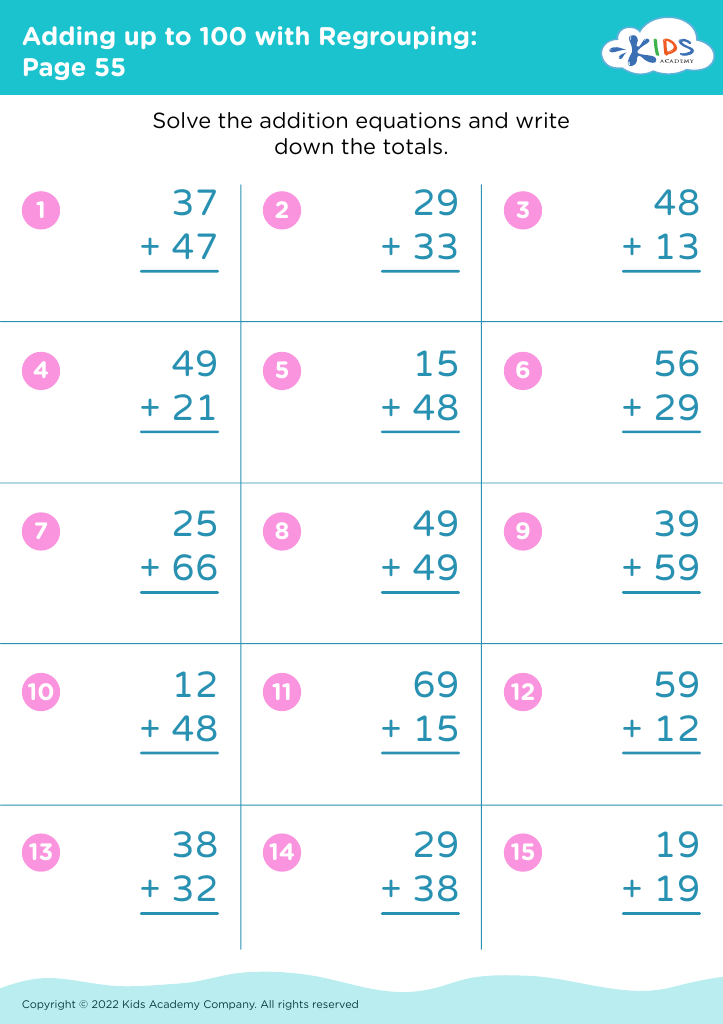
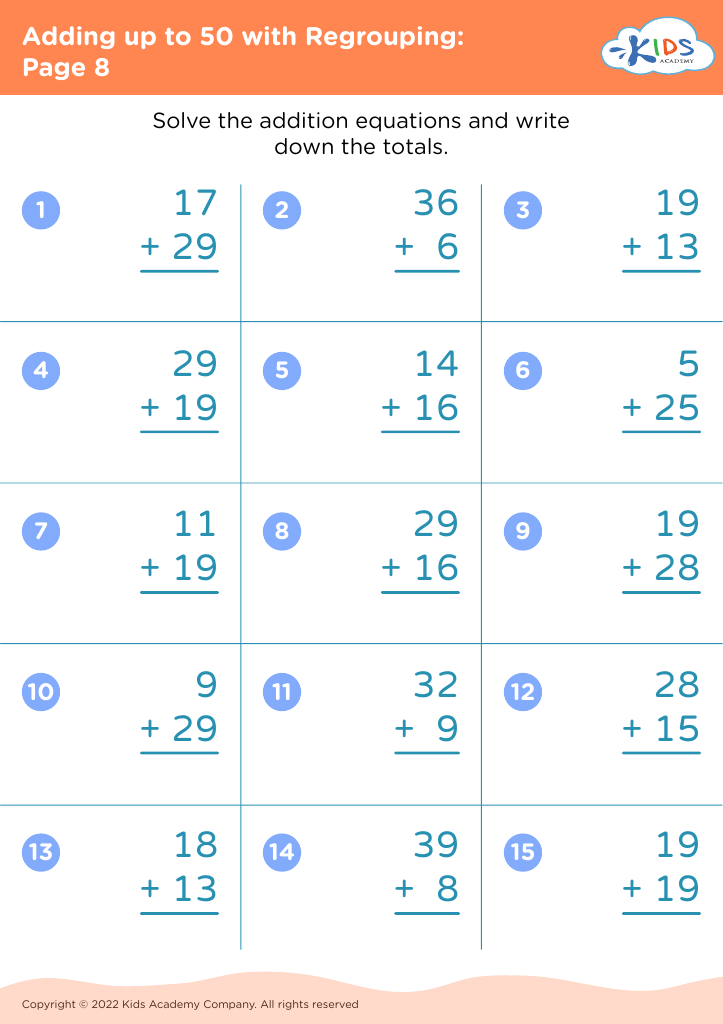
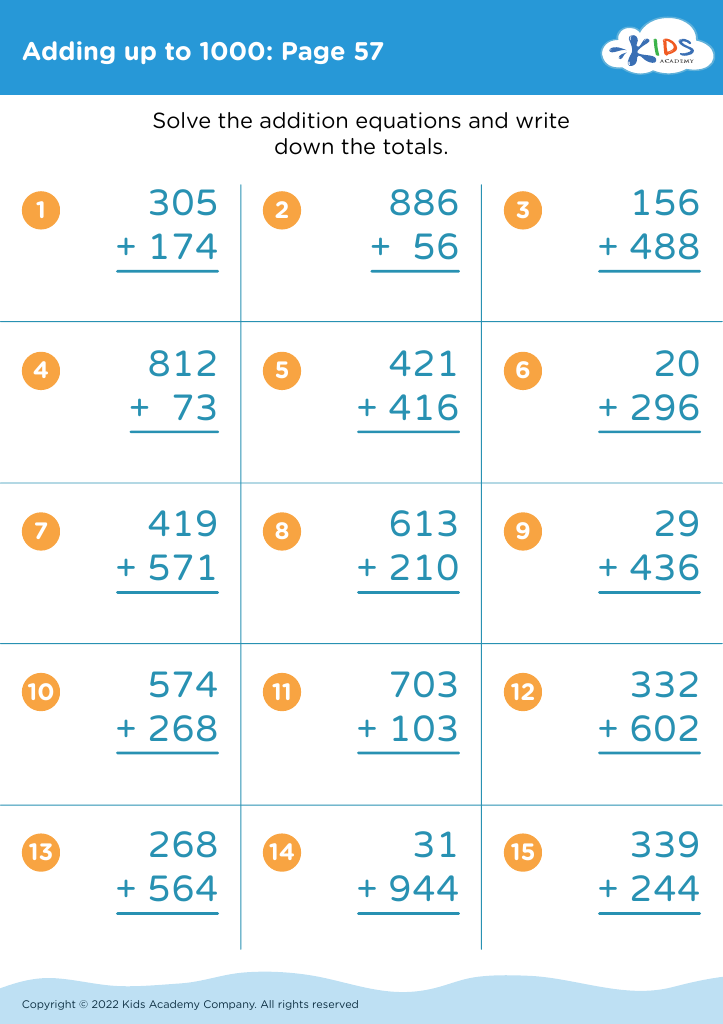
Introducing our Shape Identification Addition Worksheets for Ages 3-8! Merging fundamental math skills with shape recognition, these engaging worksheets are perfect for young learners. Children will love exploring basic addition through vibrant, interactive activities designed to enhance cognitive development and fine motor skills. Each worksheet features colorful shapes and simple math problems tailored to beginners, creating a fun and educational environment. Boost your child's math confidence and shape identification abilities with Kids Academy's trusted resources, supporting foundational learning and preparing them for more advanced concepts. Make math fun and memorable with these exciting worksheets today!
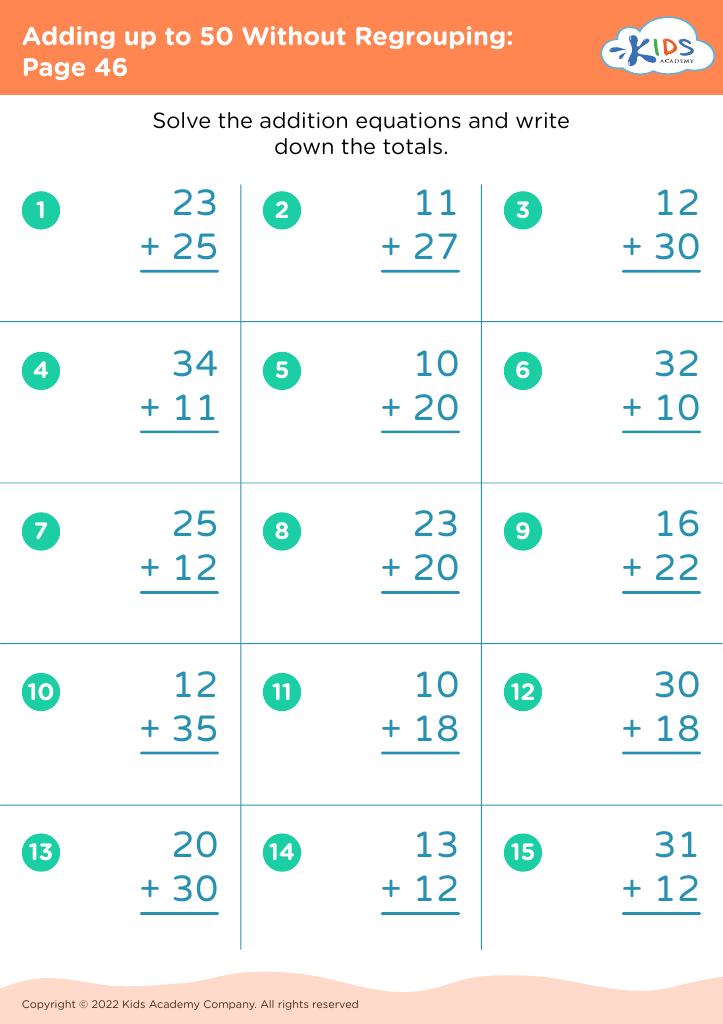
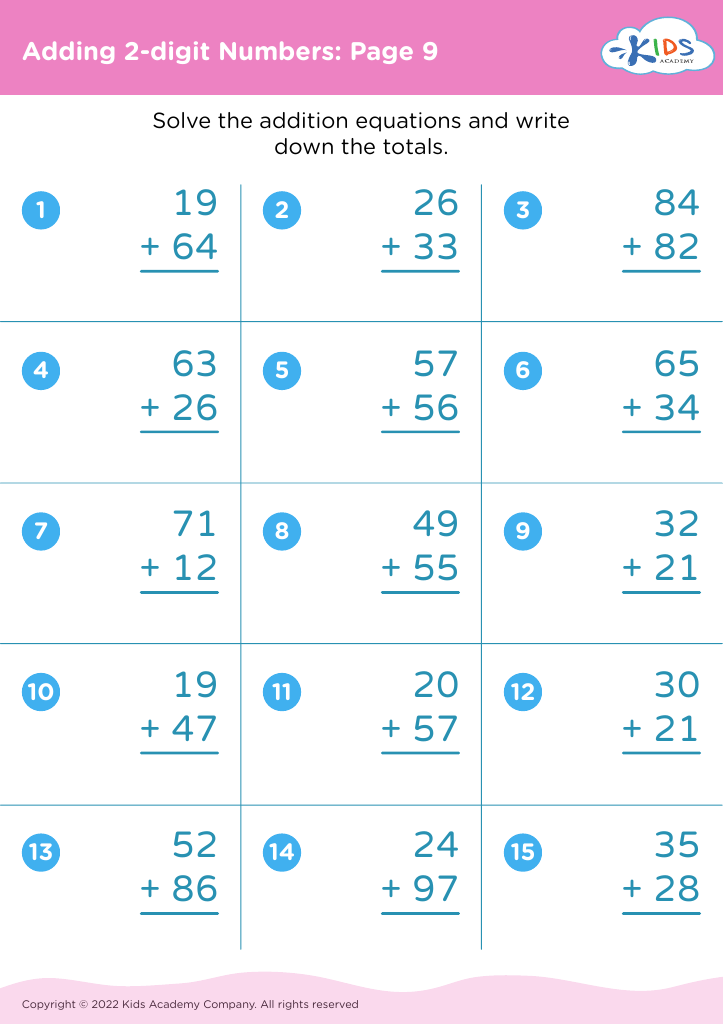
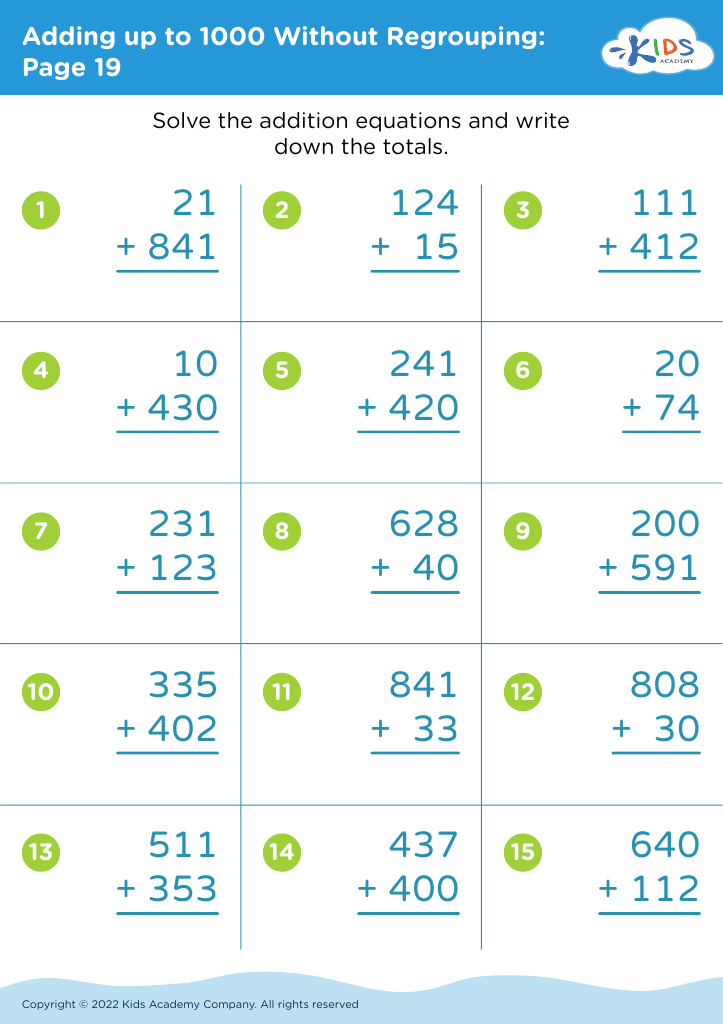
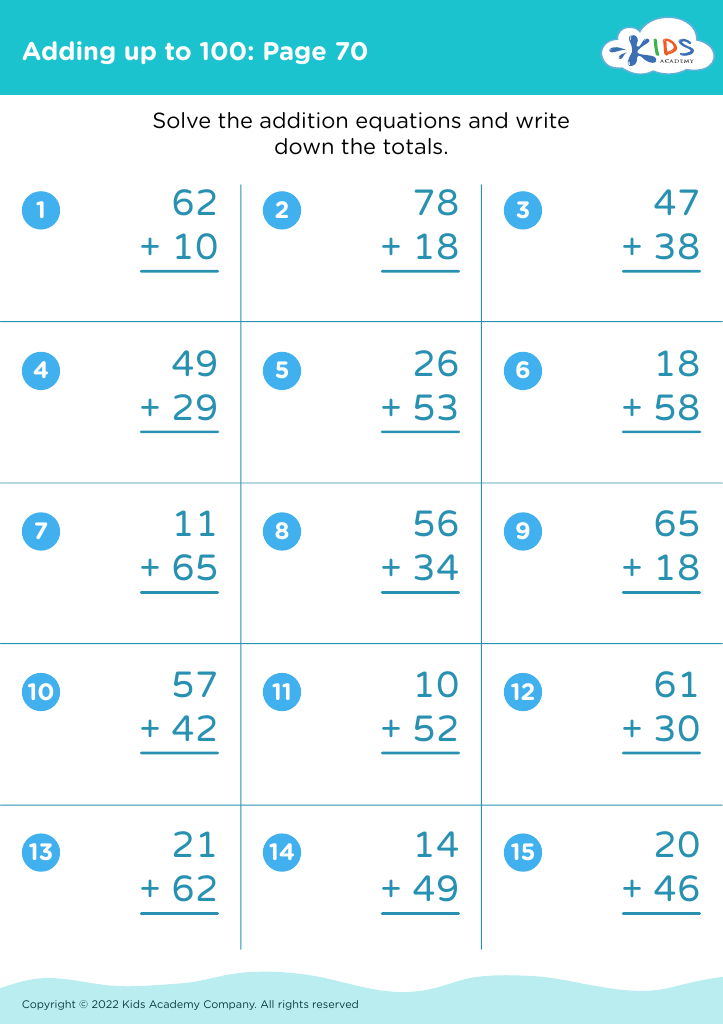
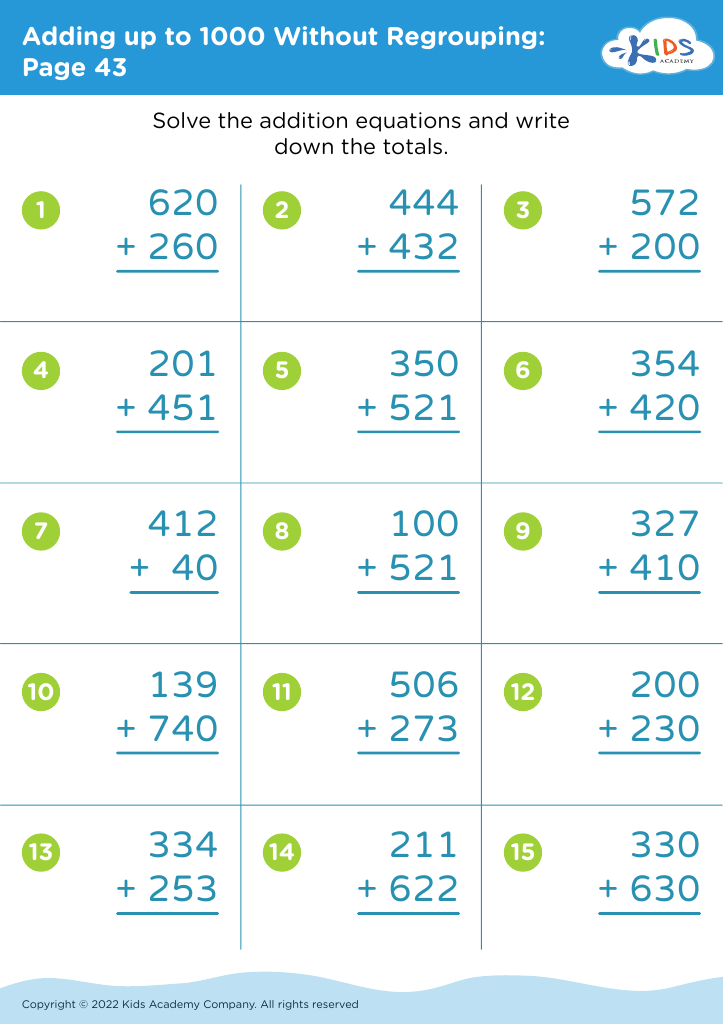








Shape identification and addition are fundamental skills that play a significant role in the cognitive development of children aged 3-8. At this developmental stage, young minds are highly receptive and actively forming the building blocks for future learning. Knowing shapes enables children to communicate visually and organize visual information efficiently, which is vital for reading readiness and decoding shapes and letters. For instance, recognizing that an "O" is round or distinguishing between "P" and "Q" helps with early literacy skills.
Addition, on the other hand, introduces basic mathematical concepts that are crucial for more advanced arithmetic later on. Simple addition enhances numerical understanding and allows children to grasp the idea of combining quantities to derive new totals. Furthermore, engaging in addition activities supports the development of problem-solving skills and logical thinking.
Combined, shape identification and basic addition activities foster fine motor skills, improve visual and spatial perception, and build a child's confidence in their ability to learn new concepts. Both skills are essential for everyday activities, from sorting toys by shape and color to adding up items during play. Hence, by prioritizing these educational activities, parents and teachers set a strong foundation for more complex academic and life skills, fostering a lifelong love for learning.








