Time conversion skills Addition Worksheets for Ages 3-8
3 filtered results
-
From - To
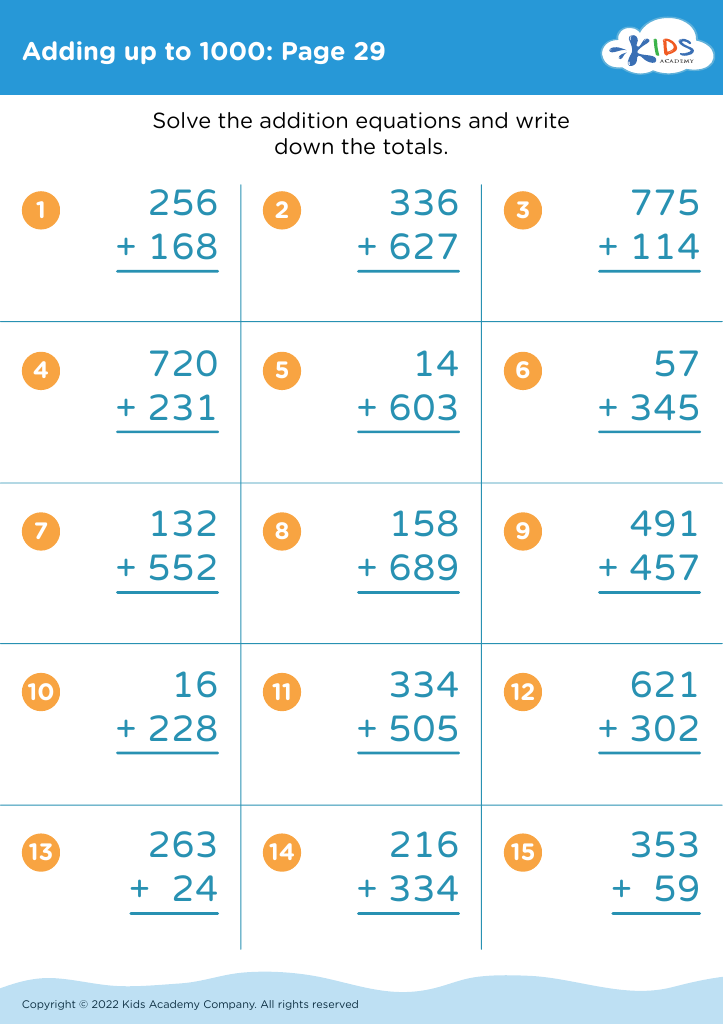
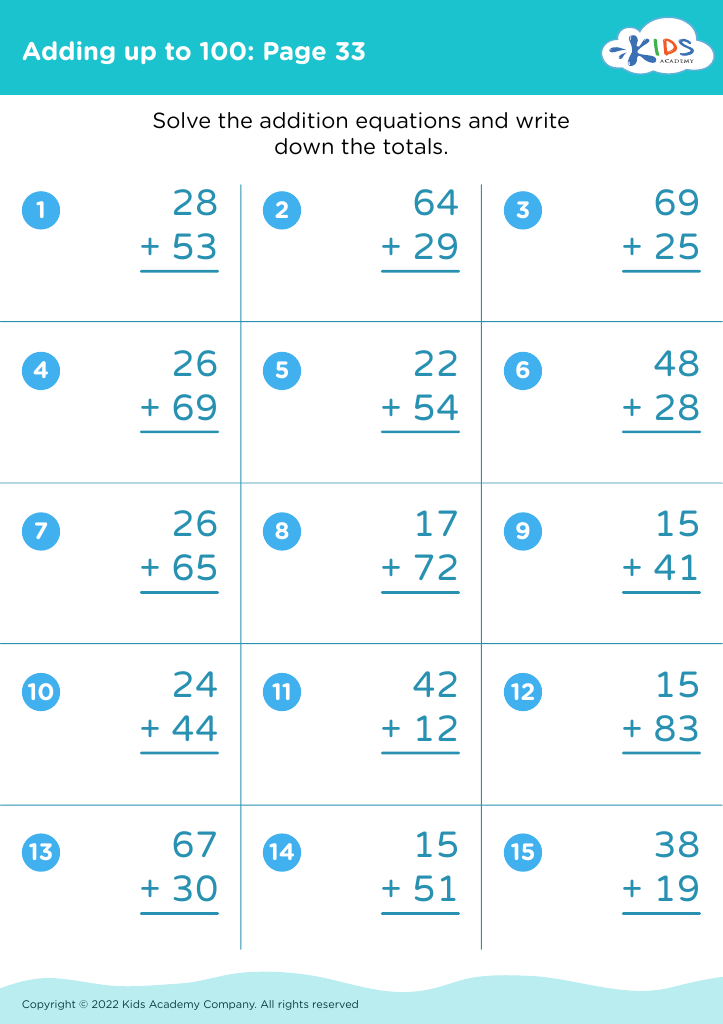
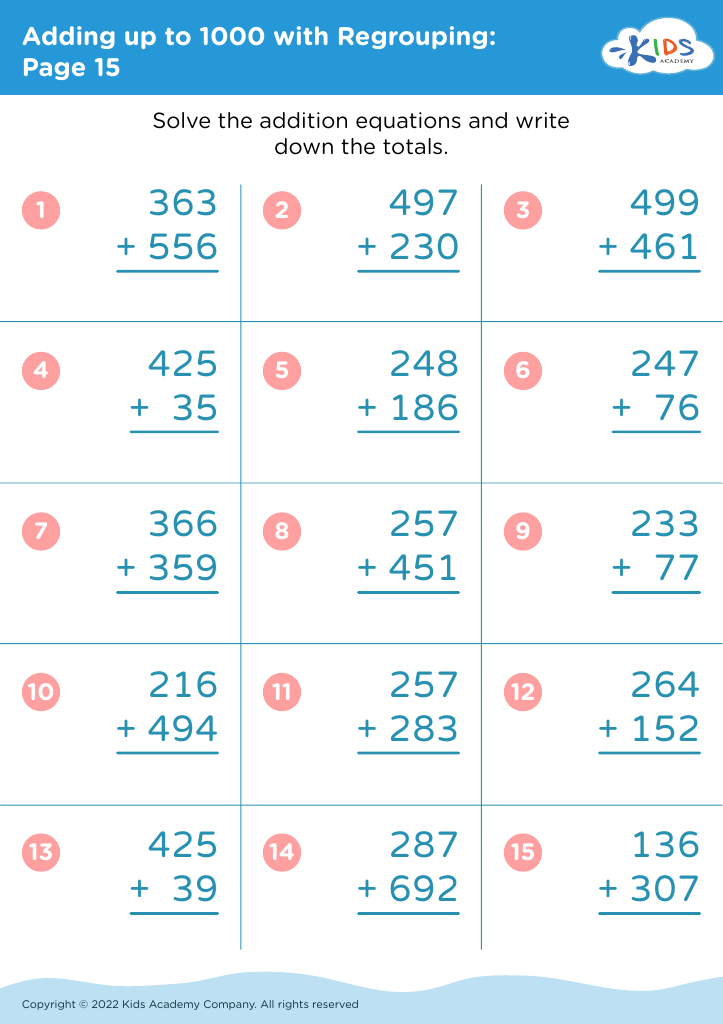
Discover effective Time Conversion Skills Addition Worksheets designed for children ages 3-8! These engaging and interactive worksheets help young learners understand time concepts while mastering addition. With a focus on visual and hands-on learning, students will effortlessly convert hours and minutes through fun activities and colorful illustrations. Ideal for classrooms or home learning, our worksheets cater to various skill levels to ensure every child thrives. Foster essential math skills early on with these user-friendly resources that combine education and excitement. Encourage your child's confidence in math and time management today with our accessible and enjoyable time conversion worksheets!


.jpg)





Teaching time conversion skills, particularly addition, to children aged 3-8 is essential for several reasons. First, it fosters foundational math skills crucial for future learning. Understanding how to manipulate time, such as adding hours and minutes, helps build a strong number sense. This skill set sets the stage for more complex mathematical concepts.
Additionally, time management is a vital life skill. By learning to convert and add time, children can better comprehend schedules, routines, and the concept of past, present, and future. Understanding time can significantly increase their independence as they learn to plan and prioritize activities.
Moreover, incorporating engaging methods, such as games and hands-on activities, makes learning about time conversion exciting and effective. It enhances cognitive development and improves memory and problem-solving skills.
For parents and teachers, instilling these skills early on helps these young learners navigate their daily lives with confidence and eases transitions into more structured environments, such as school. By valuing time conversion skills now, parents and educators not only nurture children's educational growth but also equip them with essential skills that can influence their success in the future.








