
Understanding seasons Addition Worksheets for Ages 3-8
3 filtered results
Difficulty Level
Grade
Age
-
From - To
Subject
Activity
Standards
Explore our engaging "Understanding Seasons Addition Worksheets" tailored for children ages 3-8! Designed to nurture essential math skills, these worksheets incorporate seasonal themes, making learning fun and relatable. Each activity helps young learners grasp basic addition concepts while exploring the beauty of nature throughout the year. Children will enjoy colorful illustrations and interactive exercises that foster a deeper connection to the changing seasons, all while building their confidence in math. Perfect for educators and parents alike, these worksheets provide a creative way to enhance early math learning at home or in the classroom. Start your child’s addition journey today!
Favorites
With answer key
Interactive
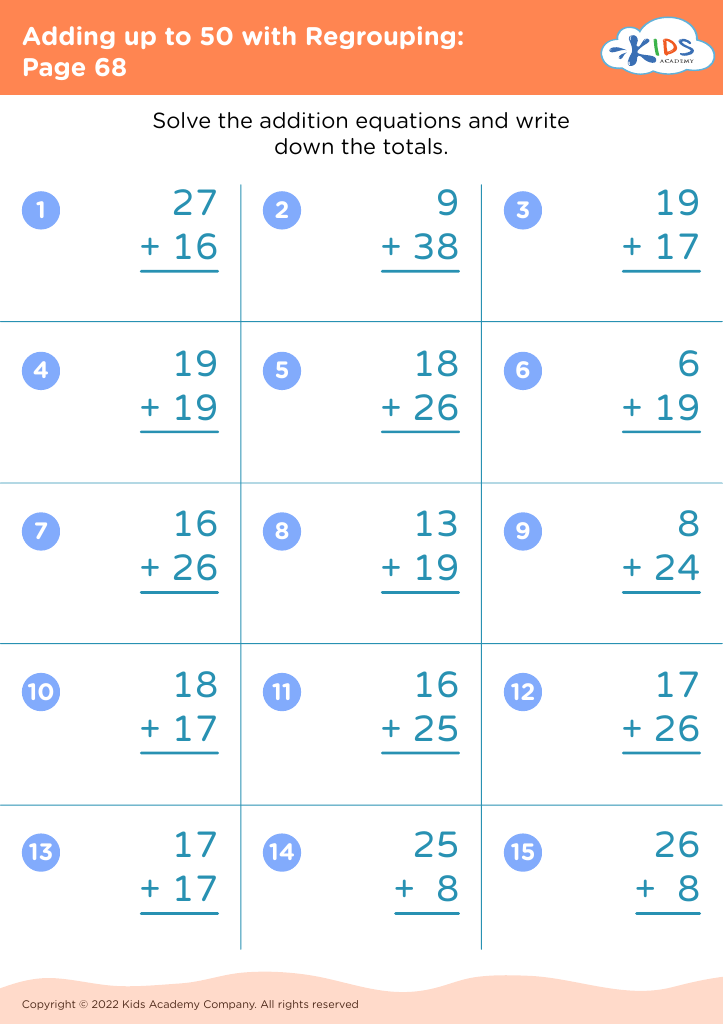
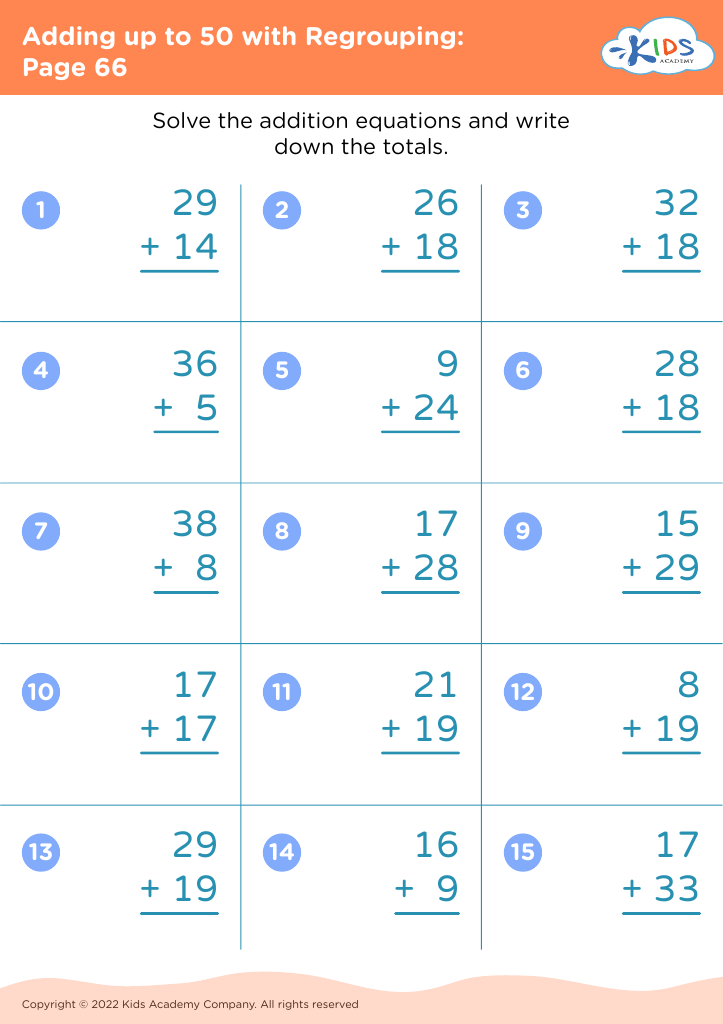
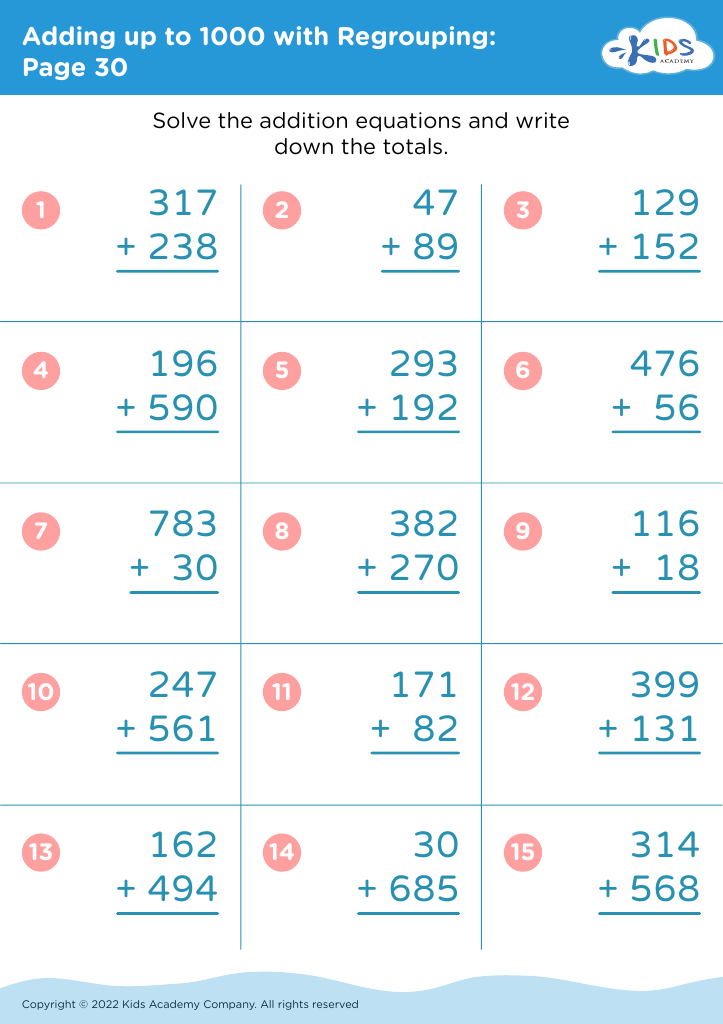
Join Kids Academy for Free
Who is primarily going to use this learning content?







.jpg)
Understanding seasons and the concept of addition is crucial for children aged 3-8 because it lays a foundational understanding of their environment and basic math skills. At this age, children are naturally curious and observational. Teaching them about seasons enables them to make connections between weather changes, nature, and daily life experiences. This understanding fosters cognitive development, enhances their observational skills, and improves problem-solving abilities.
Incorporating addition into seasonal learning provides an engaging way to introduce basic math concepts. For example, counting flowers in spring, adding leaves in autumn, or even measuring snowfall in winter allows children to visualize the concept of addition through relatable, tangible experiences. This hands-on approach solidifies their learning and makes mathematics fun and meaningful.
Moreover, parents and teachers play a pivotal role in reinforcing these concepts. Engaging children in seasonal activities such as planting seeds, observing weather patterns, or even seasonal crafts can enhance learning and retention. By caring about these experiences, adults foster a love for learning in children that can last a lifetime. Ultimately, understanding the seasons along with learning basic addition equips young children with knowledge that is not only educational but also enriching to their everyday lives.








