
Visual discrimination Addition Worksheets for Ages 3-8
5 filtered results
Difficulty Level
Grade
Age
-
From - To
Subject
Activity
Standards
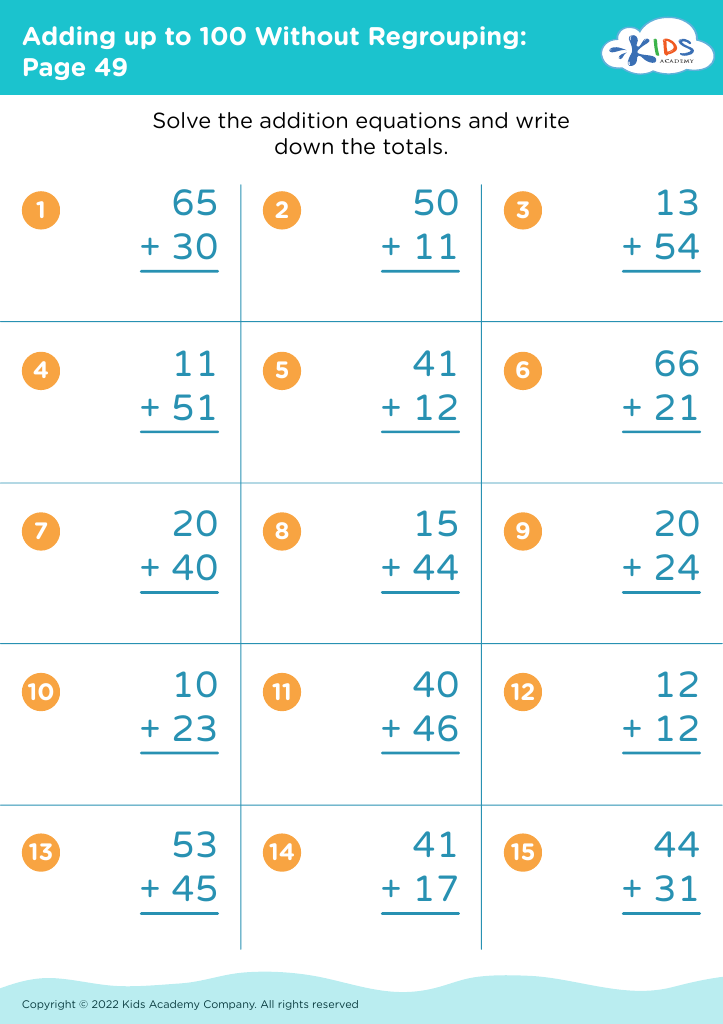
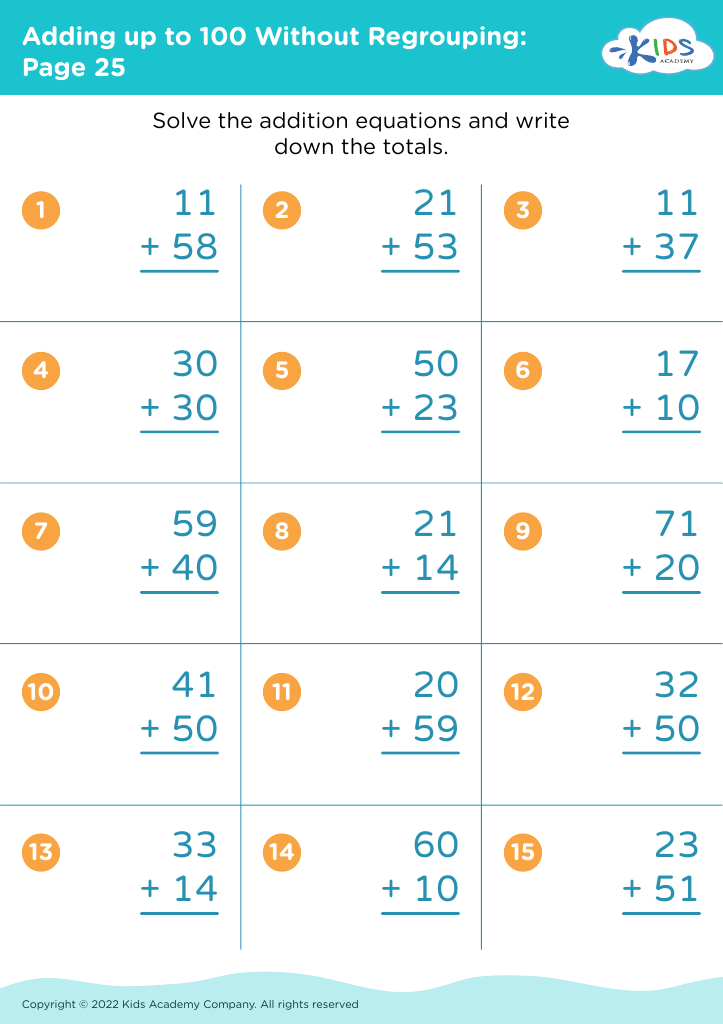
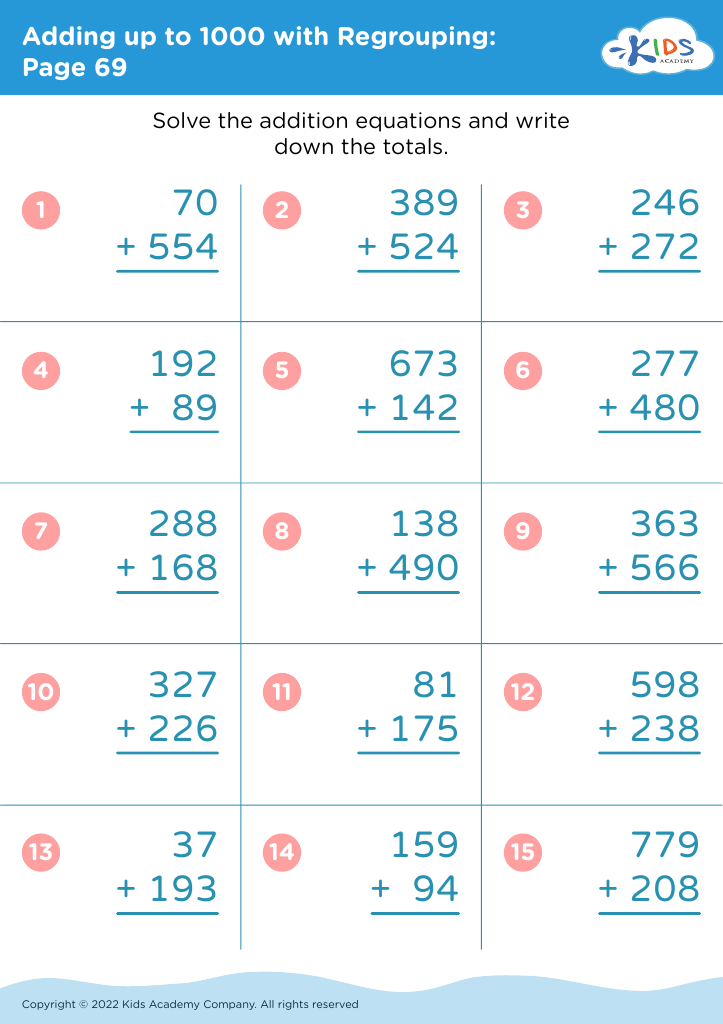
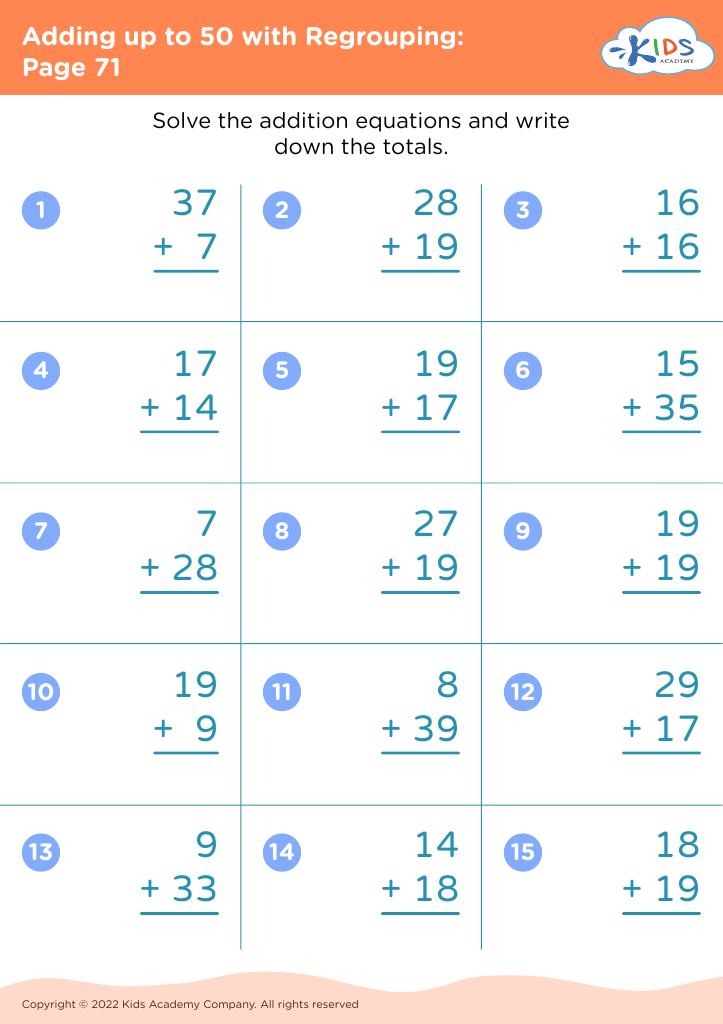
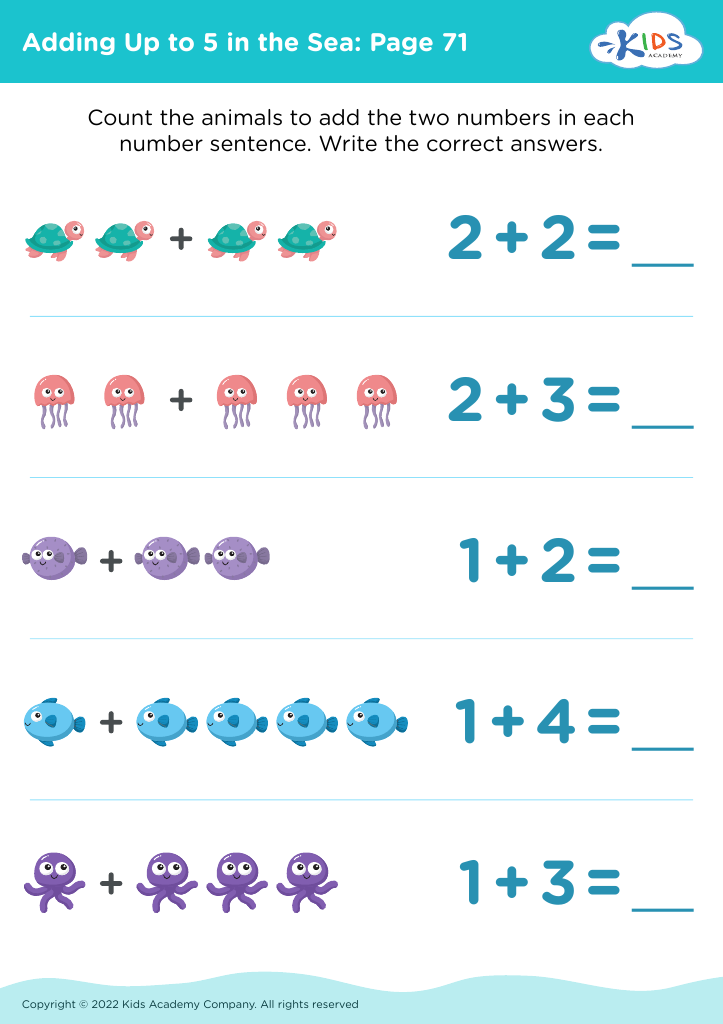
Introduce your child to a world of exciting learning with our Visual Discrimination Addition Worksheets for ages 3-8. Designed to engage young minds, these worksheets blend math practice with visual learning to help children master addition. Bright images and enticing exercises enhance their ability to differentiate and recognize numbers, improving foundational math skills and cognitive development. Ideal for both classroom and at-home activities, these printable worksheets simplify complex concepts through fun, hands-on activities. Set your child on a path to success in math and critical thinking today! Explore our collection and start boosting your child's confidence and ability in math.
Favorites
With answer key
Interactive
Join Kids Academy for Free
Who is primarily going to use this learning content?






.jpg)

Visual discrimination is the ability to recognize differences and similarities in shapes, patterns, colors, and objects. For young children aged 3-8, this skill is crucial as it lays the groundwork for academic success and everyday functioning. Here's why parents and teachers should focus on this:
1. Foundation for Reading and Writing: Visual discrimination helps children differentiate between letters and numbers, crucial for literacy and numeracy. For instance, recognizing the difference between 'b' and 'd' is fundamental to learning to read and write accurately.
2. Enhances Focus and Attention: Engaging in activities that bolster visual discrimination helps children develop their concentration. They learn to pay attention to detail and improve their ability to focus on tasks.
3. Supports Mathematical Skills: In math, visual discrimination allows children to understand and differentiate numbers, shapes, and patterns, helping them solve problems and understand concepts more clearly.
4. Boosts Confidence and Independence: When children can effectively distinguish visual discrepancies, they feel more confident in their abilities. This boosts their self-esteem and fosters independence.
5. Enhances Everyday Tasks: From tying shoelaces to identifying favorite items, visual discrimination is used in everyday tasks. Proficiency in this skill enables children to navigate their world more effectively and safely.
Investing time in visual discrimination activities can therefore enrich a child's developmental trajectory, academic performance, and essential life skills.








