Visual-motor skills Addition Worksheets for Ages 3-8
4 filtered results
-
From - To
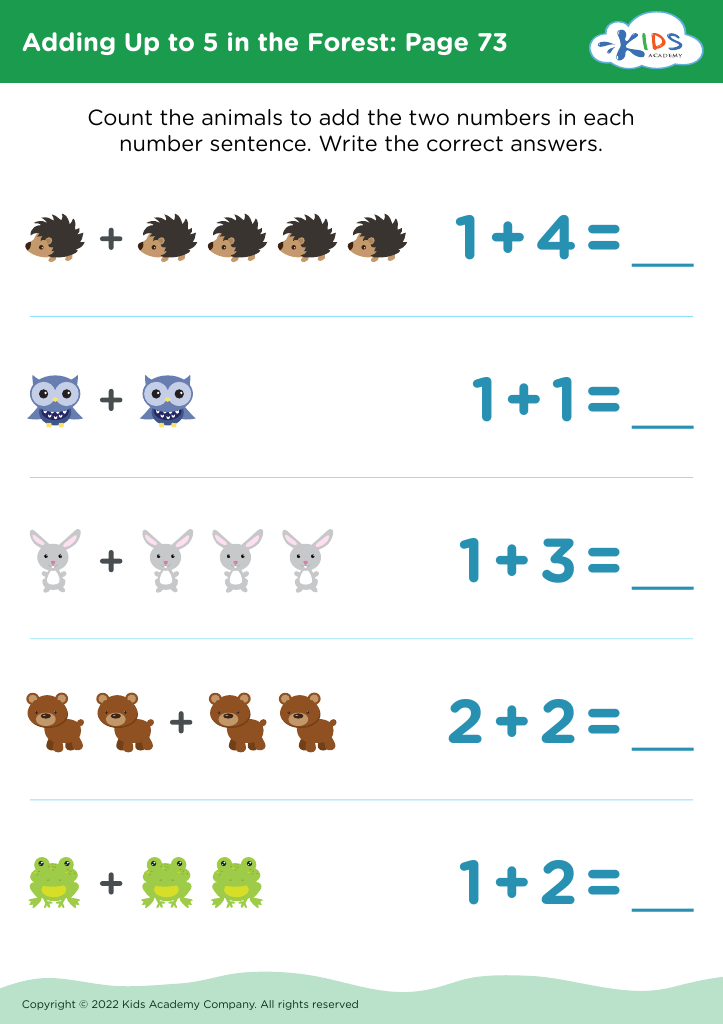
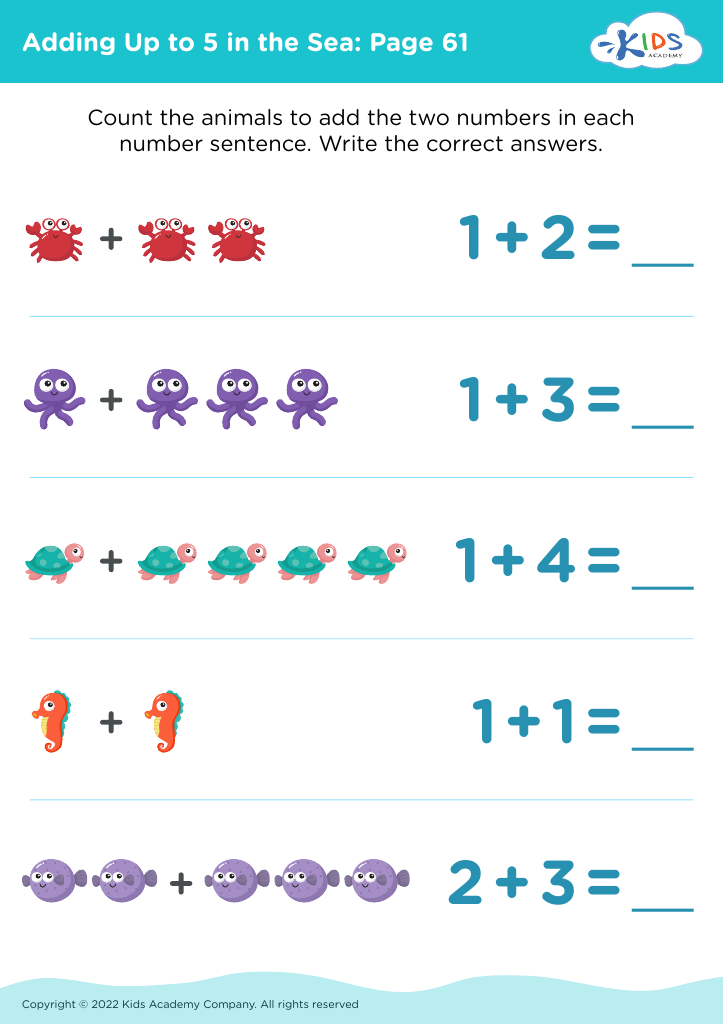
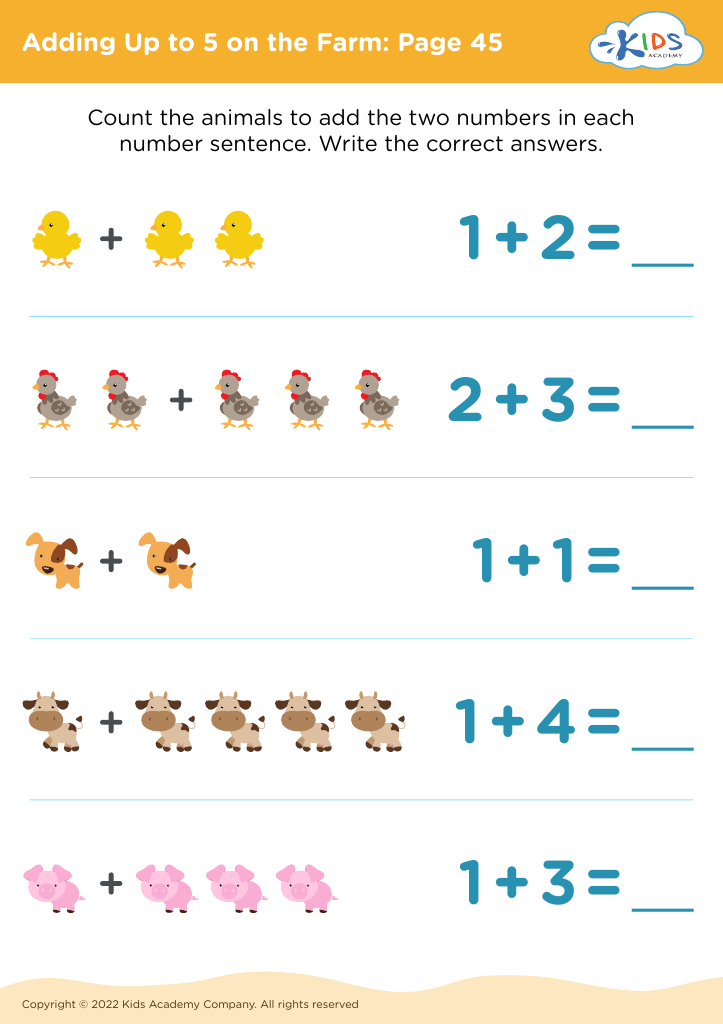
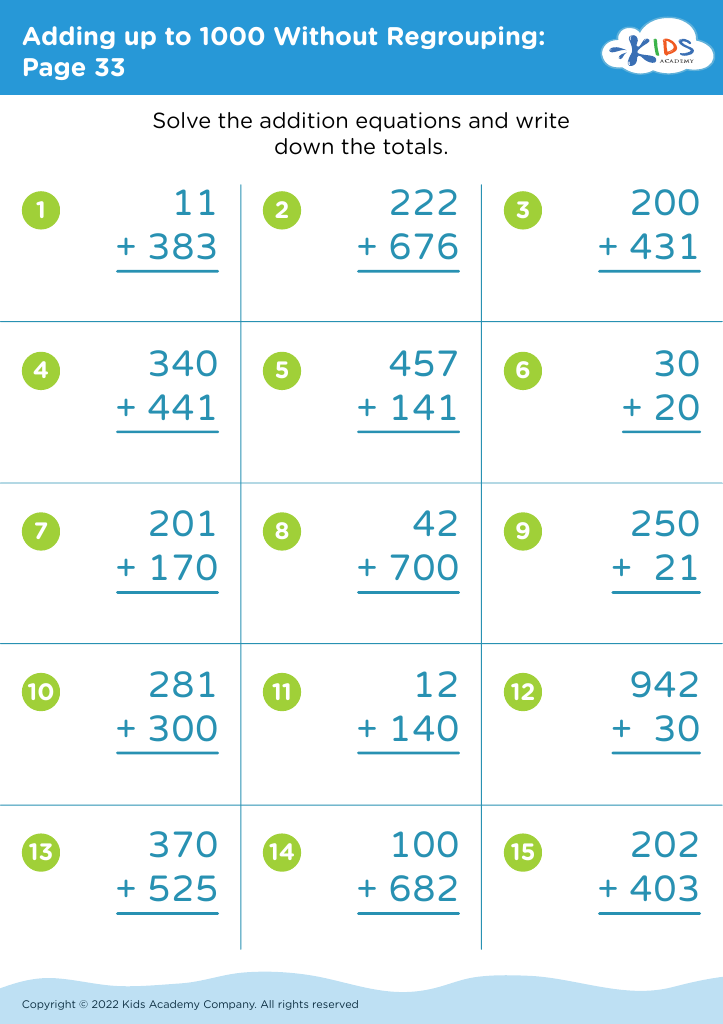
Enhance your child's learning experience with our Visual-Motor Skills Addition Worksheets designed for ages 3 to 8. These engaging, printable worksheets combine the fun of coloring and drawing with essential math practice, helping young learners develop their visual-motor coordination while mastering addition concepts. As children trace, color, and perform their addition exercises, they strengthen their fine motor skills, hand-eye coordination, and overall cognitive abilities. Perfect for preschool and early grade environments, these worksheets provide educators and parents with an effective tool to promote literacy through enjoyable activities. Download now and support your child’s journey to mathematical confidence!








Visual-motor skills are fundamental for young children's overall development, particularly for those aged 3-8. These skills integrate visual perception and fine motor coordination, enabling children to successfully perform tasks such as writing, drawing, cutting, and playing sports. For parents and teachers, fostering these skills is essential for several reasons.
Firstly, strong visual-motor skills contribute to academic readiness. As children learn to write letters and numbers, poor coordination can hinder their ability to express thoughts and ideas, impacting their literacy and numeracy development. Moreover, these skills are crucial for tasks that require hand-eye coordination, such as catching a ball or threading beads, thereby encouraging physical fitness and play.
Secondly, visual-motor development supports children’s confidence and self-esteem. Mastering practical tasks boosts a child’s belief in their abilities, making them more willing to engage in new activities and challenges. Additionally, these skills promote independence, as children learn to complete tasks without needing constant assistance.
Lastly, encouraging visual-motor skills fosters creativity. Activities like drawing and crafting allow children to express themselves creatively while enhancing their motor skills. Consequently, parents and teachers should prioritize visual-motor skill development to set a strong foundation for children’s future academic and personal success.








