Addition Practice Comparing Numbers Worksheets for Ages 3-8
3 filtered results
-
From - To
Enhance your child's math skills with our "Addition Practice Comparing Numbers Worksheets" designed for ages 3-8. These engaging worksheets focus on helping young learners master basic addition while comparing numbers, encouraging critical thinking and mathematical reasoning. Each worksheet is crafted to be interactive and enjoyable, turning math practice into a fun-filled activity. Ideal for classroom and home use, our resources nurture essential foundational skills, helping children build confidence in mathematics. With colorful illustrations and varied problems, kids will develop key competencies in a playful manner. Start your child's math journey today and watch them thrive in numeracy!
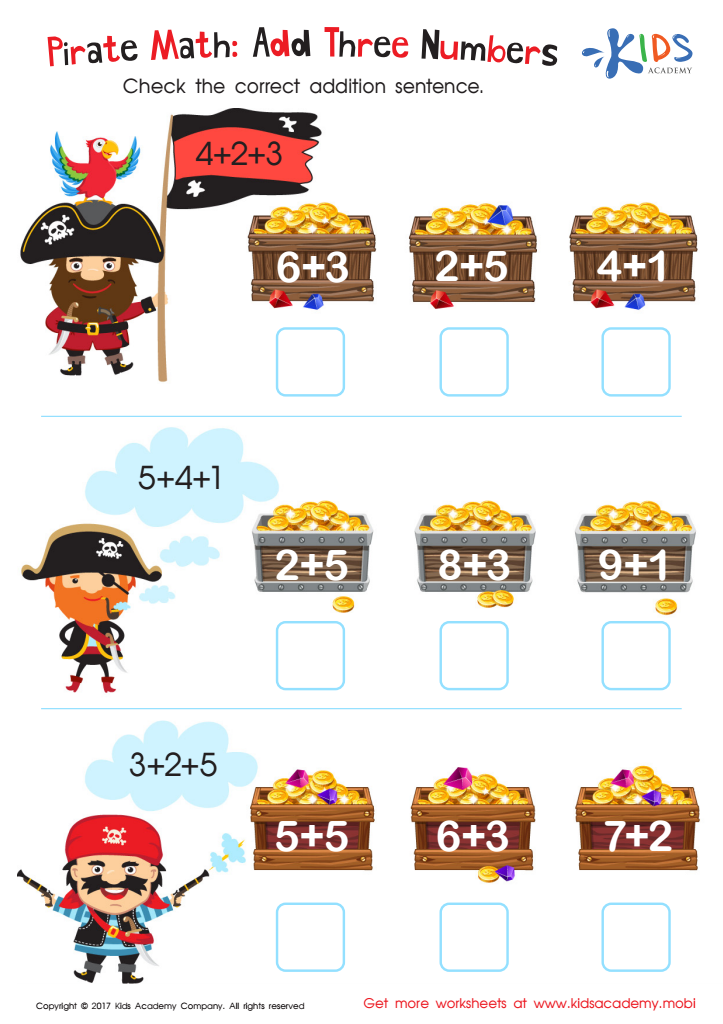
Pirate Math Printable
 Assign to My Students
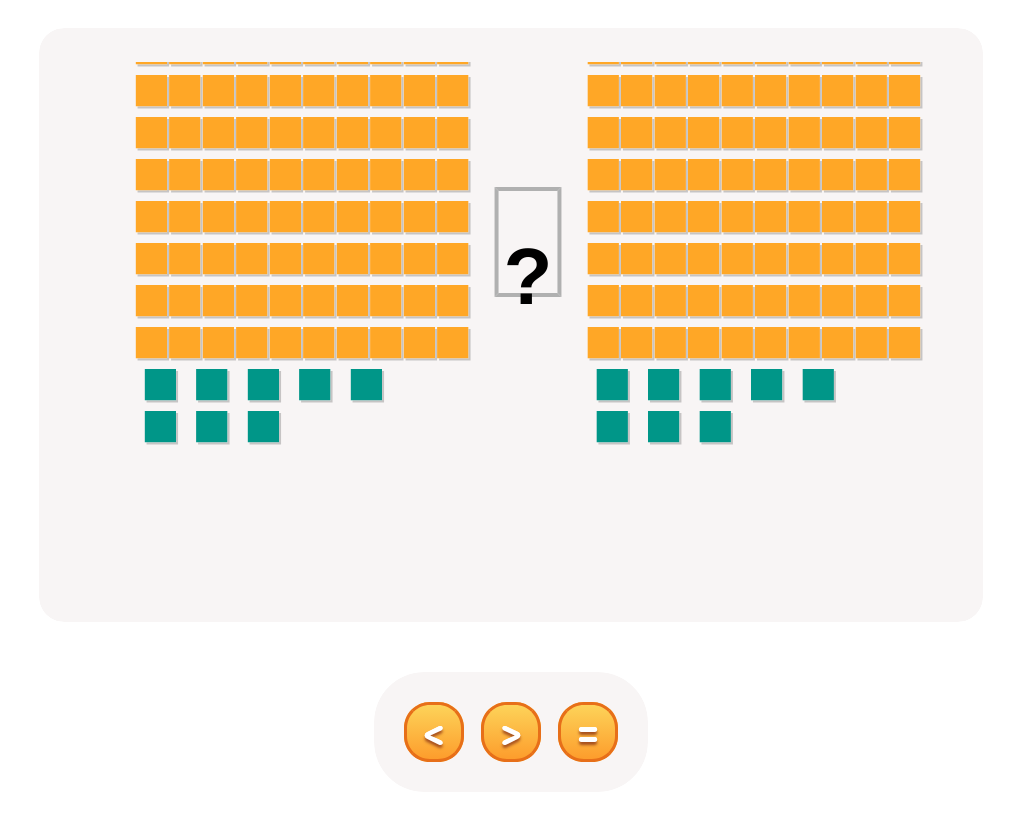

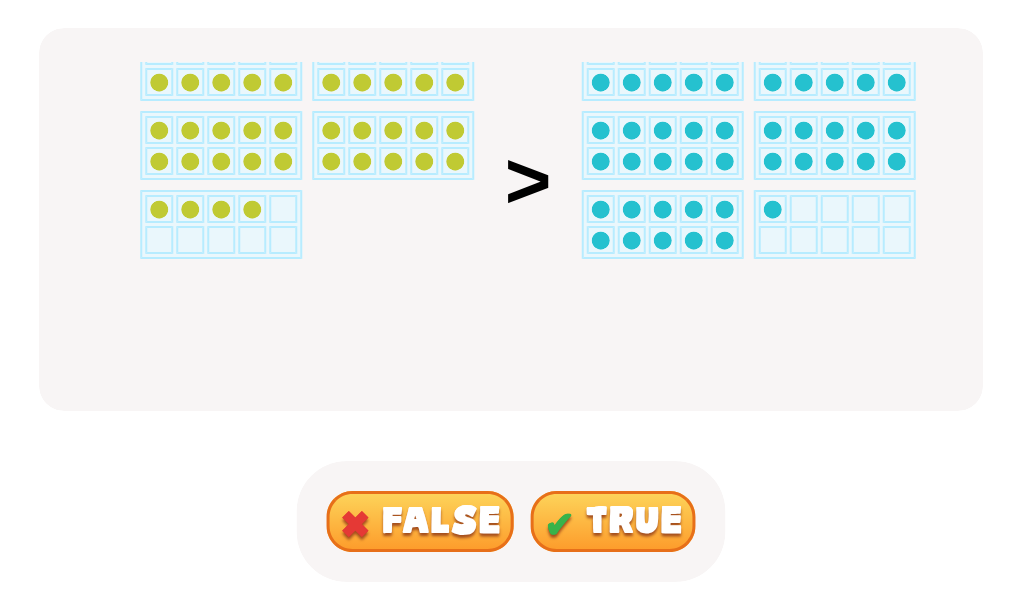
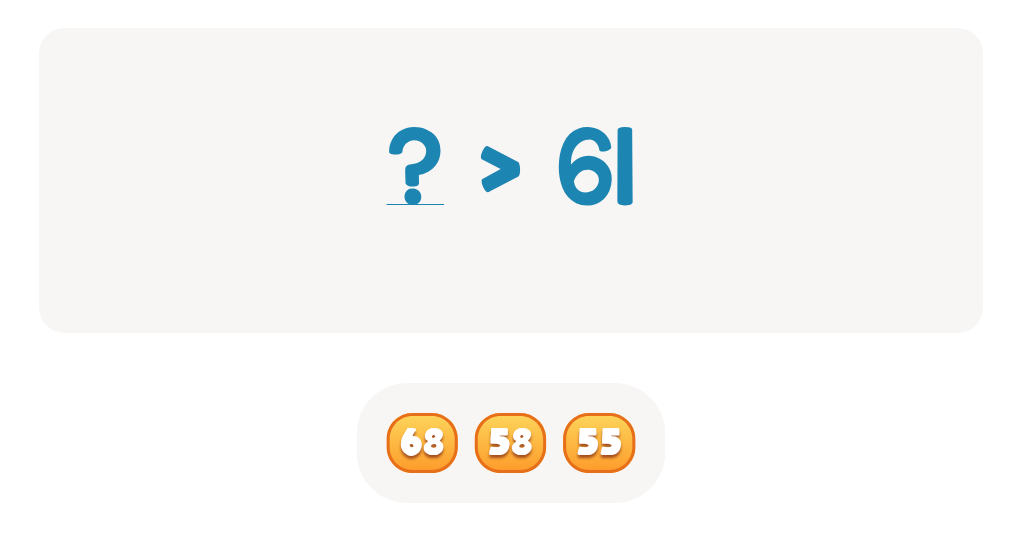
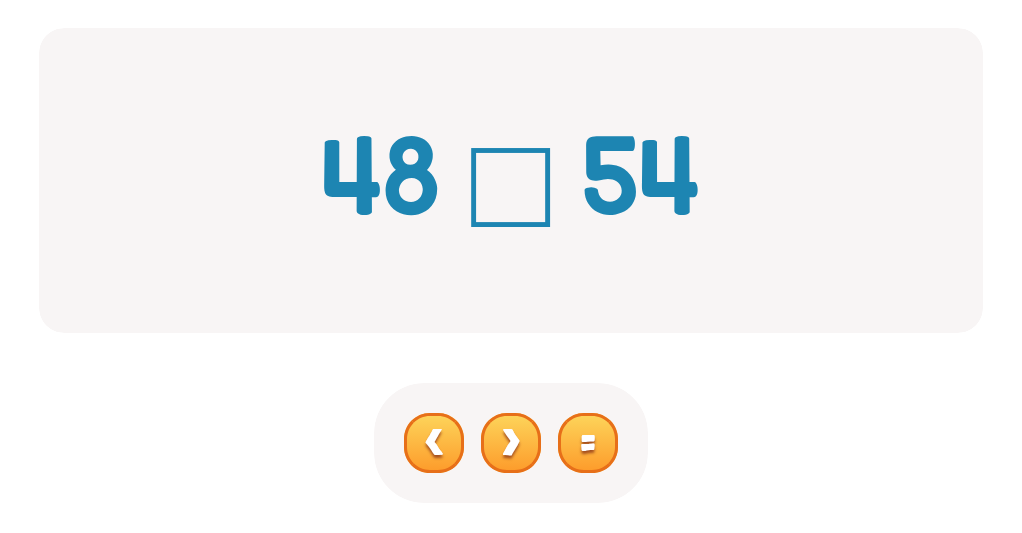
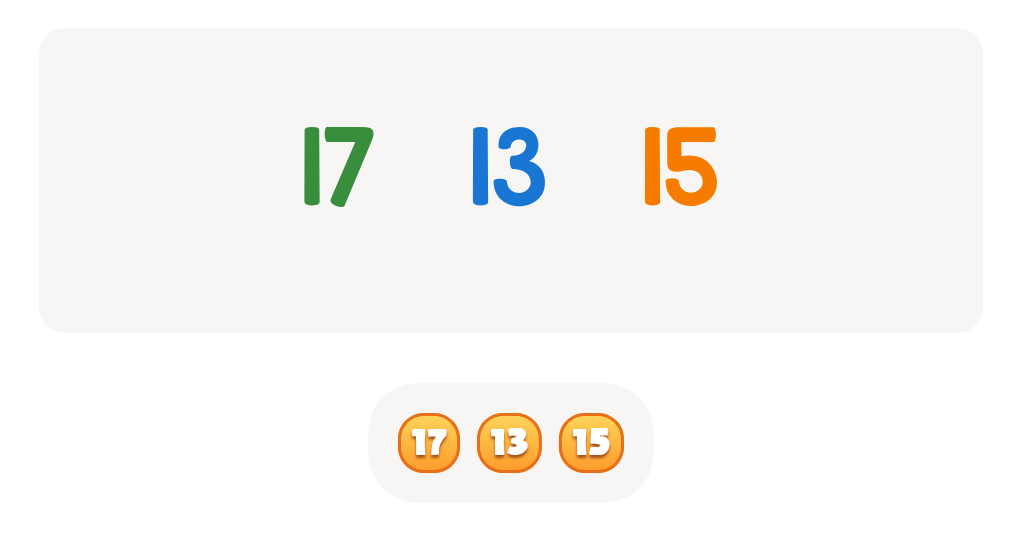
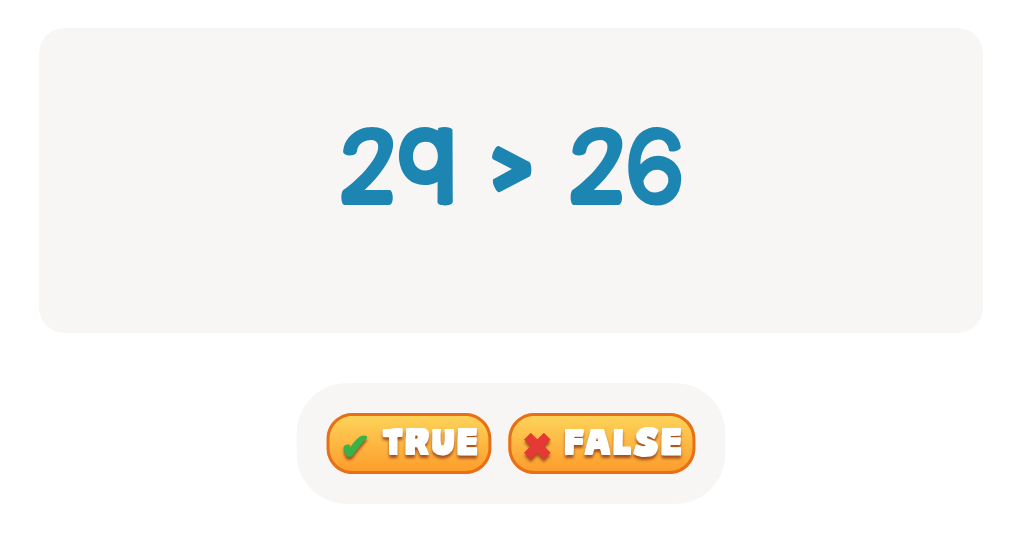
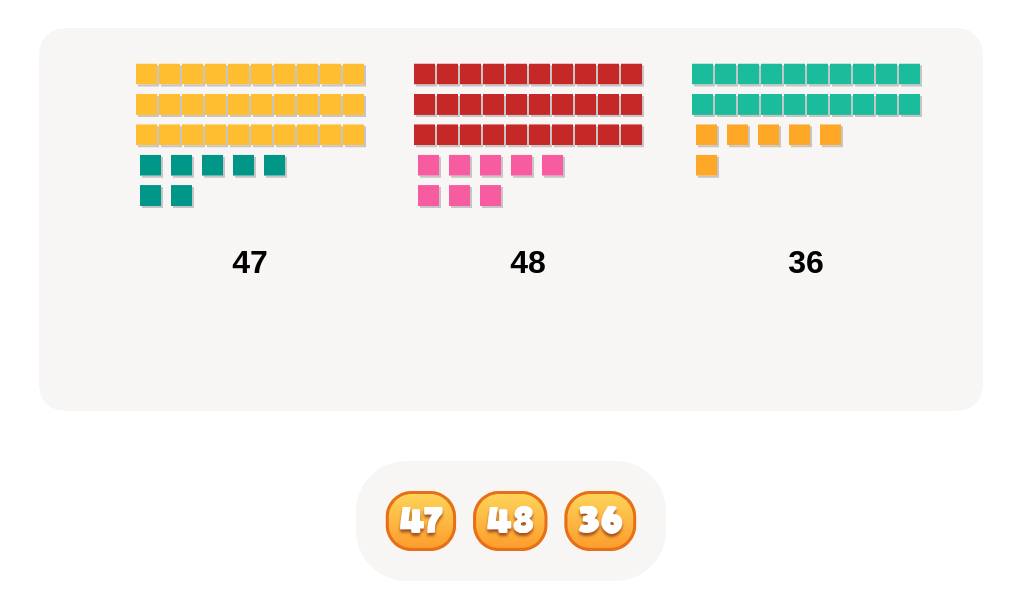
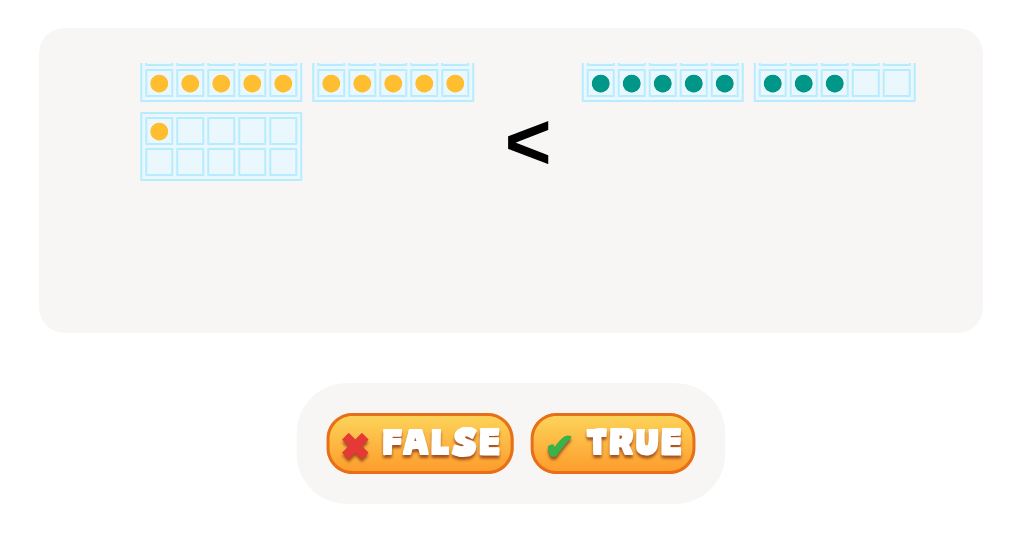
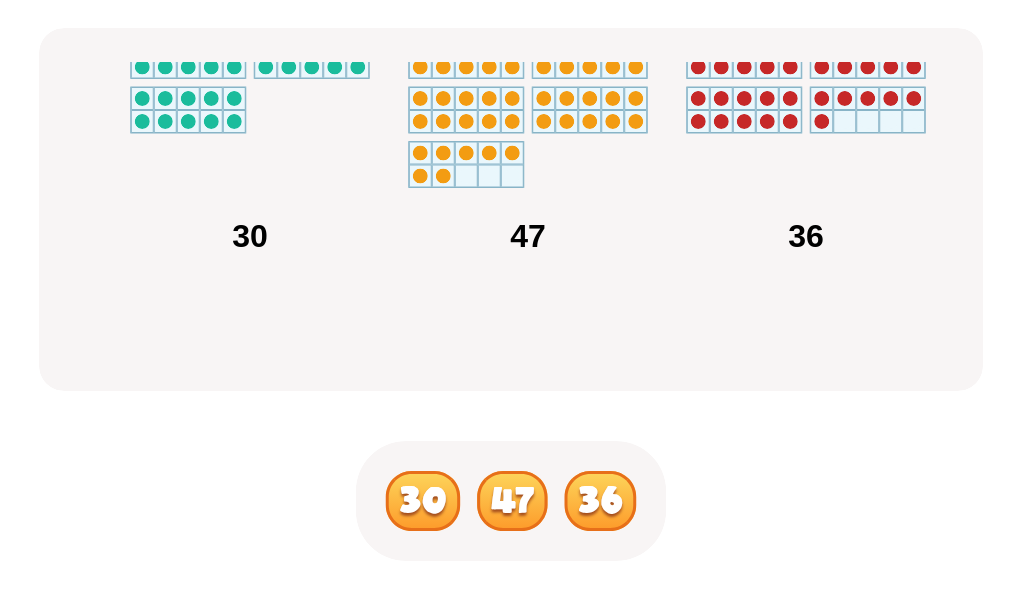
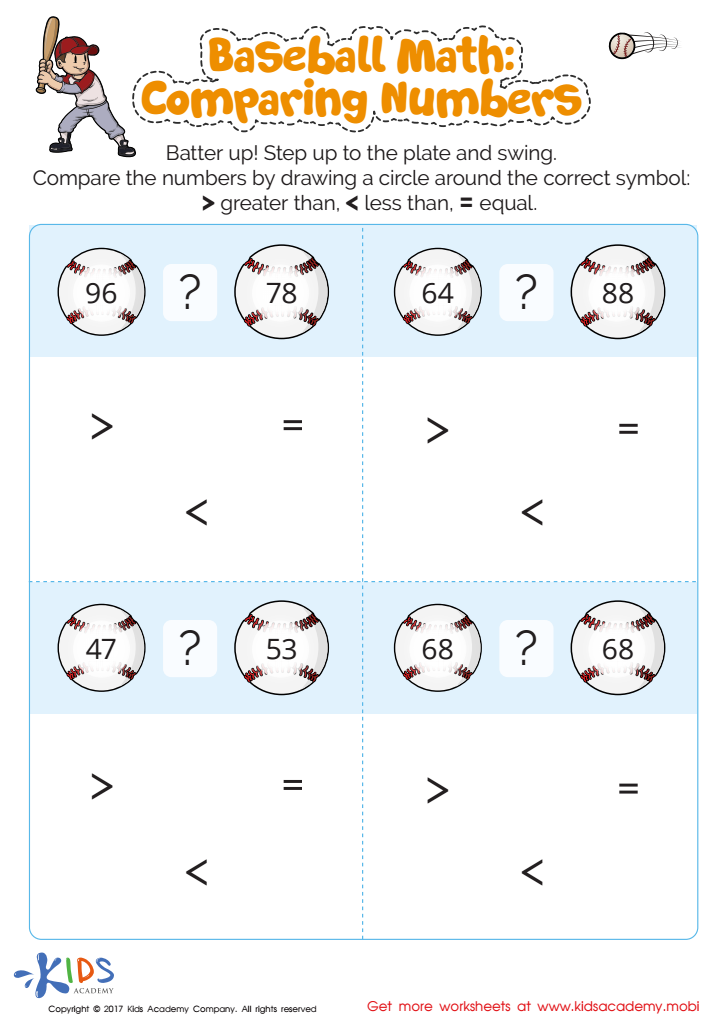
Compare Numbers Printable
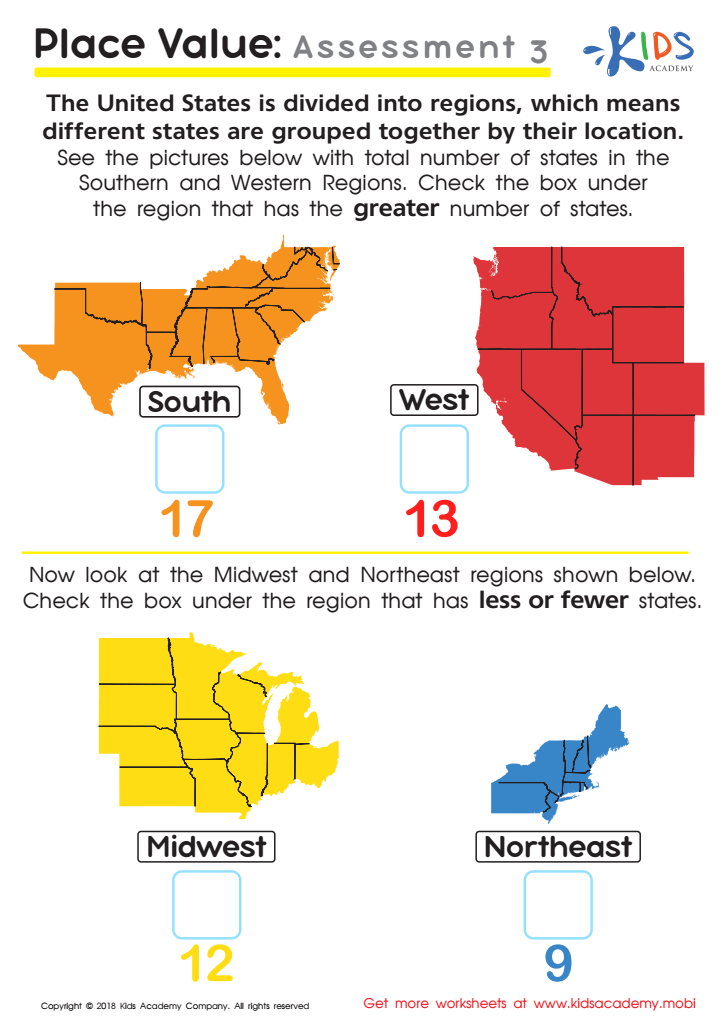
Place Value: Assessment 3 Worksheet








Addition practice and comparing numbers are vital skills for children aged 3-8, laying the groundwork for their future mathematical abilities. During these formative years, children develop their understanding of numbers and their relationships, which is crucial for problem-solving and critical thinking. Engaging in addition practice helps solidify number sense, allowing kids to recognize quantities and understand basic arithmetic operations.
For young learners, comparing numbers reinforces their ability to identify larger or smaller quantities, fostering logical thinking and decision-making. These concepts are not just academic; they are essential for everyday tasks, such as sharing items, understanding time, and managing finances. Regular practice enhances confidence, helping children tackle more complex mathematical concepts as they progress in their education.
Parents and teachers should care about these practices because they serve as building blocks for children's cognitive development. Encouraging a playful and engaging approach to math allows children to associate learning with fun rather than frustration. By providing opportunities for addition practice and number comparisons, adults can create a strong foundation, nurturing a love for mathematics and ensuring students are well-prepared for the challenges of higher-grade math and beyond. Ultimately, this investment in early math education promotes lifelong skills that extend well beyond the classroom.








