Data interpretation Graphs Worksheets for Ages 3-8
3 filtered results
-
From - To
Explore our engaging Data Interpretation Graphs Worksheets, specifically designed for children aged 3-8! These interactive worksheets help young learners develop essential skills in data analysis and visualization. From simple bar graphs to pie charts, our resources introduce children to interpreting information in a fun and accessible way. Each worksheet encourages critical thinking as kids practice comparing and contrasting data, making observations, and drawing conclusions. Perfect for parents and teachers, these worksheets promote foundational math skills while ensuring learning is enjoyable. Begin your child's journey into data literacy today with our thoughtfully crafted, age-appropriate materials!
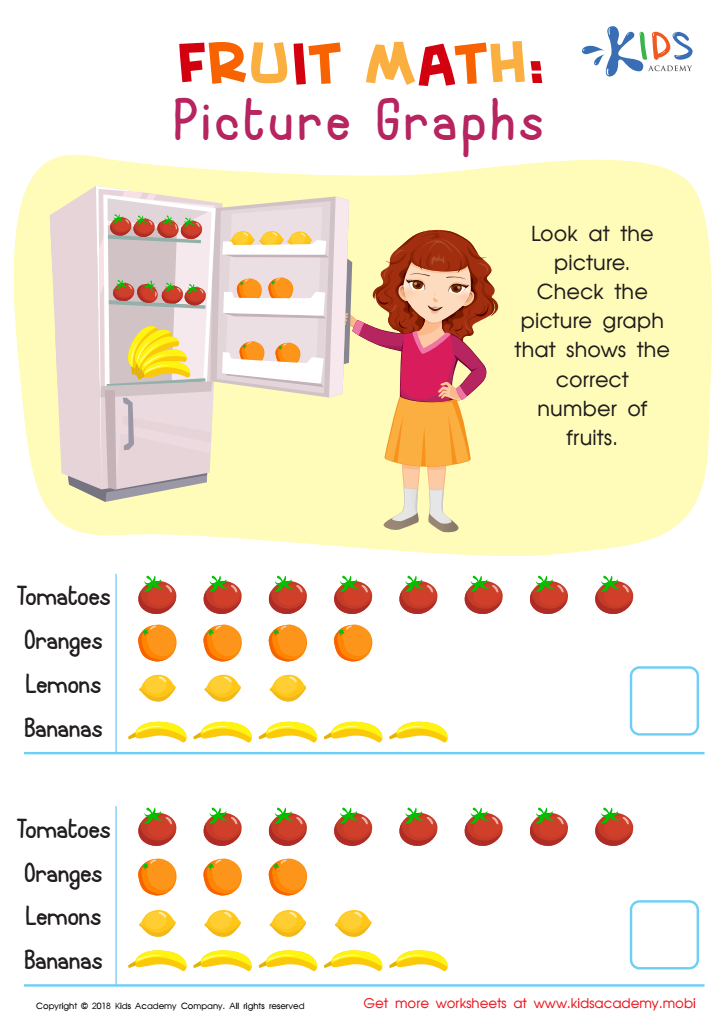
Fruit Math: Picture Graphs Worksheet
 Assign to My Students

Aircraft Carrier Picture Graphs Worksheet
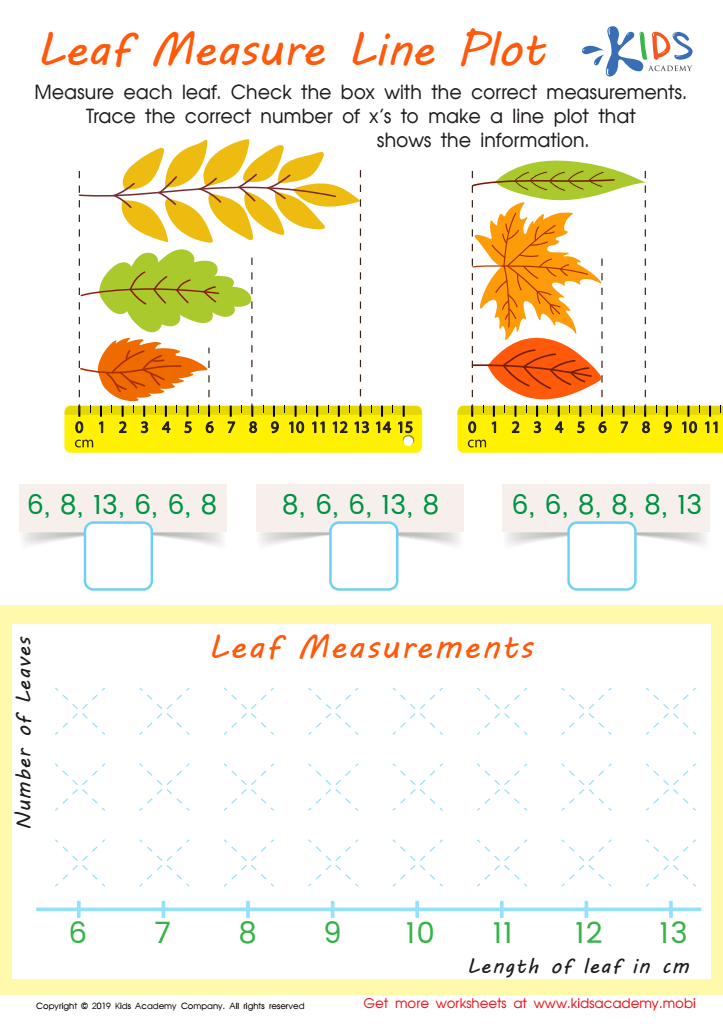
Leaf Measure Line Plot Worksheet


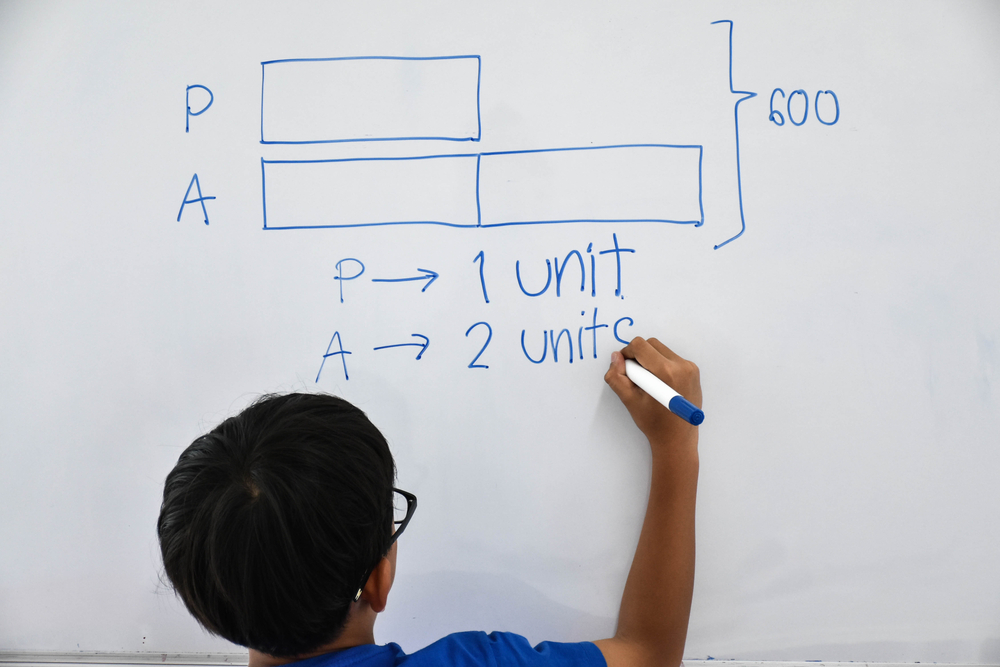





Understanding data interpretation and graphs is crucial for young learners aged 3-8 as it lays a foundational skill for critical thinking and analytical reasoning. Introducing children to simple graph concepts fosters their ability to make sense of information presented visually, which is increasingly important in a data-driven world. When parents or teachers emphasize graph literacy, they help children develop skills to interpret basic bar graphs, pictographs, and even simple line graphs, enabling them to compare quantities and identify trends.
Graphs encourage communication and discussion, making learning interactive and engaging. For instance, students can represent their favorite fruits or pets in a simple chart, sparking conversations about preferences and data collection processes. This not only enriches their vocabulary but also aids social development through group discussions and collaborative learning experiences.
Moreover, early exposure to data interpretation promotes numeracy skills as children learn to count, sequence, and categorize. These skills are essential for later mathematical concepts and problem-solving abilities. In a fun, hands-on manner, educators and parents can cultivate curiosity and confidence in their children, empowering them to explore more complex concepts in the future. Ultimately, graph literacy at a young age equips children with 21st-century skills crucial for academic success and life beyond the classroom.








