Applying math concepts Math Worksheets for Ages 3-8
3 filtered results
-
From - To
Discover a world where math meets fun with our "Applying Math Concepts" worksheets for ages 3-8, available at Kids Academy. These engaging and educational printables help young learners grasp essential math skills through interactive activities and colorful graphics. Designed to bolster addition, subtraction, counting, and shape recognition, our worksheets offer a hands-on approach to learning. Perfect for preschoolers and early elementary kids, each sheet encourages problem-solving and critical thinking, ensuring foundational math skills are developed confidently. Visit Kids Academy now to empower your child with the tools they need to succeed in math, always striving for educational excellence!
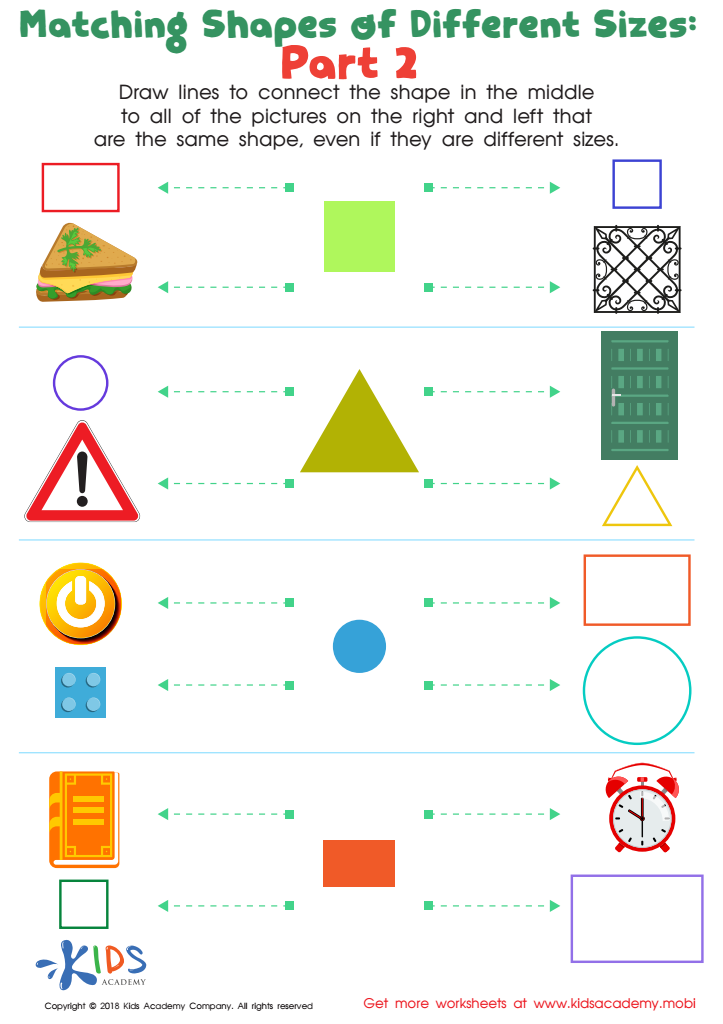
Geometry: Part 2 Worksheet
 Assign to My Students
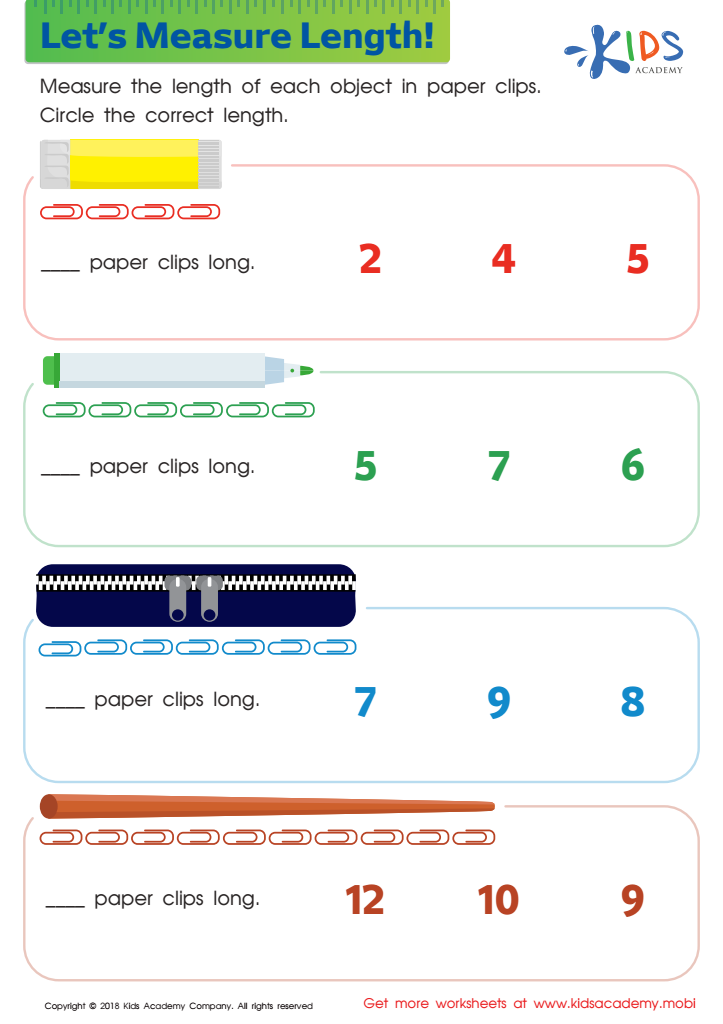
Lets Measure Length Worksheet
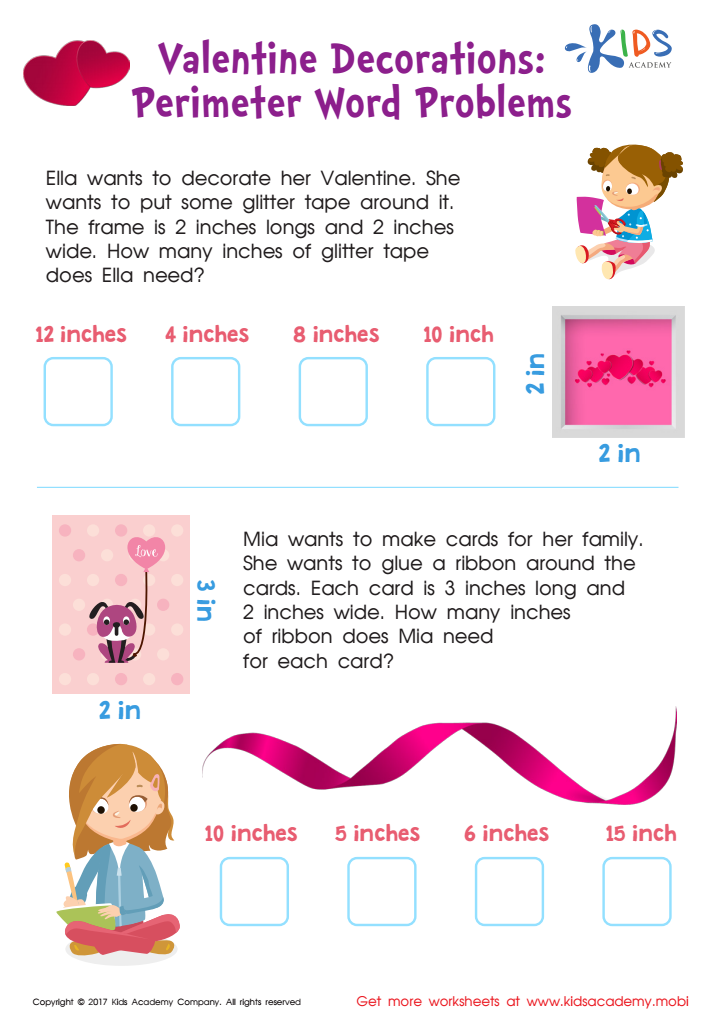
Perimeter Word Problems Worksheet








Parents or teachers should care about applying math concepts for ages 3-8 because early math skills build a crucial foundation for future academic success. During these formative years, children are highly receptive and capable of learning basic math principles in fun and engaging ways. Introducing concepts like counting, shapes, and simple addition at this stage helps develop logical thinking, problem-solving skills, and the ability to reason, which are not only important for math but for overall cognitive development.
Math also enhances spatial awareness and improves fine motor skills when children interact with manipulatives or digital tools designed for learning math. Furthermore, early exposure to math reduces math anxiety by making the subject familiar and less intimidating, thereby boosting a child’s confidence and interest in the subject.
Integrating math into everyday activities, such as cooking or playing games, helps children see the practical applications of math, making it relevant and meaningful to their everyday lives. This hands-on experience not only solidifies their understanding but also makes learning enjoyable. By prioritizing early math education, parents and teachers set children on a path of academic achievement and critical thinking that benefits them for years to come.








