Associative learning Math Worksheets for Ages 3-8
5 filtered results
-
From - To
Unlock the potential of your child's mathematical journey with our Associative Learning Math Worksheets, specifically designed for ages 3-8. These engaging resources promote essential math skills through fun and interactive activities that help young learners understand relationships between numbers. From simple addition and subtraction to recognizing patterns, our worksheets support cognitive development and improve problem-solving abilities. Perfect for home or classroom use, each worksheet is crafted to enhance critical thinking and foster a love for mathematics. Empower your child with the confidence to connect concepts and excel in their learning process. Explore our collection and watch their mathematical skills flourish!
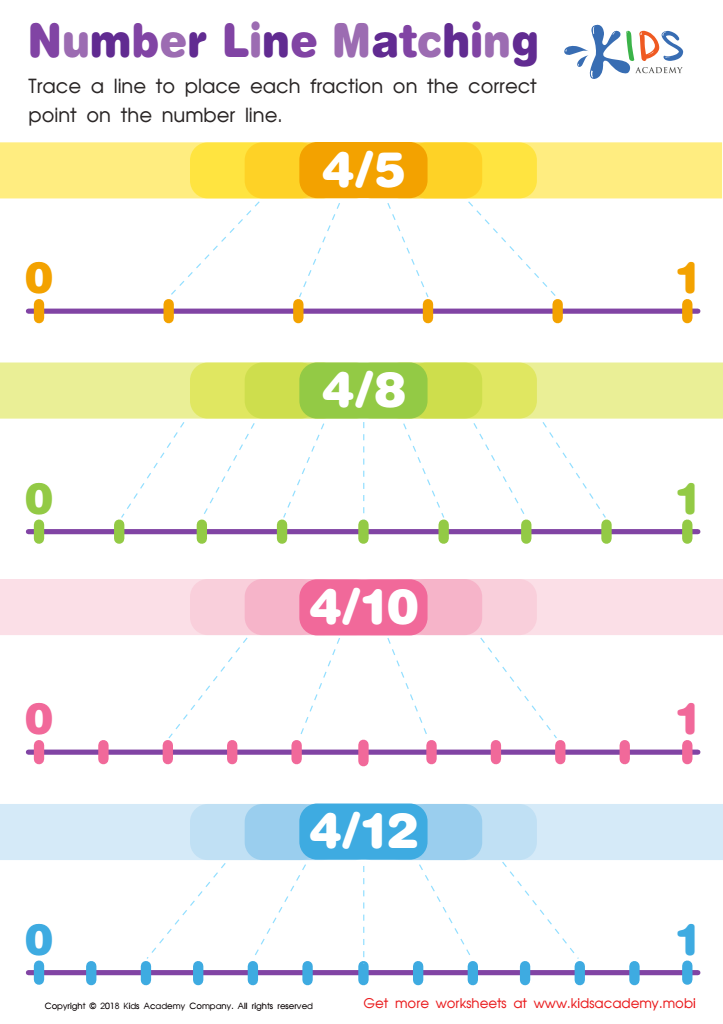
Number Line Matching Worksheet
 Assign to My Students
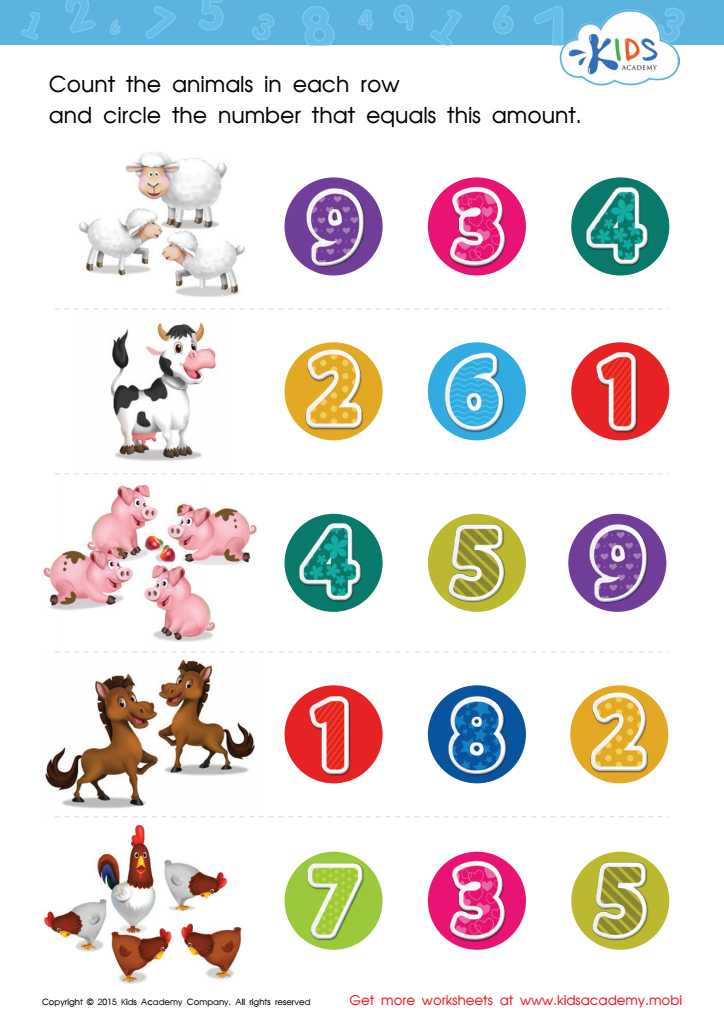
Count and Match 1 – 5 Math Worksheet
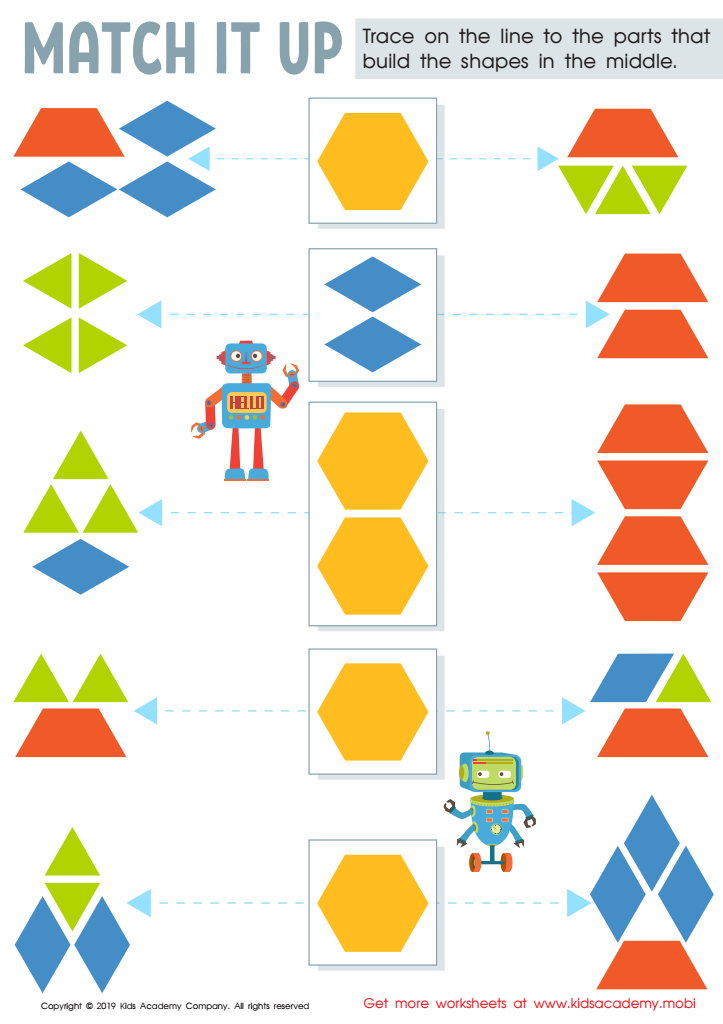
Match It up Worksheet
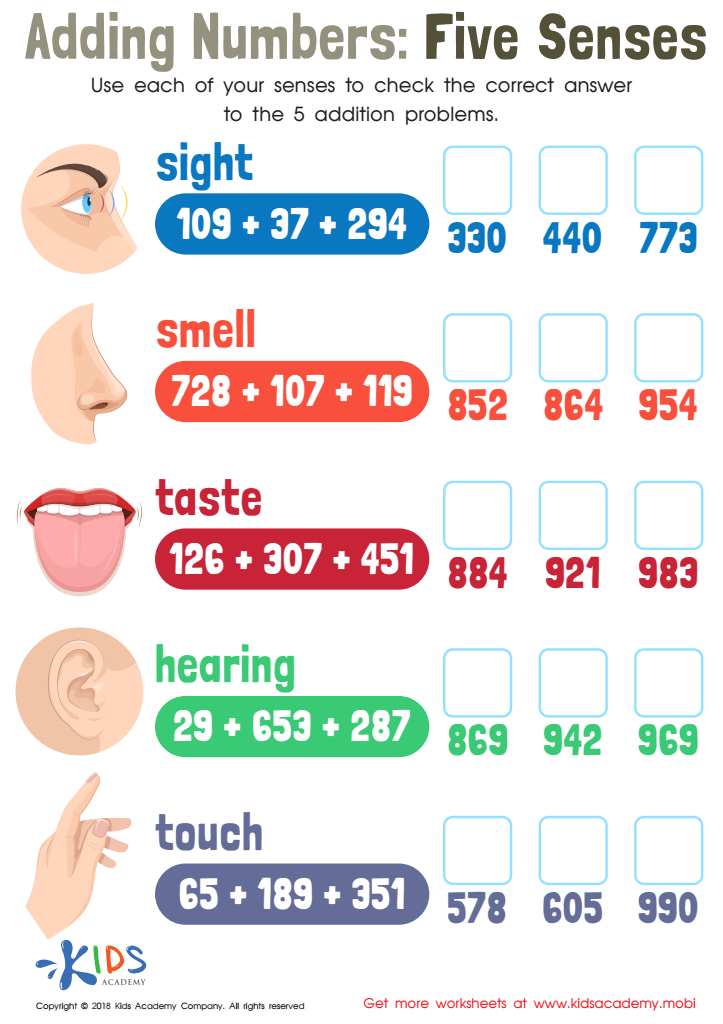
Adding Numbers: Five Senses Worksheet
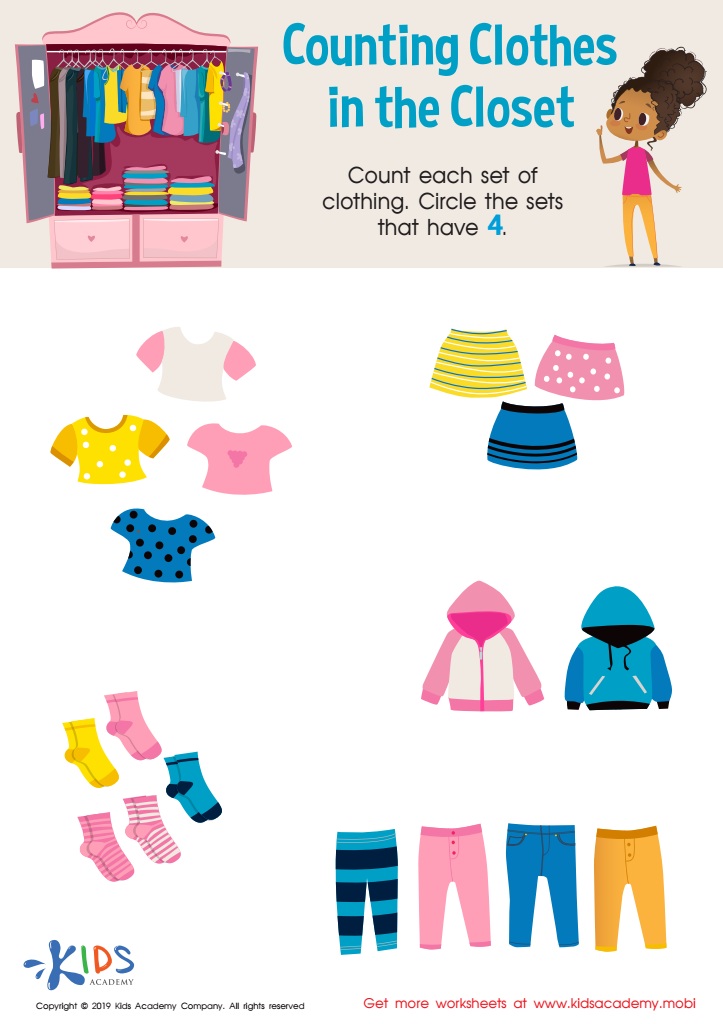
Counting Clothes Worksheet






Associative learning in math is crucial for children aged 3-8 as it lays the foundation for their cognitive development and problem-solving skills. At this early stage, children are naturally inclined to make connections, and engaging in associative learning helps them understand relationships between numbers, quantities, and symbols. This approach promotes a deeper understanding of mathematical concepts rather than rote memorization.
Parents and teachers should care about this type of learning because it enhances critical thinking and promotes retention. When children associate numbers with real-life experiences—such as counting apples during snack time—they are more likely to grasp the concepts of addition and subtraction. Associative learning also supports language development and communication skills, as discussing mathematical ideas encourages kids to articulate their thoughts.
Moreover, fostering a positive attitude toward math in early childhood sets the stage for future academic success and can reduce math anxiety. Enthusiastic educators and nurturing parents can utilize fun activities, puzzles, and games to encourage this kind of learning. By fostering a math-rich environment, they equip children with the tools they need to become confident and competent mathematicians in the years to come.








