Basic math learning Math Worksheets for Ages 3-8
3 filtered results
-
From - To
Unlock the joy of learning with our Basic Math Learning Worksheets designed for children aged 3 to 8! These engaging, printable resources include fun activities that introduce essential math concepts such as counting, addition, and subtraction. Each worksheet is crafted to enhance early math skills through interactive and enjoyable tasks, helping kids build a strong foundation for future learning. Our worksheets are perfect for classroom use or at-home practice, making math fun and accessible for young learners. Explore our diverse collection today and support your child's journey in mastering basic math skills with confidence and enthusiasm!
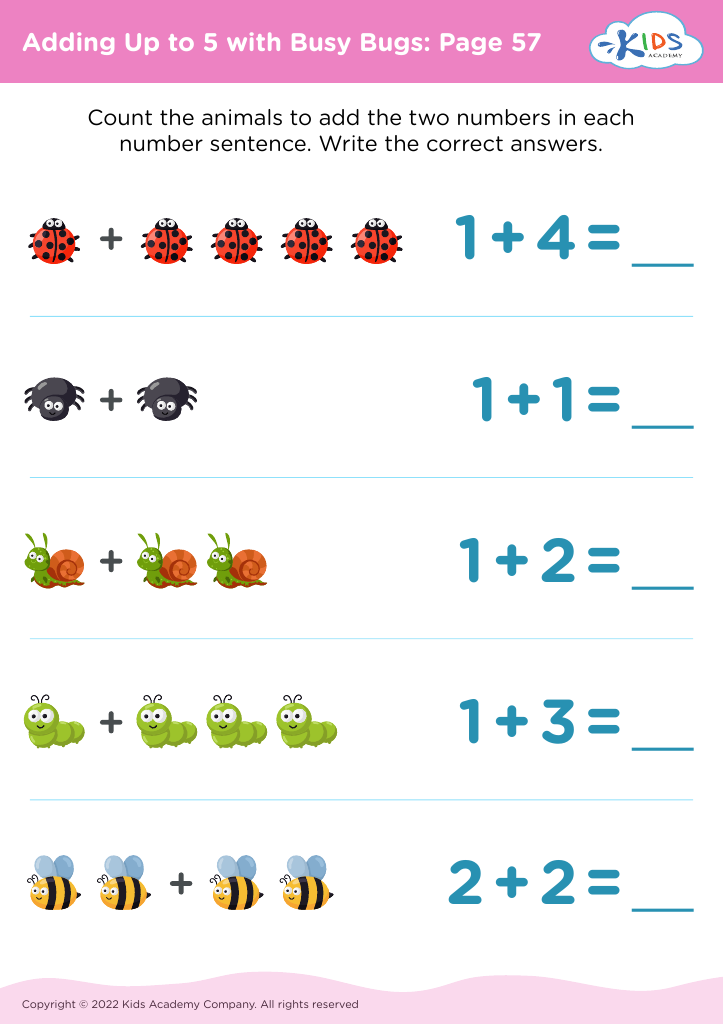
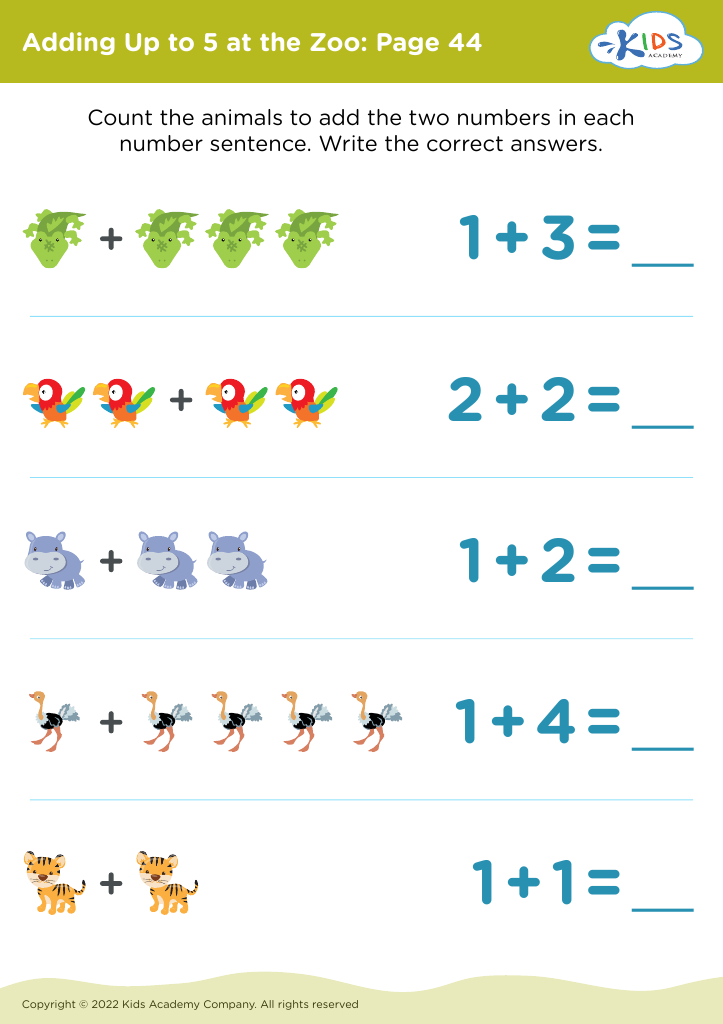
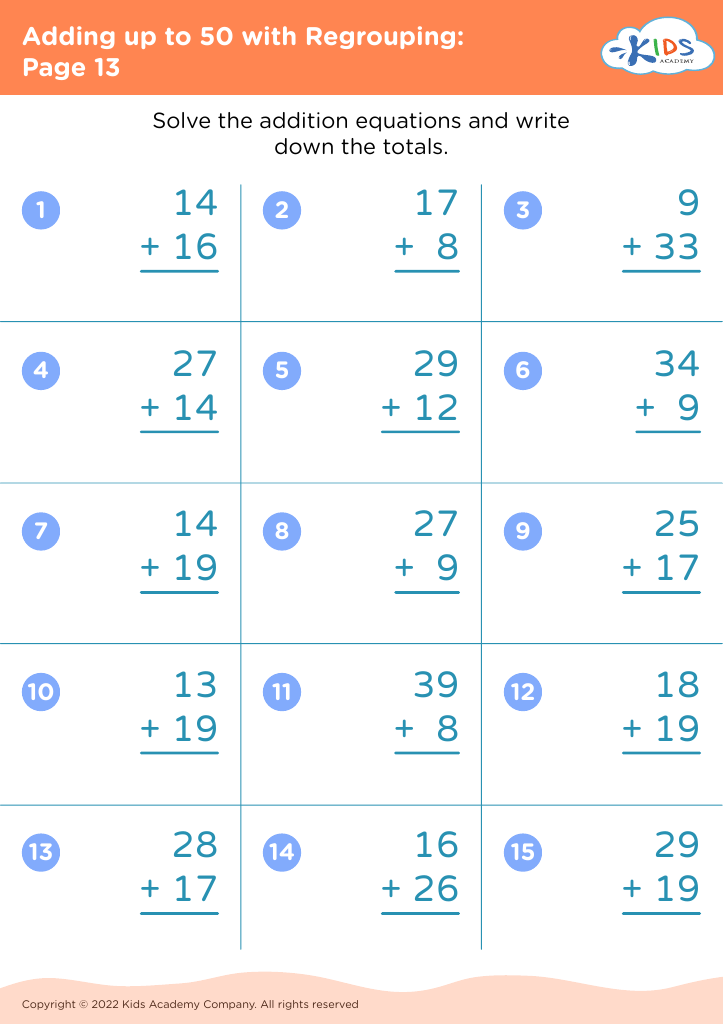




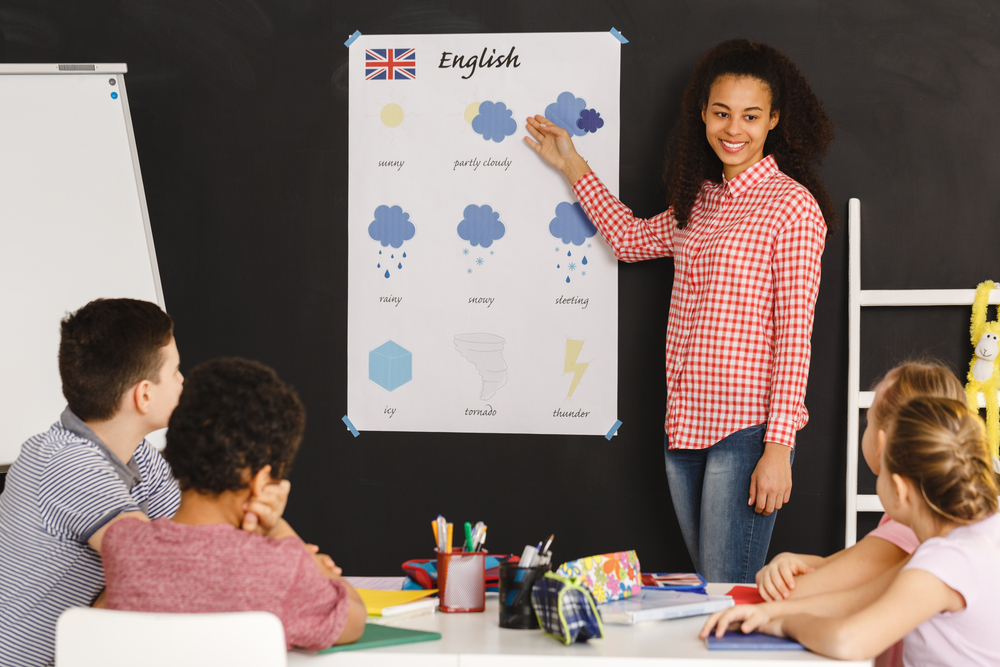



Basic math learning for children aged 3-8 is crucial for several reasons. First, this foundational stage of education establishes essential cognitive and problem-solving skills. Young learners begin to recognize patterns, understand quantities, and grasp core concepts like addition and subtraction. These early skills not only aid in future math learning but also enhance overall cognitive development, promoting critical thinking.
Moreover, early math experience supports literacy development. Many math skills, such as sequencing and categorizing, overlap with language skills, fostering a holistic learning approach. Engaging in fun math-related activities can stimulate a child’s curiosity and reinforce a positive attitude toward learning.
Additionally, early math proficiency is key to academic success. Research shows that children with strong early math skills are more likely to excel in higher grades, leading to improved confidence and motivation in both mathematics and other subjects.
Finally, equipping children with foundational math skills prepares them for real-world experiences, such as managing money and understanding measurements in everyday life. Parents and teachers play a vital role in this development, offering guidance, resources, and supportive environments to nurture a love for math from an early age. Investing in early math education is an investment in a child’s future success.








