Basic Math Skills Math Worksheets for Ages 3-8 - Page 8
171 filtered results
-
From - To
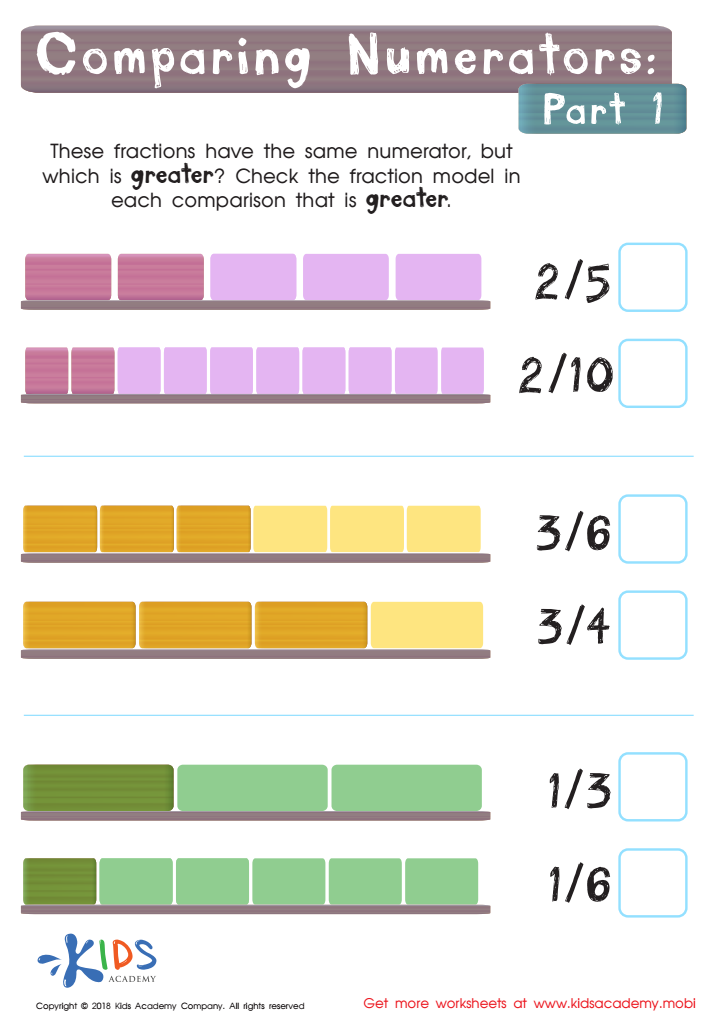
Comparing Numerators Part 1 Worksheet
 Assign to My Students
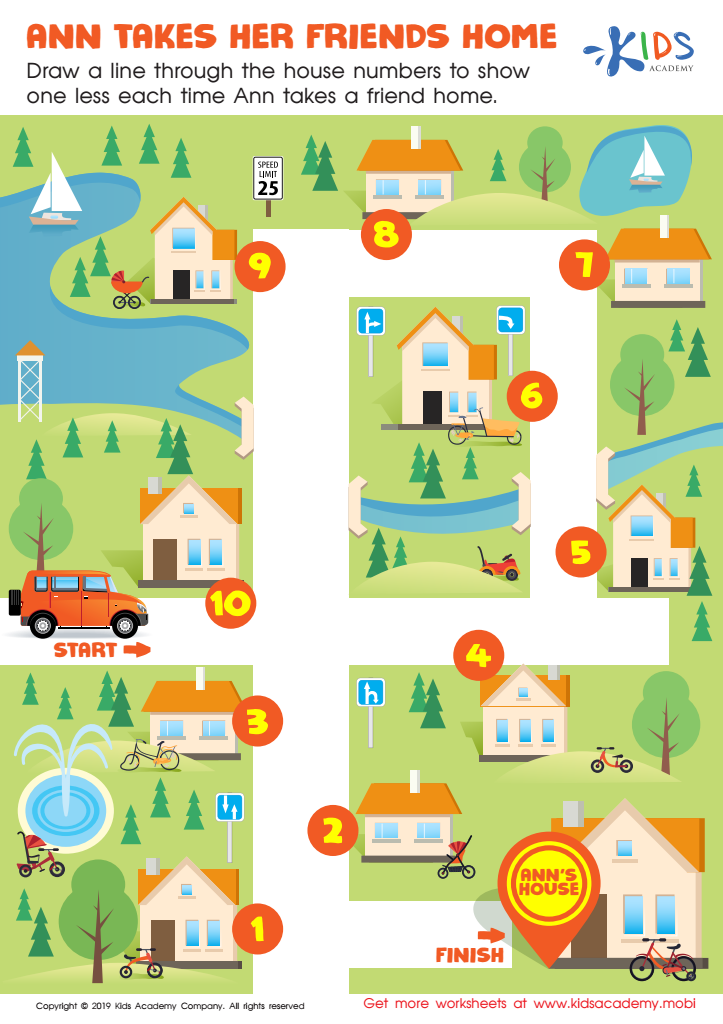
Ann Takes her Friends Home Worksheet
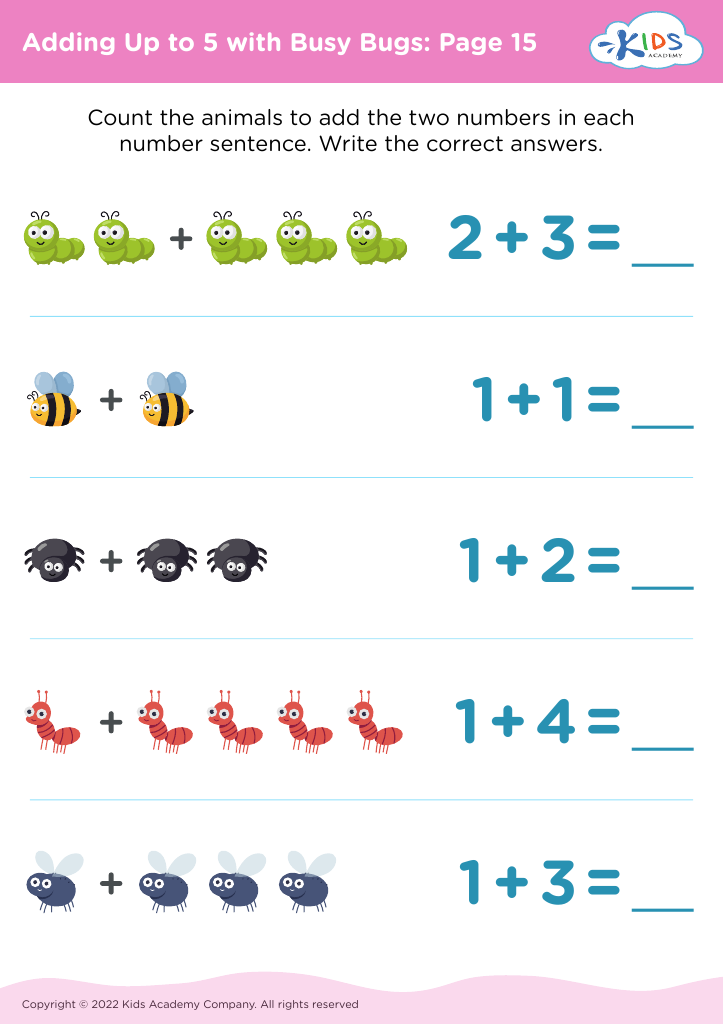








Basic math skills are foundational for cognitive development and future academic success for children aged 3-8. These early years are a critical period because children's brains are highly receptive to new information and developing pathways for complex thought processes. Learning basic math helps develop problem-solving skills, logical reasoning, and the ability to think in abstract ways.
Parents and teachers should prioritize basic math skills because they are integral to everyday activities and help build a child's confidence in handling real-world situations. Recognizing patterns, understanding numbers, and basic measuring concepts pave the way for advanced mathematical thinking and more profound comprehension in elementary school. For example, children who can grasp basic addition and subtraction develop a sense of numbers which is essential for more advanced topics like multiplication or division.
Moreover, math activities encourage persistence, concentration, and the ability to follow instructions—key traits for academic success in all areas. Encouraging a positive relationship with math during these formative years helps reduce anxiety and builds a strong foundation that will benefit children across all subjects and into adulthood. Parents and teachers play crucial roles in providing supportive, engaging, and practical math learning experiences that make abstract concepts tangible and relatable. Thus, early math education is a lifelong investment in a child's education and cognitive development.








