Basic subtraction Math Worksheets for Ages 3-8
11 filtered results
-
From - To
Explore our engaging Basic Subtraction Math Worksheets designed for children aged 3-8! These worksheets introduce young learners to essential subtraction skills through fun and interactive exercises. Our resources cater to various learning styles, making math enjoyable for every child. With colorful graphics and clear instructions, kids will practice subtracting numbers in a friendly way, solidifying their understanding of key concepts. Perfect for home or classroom use, these worksheets encourage a strong mathematical foundation while fostering confidence in problem-solving. Download and print our basic subtraction worksheets today and support your child's journey to becoming a math whiz!
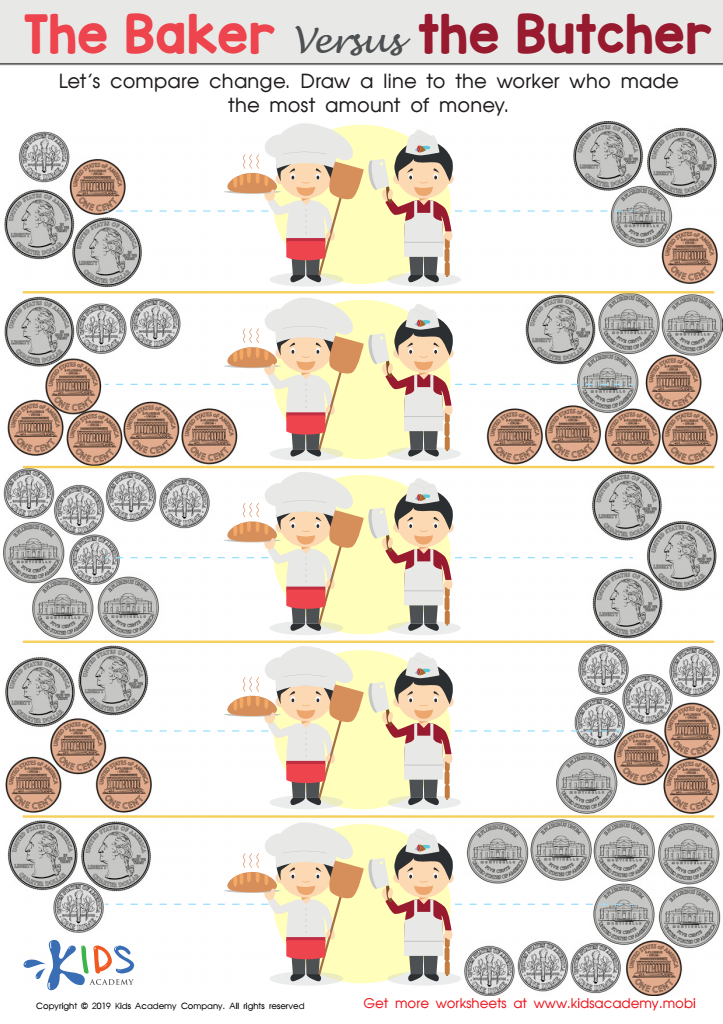
The Baker versus the Butcher Worksheet
 Assign to My Students
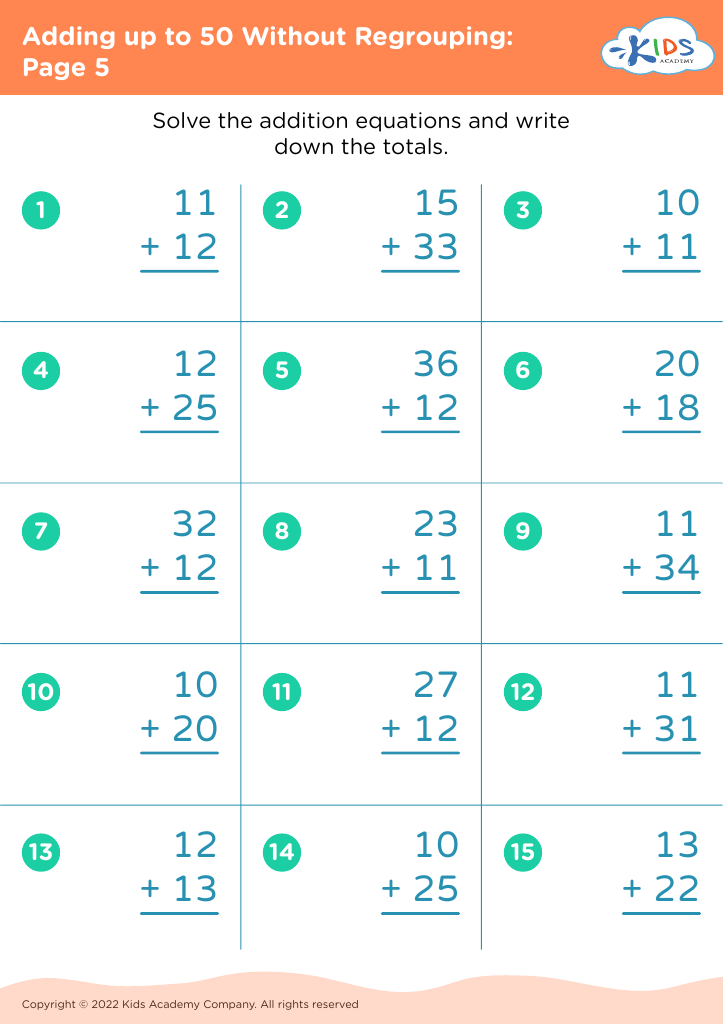
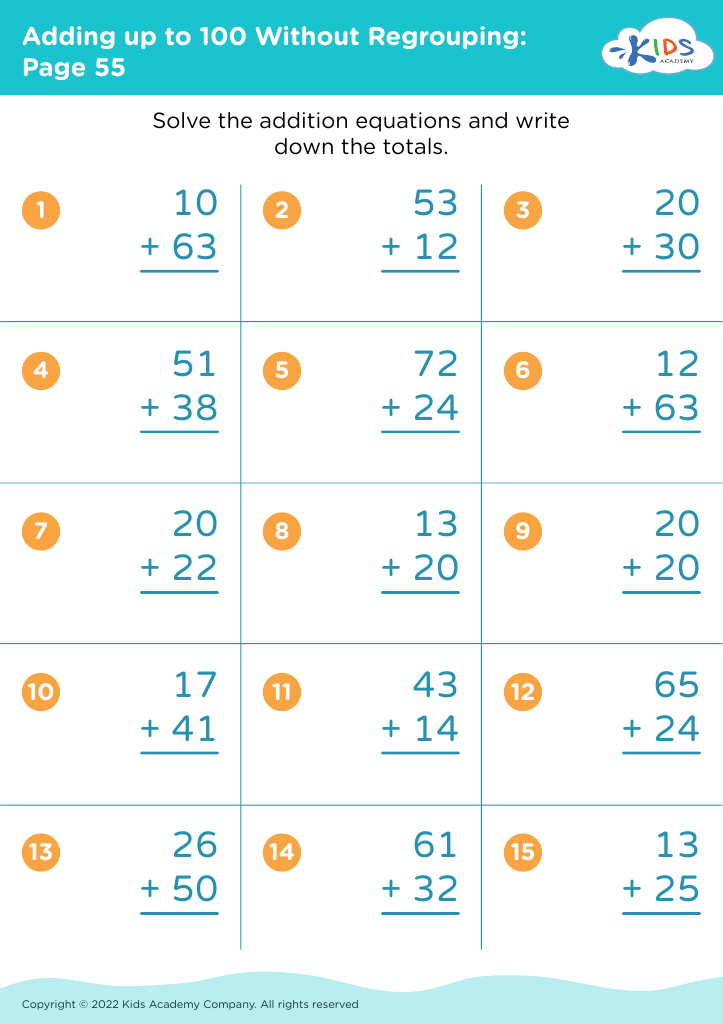
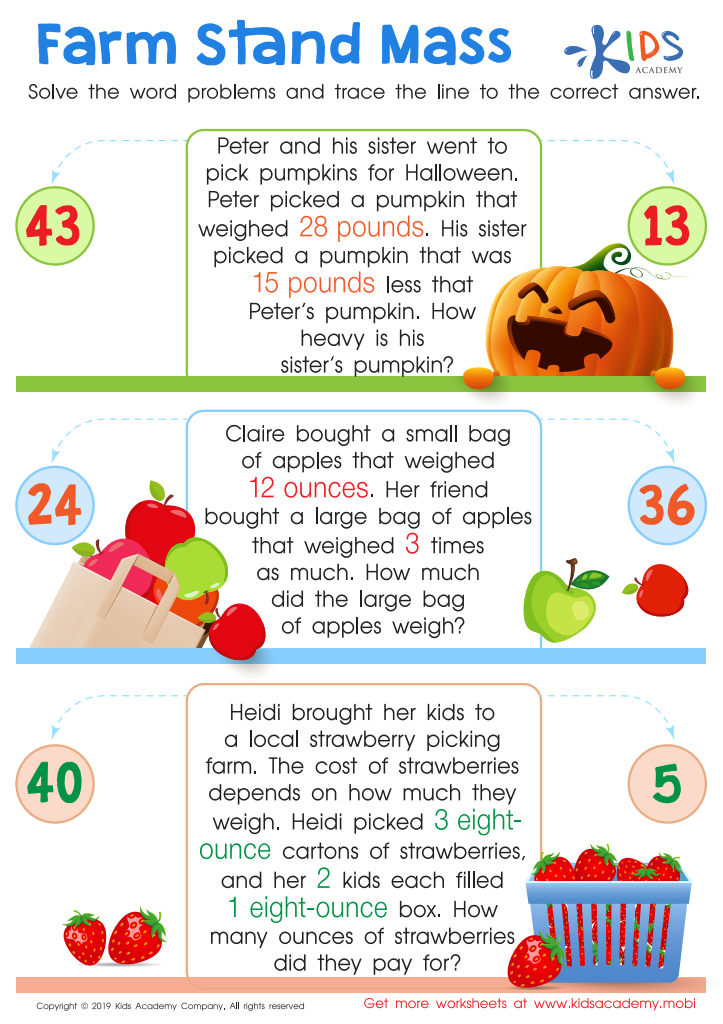
Farm Stand Mass Worksheet
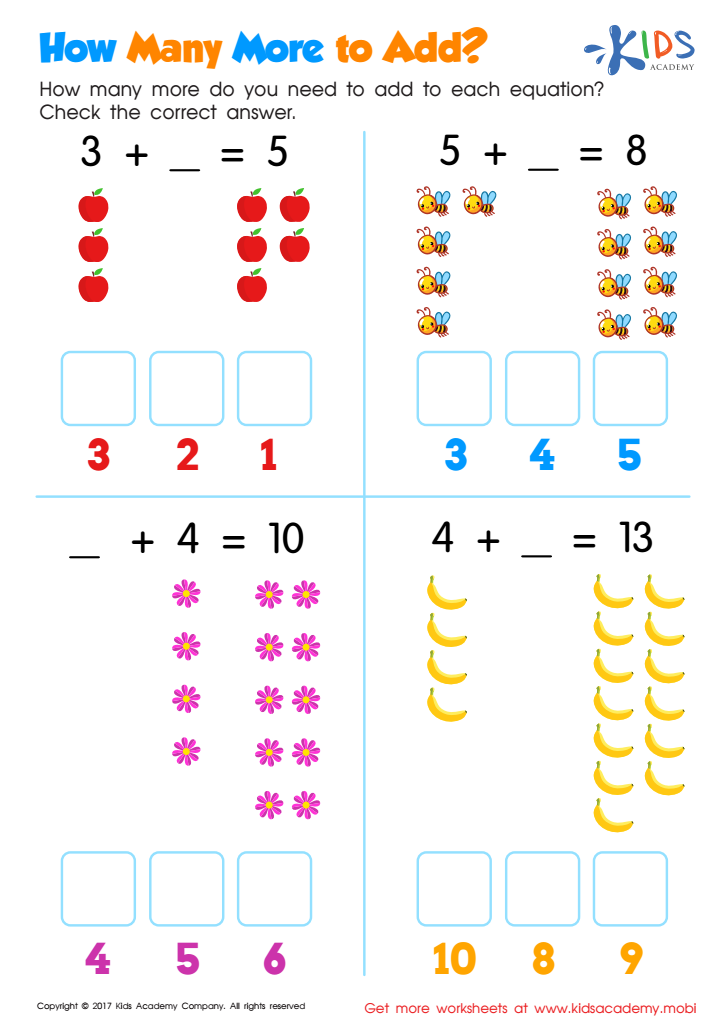
How Many More to Add Worksheet
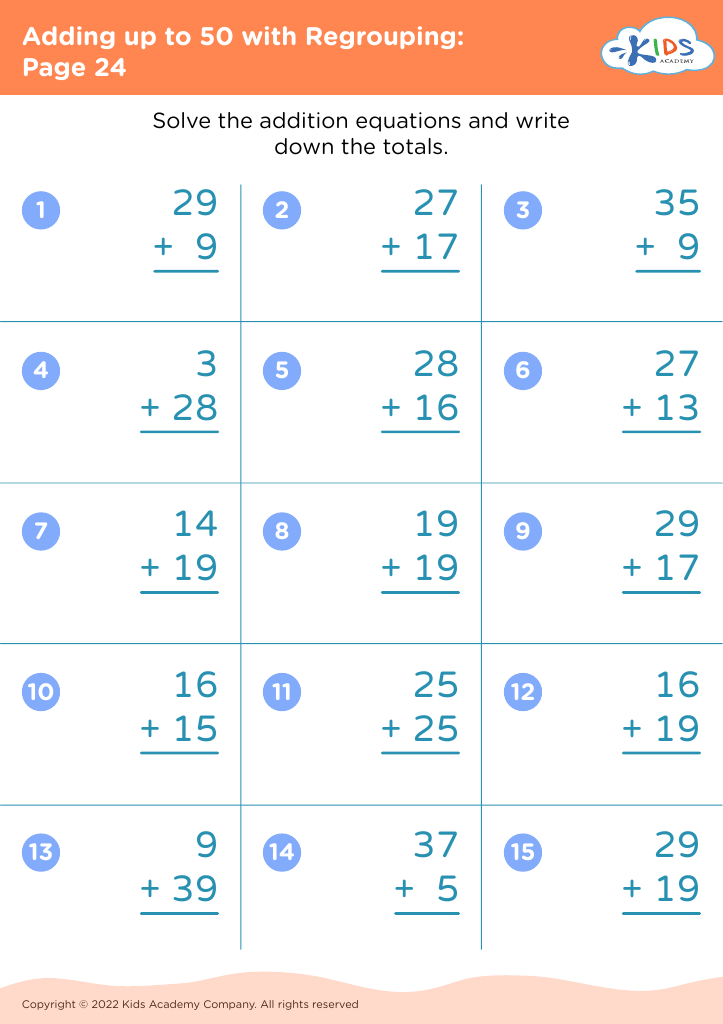
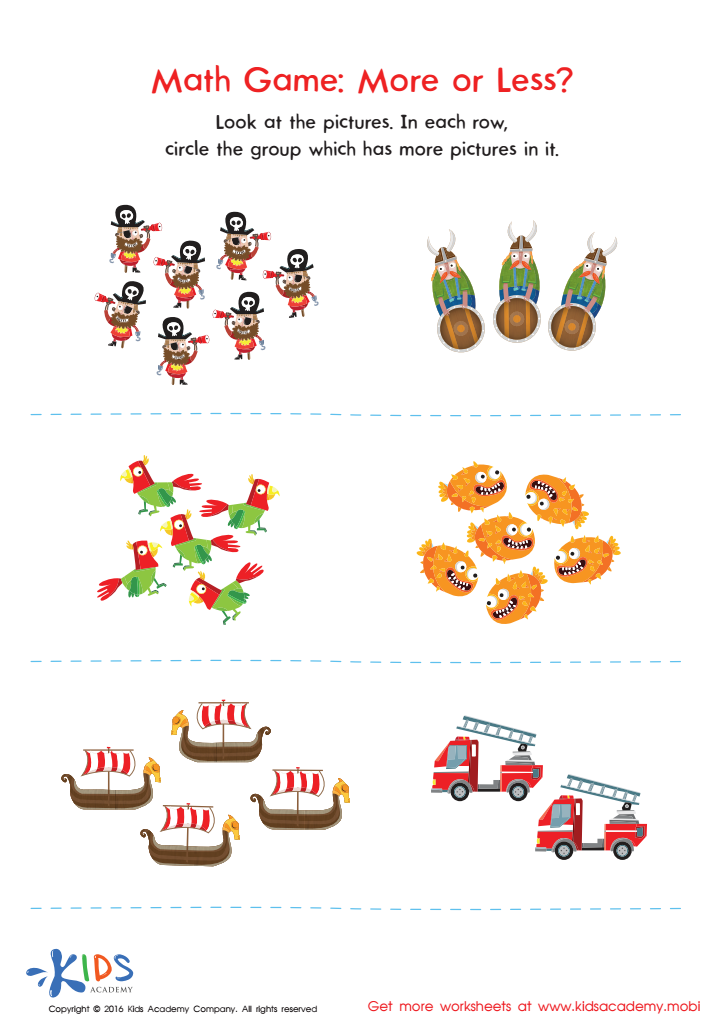
More or Less Worksheet
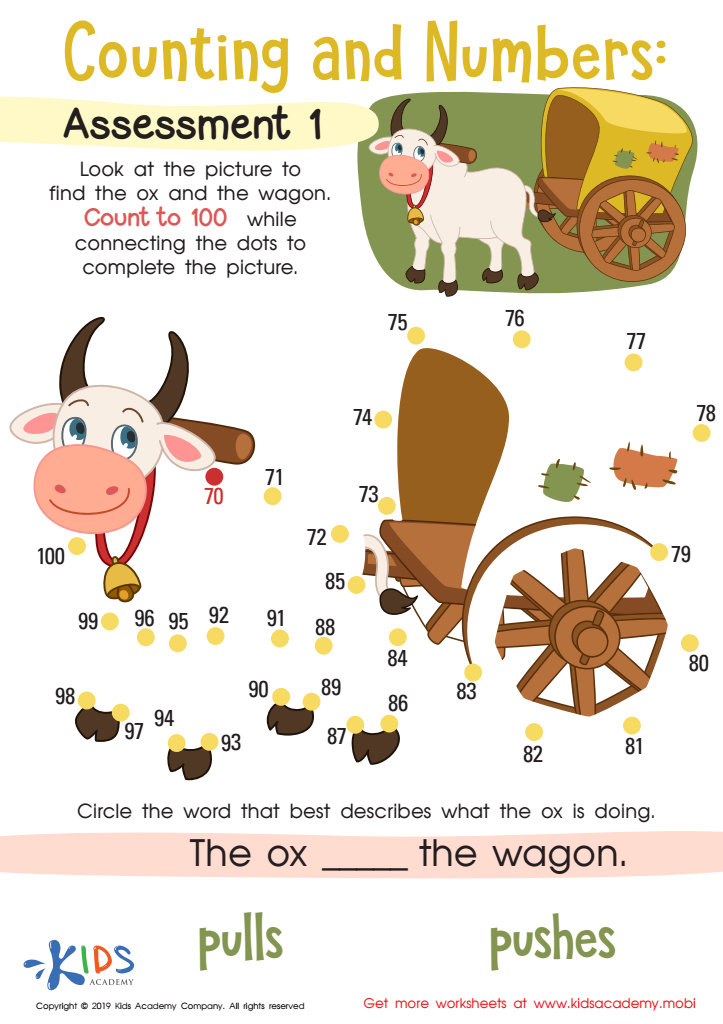
Counting and Numbers: Assessment 1 Worksheet
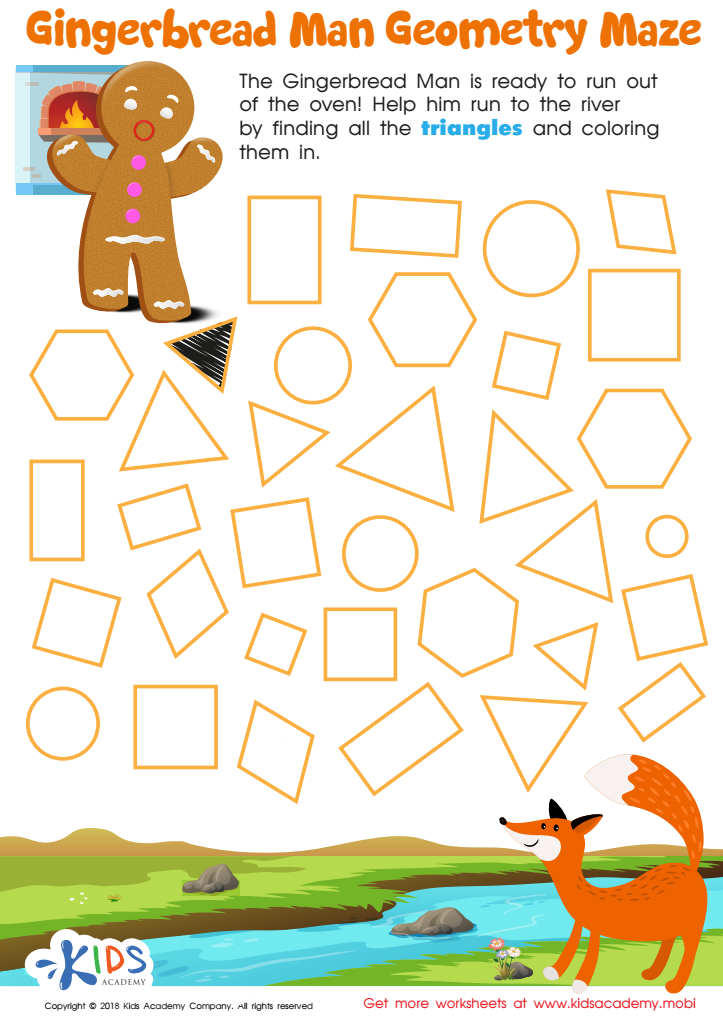
Gingerbread Man Geometry Maze Worksheet
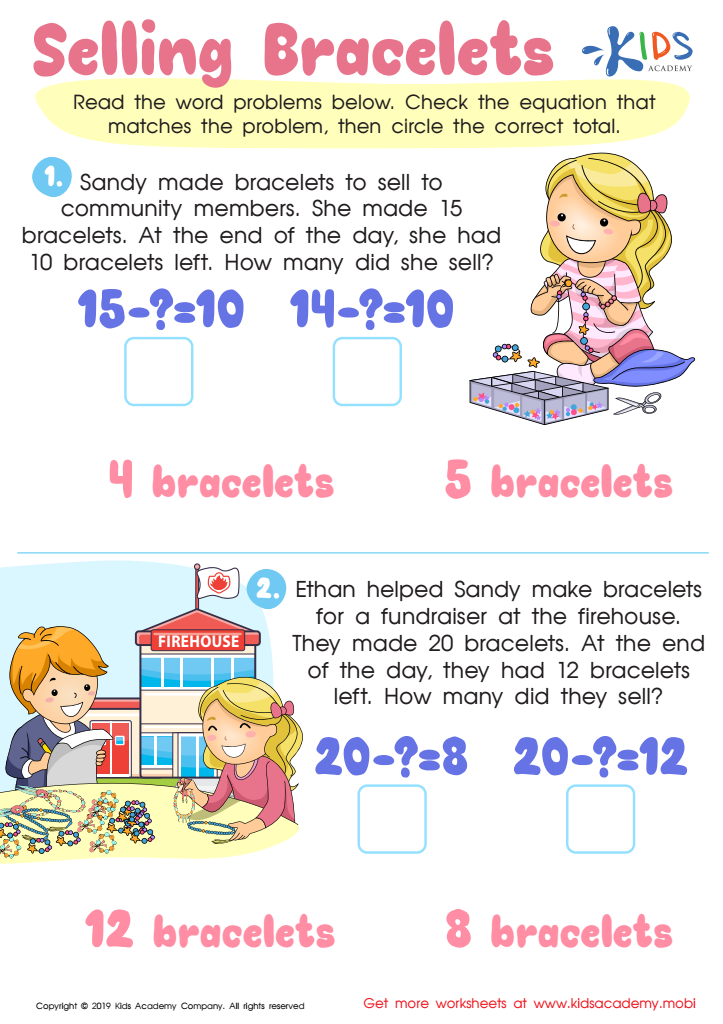
Selling the Bracelets Worksheet
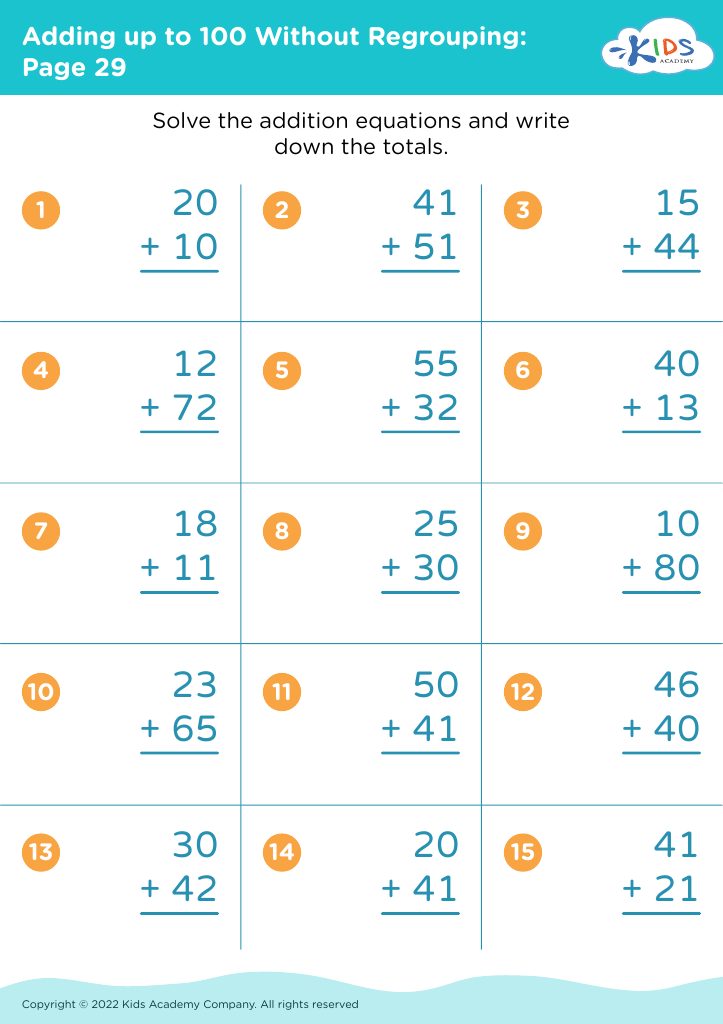







Basic subtraction is a foundational mathematical concept that forms the basis for more complex arithmetic. For children aged 3-8, mastering subtraction plays a crucial role in their cognitive development and everyday life skills.
Firstly, subtraction helps develop critical thinking and problem-solving skills. As children learn to take away smaller quantities from larger ones, they engage in logical reasoning and make connections between numbers. This lays a groundwork for later mathematical concepts and promotes overall cognitive growth.
Additionally, understanding subtraction supports emotional and social development. Simple subtraction tasks can foster cooperation and communication when children work together to solve problems or play games involving resources. It also aids in building confidence—when children successfully grasp subtraction, they are more likely to engage with other math concepts enthusiastically.
Moreover, basic subtraction equips children with essential life skills. Activities such as sharing snacks or counting toys require an understanding of taking away, reinforcing their mathematical learning practically.
For parents and teachers, prioritizing basic subtraction instills a love for math early on and establishes a strong foundation for future learning. Engaging young learners in subtraction not only enhances their academic journey but also shapes their everyday interactions, fostering a positive attitude towards numbers.








