
Developing Concentration Math Worksheets for Ages 3-8
7 filtered results
Difficulty Level
Grade
Age
-
From - To
Subject
Activity
Standards
Welcome to our resource hub for "Developing Concentration Math Worksheets for Ages 3-8"! Designed to foster focus and attention, our engaging worksheets provide young learners with enjoyable activities that enhance their math skills while honing concentration. Each worksheet caters to various developmental stages, integrating fun themes to keep children captivated. From simple counting exercises to more complex addition and subtraction problems, these resources support skill progression and cognitive growth. Ideal for both classroom settings and home learning, our math worksheets are easy to download and print, making it convenient for educators and parents alike to nurture concentration in their little ones. Start your journey towards focused math learning today!
Favorites
With answer key
Interactive
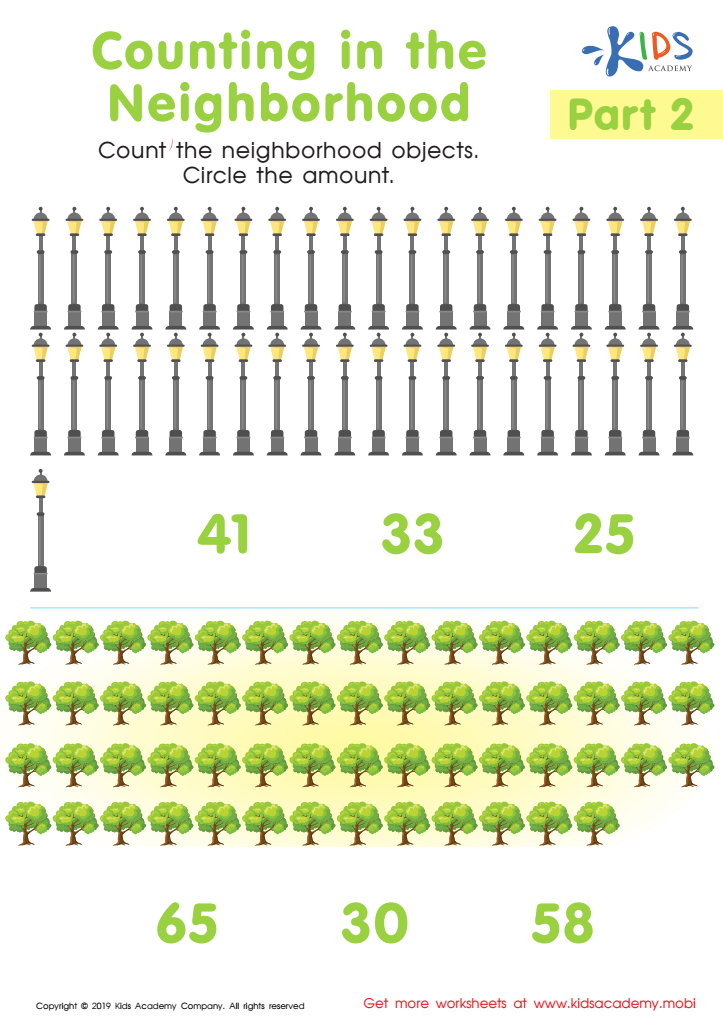
Counting In The Neighborhood Part 2 Worksheet
Download this free worksheet to help your child build number sense and math reasoning skills! It uses pictures of objects they know, letting your child count and match the right numeral to the objects to count past 10. Let them feel successful in mastering numbers.
 Assign to My Students
Counting In The Neighborhood Part 2 Worksheet
Worksheet
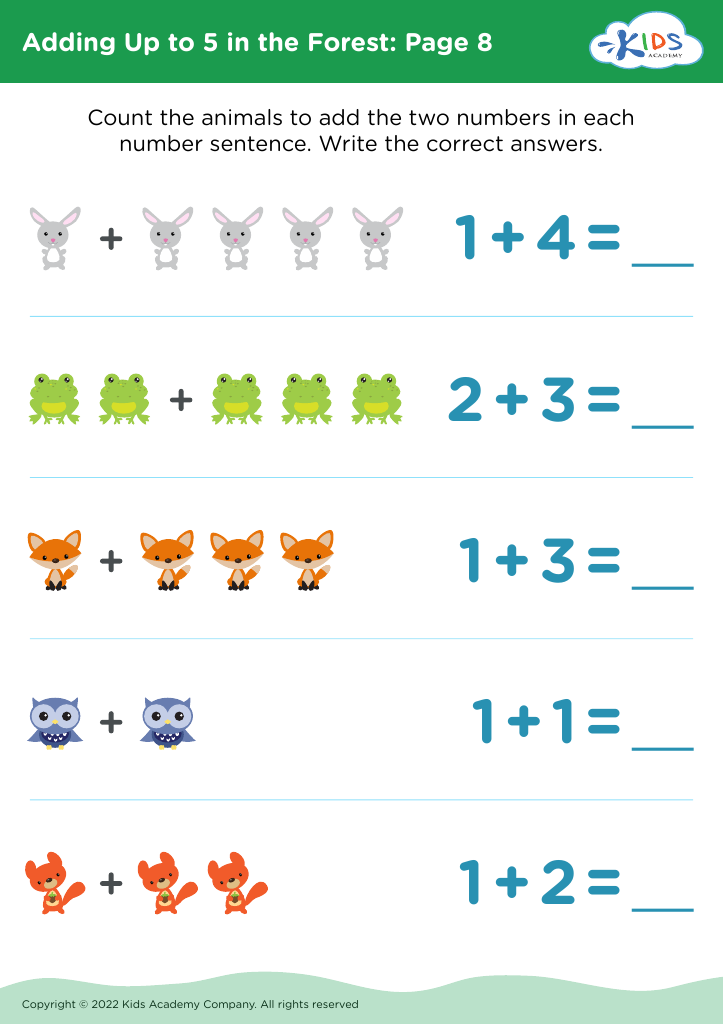
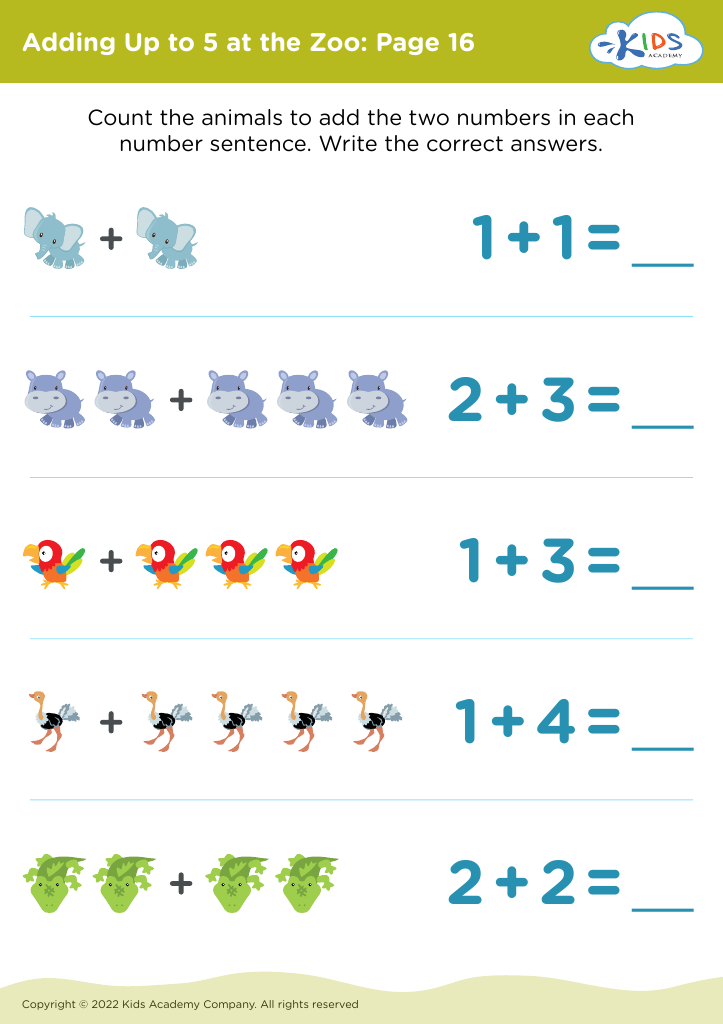
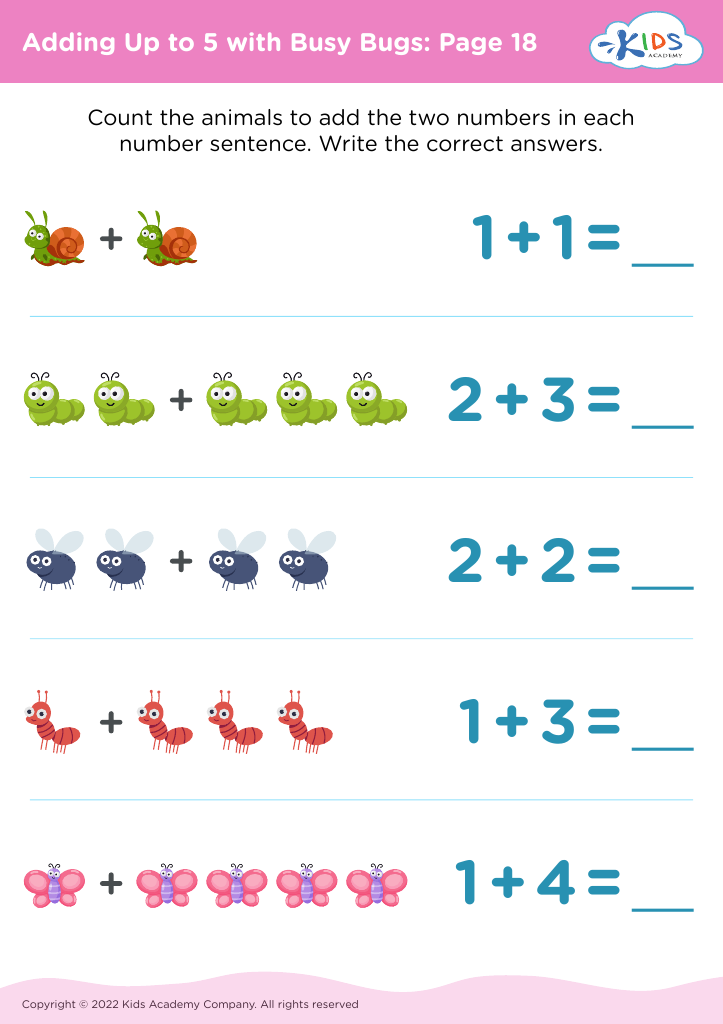
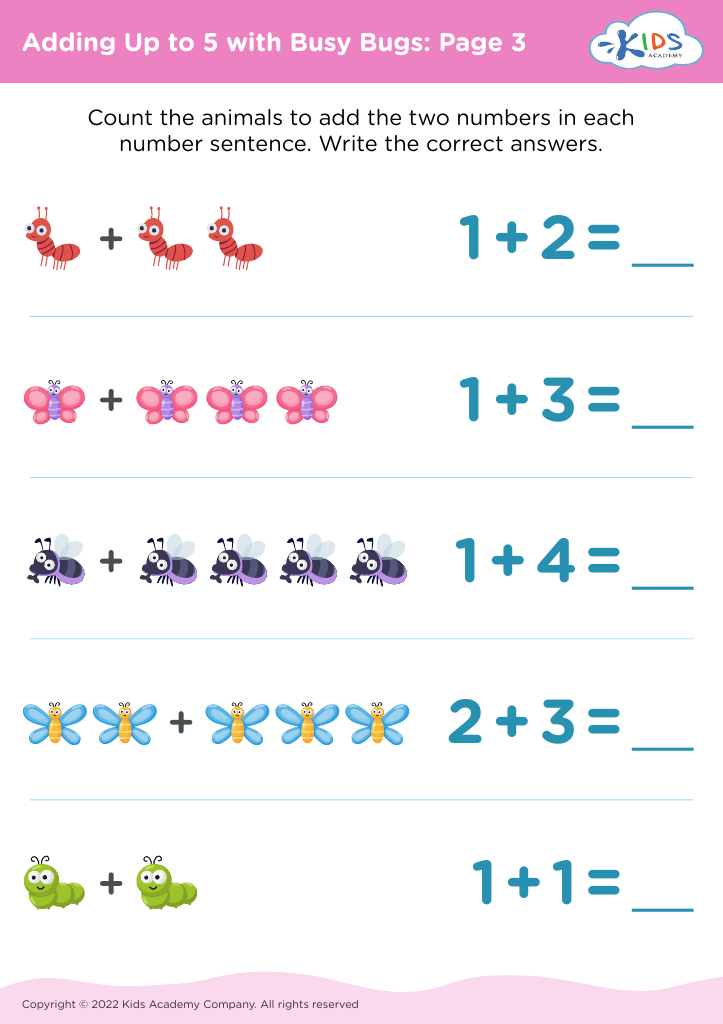
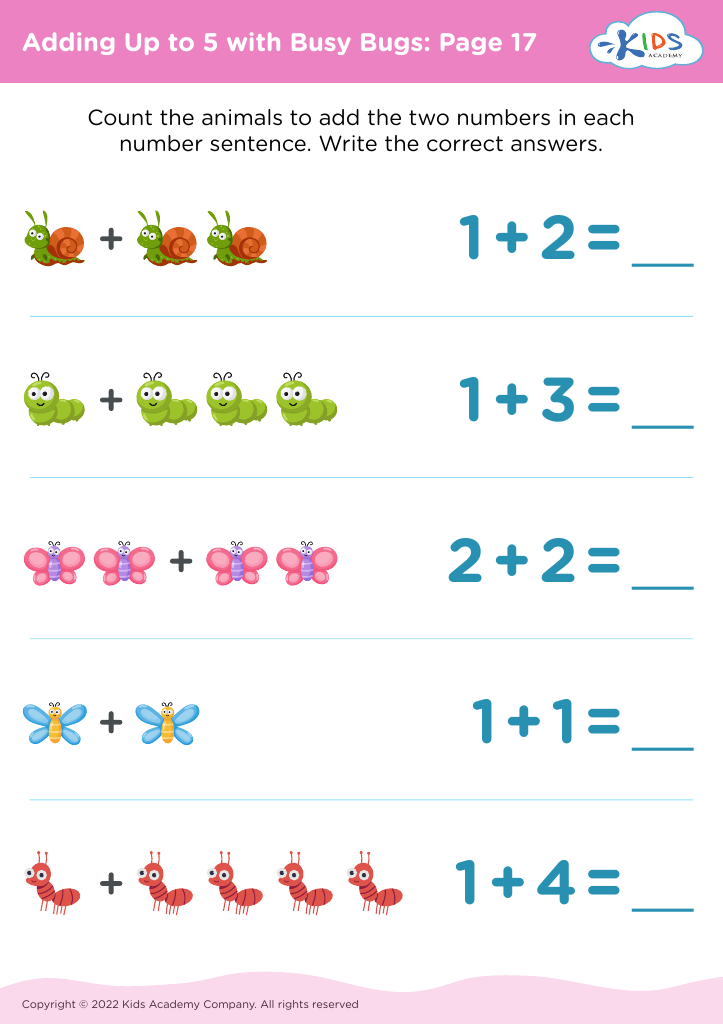
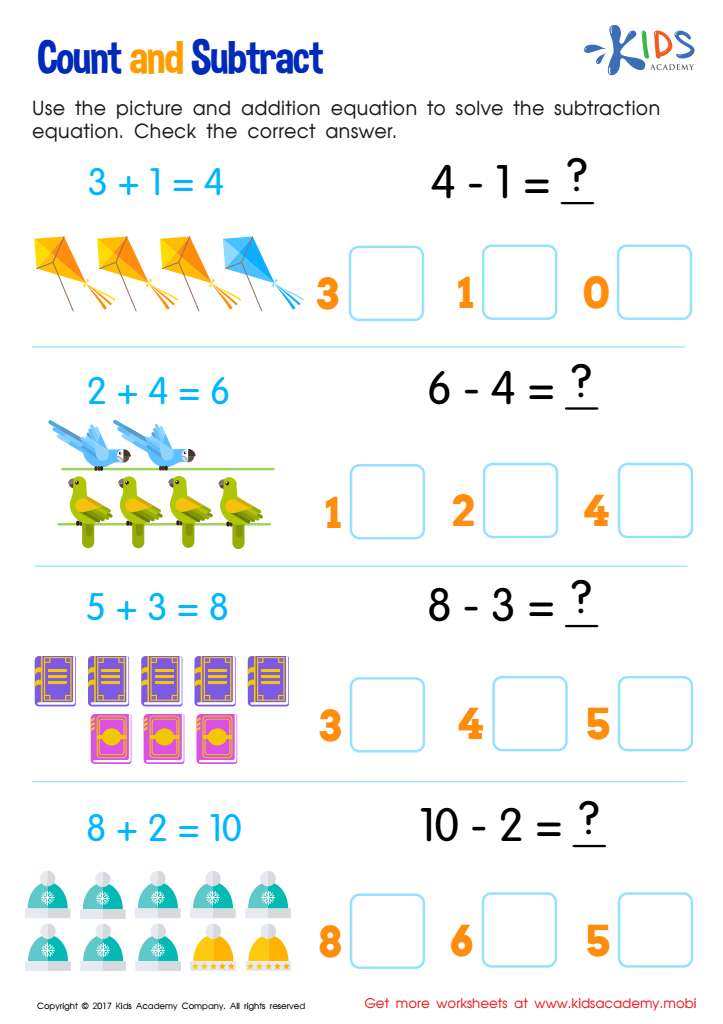
Count and Subtract Worksheet
This worksheet helps your child learn math via colorful pictures and equations. Count the items together, adding and subtracting as necessary. Your child will be challenged to get the correct total, thereby developing their math skills.
Count and Subtract Worksheet
Worksheet
Join Kids Academy for Free
Who is primarily going to use this learning content?






Developing concentration through math for ages 3-8 is essential as it lays the foundation for cognitive growth and lifelong learning. At this critical stage, children are highly impressionable and can benefit significantly from activities that enhance their focus. Engaging young learners in math activities promotes not only their numerical skills but also their ability to concentrate, think critically, and solve problems.
Math also supports the development of essential executive functions, such as attention control and working memory. These skills directly influence a child's ability to learn across subjects, impacting their overall academic success. Furthermore, improving concentration in mathematical contexts aids in reducing frustration during challenging tasks, fostering a more positive attitude towards learning and problem-solving.
Additionally, developing concentration through math helps to prepare children for future educational challenges, including standardized testing and advanced coursework. Notably, fostering early math skills paves the way for better performance in STEM subjects, which are increasingly critical in our technology-driven world.
By prioritizing concentration in math learning for young children, parents and teachers not only support math competency but also enhance overall cognitive abilities, nurturing curious, capable learners who are well-equipped for the future.








