Developing logical thinking Math Worksheets for Ages 3-8
7 filtered results
-
From - To
Discover our fun and engaging math worksheets designed to develop logical thinking for children ages 3-8. Our activities are thoughtfully crafted to build foundational skills in math through pattern recognition, sequencing, and problem-solving exercises. Kids will love solving puzzles, matching games, and mazes that make learning both exciting and effective. These worksheets not only stimulate young minds but also provide a balanced challenge, fostering confidence and a love for mathematics from an early age. Perfect for both classroom and home use, our downloadable resources will support your child's educational journey and prepare them for future academic success.
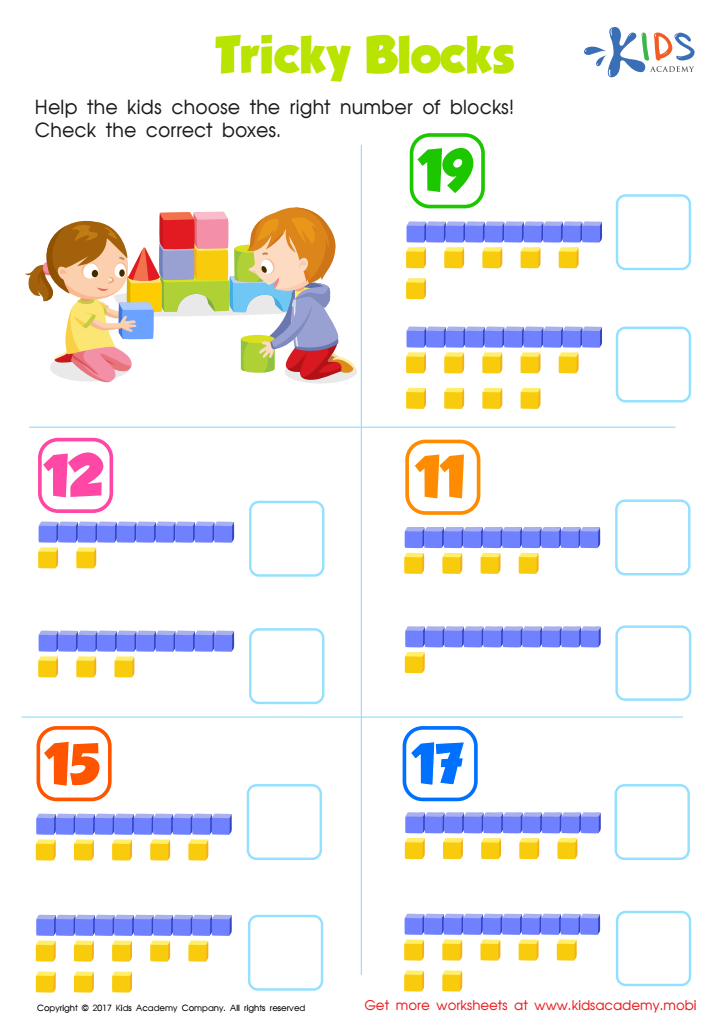
Tricky Blocks Worksheet
 Assign to My Students
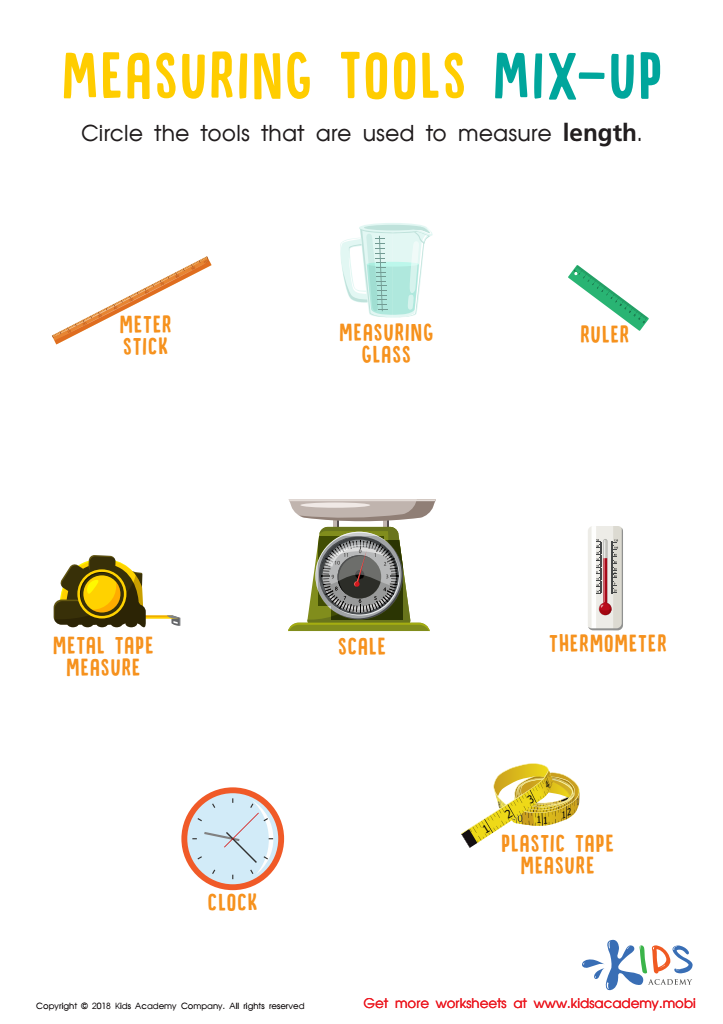
Measuring Tools Mix–up Worksheet
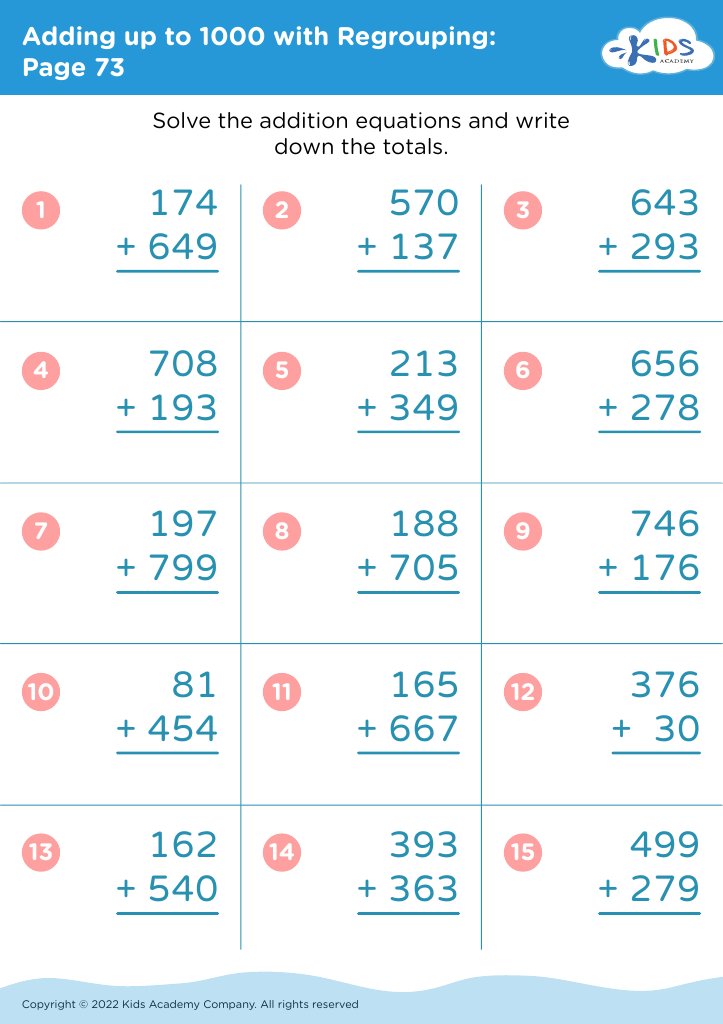
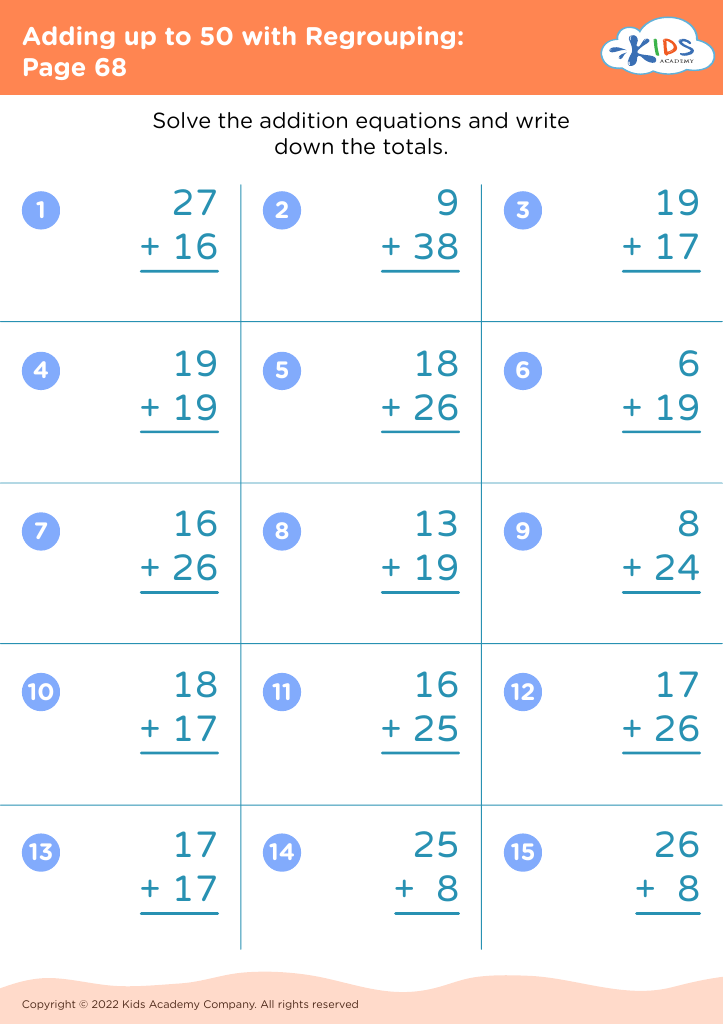
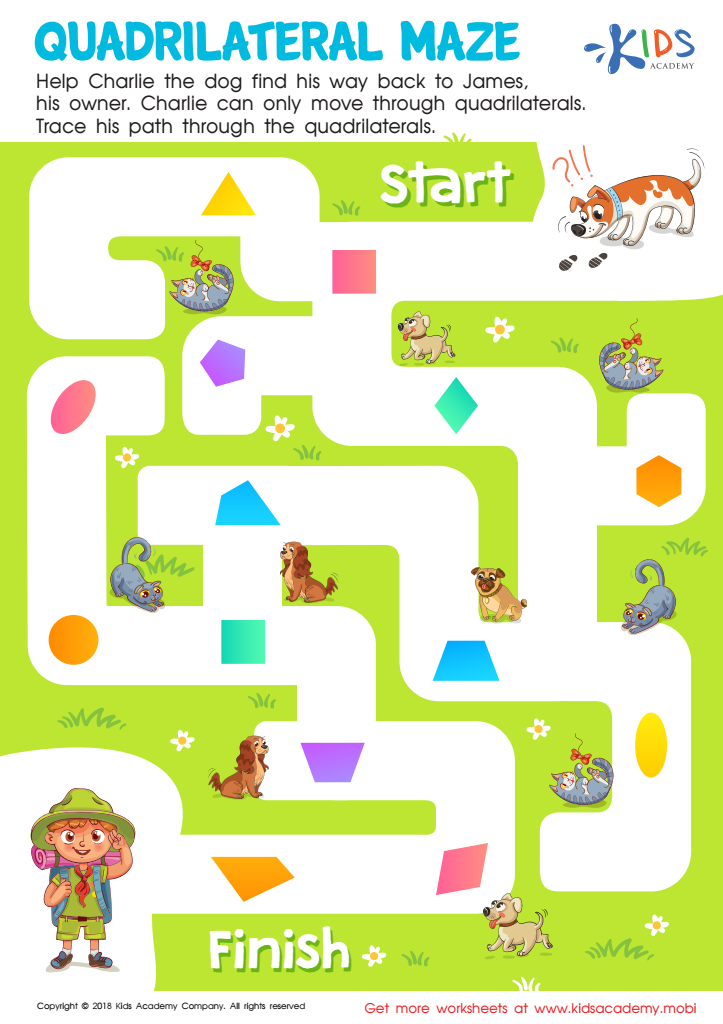
Quadrilateral Maze Worksheet
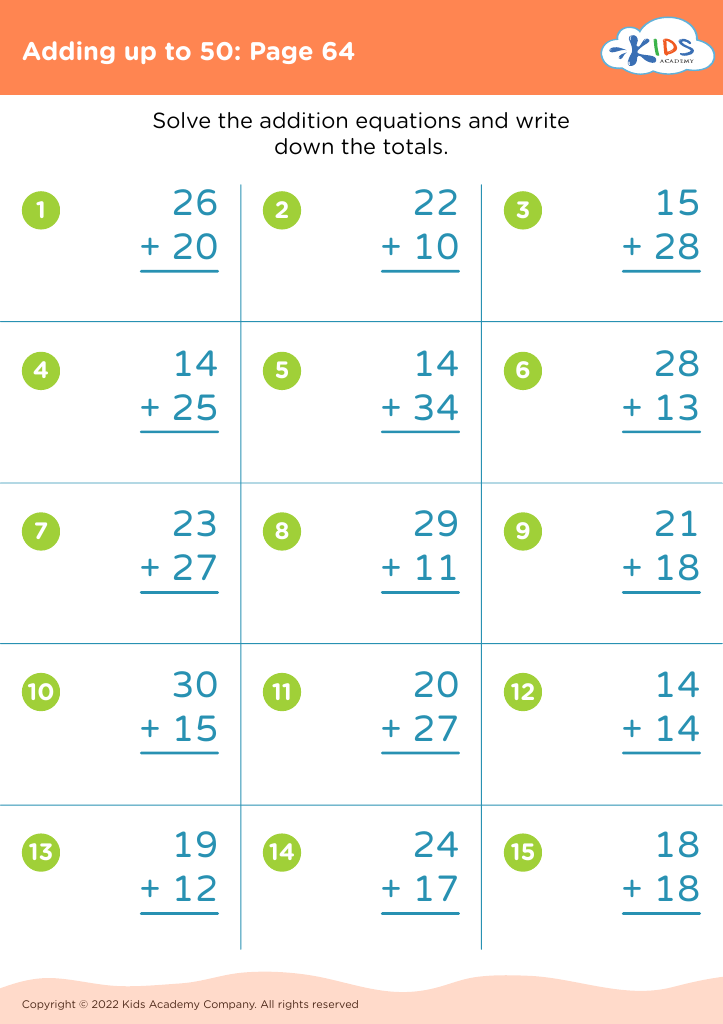
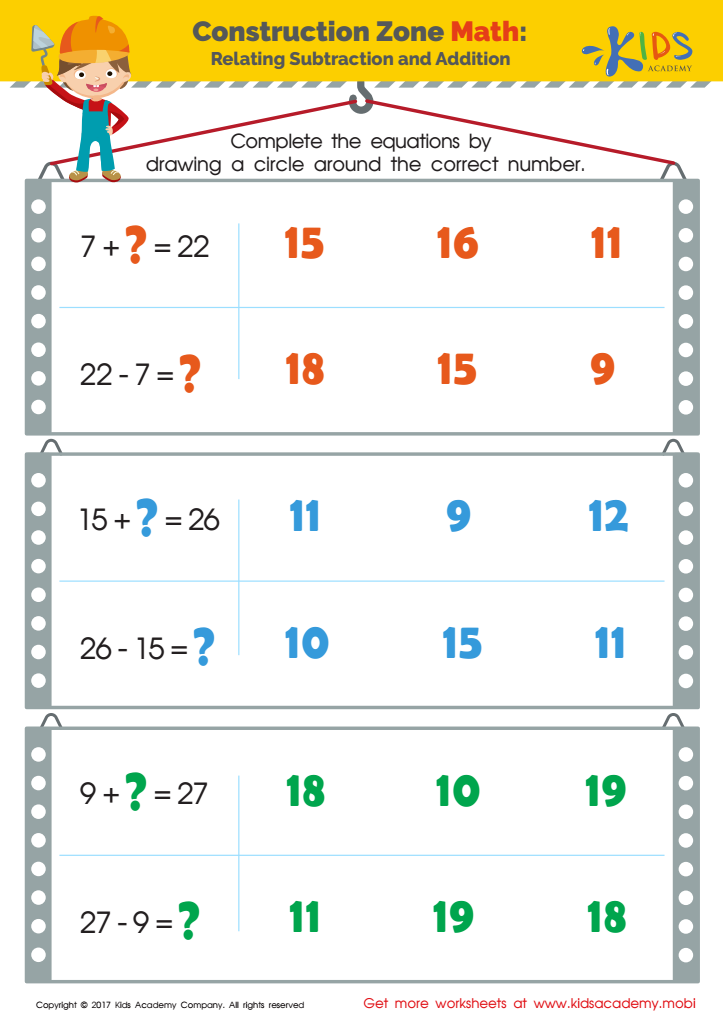
Related Addition and Subtraction Facts Worksheet





.jpg)


Developing logical thinking in math for children ages 3 to 8 is crucial for their overall cognitive development and future academic success. At this young age, children's brains are highly malleable and capable of rapid growth. Introducing them to mathematical concepts early helps build a strong foundation for more complex problem-solving skills later. This isn't just about numbers; it's about fostering critical thinking, attention to detail, and the ability to make connections, all of which are vital life skills.
For parents, encouraging logical thinking in math helps their children develop confidence and a positive attitude toward learning. It equips kids with the tools they need to approach everyday problems logically and systematically. This early skill set can reduce math anxiety in later years, making academic progress smoother and more enjoyable.
For teachers, incorporating logical thinking in math into daily lessons enhances students' engagement and curiosity. This method provides multiple pathways for children to understand mathematical concepts, catering to different learning styles and ensuring no one gets left behind. As students tackle and understand pattern recognition, sequencing, and basic arithmetic reasoning, they lay the groundwork for advanced reasoning capabilities.
In summary, fostering logical thinking in math from a young age develops essential cognitive skills that benefit children throughout their lives, both academically and personally.








