Drawing skills Math Worksheets for Ages 3-8
7 filtered results
-
From - To
Explore our engaging Drawing Skills Math Worksheets designed for children ages 3-8! These fun, interactive worksheets combine creative expression with essential math concepts, helping young learners enhance their drawing abilities while developing vital skills like counting, shapes, and problem-solving. Each worksheet is filled with colorful illustrations and easy-to-follow instructions, making learning enjoyable and accessible. Perfect for parents, teachers, or caregivers, our resources foster creativity and analytical thinking in early childhood education. Spark your child’s imagination and build their confidence in math with these delightful worksheets tailored to inspire young minds! Download your free worksheets today and watch their skills flourish!
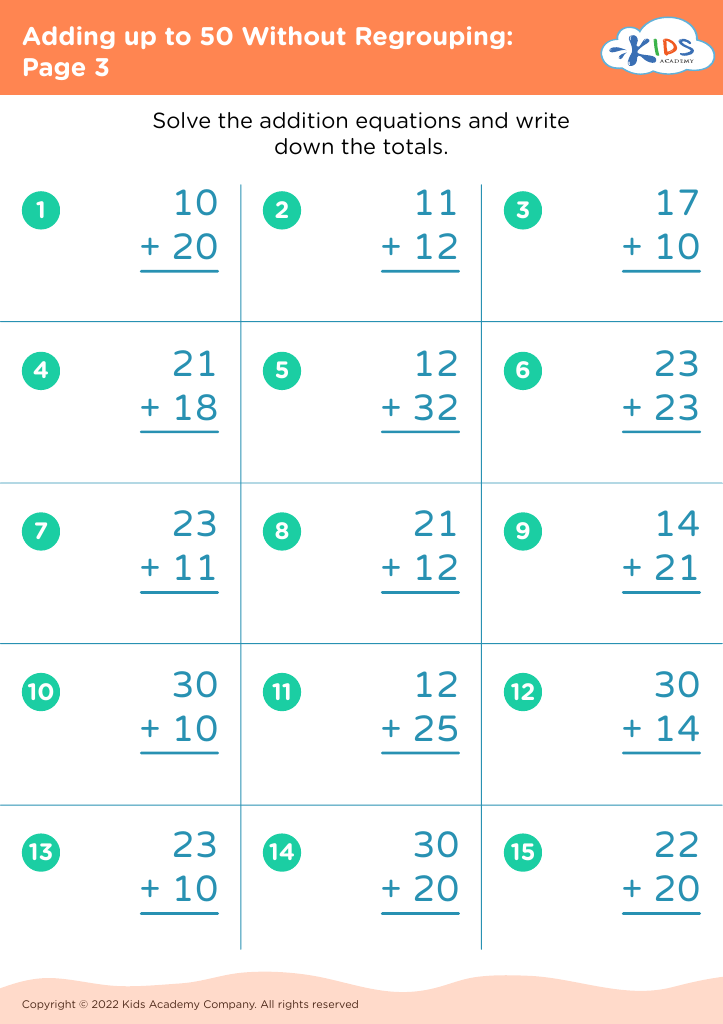
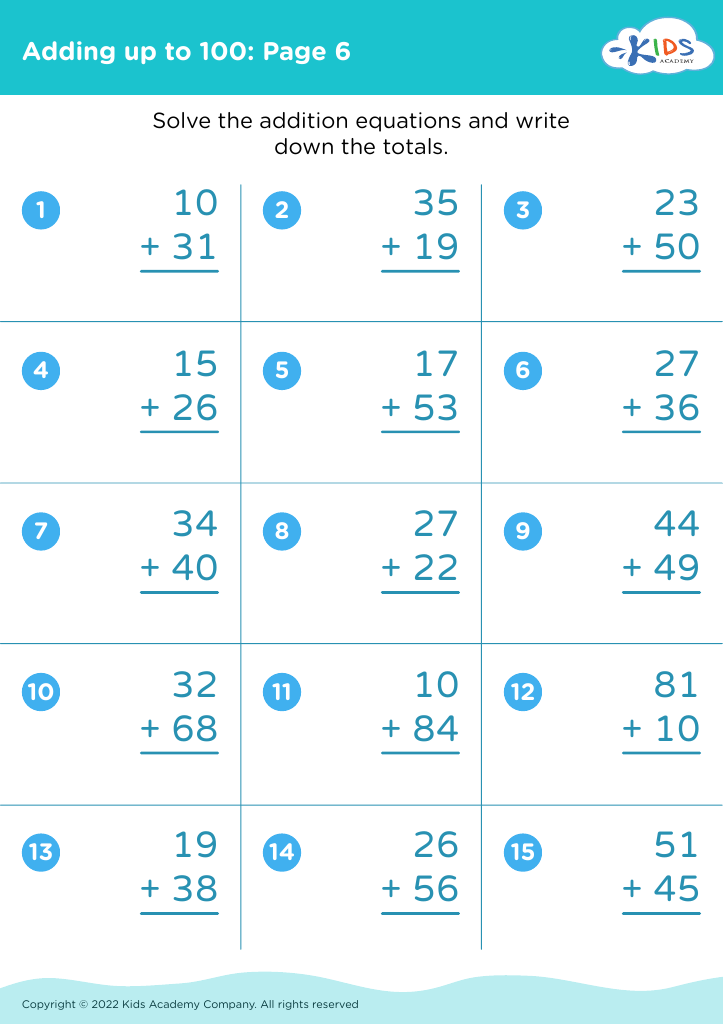
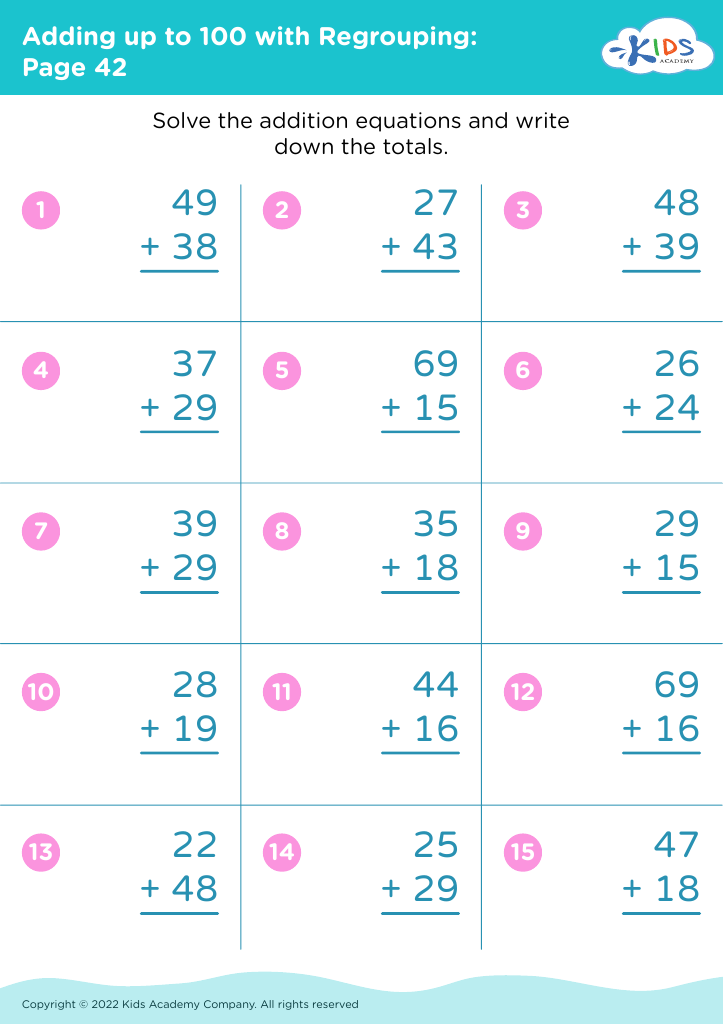
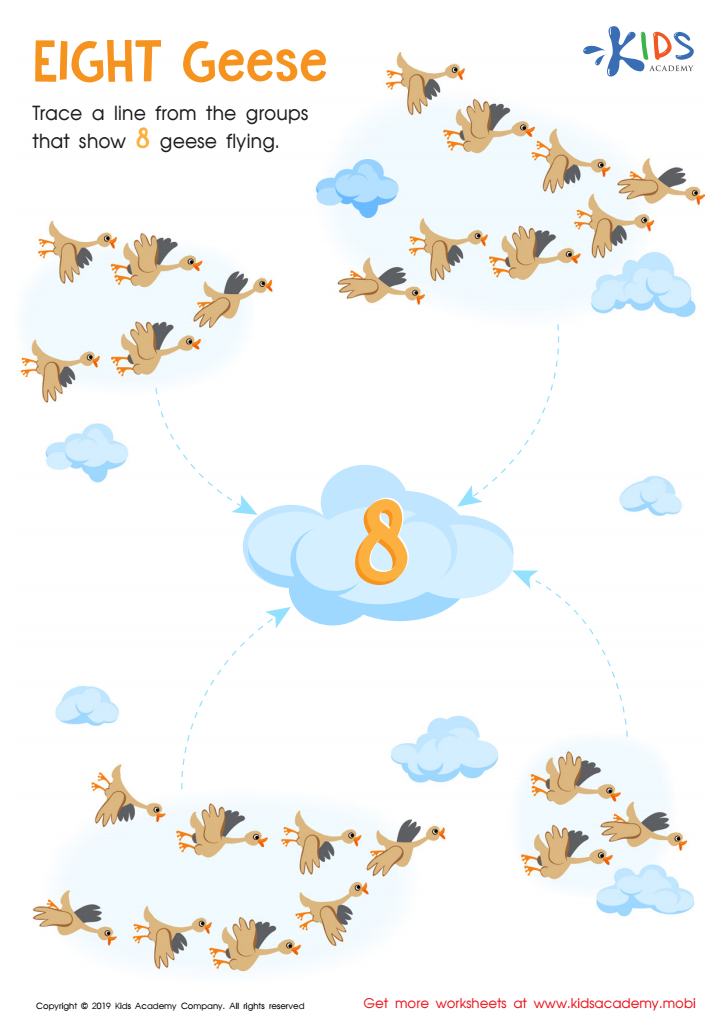
Eight Geese Worksheet
 Assign to My Students





%20(1).jpg)

Developing drawing skills in children aged 3-8 can significantly enhance their mathematical abilities. At this crucial stage of cognitive development, drawing serves as a powerful tool for understanding mathematical concepts. When children draw shapes, they not only express creativity but also learn about geometry and spatial relationships. By representing numbers, patterns, and measurements visually, young learners build foundational skills necessary for advanced math.
Moreover, drawing fosters critical thinking and problem-solving. When children illustrate mathematical problems or visualize their thought processes, they enhance their ability to reason through challenges. This creates a richer understanding of numeracy that transcends rote memorization.
Additionally, drawing promotes fine motor skills, helping children develop the hand-eye coordination needed for writing and precise mathematical tasks later on. As they engage in art activities, they gain confidence in their ability to express ideas—an important aspect of both math and overall academic success.
For parents and teachers, nurturing drawing skills isn't just about fostering creativity; it's about equipping children with the essential tools to comprehend and engage with mathematical concepts effectively. By prioritizing creative expression, adults can inspire a lifelong love for math and problem-solving, creating confident learners.








