Fine motor development Math Worksheets for Ages 3-8
7 filtered results
-
From - To
Enhance your child’s fine motor skills while making math fun with our specially designed worksheets for ages 3-8! Our engaging math worksheets combine numerical concepts with activities that promote dexterity and hand-eye coordination. As children trace numbers, connect dots, or cut out shapes, they develop the essential fine motor skills necessary for writing and other tasks. Perfect for home or classroom use, these worksheets foster both cognitive and physical development in young learners. Explore our diverse collection and watch your child's confidence and skills grow, all while enjoying the joy of learning math! Boost your child’s skills today!
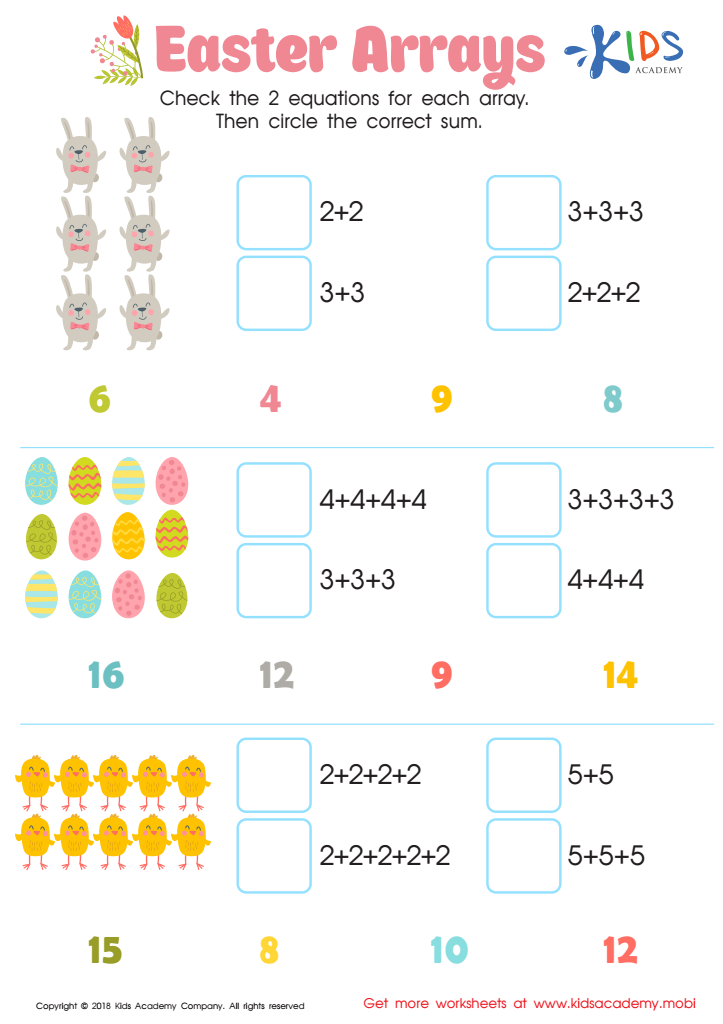
Easter Arrays Worksheet
 Assign to My Students
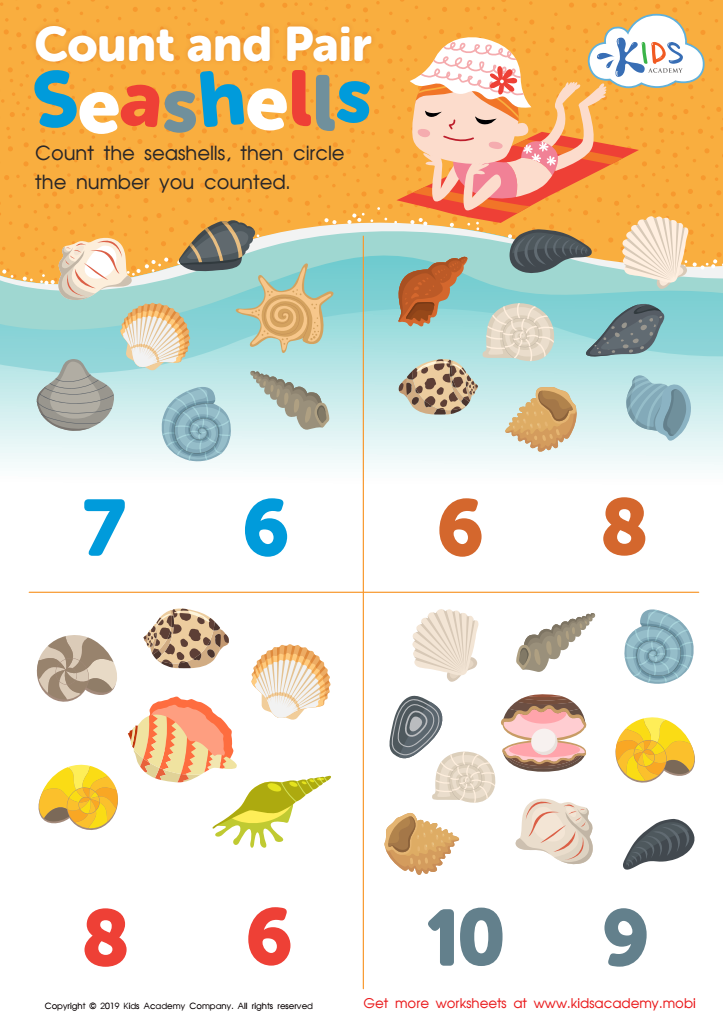
Count and Pair Seashells Worksheet
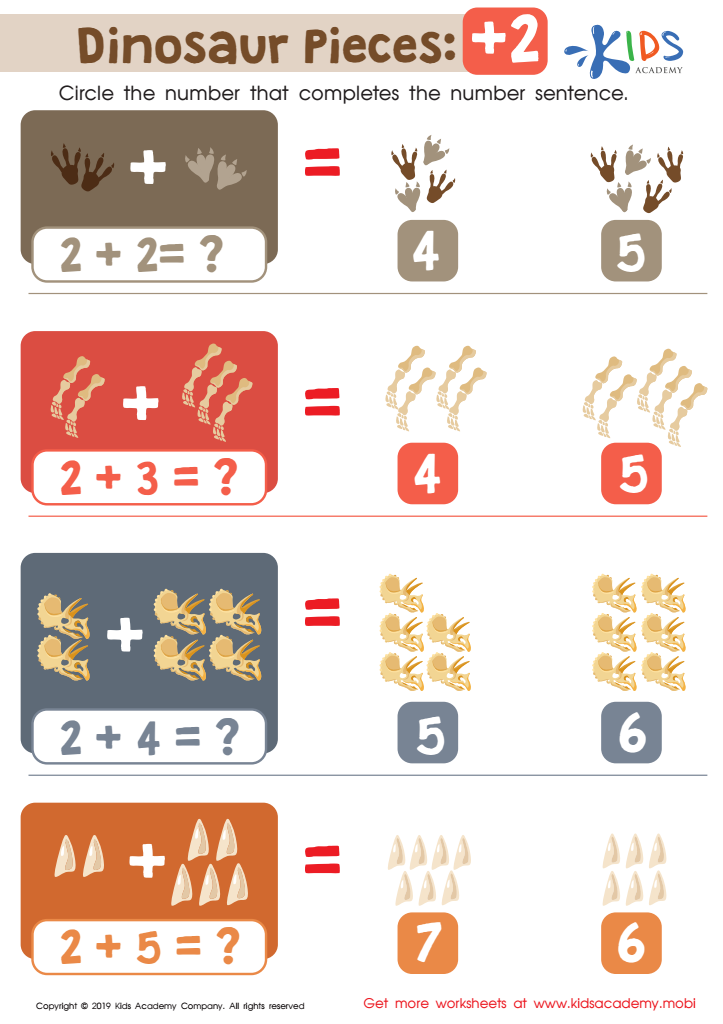
Dinosaur Pieces: +2 Worksheet
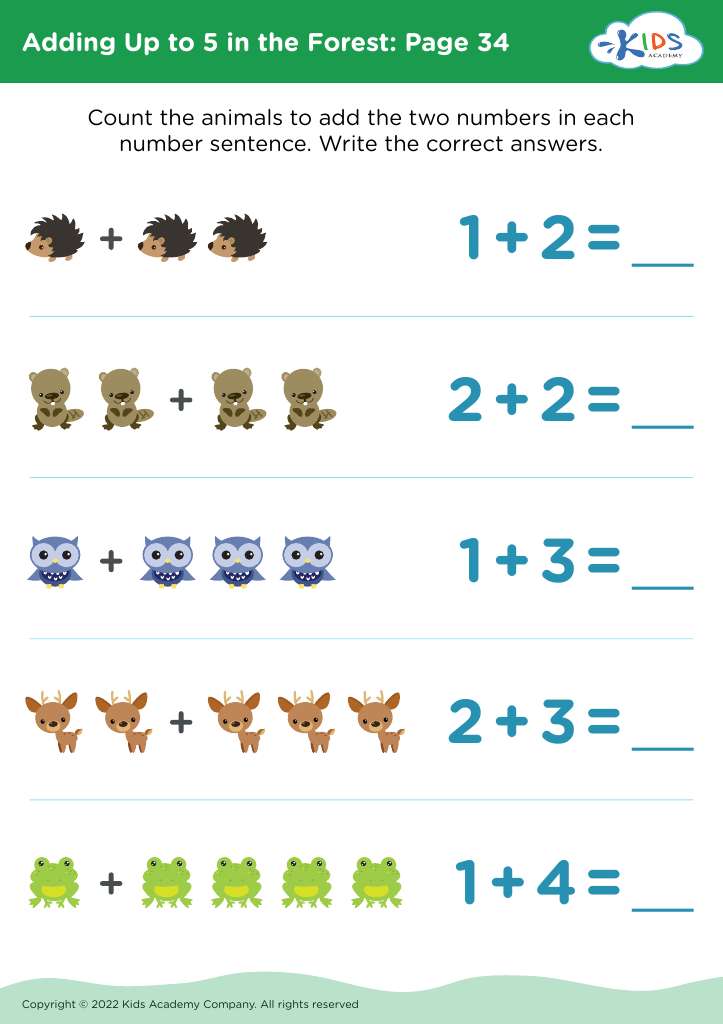
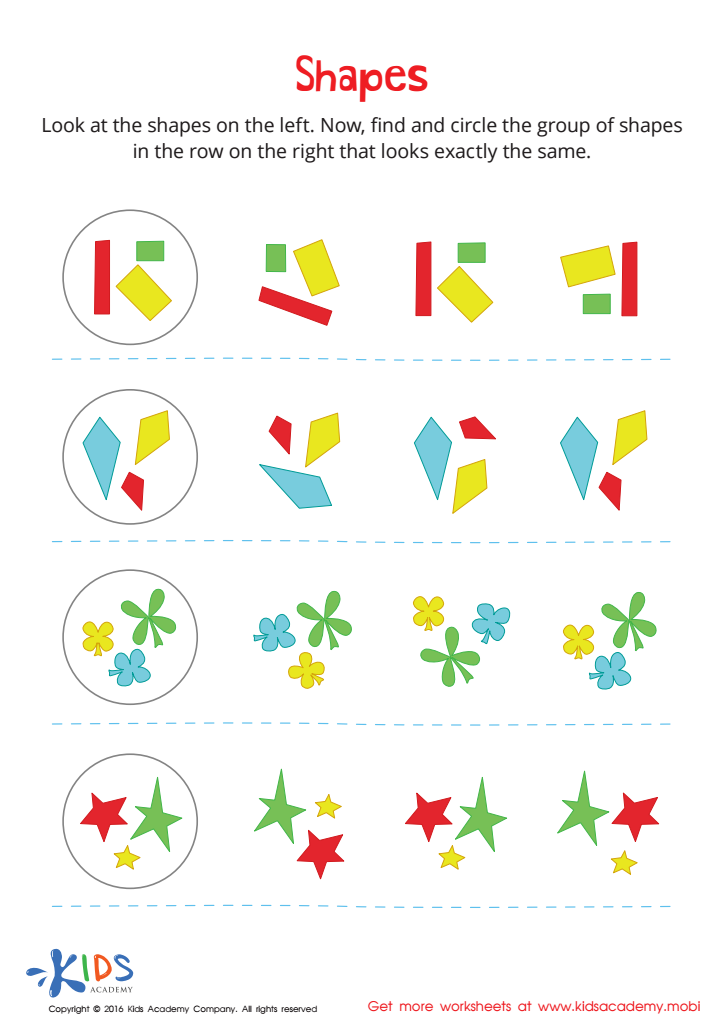
Shapes Worksheet
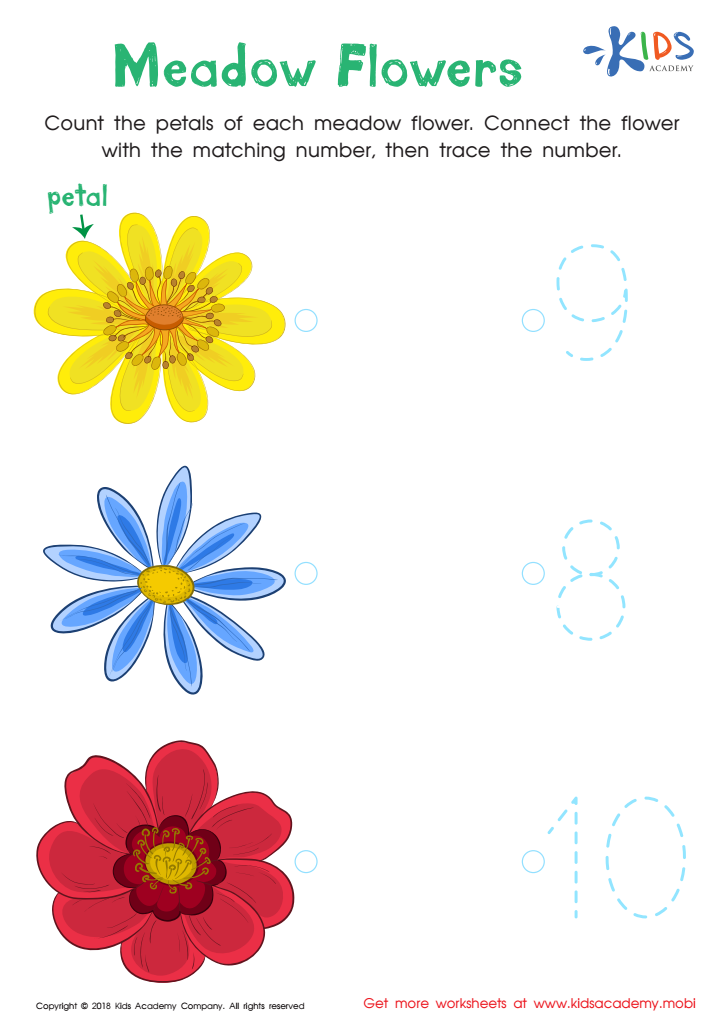
Kindergarten Number Tracing: Medow Flowers Worksheet



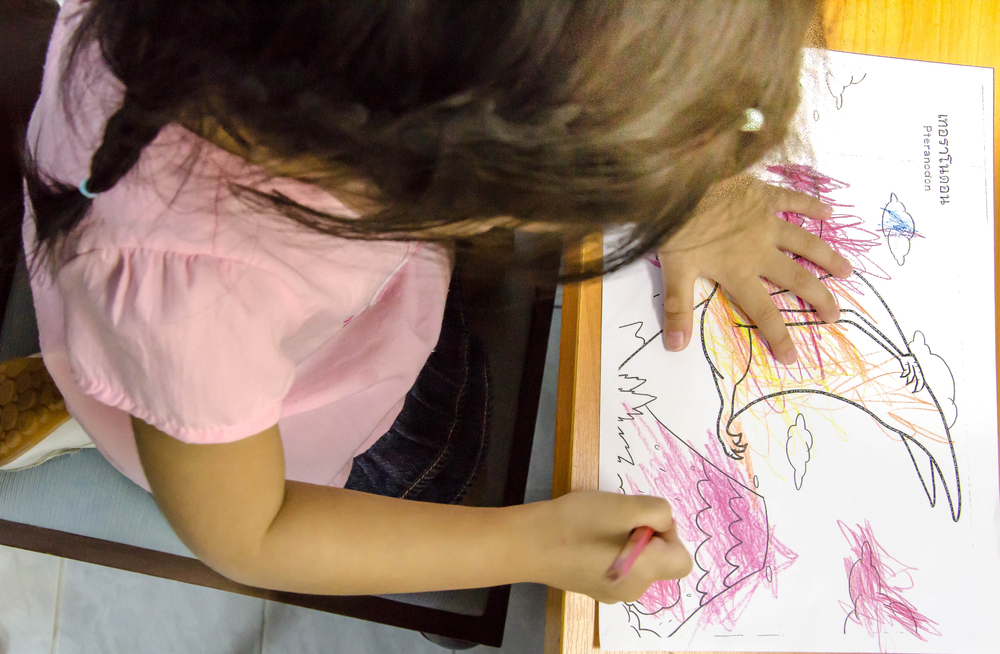



Fine motor development is crucial for children aged 3-8 as it lays the foundation for essential skills necessary for both everyday activities and academic success, including math. Fine motor skills involve the coordination of small muscles in the hands and fingers, allowing young learners to perform tasks such as holding a pencil, cutting paper, and manipulating small objects. These skills directly impact a child’s ability to engage with mathematical tasks, such as drawing shapes, manipulating counters, and writing numbers.
Parents and teachers should care about fine motor development during these formative years, as it not only supports mathematical understanding but also fosters overall cognitive growth. Developing fine motor skills encourages problem-solving and critical thinking, which are vital in math. Engaging activities that promote fine motor skills—like beading, puzzles, or tracing shapes—can also enhance hand-eye coordination and concentration.
Furthermore, strong fine motor skills can boost a child's confidence and enjoyment in learning, especially in areas like math that may initially seem challenging. By prioritizing fine motor development, caregivers and educators can help children build the necessary skills for future learning, fostering a positive attitude toward math and other academic areas.








