Following directions Math Worksheets for Ages 3-8
3 filtered results
-
From - To
Explore our engaging "Following Directions Math Worksheets" designed for children aged 3-8 at Kids Academy! These worksheets help young learners develop essential listening and comprehension skills while practicing basic math concepts. Structured to combine educational fun with interactive instructions, each activity encourages students to carefully follow step-by-step directions, promoting both their math abilities and critical thinking. With vibrant illustrations and age-appropriate challenges, our resources make mastering math concepts enjoyable and effective. Ideal for home or classroom use, these worksheets foster independent learning while enhancing direction-following skills essential for early education success. Start your child's math journey today!
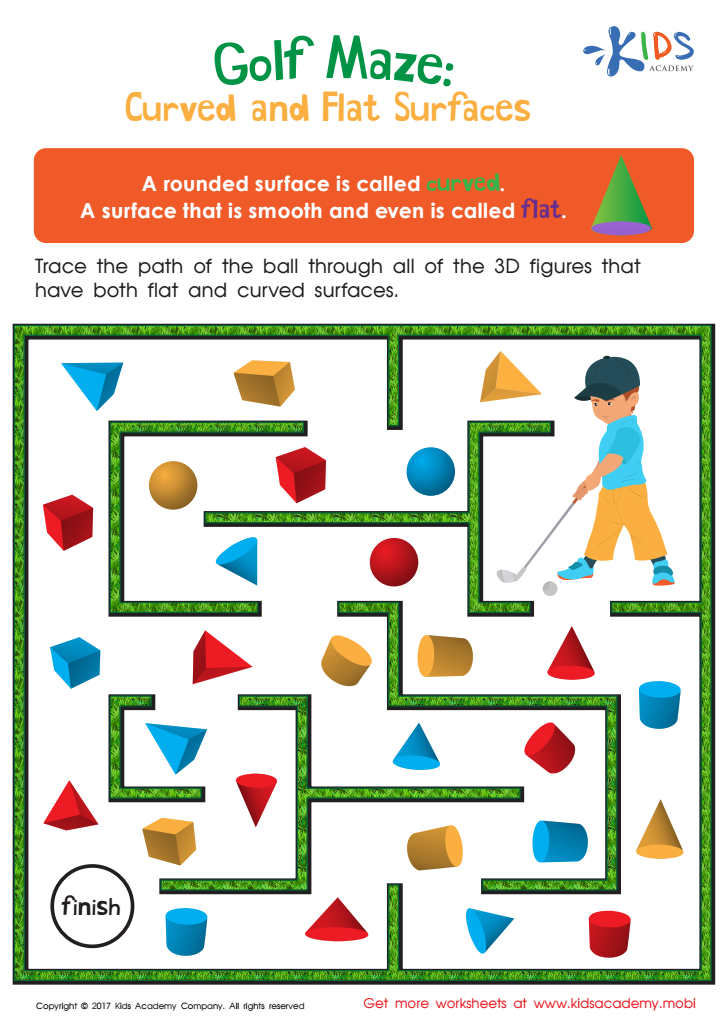
Golf Maze: Curved and Flat Surfaces Worksheet
 Assign to My Students
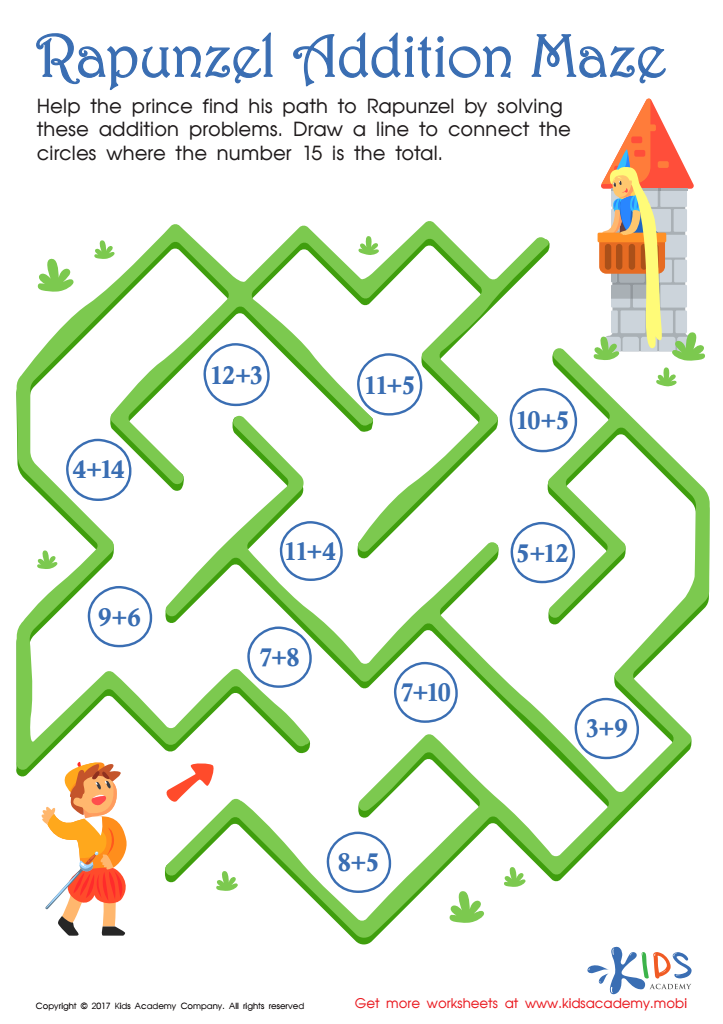
Rapunzel Addition Maze Worksheet
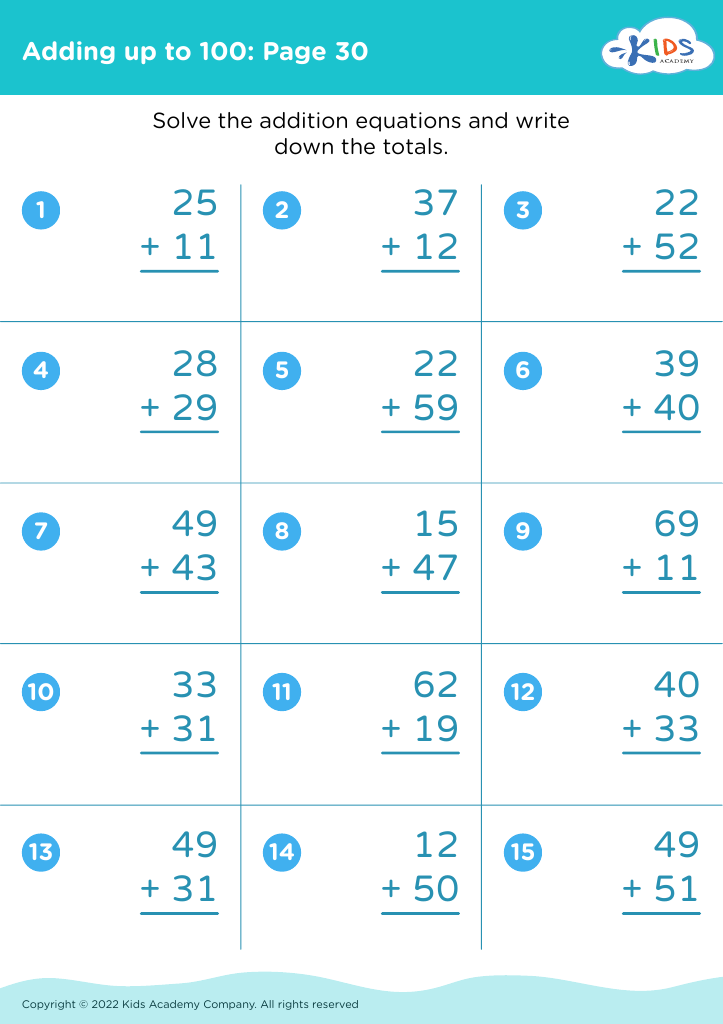





.jpg)

Following directions in math for ages 3-8 is crucial for several reasons. First, it lays the foundation for essential skills that children will need as they progress in their educational journey. When children learn to follow multi-step directions, they develop critical thinking and listening skills that enhance their overall learning abilities.
Moreover, math often requires a series of steps to obtain a solution, and mastering this skill at an early age can improve problem-solving abilities. For example, in tasks involving counting, sorting, or measuring, being able to comprehend and execute instructions is vital for achieving correct outcomes.
Encouraging children to follow directions also nurtures their ability to focus and build patience, characteristics essential for successful learning. Parents and teachers who prioritize this skill can help foster a child's confidence and independence, making them more eager and capable learners.
Finally, understanding directions helps with social interactions during collaborative activities, promoting teamwork and communication. In summary, prioritizing following directions in math not only equips children with academic skills but also contributes to their personal and social development, making it a critical focus for parents and educators alike.








