Improve fine motor skills Math Worksheets for Ages 3-8
3 filtered results
-
From - To
Enhance your child's fine motor skills with our engaging Math Worksheets designed specifically for ages 3 to 8. These worksheets combine fun math activities with hands-on tasks, helping young learners develop crucial fine motor abilities while exploring basic math concepts. Each worksheet is thoughtfully crafted to encourage writing, cutting, and pasting, promoting hand-eye coordination and dexterity. Ideal for home or classroom use, our resources provide an enjoyable learning experience that keeps kids motivated. Foster confidence and proficiency in math while strengthening fine motor skills. Start your child's learning journey today with our creative and educational math worksheets!
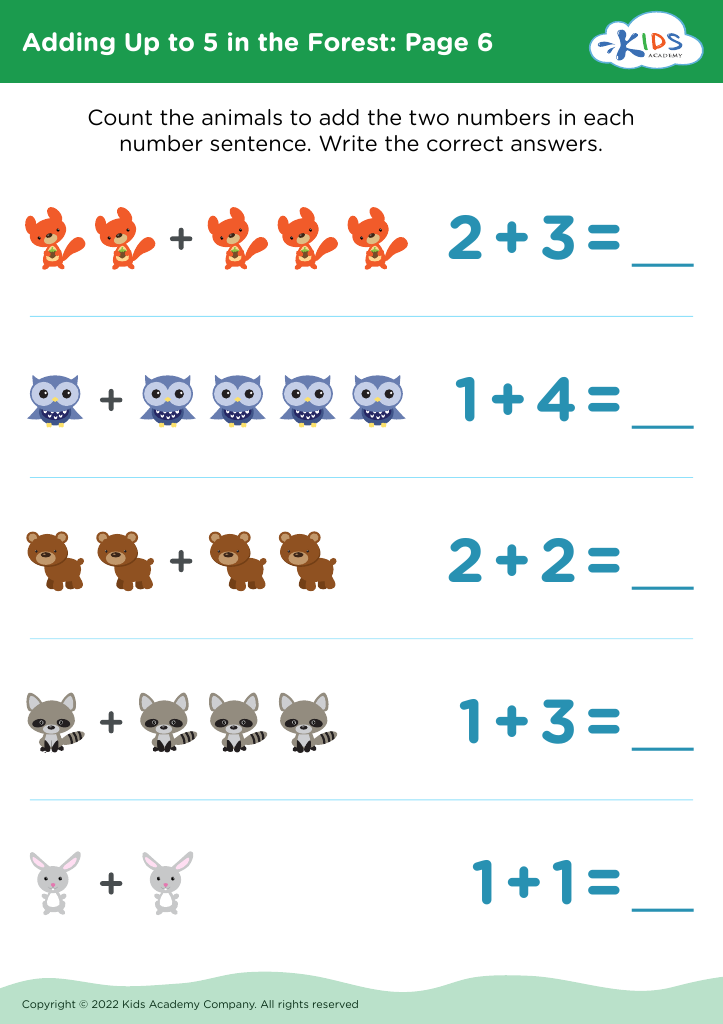
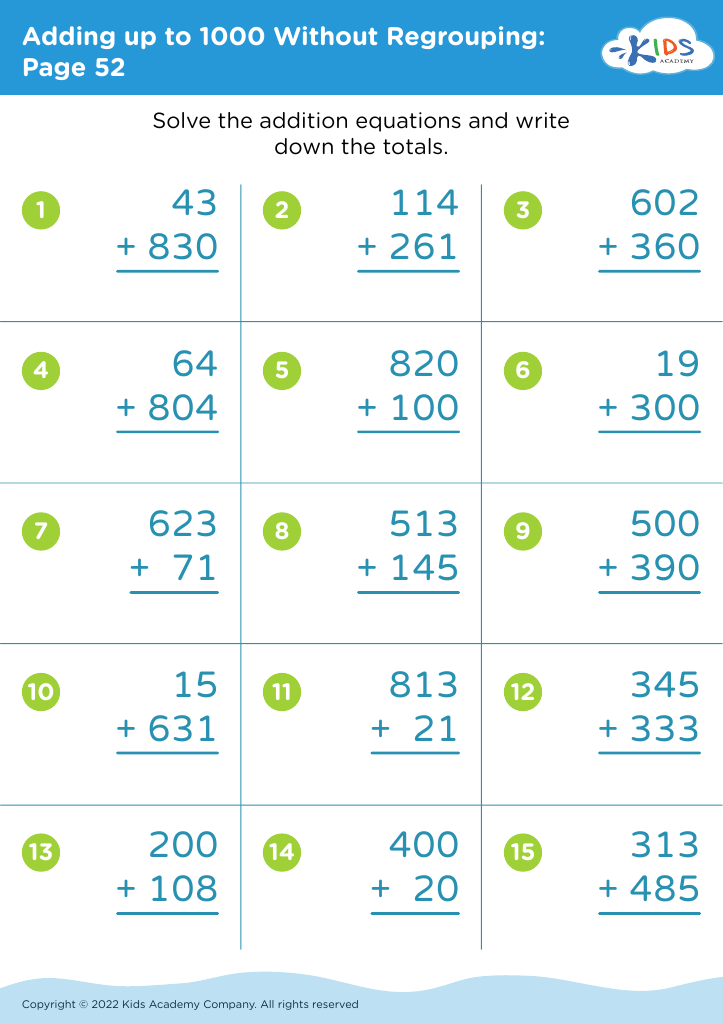
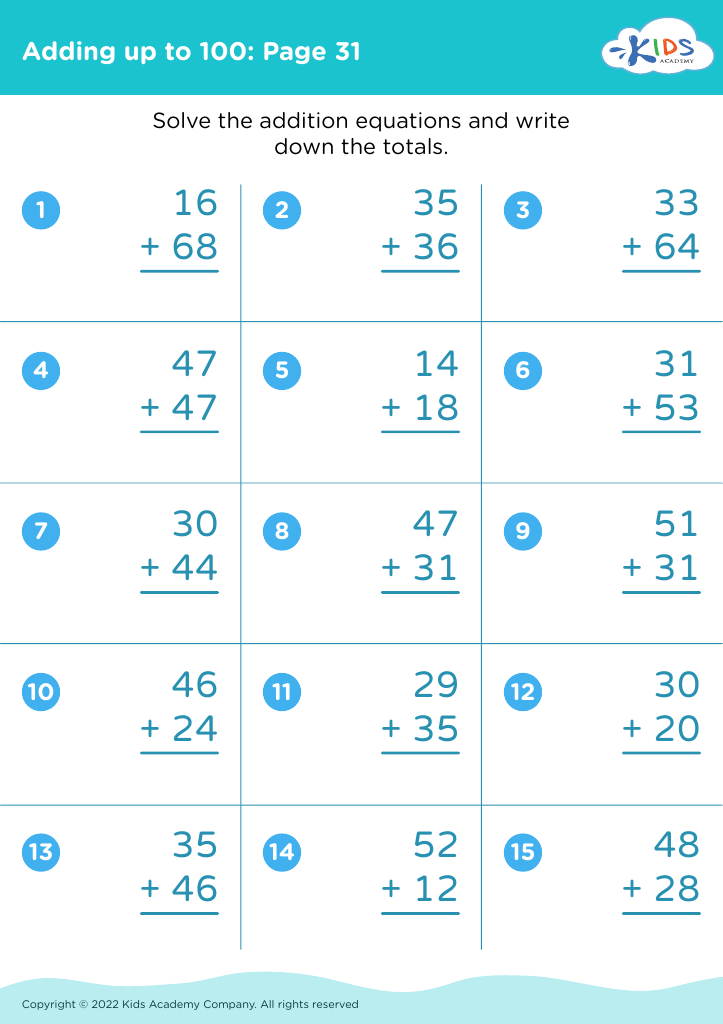








Fine motor skills are essential for children aged 3-8 because they form the foundation for both academic success and everyday tasks. Improved fine motor skills directly enhance a child's math abilities. For instance, activities that require manipulation of objects, such as counters, pencils, and building blocks, foster precision and control. When children practice grasping, pinching, and managing small items, they develop the dexterity necessary for writing numbers clearly, using measuring tools, and handling various math materials.
In addition to enhancing mathematical competence, strong fine motor skills support cognitive development. As children engage in hands-on activities—like sorting shapes or using scissors to create shapes—they learn about spatial relationships, counting, and patterns, all integral concepts in math. Moreover, these skills boost problem-solving abilities as children learn to navigate challenges through self-directed tasks.
Lastly, fine motor skill development fosters a sense of independence and confidence. As children master basic math tasks, they feel empowered to explore more complex problems, creating a positive feedback loop of encouragement and progress. Therefore, parents and teachers should prioritize fine motor skill activities in their educational approaches, recognizing their critical role in a child’s overall development and academic success, particularly in mathematics.








