Math problem-solving skills Math Worksheets for Ages 3-8
4 filtered results
-
From - To
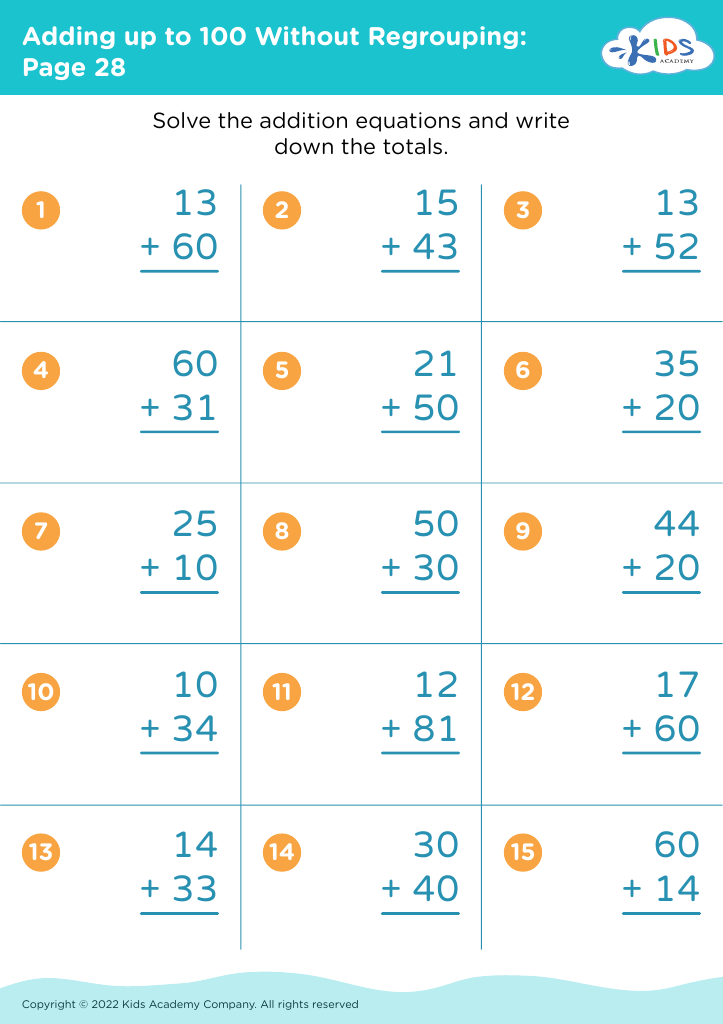
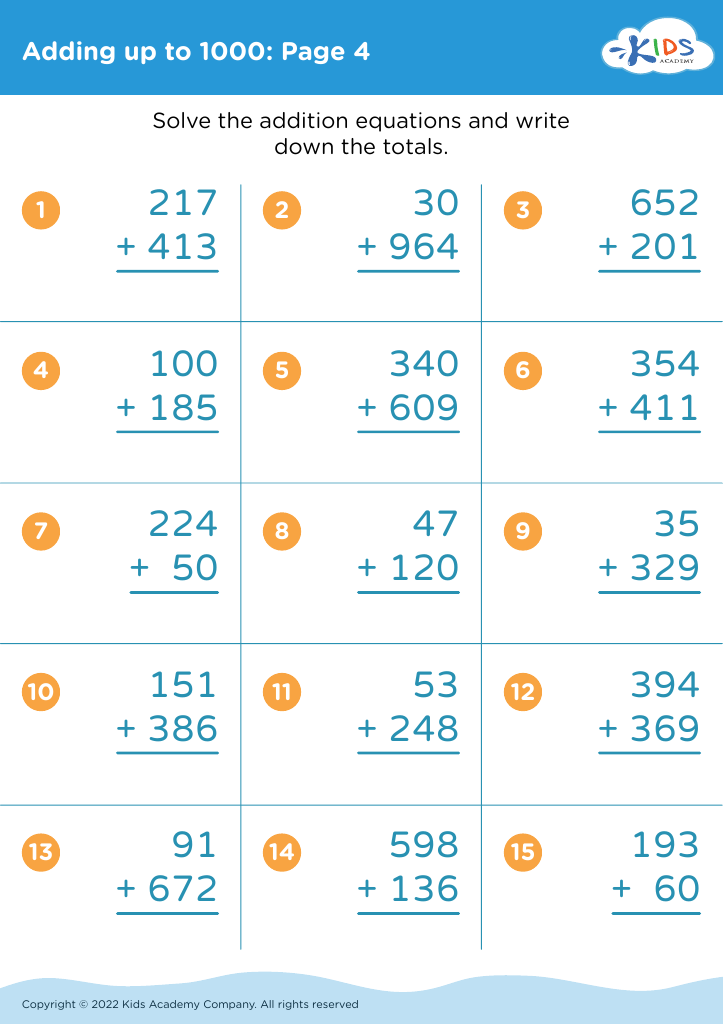
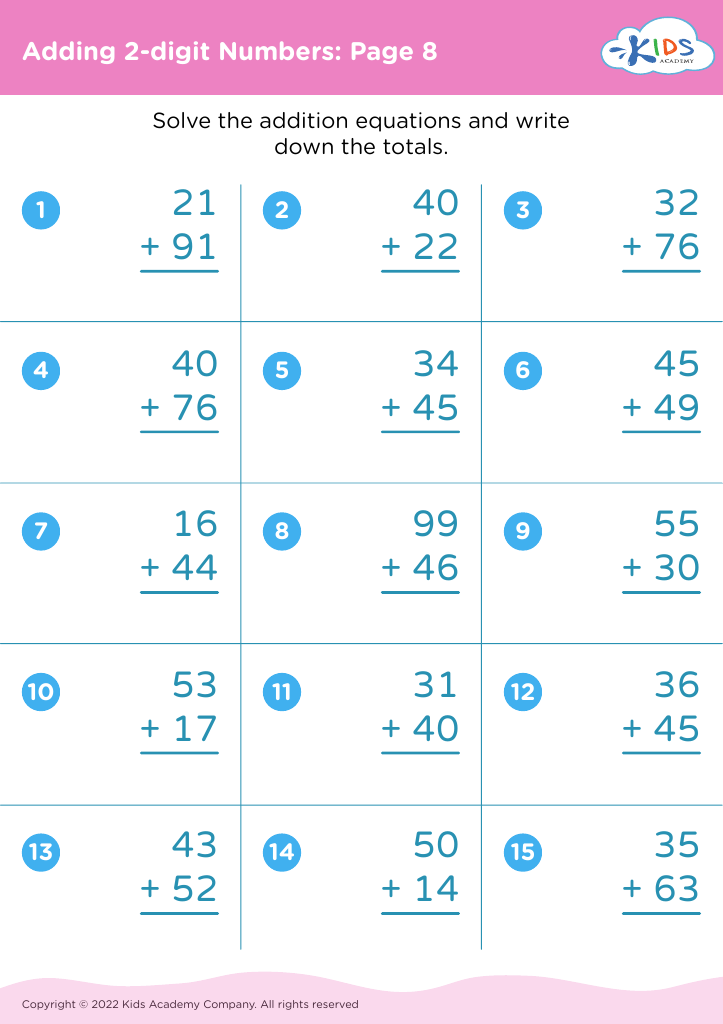
Enhance your child's math problem-solving abilities with our engaging Math Worksheets, specially designed for ages 3-8! These printable resources introduce essential concepts through fun activities that promote critical thinking and analytical skills. Young learners will enjoy interactive exercises that encourage them to tackle challenges confidently. Our worksheets cover a variety of topics, including pattern recognition, addition, subtraction, and more, ensuring a comprehensive foundation in math. Ideal for both classroom use and at-home practice, these materials foster a love for learning and help build essential skills for future academic success. Download and watch your child's problem-solving expertise grow today!
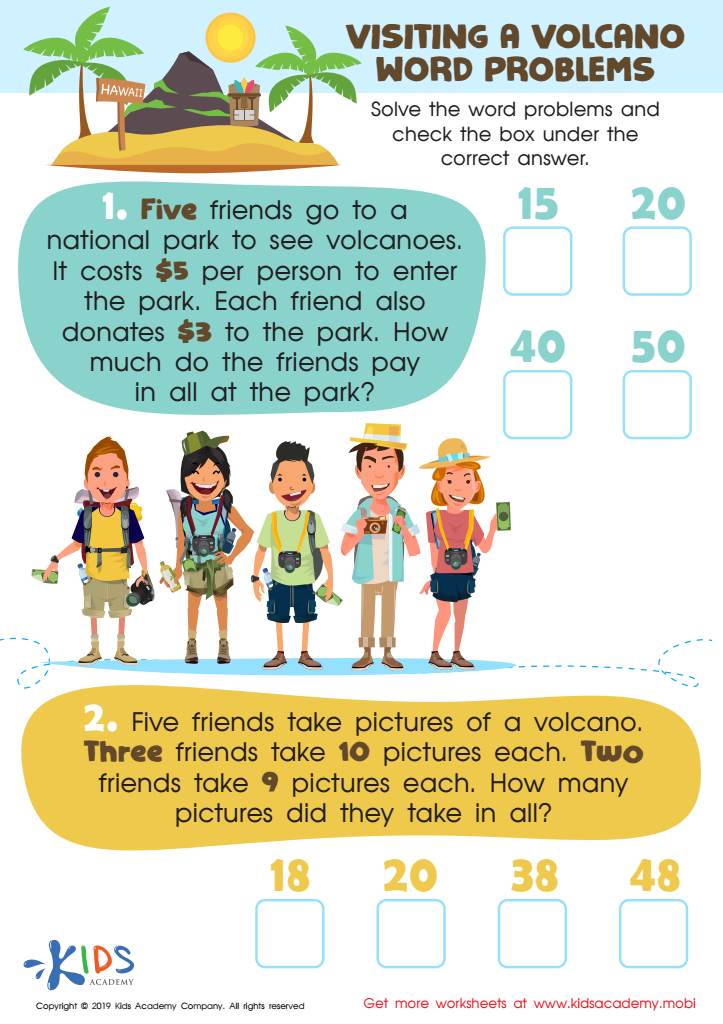
Visiting a Volcano Word Problems Worksheet
 Assign to My Students



.jpg)




Parents and teachers should prioritize math problem-solving skills for children ages 3-8 because these abilities form the foundation for future academic success and everyday functioning. At this critical age, children are naturally curious and willing to explore, making it the perfect time to introduce mathematical concepts in an engaging way. Problem-solving not only enhances mathematical understanding but also fosters essential cognitive skills like critical thinking, creativity, and logical reasoning.
Effective math problem-solving instills a growth mindset in young learners. When children learn to approach challenges methodically and practice resilience through trials and errors, they develop confidence in their abilities, which can extend beyond mathematics. Additionally, nurturing these skills promotes collaboration, as children often work together to reason through problems, fostering a sense of community and teamwork.
Moreover, math problem-solving is essential in real-life scenarios, enabling children to make informed decisions, manage resources, and undertake daily tasks. By emphasizing these skills early, parents and teachers lay the groundwork for stronger cognitive development, ultimately preparing children for not just the academic challenges ahead, but also teaching them valuable life skills that will benefit them for years to come.








