Math skills improvement Math Worksheets for Ages 3-8
7 filtered results
-
From - To
Discover our engaging and educational Math Worksheets designed specifically for children aged 3-8. Our comprehensive selection covers essential math skills, including number recognition, counting, addition, subtraction, shapes, and patterns. Each worksheet is crafted to stimulate young minds and build a solid math foundation through fun and interactive activities. Perfect for parents and educators, our worksheets make learning math enjoyable and accessible for early learners. Visit Kids Academy to explore and download our high-quality, printable resources today, and watch your child flourish and develop a lifelong love for math!
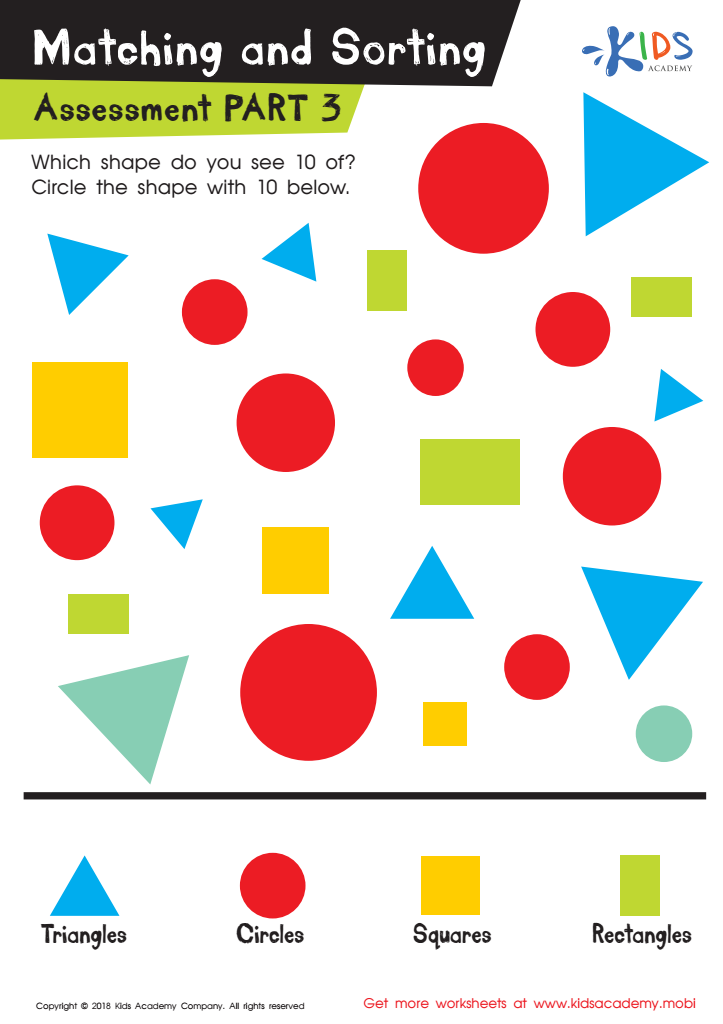
Matching and Sorting for Kindergarten: Assessment 3 Worksheet
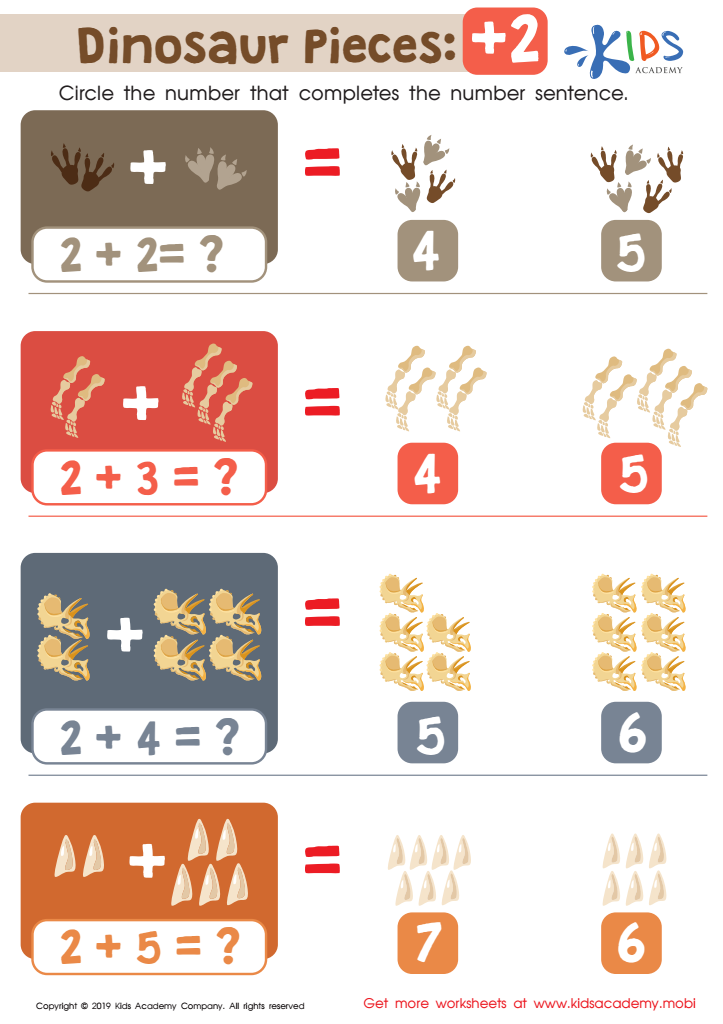
Dinosaur Pieces: +2 Worksheet
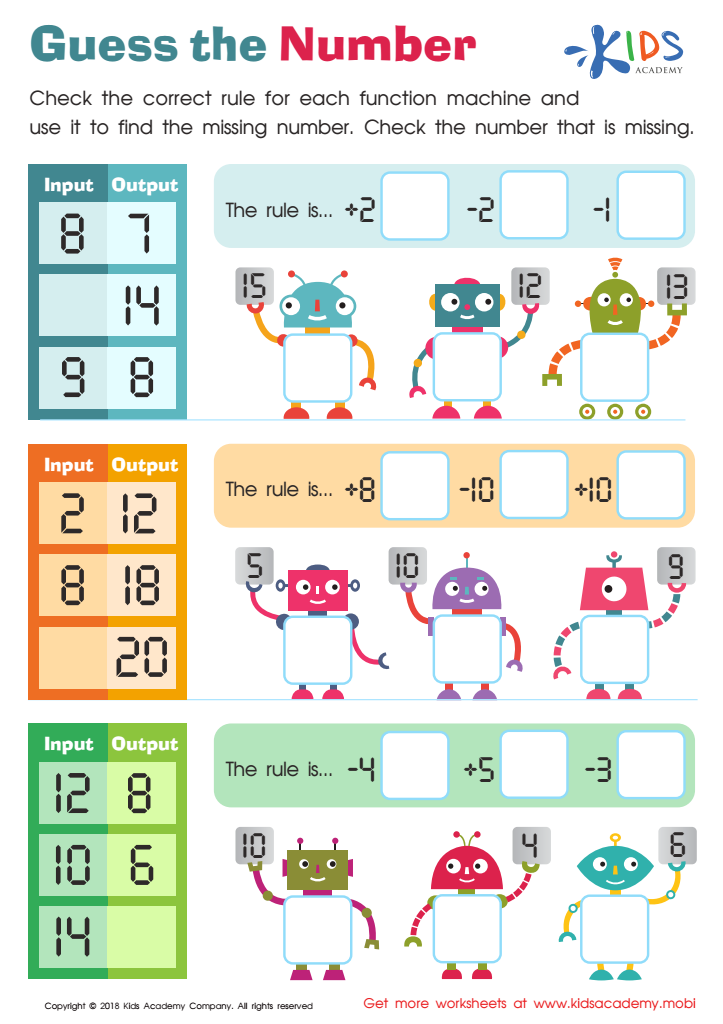
Guess the Number Worksheet
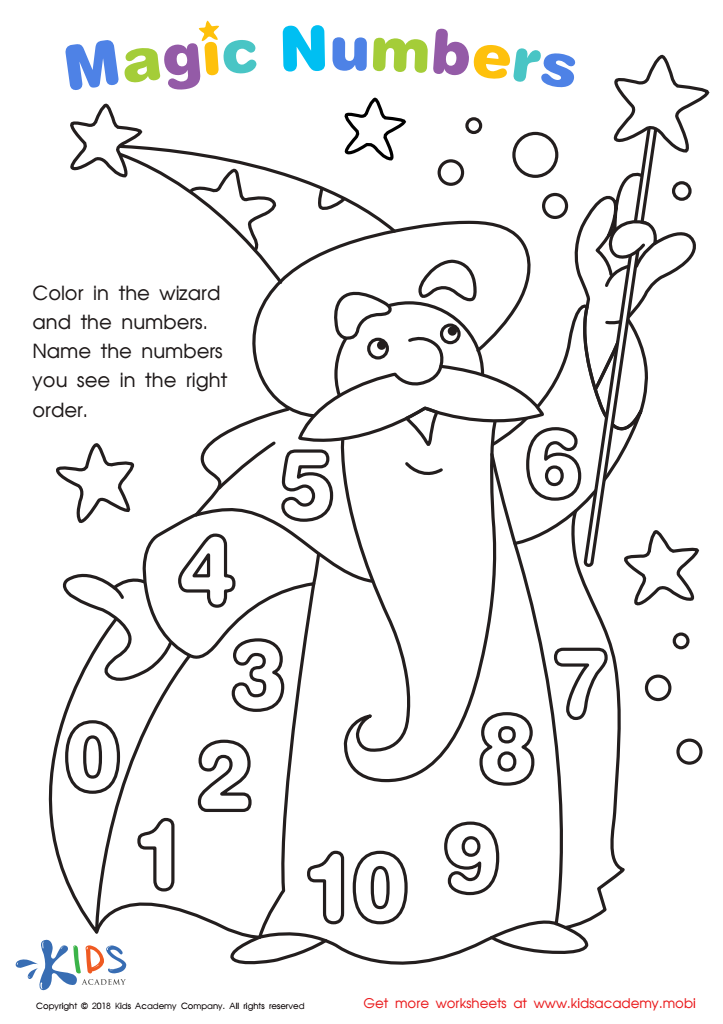
Magic Numbers Worksheet
 Assign to My Students
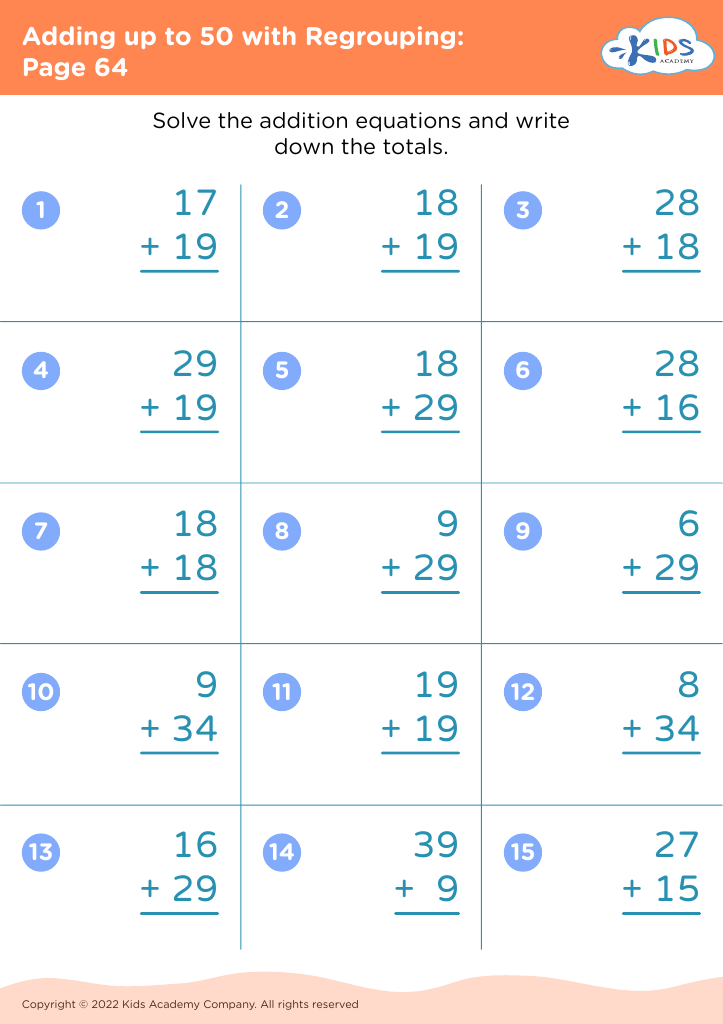
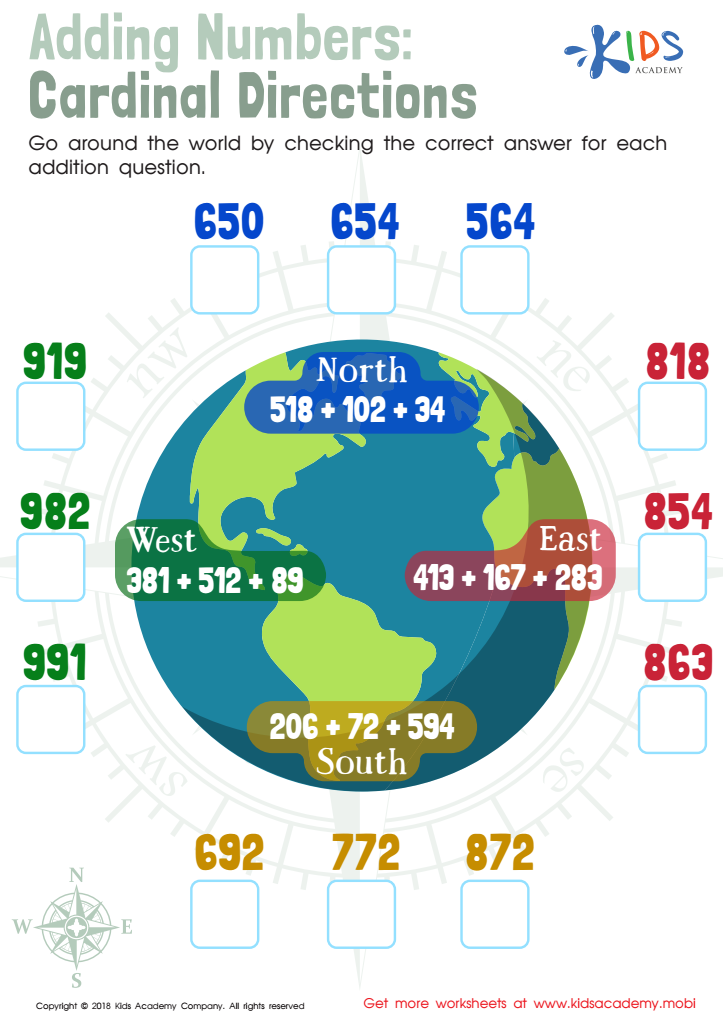
Adding Numbers: Cardinal Directions Worksheet




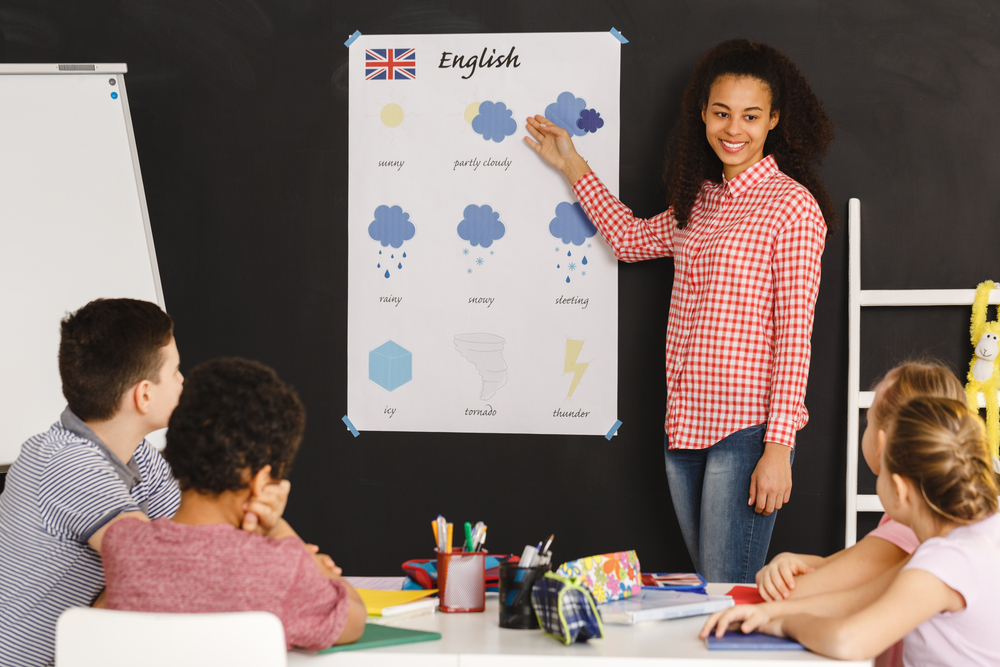



Improving math skills for children ages 3-8 is crucial for their overall cognitive development and future academic success. During these formative years, young minds are highly receptive to new ideas and learning patterns. Early exposure to math concepts like counting, shapes, and basic arithmetic not only lays a strong foundation for more complex mathematical studies but also enhances other critical thinking skills.
Mathematical concepts are vital building blocks for everyday problem-solving and logical reasoning. For instance, understanding proportions can help in cooking, while numeracy is essential for financial literacy later in life. Math also improves spatial awareness, critical for subjects like engineering, architecture, and even art. Moreover, fostering a positive attitude toward math from an early age helps to counteract math anxiety, a common barrier to learning as children grow older.
Engaged parents and teachers can make learning math enjoyable, using games, hands-on activities, and real-world examples that are age-appropriate and intriguing. This not only helps to cement mathematical concepts but also fosters a sense of curiosity and exploration. Thus, investing time and effort in improving math skills between ages 3-8 is a stepping stone that benefits children academically, socially, and in their future careers.








