Mathematics skills Math Worksheets for Ages 3-8
3 filtered results
-
From - To
Discover a fun and engaging way to enhance your child's mathematics skills with our specially designed math worksheets for ages 3-8! Our collection includes imaginative activities that make learning math enjoyable, focusing on foundational concepts like counting, addition, subtraction, shapes, and patterns. Each worksheet encourages critical thinking while reinforcing essential math skills. Perfect for at-home practice or classroom use, these worksheets provide a range of challenges to cater to different learning levels. Promote your child's confidence in math with colorful, interactive exercises that foster a love for learning. Start exploring our math worksheets and watch your little one thrive in their mathematical journey!
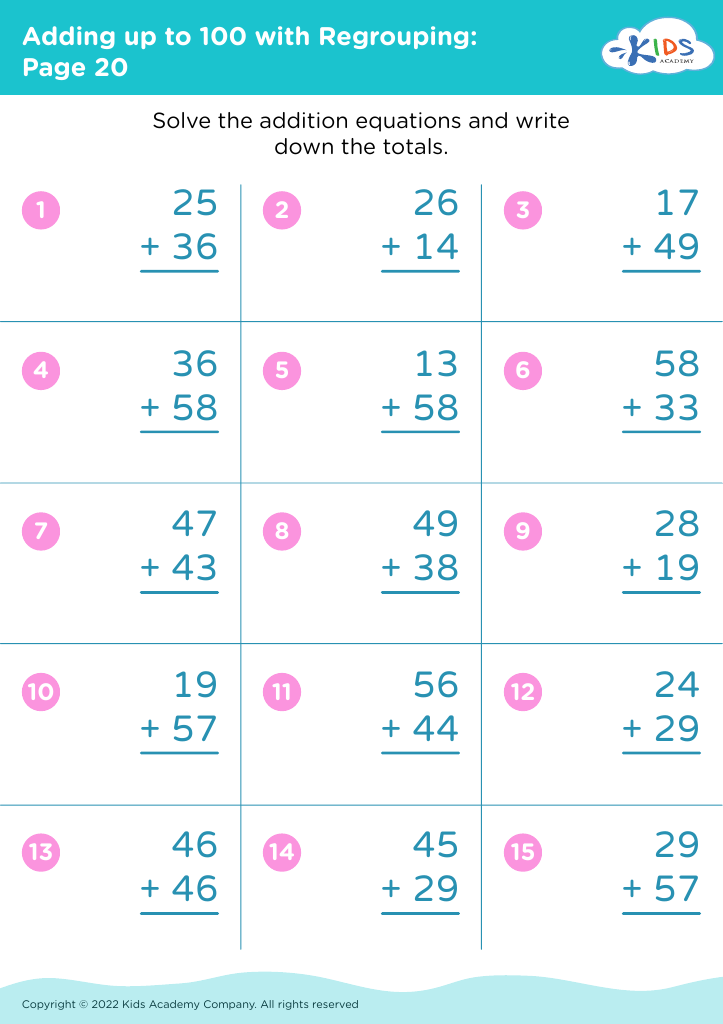
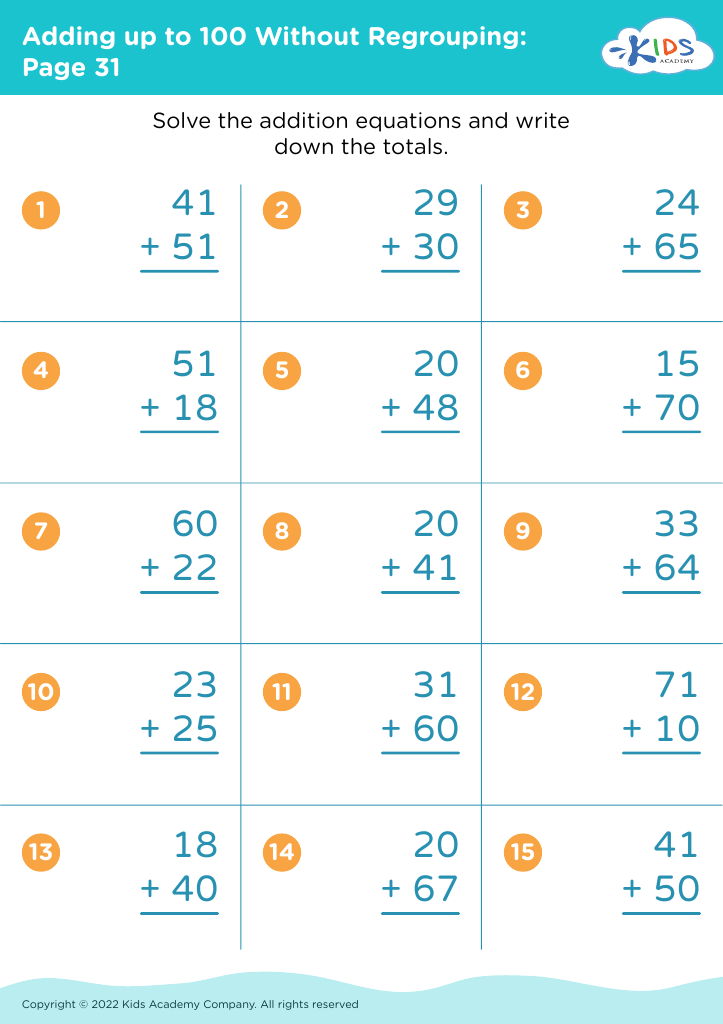
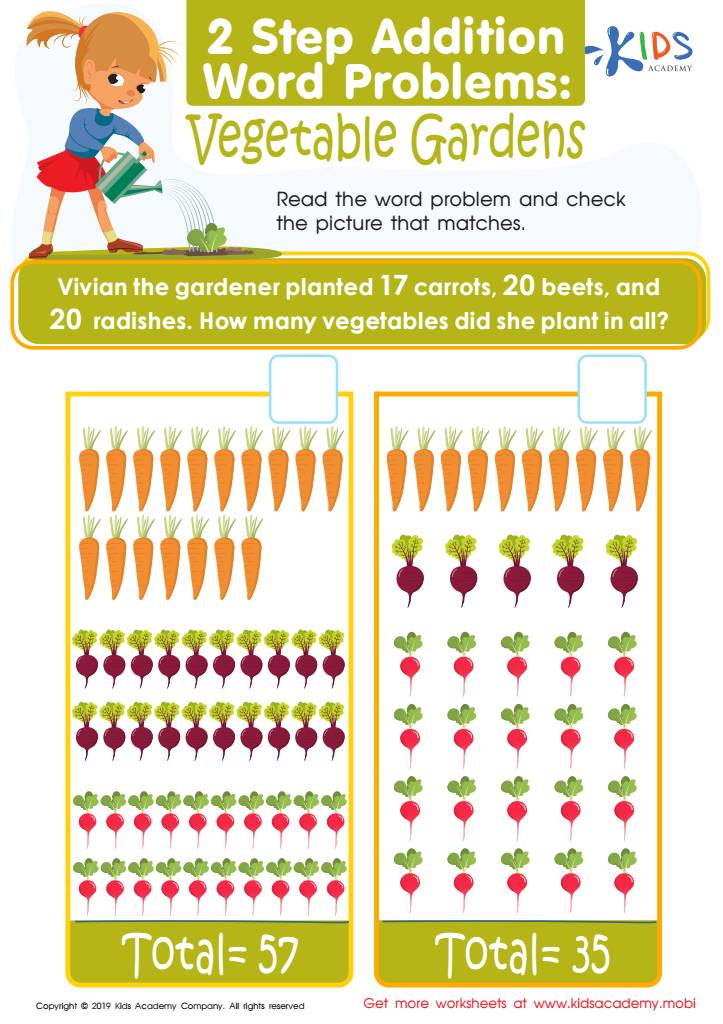
Vegetable Gardens Worksheet
 Assign to My Students








Mathematics skills are crucial for children aged 3-8 as they serve as the foundation for future academic success. Early math concepts help develop critical thinking, problem-solving abilities, and logical reasoning. When parents and teachers focus on these skills, they foster a child’s natural curiosity and love for learning.
Developing math skills at a young age enhances children’s ability to recognize patterns, understand shapes, and grasp the concept of numbers. These foundational skills translate into more complex mathematical concepts later on, such as addition, subtraction, and basic problem-solving. Furthermore, early exposure to math positively impacts other academic areas, including reading and science.
Attention to math also supports cognitive development by promoting spatial awareness and encouraging children to understand their environment. Engaging in simple math activities, such as counting objects or playing measurement games, can boost a child's confidence and curiosity in math, making them more willing to engage with the subject as they grow.
Lastly, instilling strong math skills early on promotes equity in education. Children who develop these skills gain the tools they need to succeed in school and beyond, ultimately enhancing their opportunities for higher education and careers in STEM fields.








