Nature appreciation Math Worksheets for Ages 3-8
5 filtered results
-
From - To
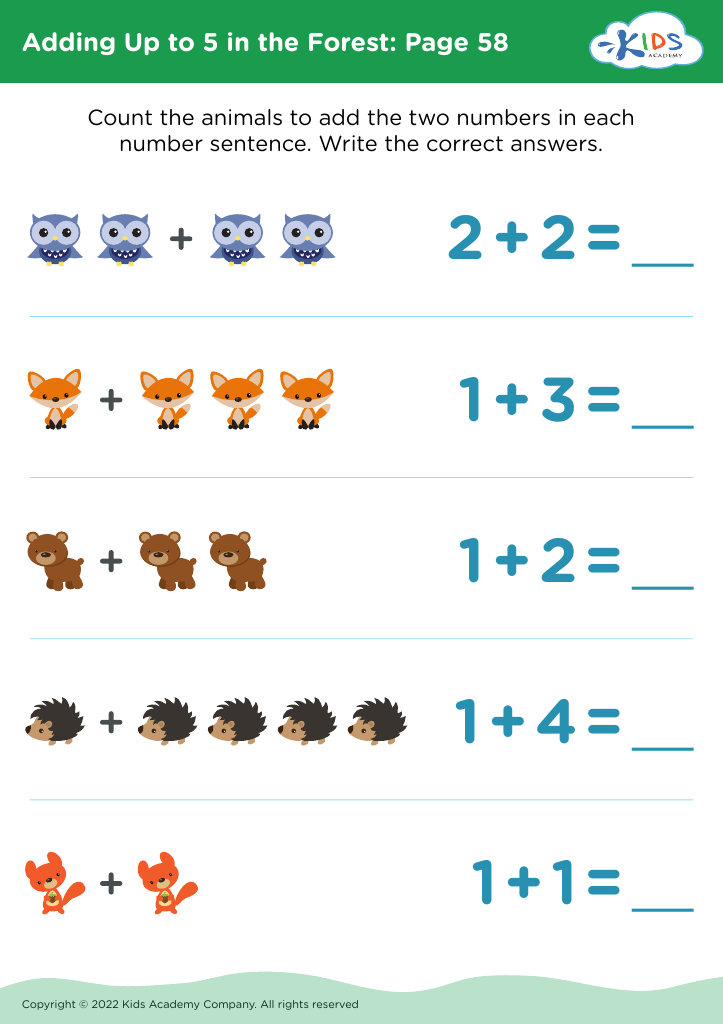
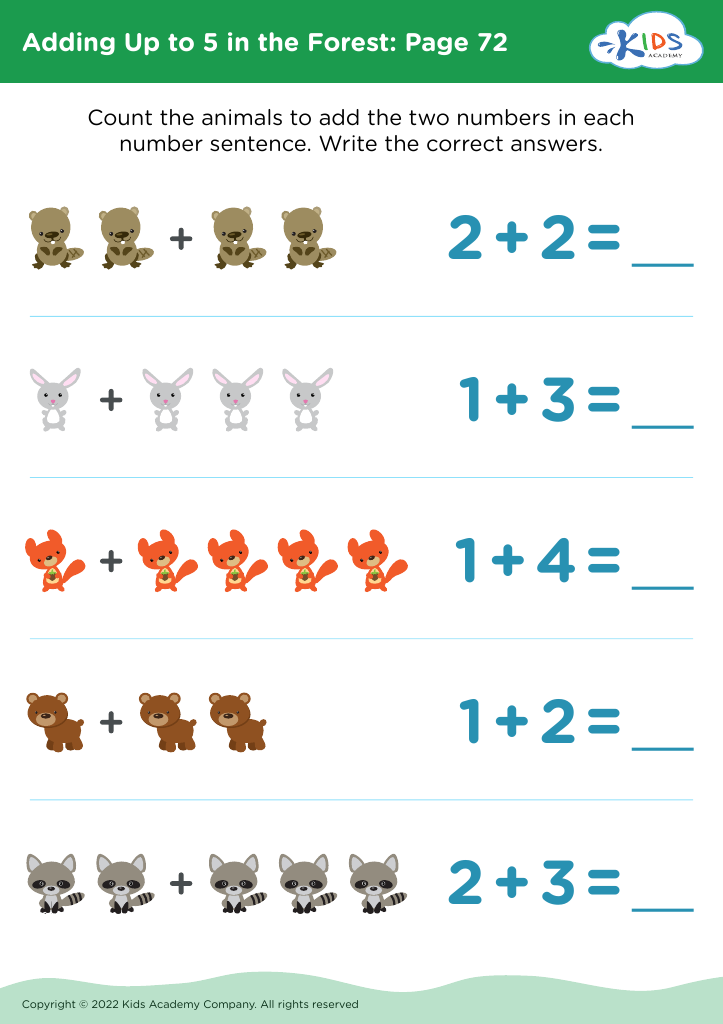
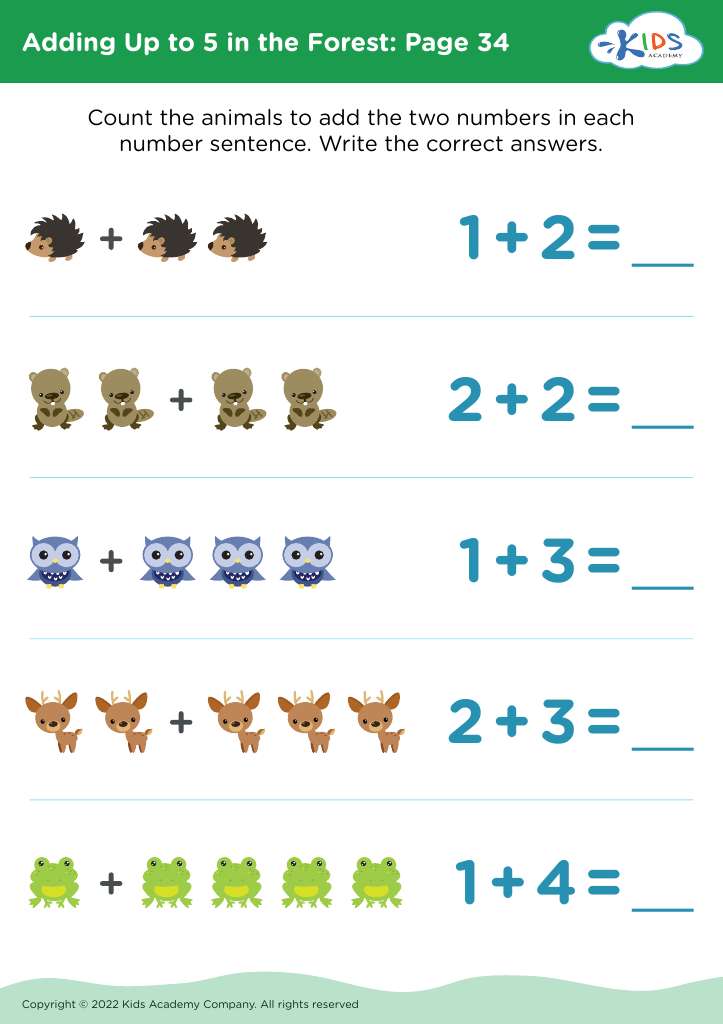
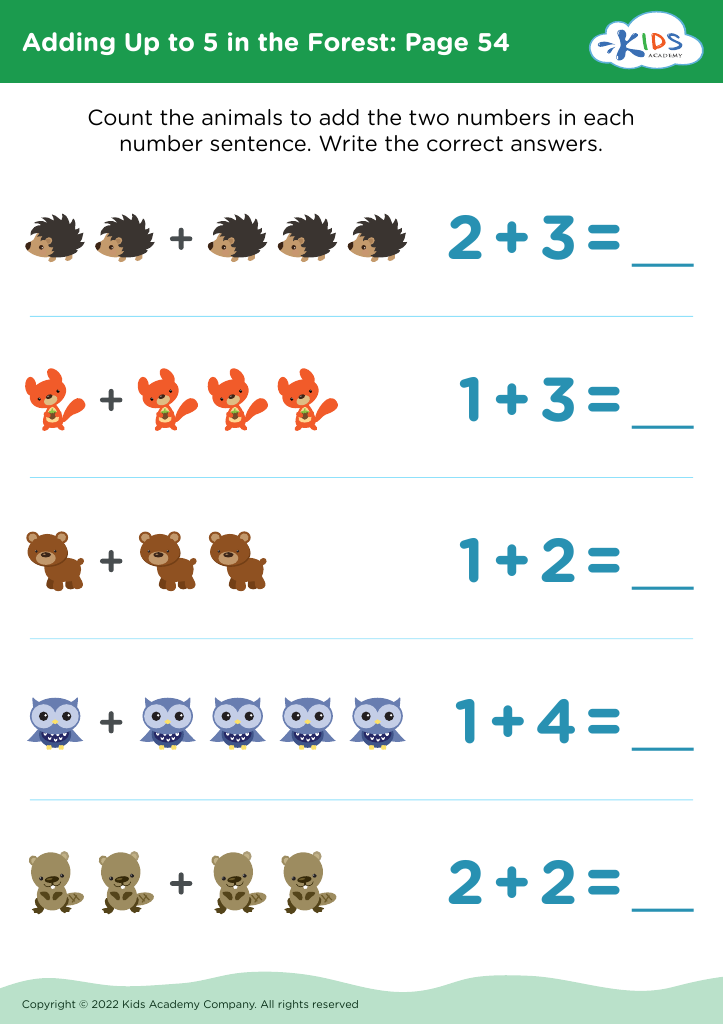
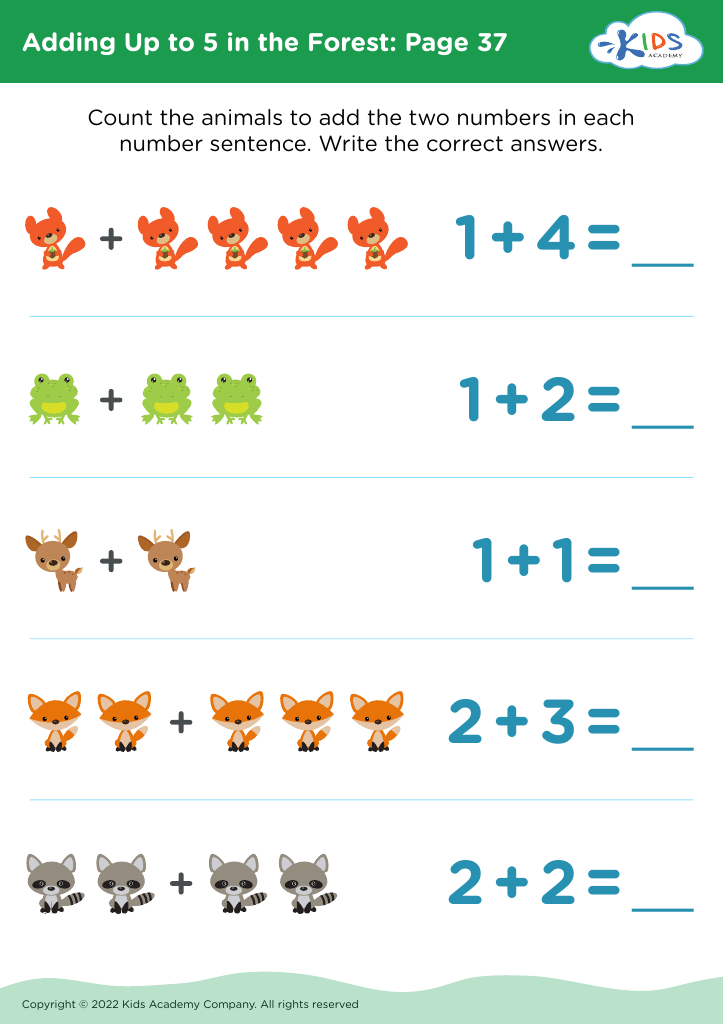
Enhance your child's math skills with our Nature Appreciation Math Worksheets tailored for ages 3-8. These engaging worksheets combine the wonders of nature with essential math concepts to create a delightful learning experience. Your child can explore counting, addition, subtraction, and patterns while discovering plants, animals, and natural phenomena. Perfect for young learners, these vividly designed worksheets will keep your child's curiosity alive as they develop a solid mathematical foundation. Encourage a love for nature and math all at once. Visit us to download and print these free resources and make learning a fun, enriching adventure!





.jpg)

Parents and teachers should care about Nature Appreciation Math for children aged 3-8 because it seamlessly integrates essential math concepts into engaging, real-world experiences. This approach piques children’s innate curiosity and fosters a love for learning. By interacting with nature—counting leaves, measuring sticks, or observing patterns like the arrangement of petals or symmetry in snowflakes—children develop fundamental math skills such as counting, measuring, and recognizing patterns.
Spending time in nature also enhances observation and critical thinking skills. Selecting rocks by size or grouping flowers by color encourages children to classify and categorize, important concepts in both math and science.
Moreover, nature-based activities promote physical wellness by encouraging outdoor play, thereby balancing sedentary classroom time with active exploration. Encountering math in an unpredictable, natural setting teaches adaptability and problem-solving. Additionally, the sensory experiences enrich children’s understanding and retention of math concepts.
Emphasizing Nature Appreciation Math fosters environmental stewardship. Early familiarity with the natural world nurtures a lifelong respect for the environment and reinforces the practical application of math. Overall, this holistic approach creates a solid foundation for future academic growth, while simultaneously addressing physical and emotional well-being, making it a valuable aspect of early childhood education.








