Practice writing numbers Math Worksheets for Ages 3-8
6 filtered results
-
From - To
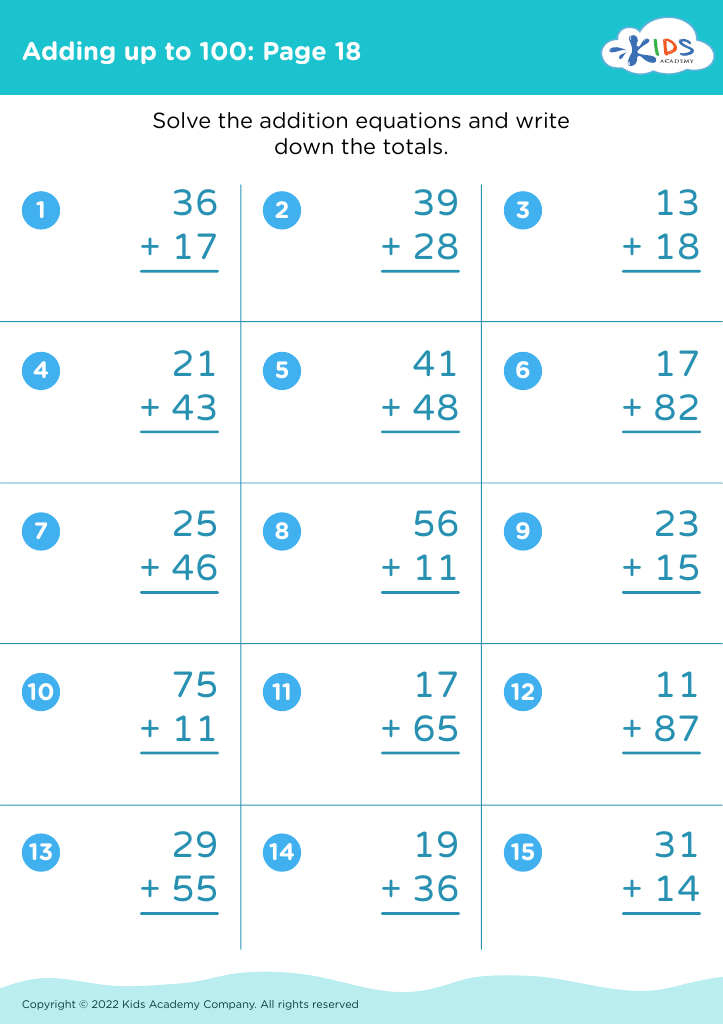
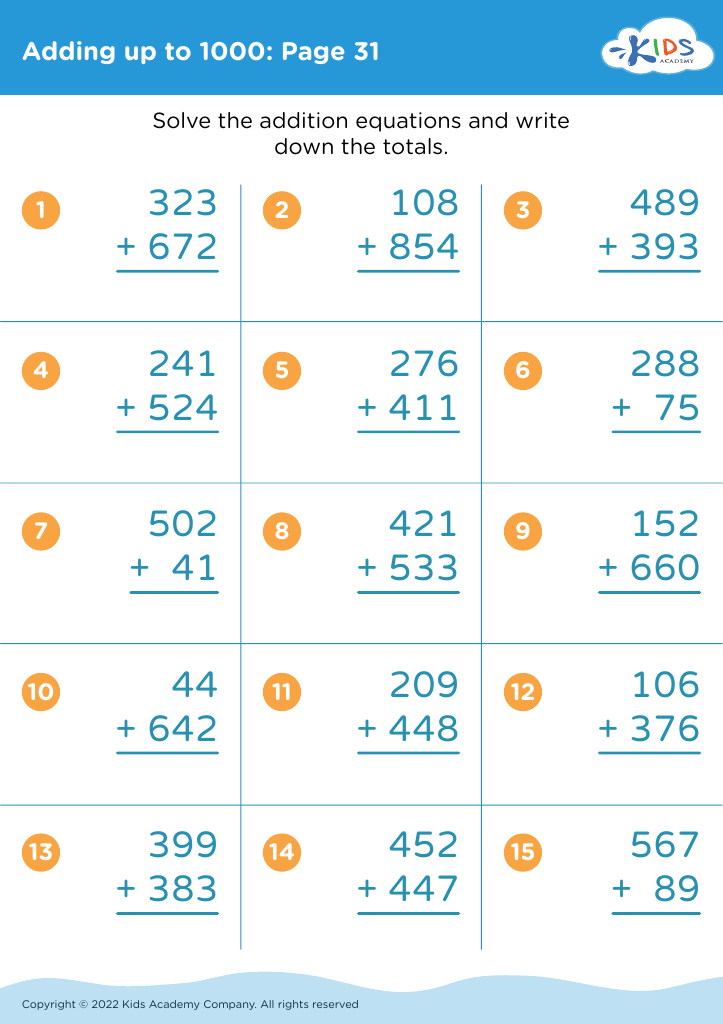
Explore our engaging and educational Practice Writing Numbers Math Worksheets designed for children ages 3-8. These expertly crafted worksheets help young learners develop number recognition, counting, and fine motor skills through fun and interactive activities. Each worksheet provides a variety of exercises including tracing, writing, and coloring numbers to make learning enjoyable and effective. Perfect for use at home or in the classroom, these worksheets cater to different learning styles and help build a strong mathematical foundation in young children. Start your child's journey to numerical proficiency with our high-quality, printable resources today!
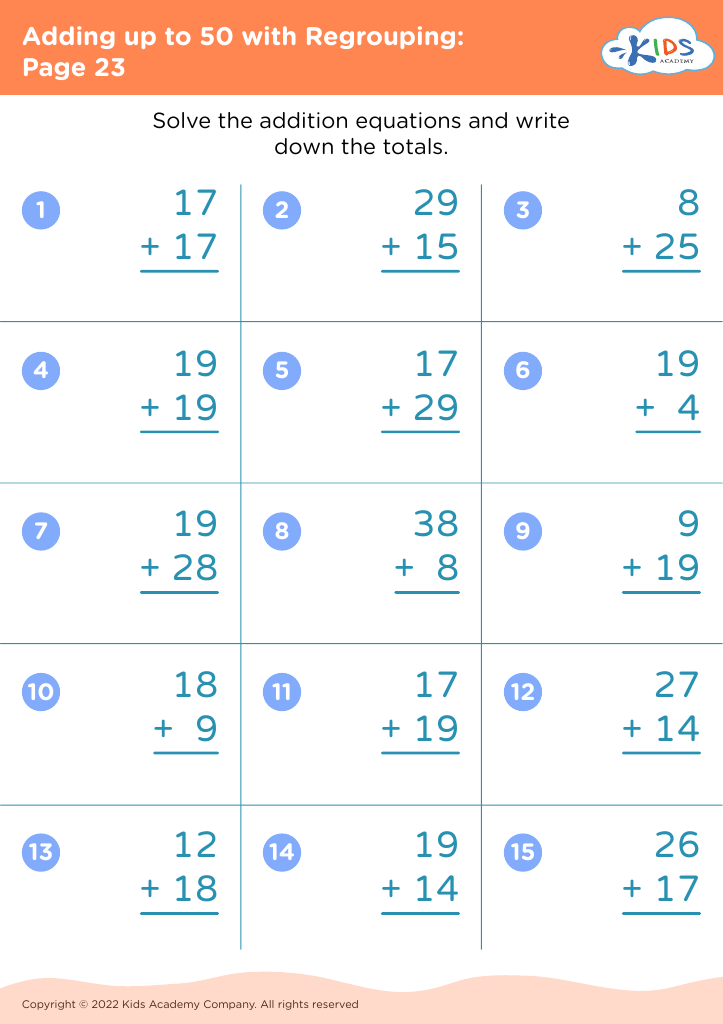
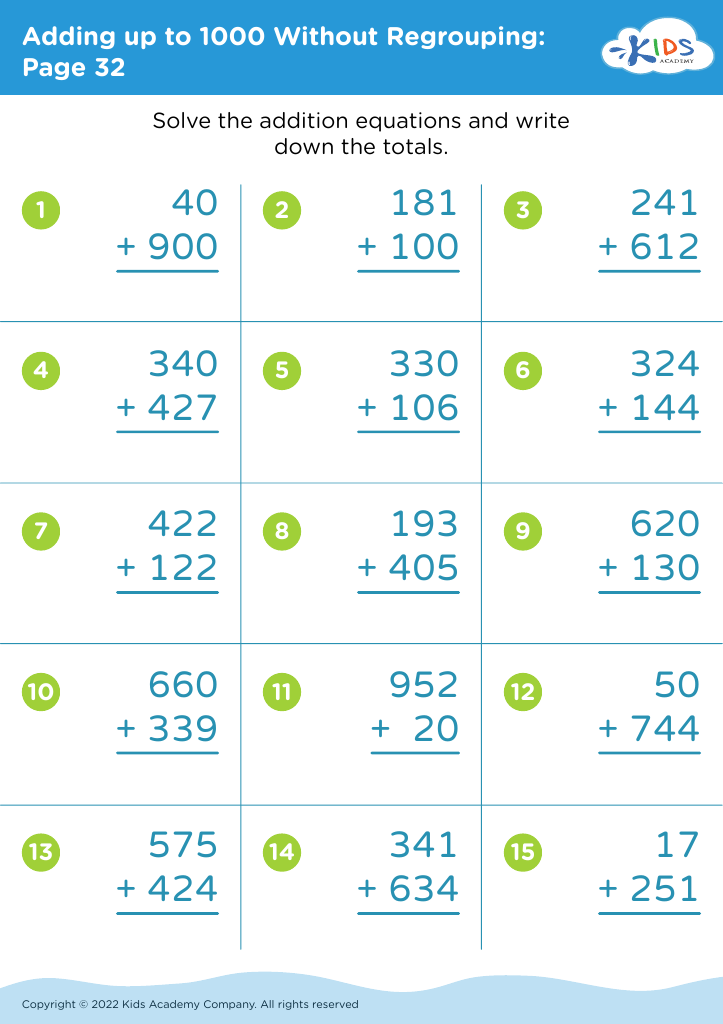
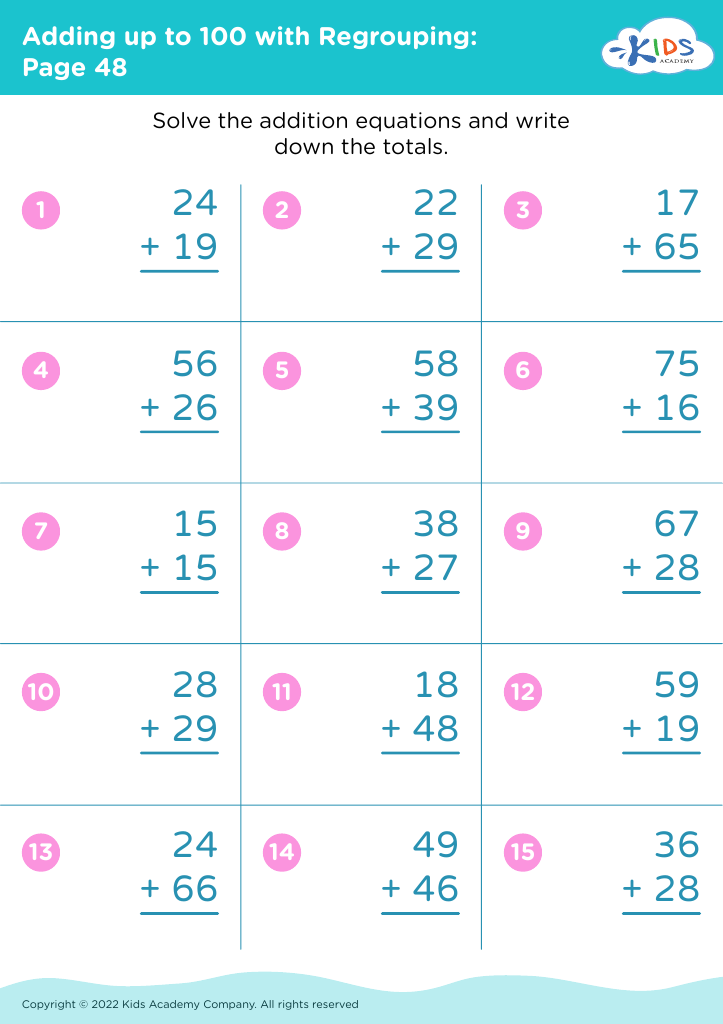
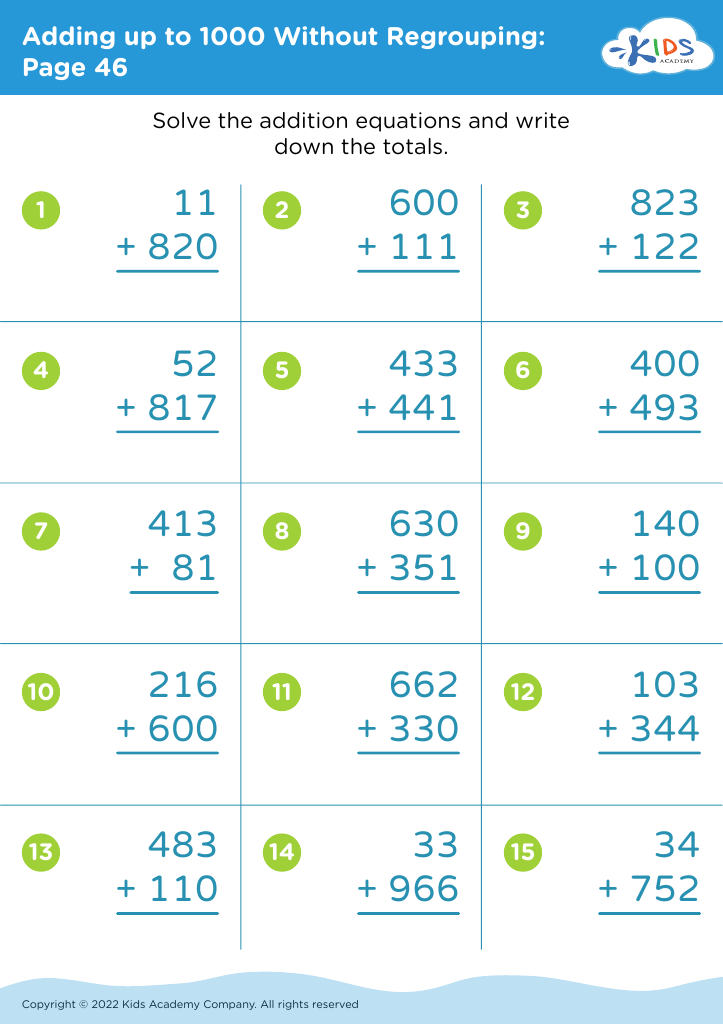






At ages 3-8, young children are in a critical developmental phase where they establish foundational skills that impact their future academic success. Practicing writing numbers at this stage is crucial for multiple reasons.
Firstly, it instills early numeracy skills. Recognizing and writing numbers confidently forms the basis of mathematical understanding, which later translates into more complex concepts like addition, subtraction, and problem-solving. Early engagement with numbers helps solidify these fundamental skills in a fun and accessible manner, promoting a positive attitude towards math.
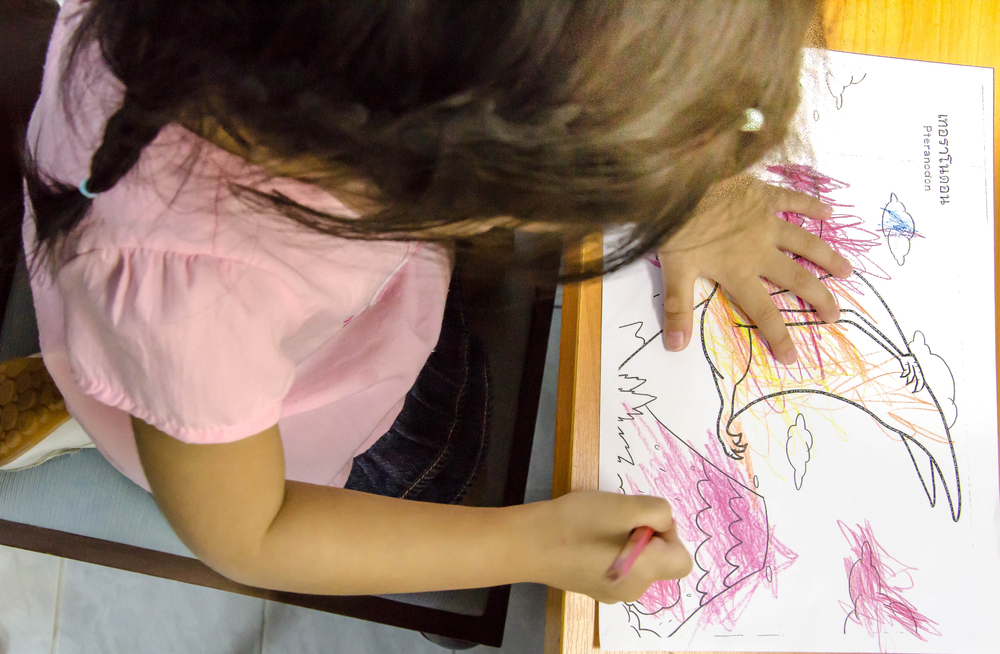
Furthermore, writing numbers enhances fine motor skills and hand-eye coordination. Holding a pencil and practicing precise movements are vital for overall handwriting skills, aiding children in all their learning endeavors. This also boosts cognitive development and promotes patterns of logical thinking and order, crucial for understanding math and other subjects.
Lastly, regular number writing practice builds a child's confidence and fluency in mathematics. When children are comfortable with numbers from an early age, they are more likely to experience academic success, fostering a growth mindset and a lifelong love for learning.
Parents and teachers play a pivotal role in encouraging these early practices, setting the stage for future educational achievements and opening doors to limitless opportunities.








