Practicing addition Math Worksheets for Ages 3-8
7 filtered results
-
From - To
Boost your child’s math skills with our fun and engaging practicing addition math worksheets, tailored for ages 3-8! Our printable worksheets offer a variety of exciting activities that make learning addition easy and enjoyable. Designed to cater to different learning paces, our resources help young learners grasp the basics of addition through colorful visuals and interactive exercises. Build a strong foundation in math, boost problem-solving skills, and foster a love for learning with our expertly crafted worksheets. Perfect for educators and parents alike – transform math practice into an exciting adventure today!
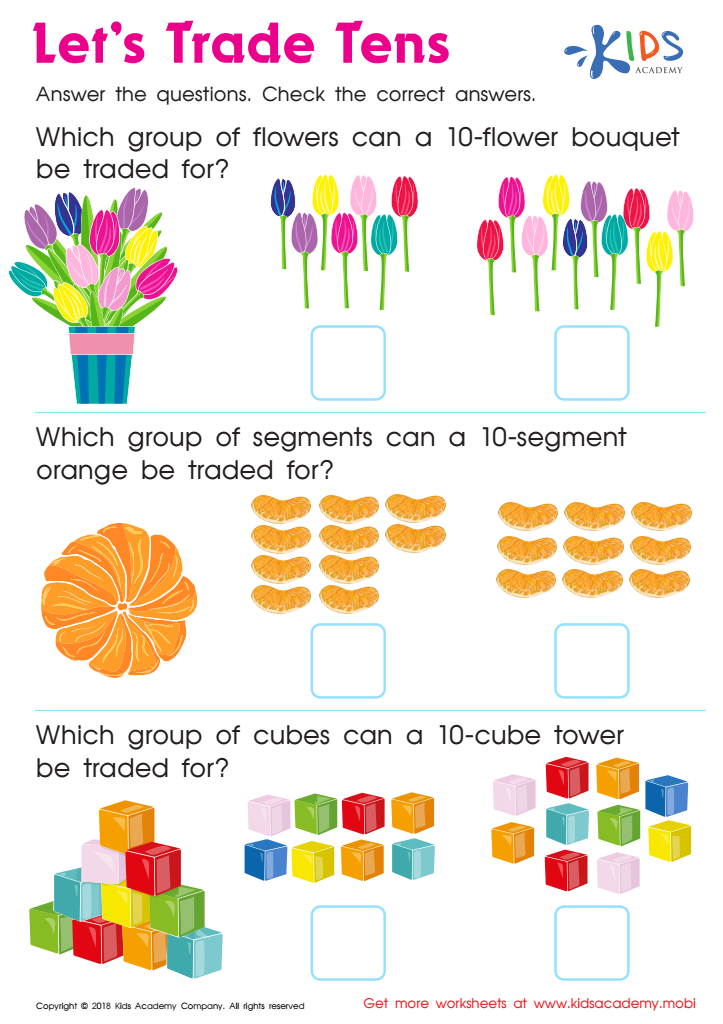
Lets Trade Tens Worksheet
 Assign to My Students
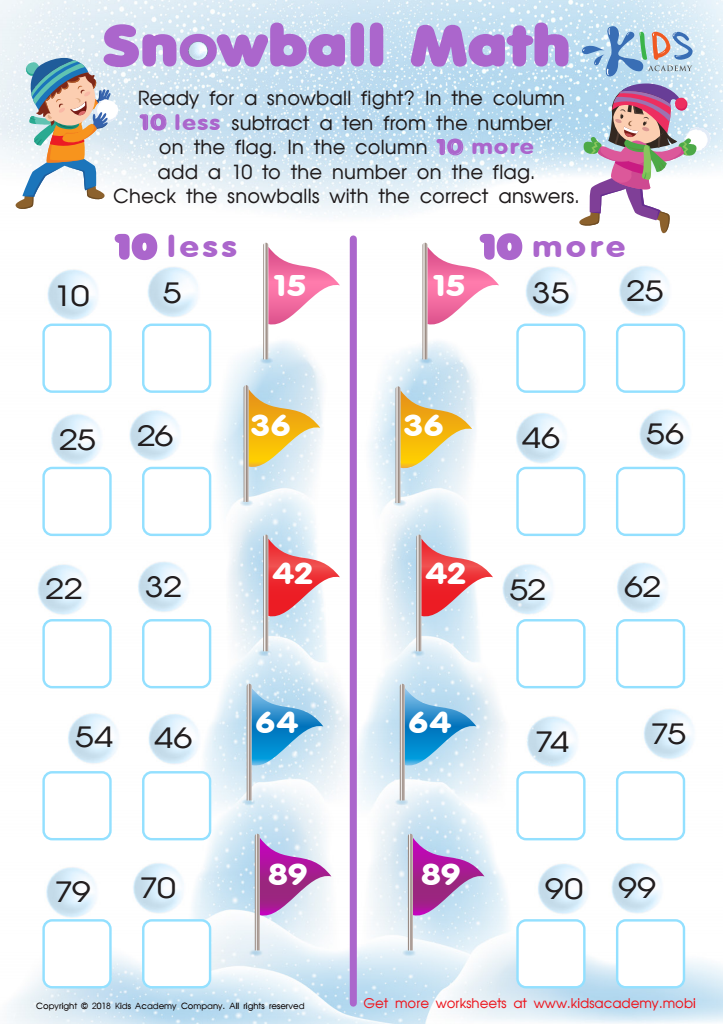
Snowball Math Worksheet
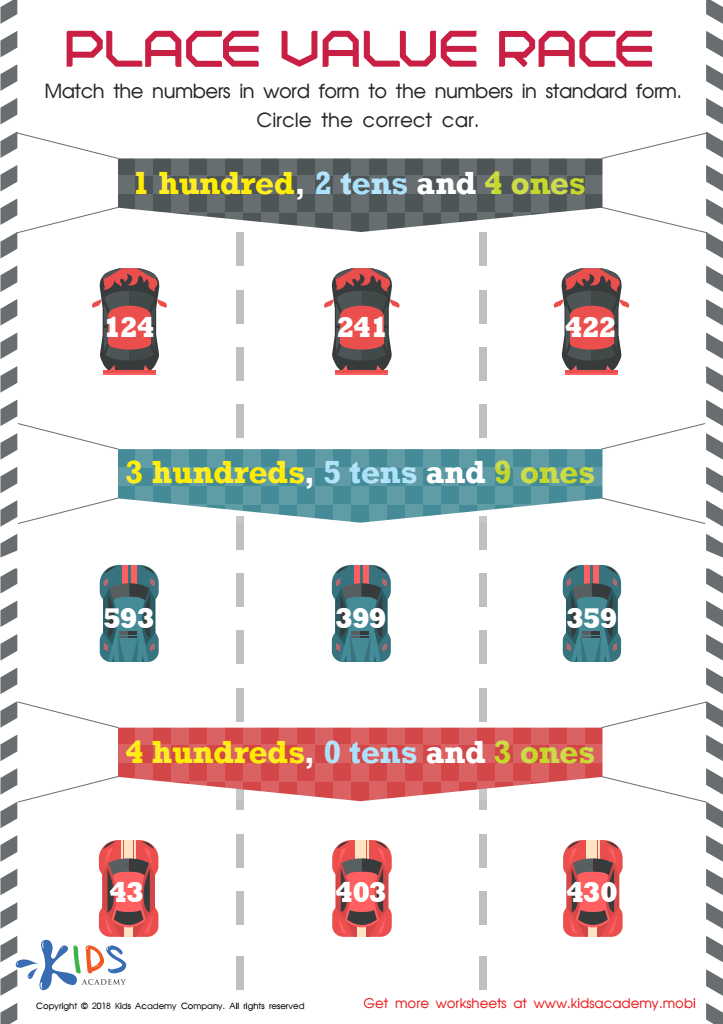
Place Value Race Worksheet
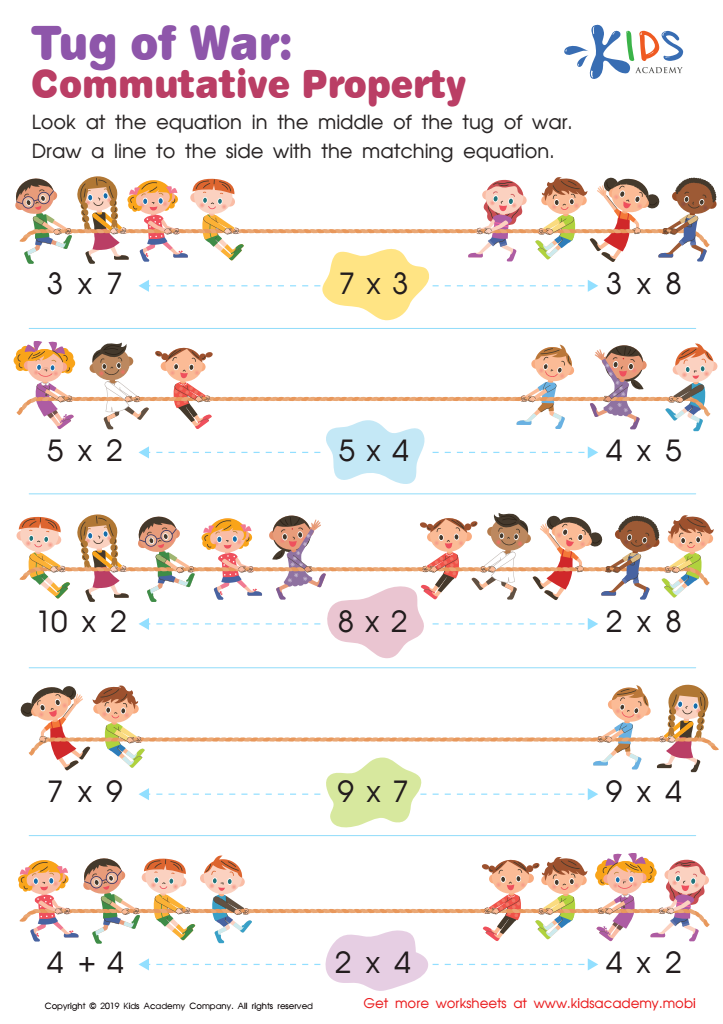
Tug of War: Commutative Property Worksheet
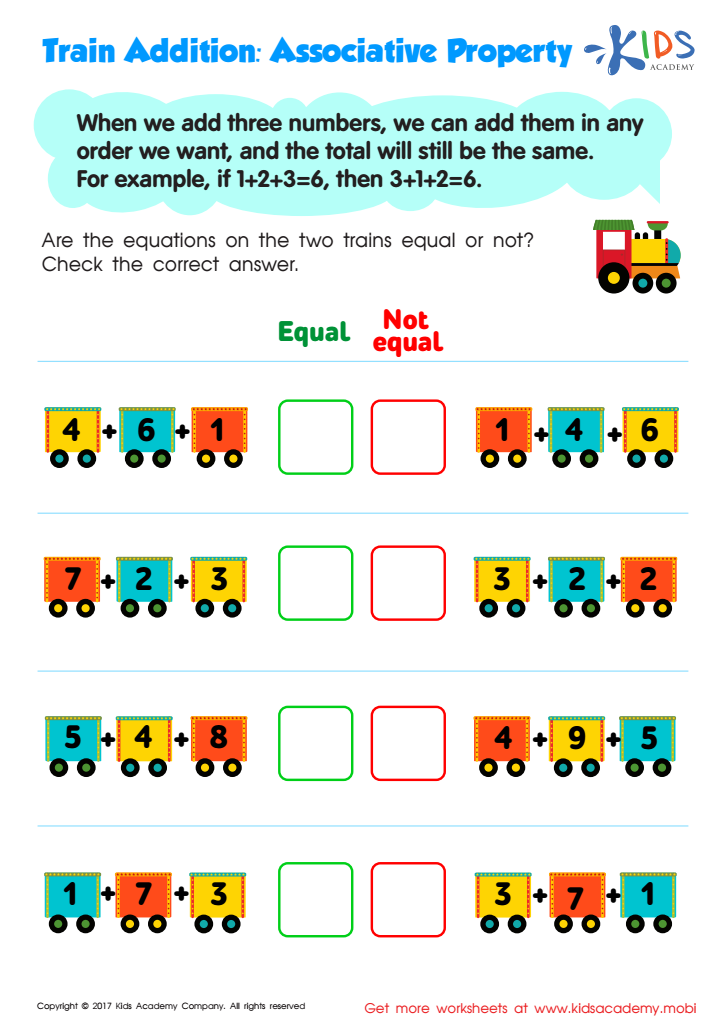
Train Addition: Associative Property Worksheet








Practicing addition for children ages 3-8 is crucial for early math development and sets a foundational groundwork for future learning. During these formative years, young brains are particularly receptive to new information and cognitive development, including mathematical concepts. Introducing addition at an early age helps children develop critical thinking and problem-solving skills that are essential not only in academics but in day-to-day life activities.
Early introduction to addition helps in strengthening basic numeracy skills by making children comfortable with numbers, patterns, and sequences. Regular practice fosters a positive attitude towards math from a young age, reducing the chances of math anxiety in later years. It also enhances their working memory since they have to remember and manipulate information as they solve addition problems.
For parents and teachers, using playful and engaging methods helps in making learning addition an enjoyable activity. Tools like counting toys, colorful worksheets, and interactive games contribute to a dynamic learning environment. These strategies cater to a child's natural curiosity, making math a source of interest rather than a chore.
Moreover, early math skills, including basic addition, have been linked to better academic performance across subjects. Therefore, reinforcing these skills prepares children for more complex mathematical concepts and strengthens their overall academic growth.








