Practicing division Math Worksheets for Ages 3-8
3 filtered results
-
From - To
Discover our engaging collection of division math worksheets designed specifically for children aged 3-8! These resources provide a fun and interactive way for young learners to grasp the concept of division through easy-to-understand activities. Featuring colorful illustrations and age-appropriate exercises, our worksheets encourage kids to practice their division skills while building confidence in their math abilities. Perfect for both classroom use and at-home learning, our printable worksheets cater to various skill levels, ensuring every child can succeed. Explore our vibrant selection today and help your child embark on their math adventure with joy and enthusiasm!
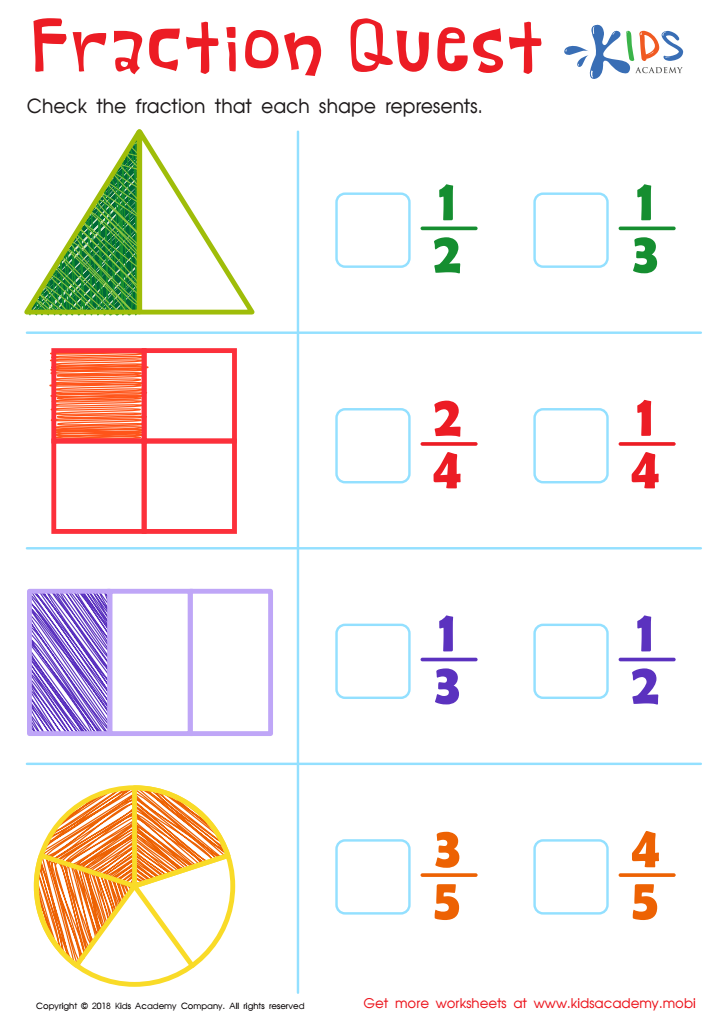
Fraction Quest Worksheet
 Assign to My Students
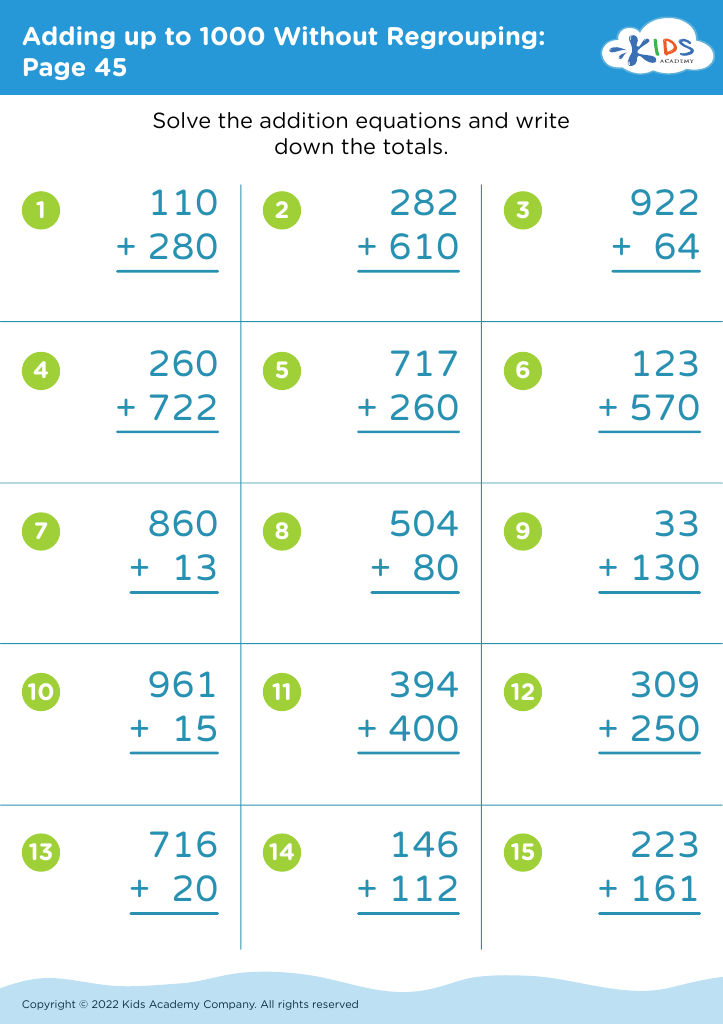
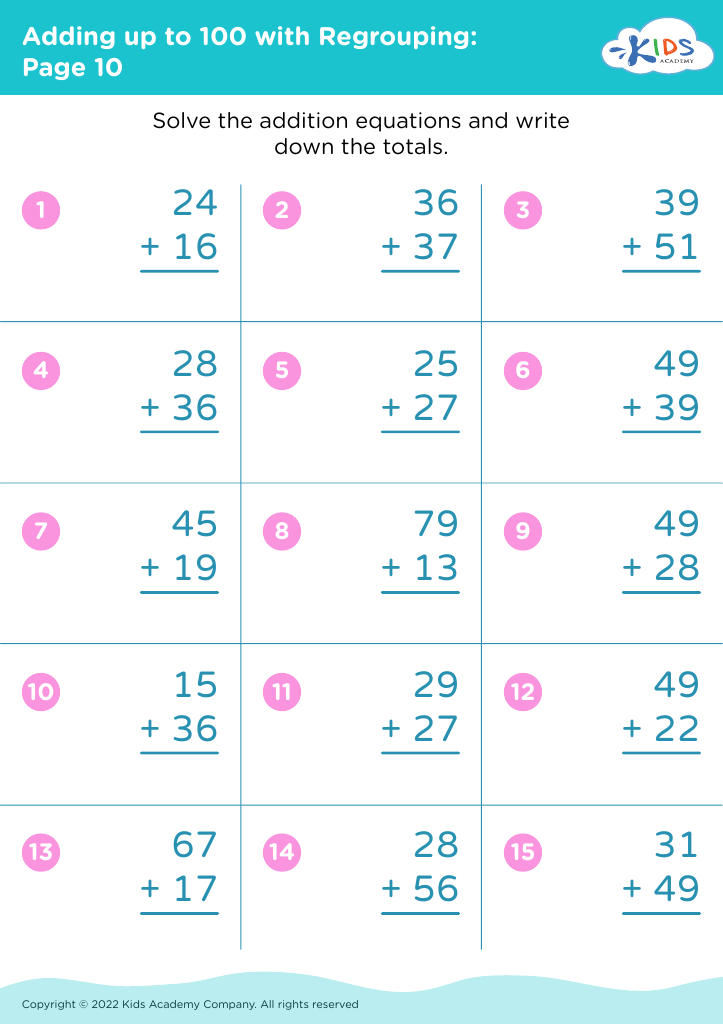







Practicing division math for ages 3-8 is essential for several reasons. First, early mathematical skills lay the groundwork for a child’s overall academic success. Introducing division at a young age not only familiarizes children with the concept of shared quantities but also enhances their problem-solving skills. It encourages them to think logically and critically.
Secondly, understanding division builds a strong foundation for more advanced math concepts, such as fractions, ratios, and even algebra. Early exposure helps demystify math, making children more confident and reducing math anxiety as they progress through school.
Additionally, math practice can promote essential life skills. Understanding division applies to real-life situations, such as sharing food or grouping items, teaching kids valuable lessons about fairness and cooperation. Engaging in these activities fosters social skills and teamwork.
Finally, parents and teachers play a crucial role in nurturing a positive attitude towards math. Regular practice can be turned into fun games and activities, encouraging a love for learning. By caring about division practice, we help shape resilient learners who are better prepared for academic challenges down the road, ultimately setting them on a path toward lifelong success.








