Problem Solving Math Worksheets for Ages 3-8 - Page 2
34 filtered results
-
From - To
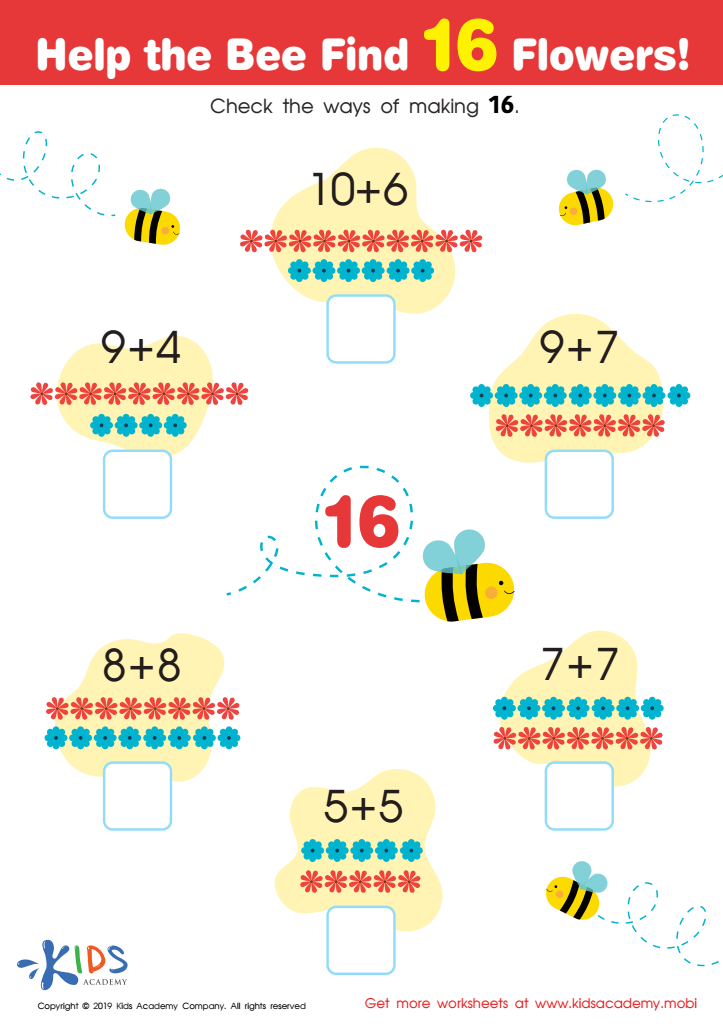
Help the Bee Find 16 Flowers Worksheet
 Assign to My Students
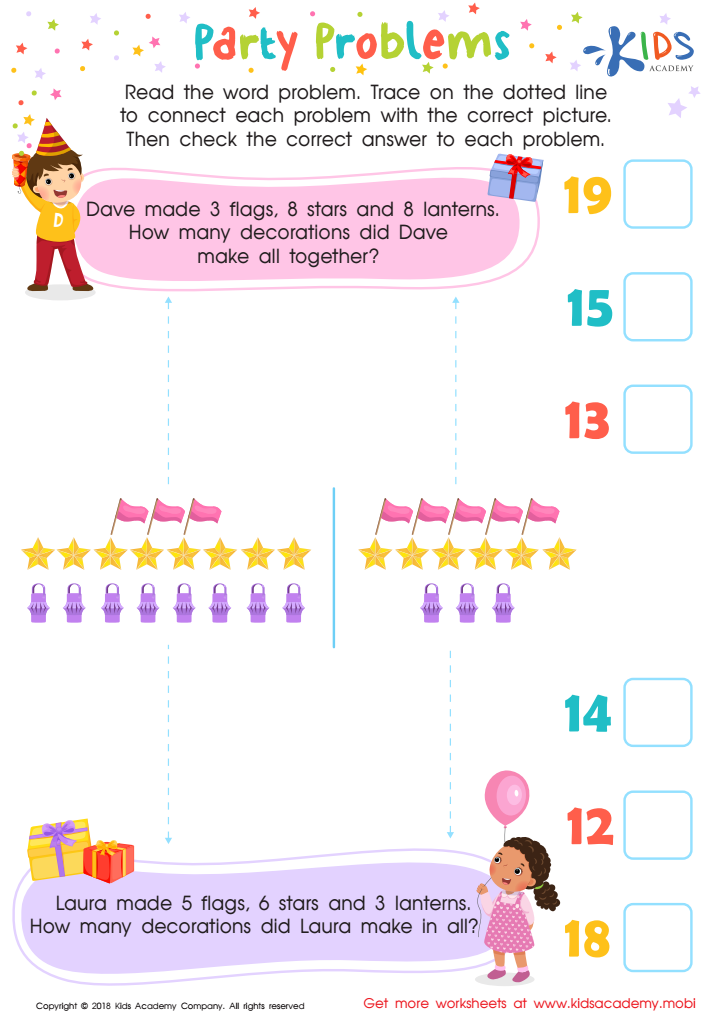
Party Problems Worksheet
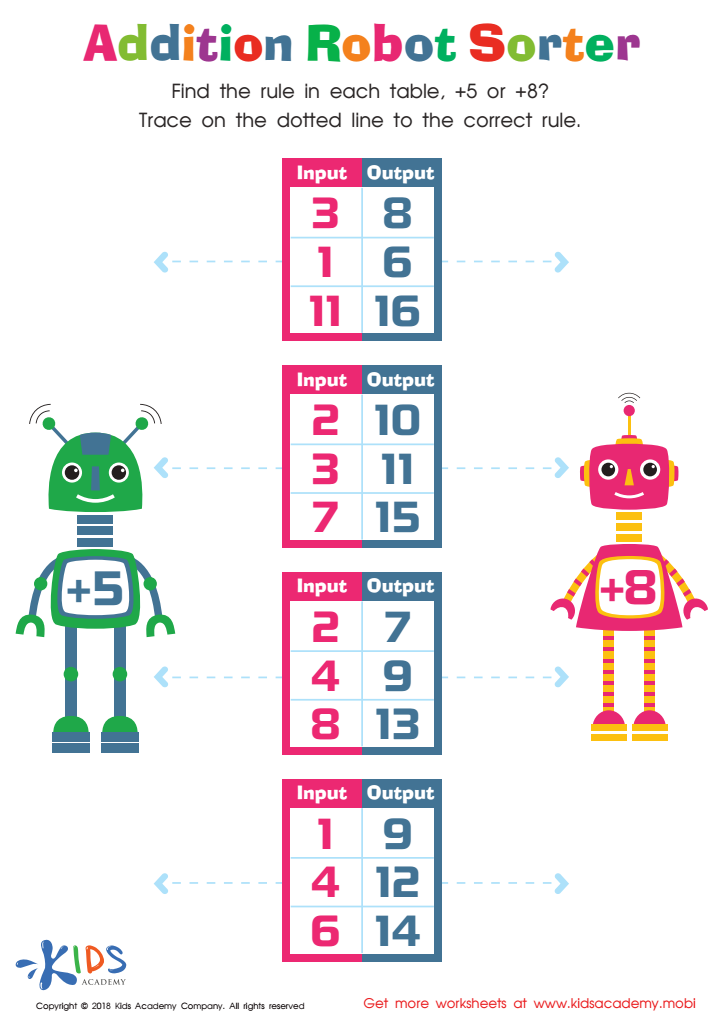
Addition Robot Sorter Worksheet
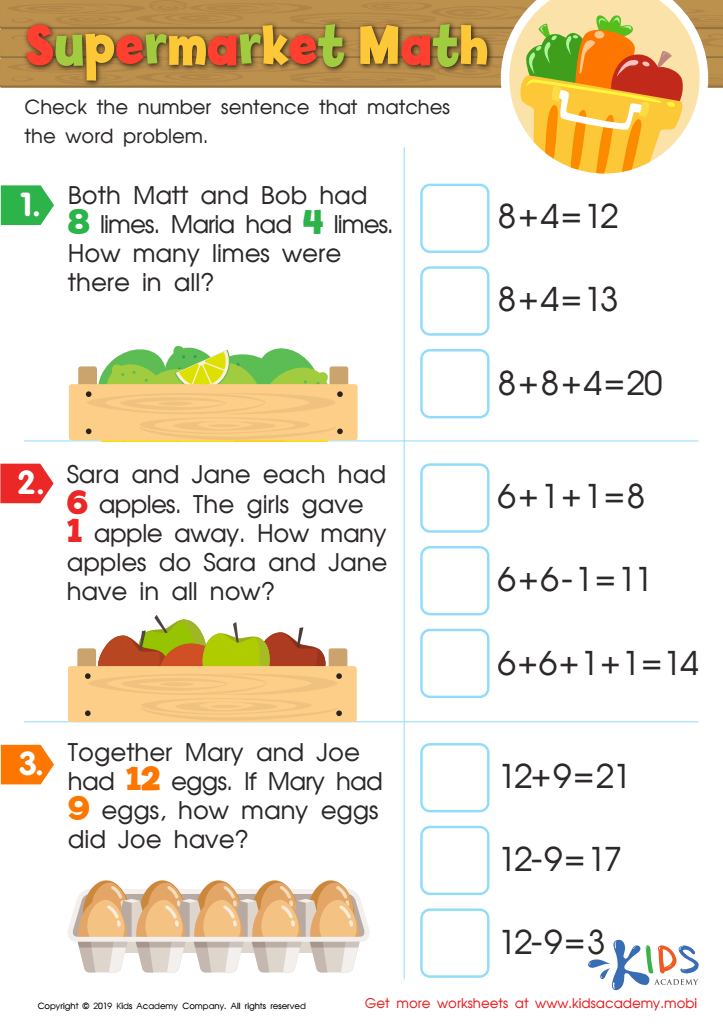
Supermarket Math Worksheet
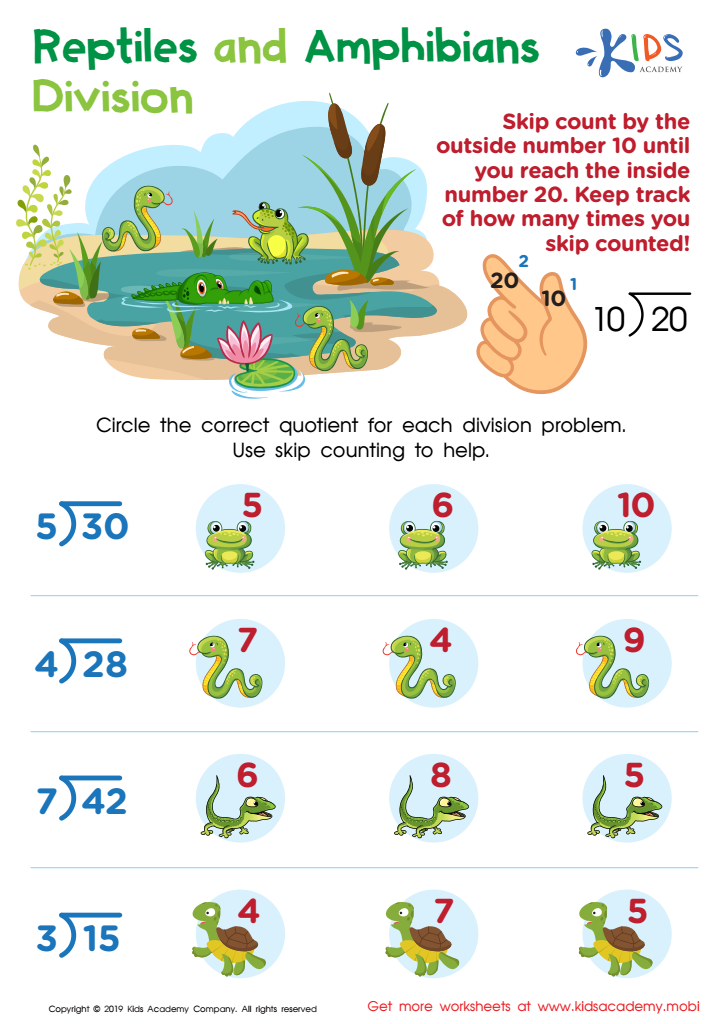
Reptile and Amphibians Division Worksheet
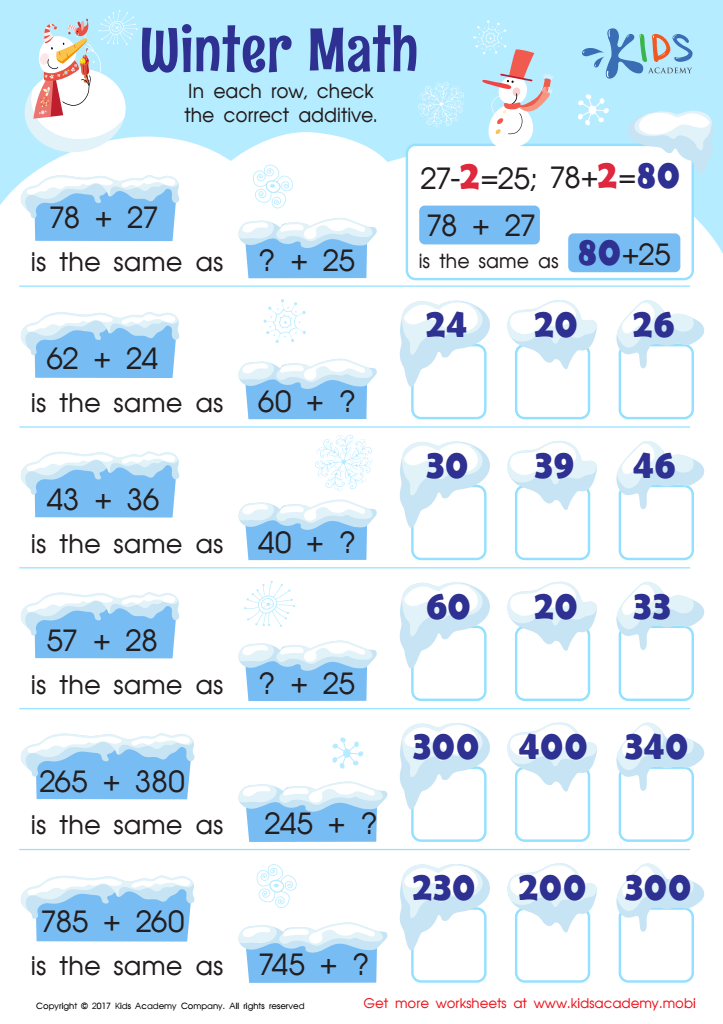
Free Addition Worksheet
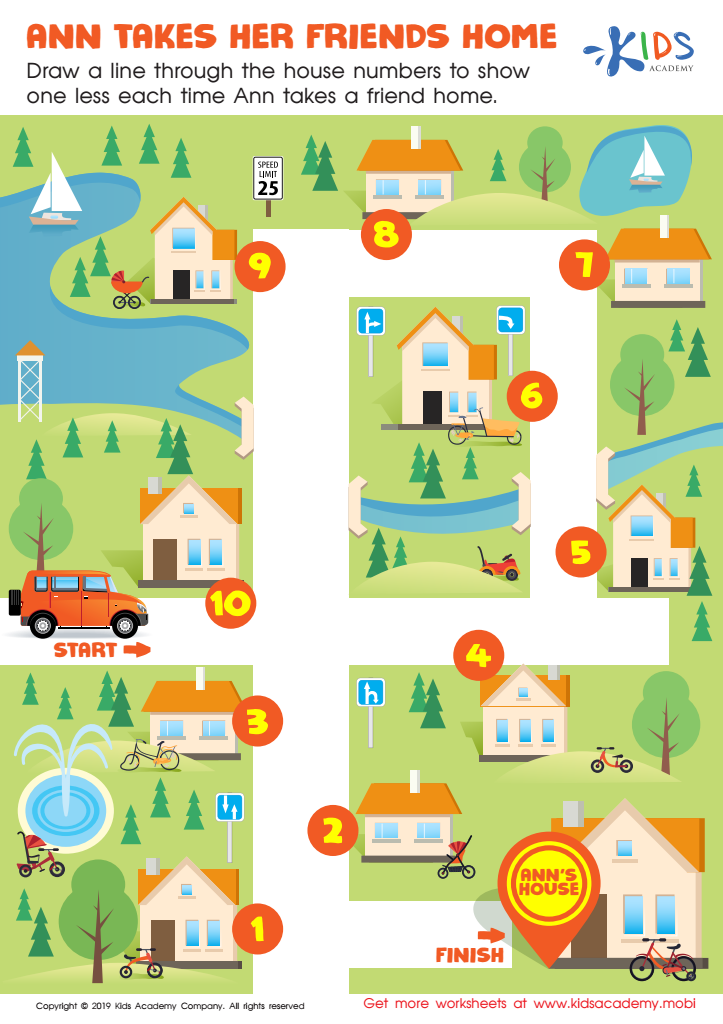
Ann Takes her Friends Home Worksheet








Problem-solving in math for ages 3-8 lays the foundation for essential life skills that parents and teachers should prioritize. At this tender age, children are natural explorers and thinkers, brimming with curiosity. Introducing them to problem-solving in math hones their critical thinking and reasoning abilities. These skills are not just academic but vital for making logical decisions and handling day-to-day challenges effectively.
Engaging young children in problem-solving nurtures their perseverance and resilience. When faced with a problem, they learn to try different strategies rather than give up, fostering a growth mindset. Furthermore, problem-solving activities often require collaboration, promoting social skills. Kids learn to communicate their ideas, listen to others, and work as a team.
Early exposure to math problem-solving helps diminish math anxiety, a common issue encountered later in scholastic life. It makes math fun and relevant, marking it not as a set of abstract concepts but as a useful, engaging tool. Moreover, proficiency in early math skills is strongly linked to later academic achievement, not just in mathematics but across diverse subjects. Thus, integrating problem-solving math activities into early education supports holistic development, making children better equipped for future academic, social, and personal success.








