Recognize shapes Math Worksheets for Ages 3-8
9 filtered results
-
From - To
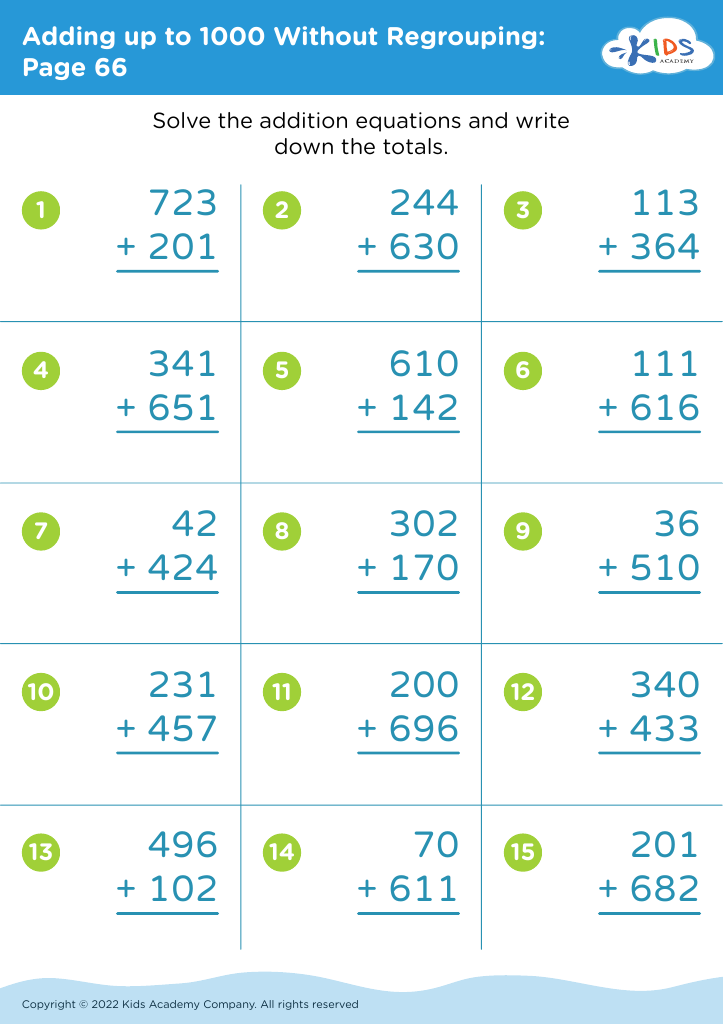
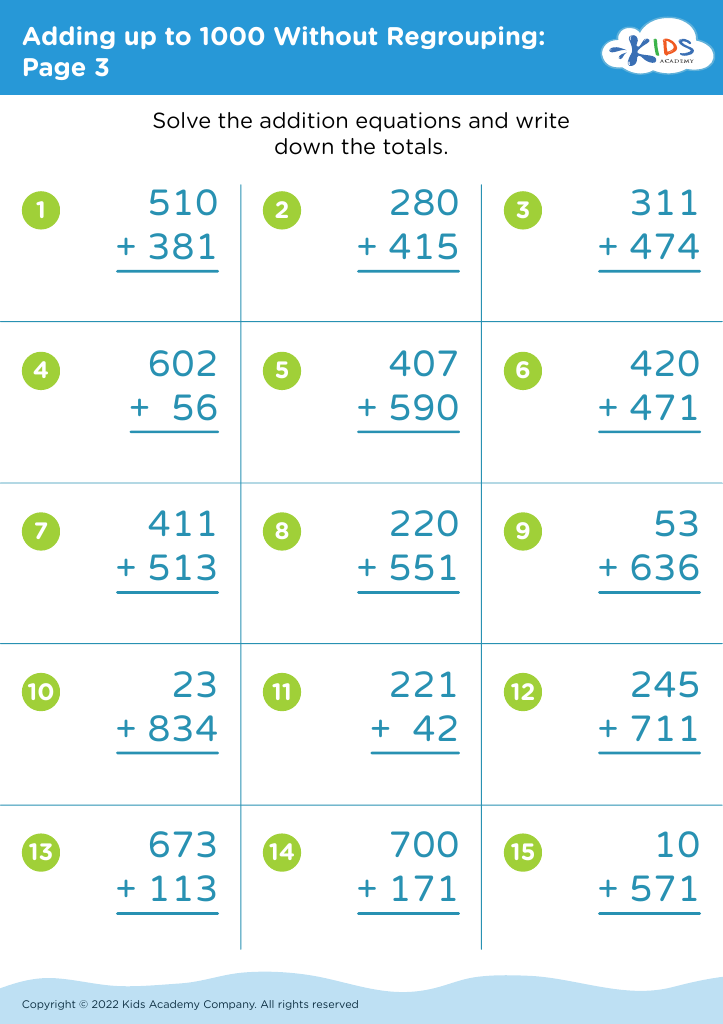
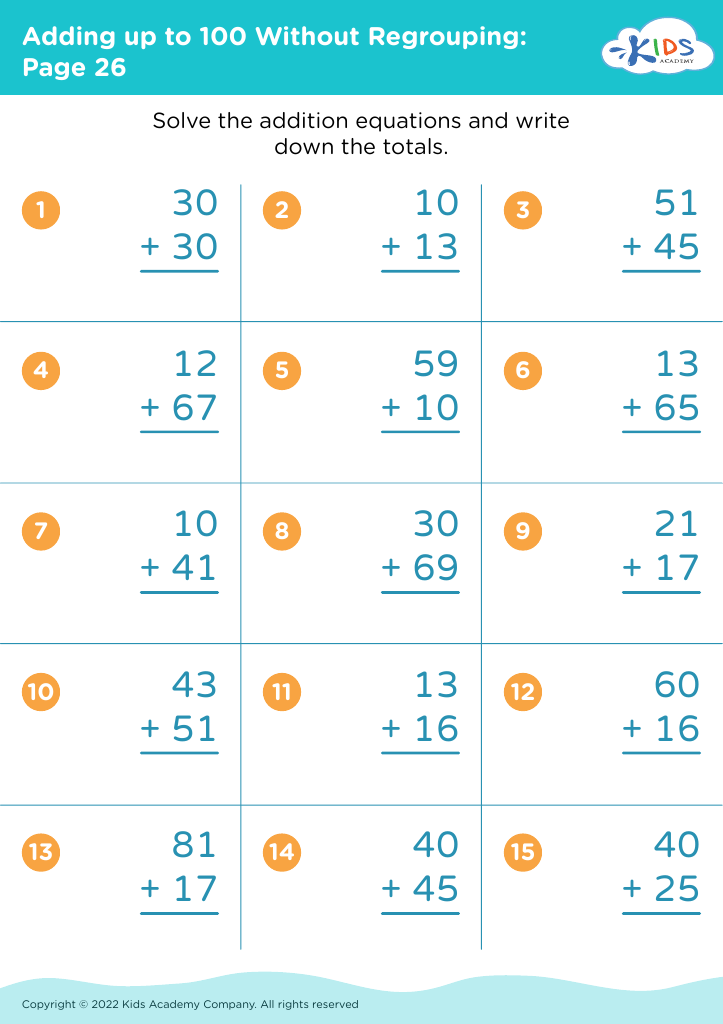
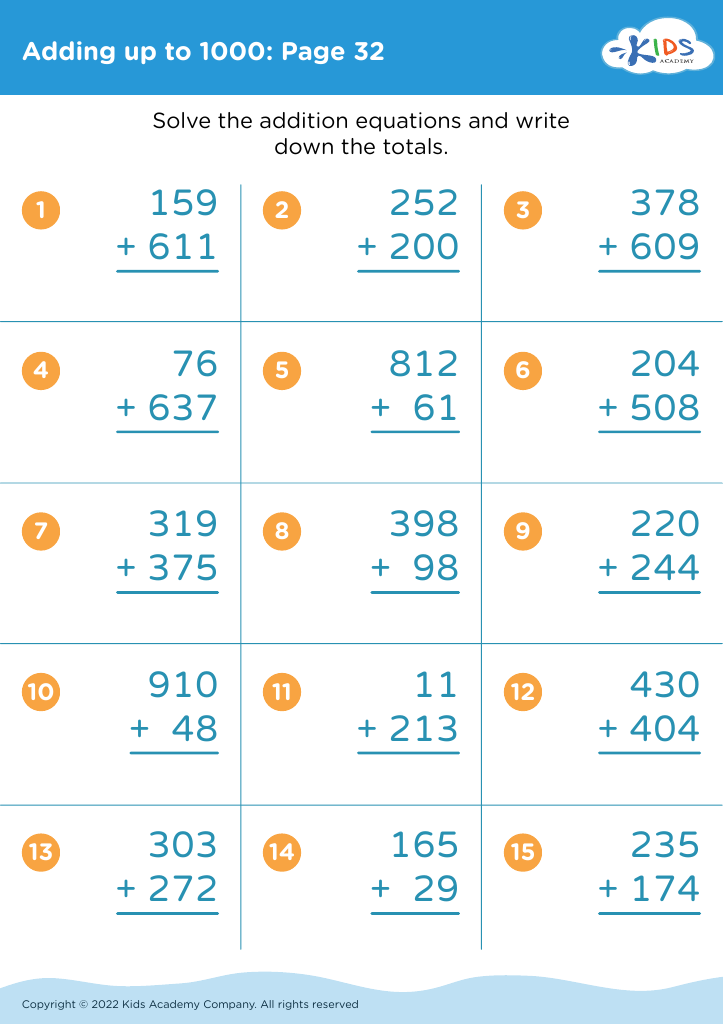
Unlock your child's potential with our engaging Recognize Shapes Math Worksheets designed for ages 3-8! These fun and interactive worksheets help young learners identify and categorize shapes, enhancing their spatial awareness and foundational math skills. Featuring vibrant illustrations and age-appropriate activities, children will enjoy sorting, matching, and coloring various shapes while developing critical thinking. Perfect for use in the classroom or at home, our worksheets promote hands-on learning, making geometry exciting for every budding mathematician. Give your little ones the tools they need to succeed in math while having fun with our comprehensive shape recognition activities!
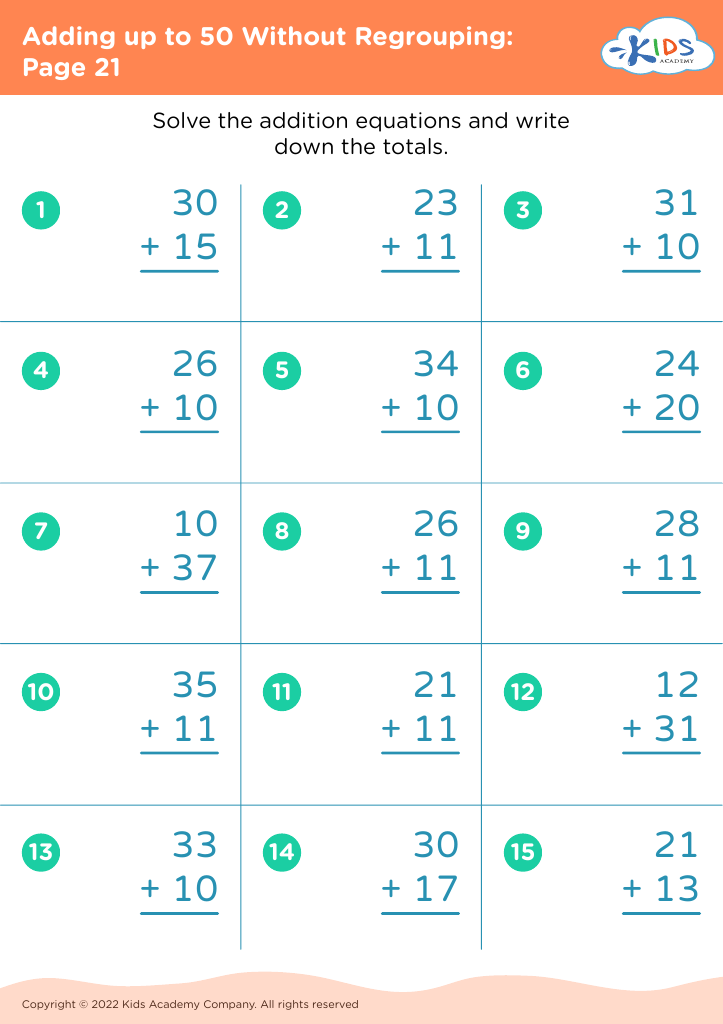
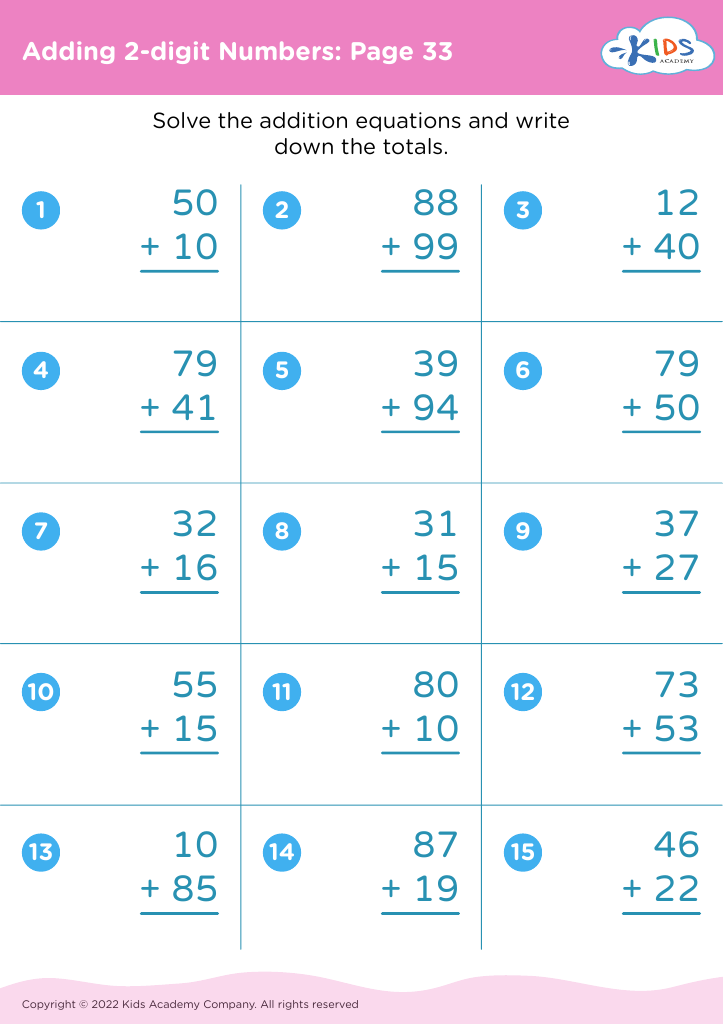
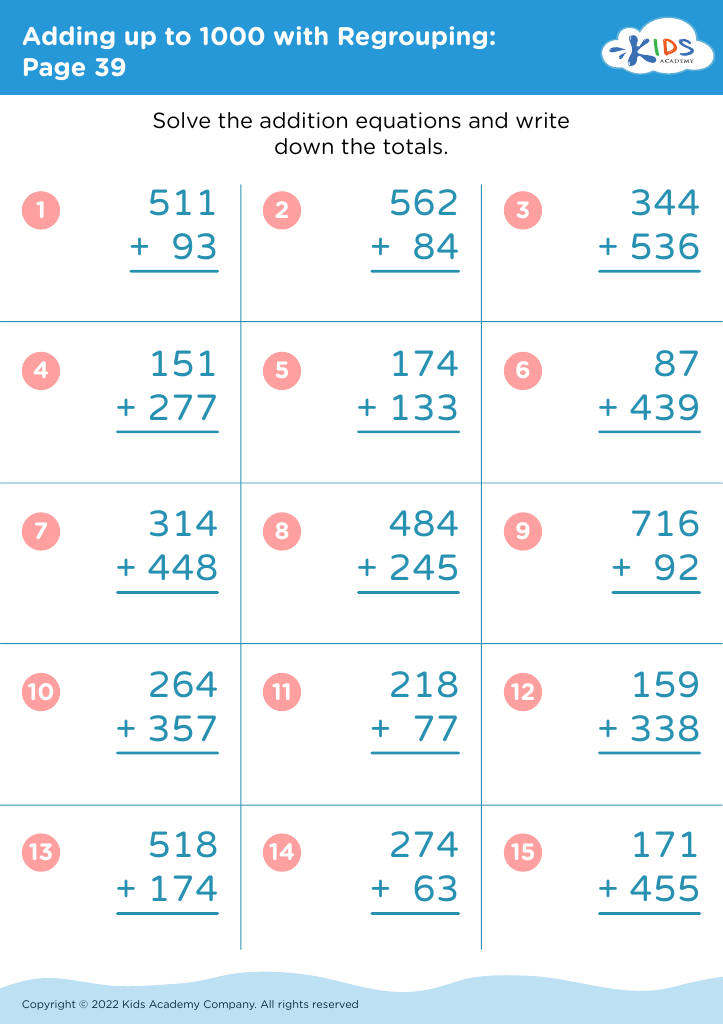
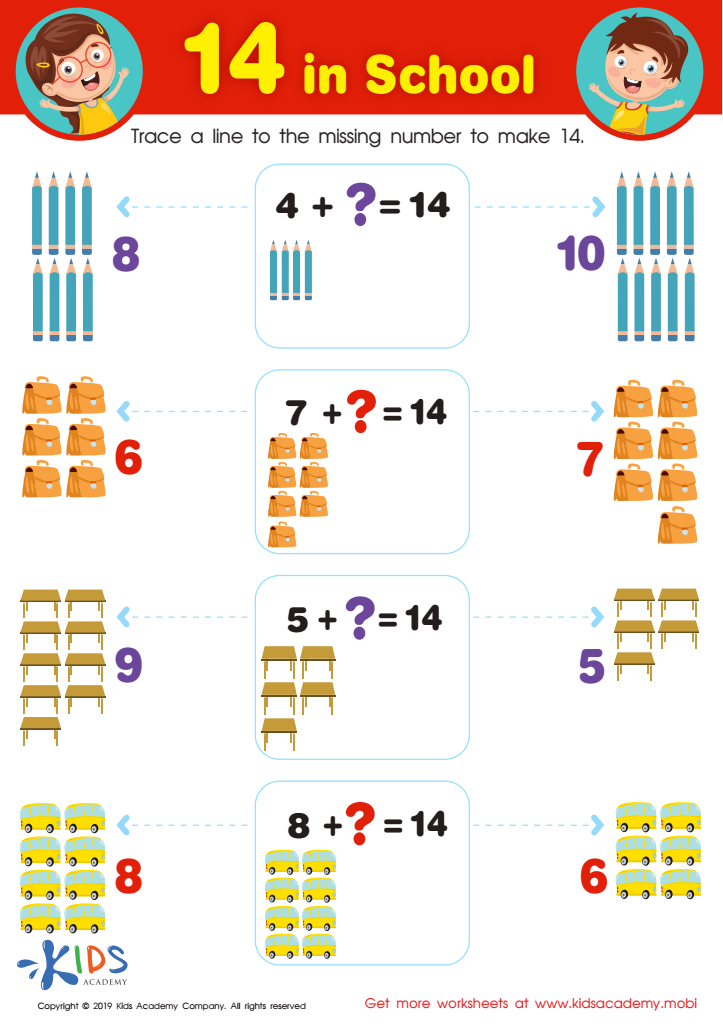
14 in School Worksheet
 Assign to My Students


.jpg)





Recognizing shapes is a fundamental mathematical skill that lays the groundwork for a child’s overall cognitive development. For children ages 3-8, learning about shapes contributes not just to early math skills but also enhances critical thinking, spatial awareness, and problem-solving abilities. By encouraging shape recognition, parents and teachers provide children with an essential tool to understand and interact with the world around them.
Understanding shapes allows children to identify patterns and relationships, which are crucial concepts in advanced mathematics encountered later in school. Shape recognition enhances communication as children describe and categorize objects in their environment, enriching their vocabulary and language skills.
Moreover, learning shapes can foster creativity and confidence. Engaging children through hands-on activities—such as drawing, building with blocks, or participating in arts and crafts—can make the learning process enjoyable and effective. Specifying shapes, like circles, squares, and triangles, will sharpen their observation skills and encourage resourcefulness.
Ultimately, nurturing this skill can have a lasting impact on a child's love for learning, paving the way for their success both in math and everyday life. Therefore, both parents and teachers should prioritize shape recognition as a vital aspect of early education.








