Solving word problems Math Worksheets for Ages 3-8
6 filtered results
-
From - To
Explore our engaging Solving Word Problems Math Worksheets designed specifically for ages 3-8! These worksheets help young learners develop critical thinking and problem-solving skills through fun and relatable scenarios. With a variety of colorful and age-appropriate exercises, children will practice reading comprehension and apply their math knowledge to real-life situations. Perfect for at-home learning or classroom activities, our worksheets foster curiosity and confidence in young mathematicians. Encourage your child’s love for math while enhancing their understanding of word problems! Download your free worksheets today and watch your child thrive in their learning journey!
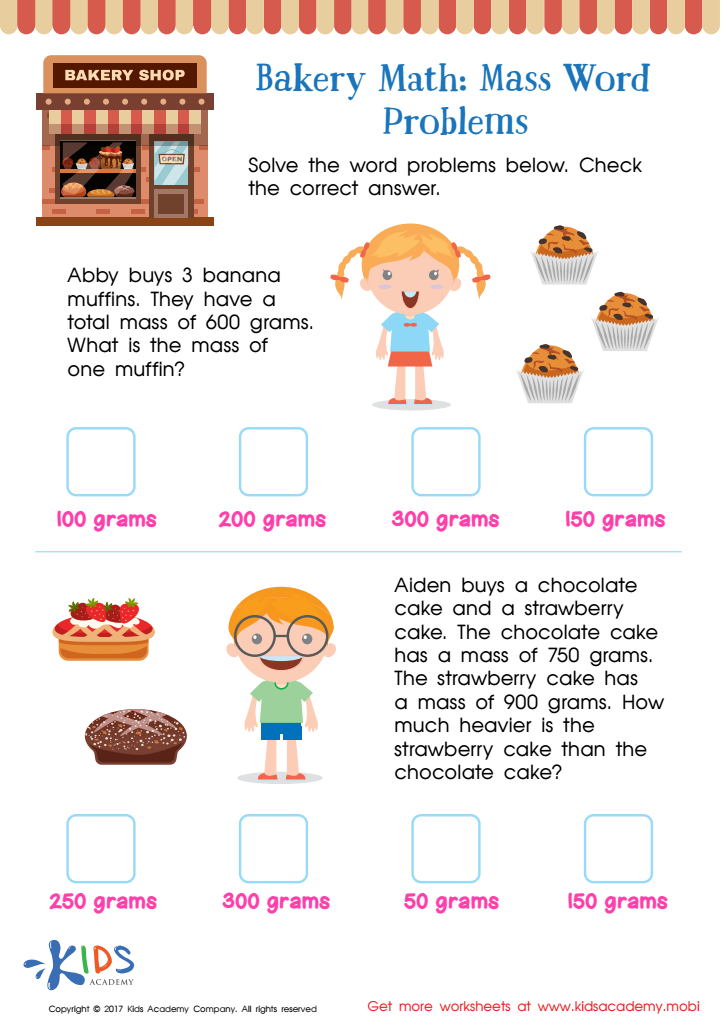
Mass Word Problems Worksheet
 Assign to My Students
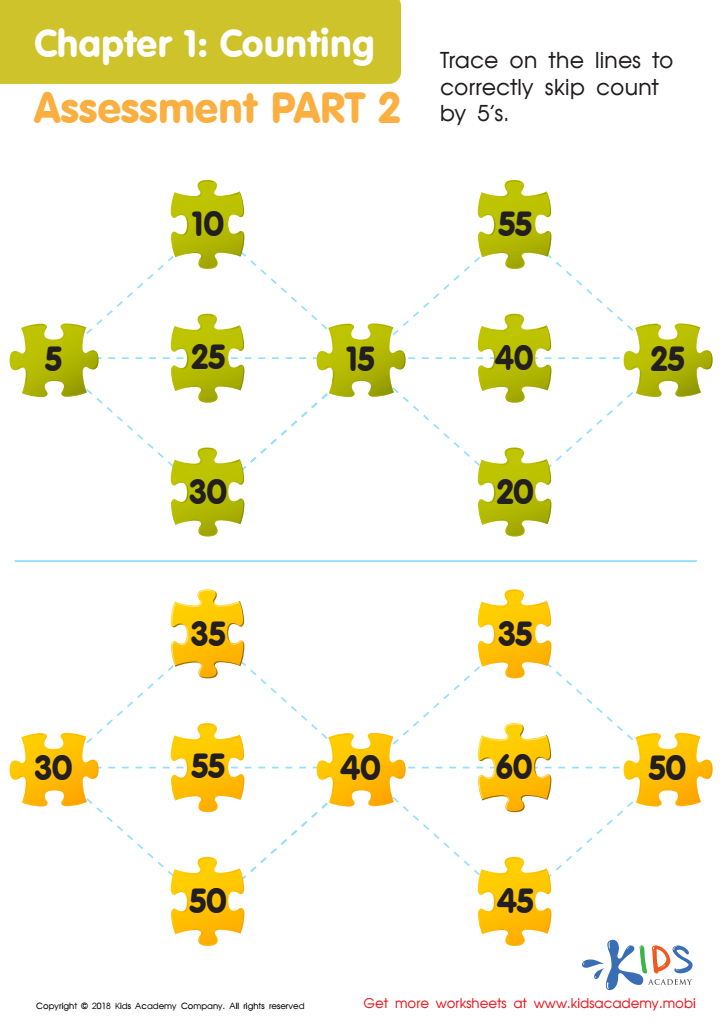
Counting: Assessment 2 Worksheet
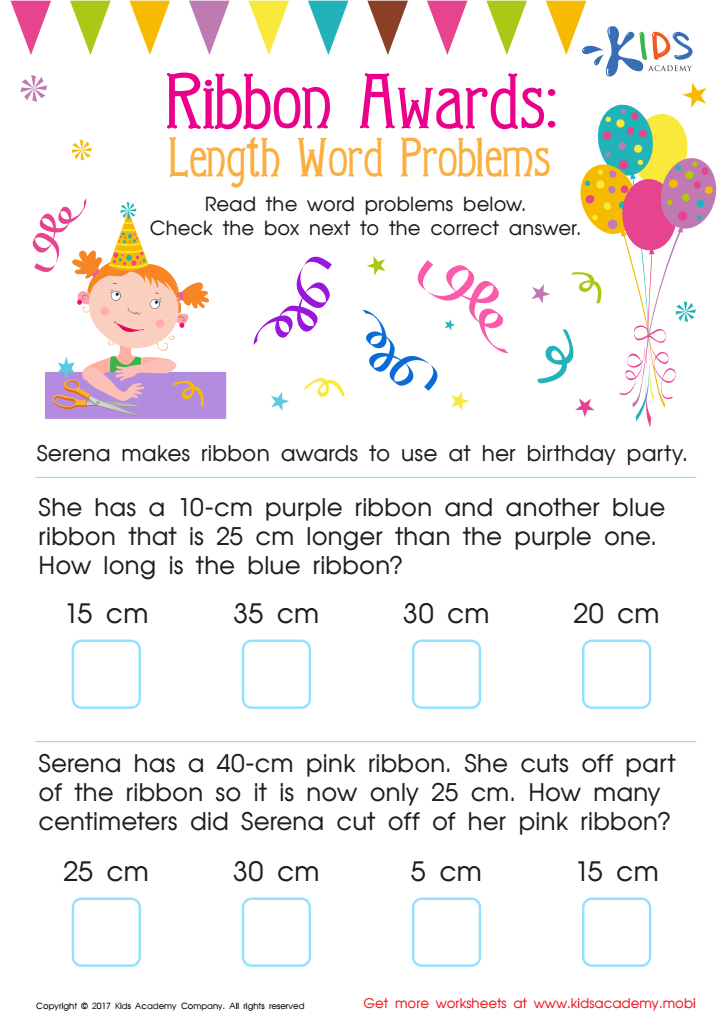
Length Word Problems Worksheet
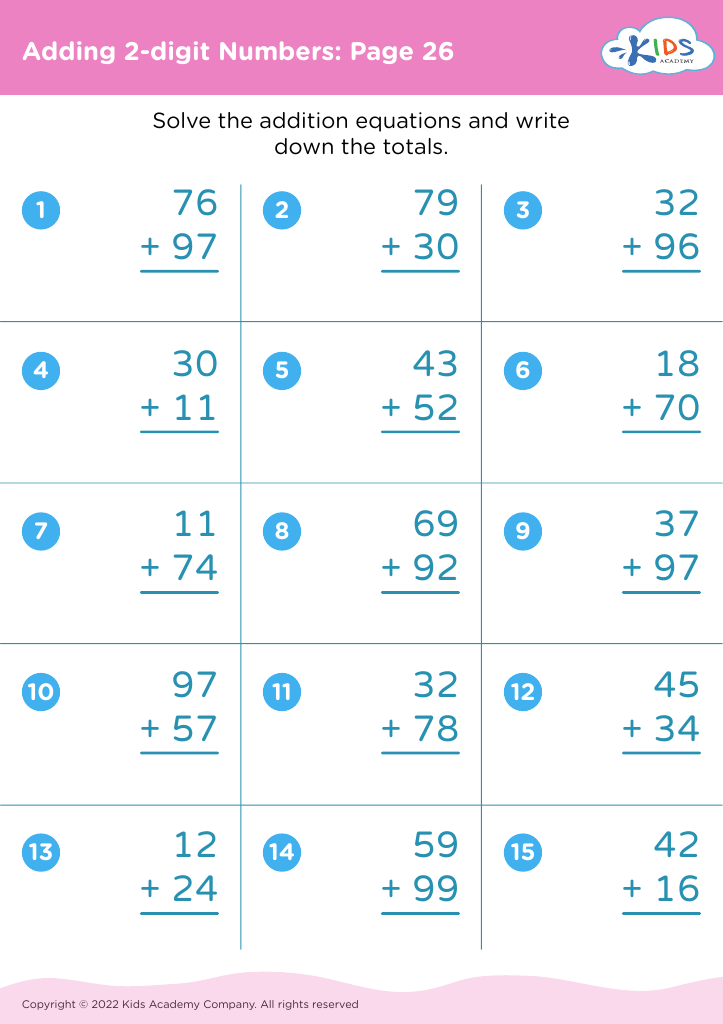
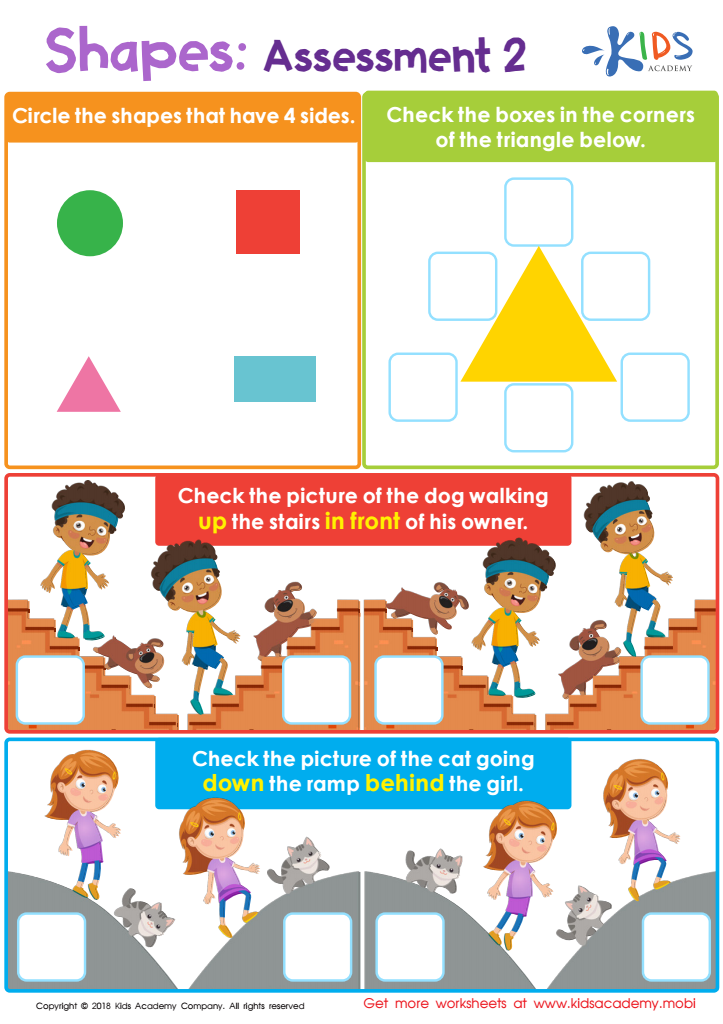
Shapes: Assessment 2 Worksheet
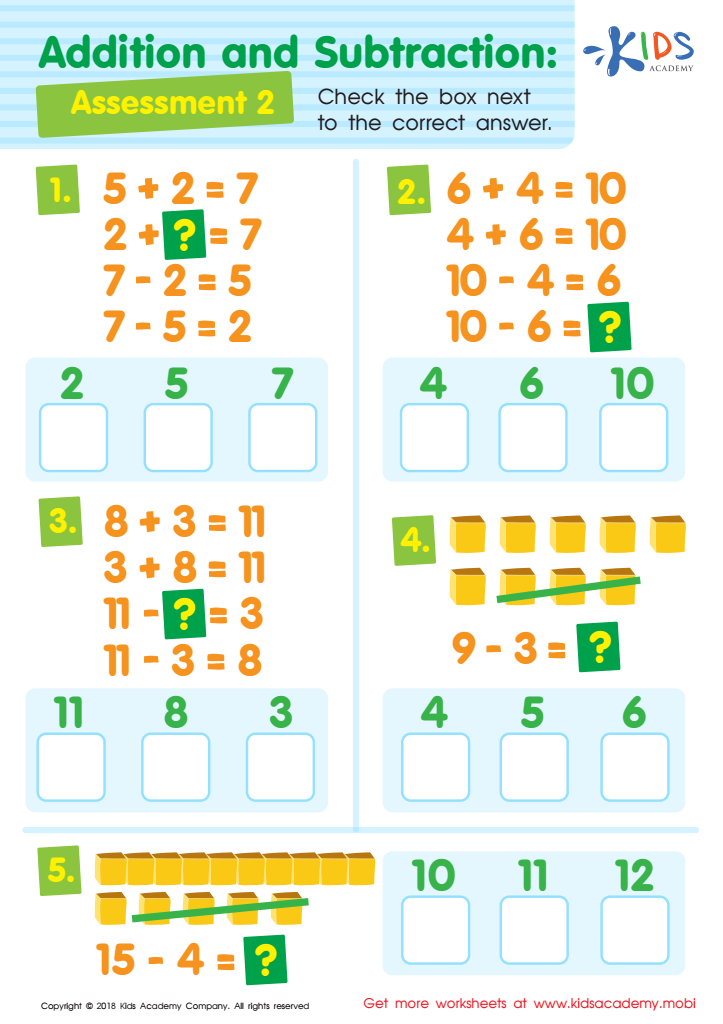
Addition and Subtraction Assessment 2 Worksheet








Solving word problems in mathematics is crucial for children aged 3-8 as it fosters critical thinking and real-world application of math skills. At this early stage, children begin to connect math concepts to daily life, enhancing their understanding of quantities, relationships, and basic operations. Word problems encourage imaginative thinking and allow children to learn how to interpret and analyze information, a skill necessary for effective problem-solving later in life.
Moreover, engaging with word problems supports language development. It requires children to comprehend the question, identifying key information and determining what's being asked, thus reinforcing vocabulary and reading skills. This dual focus on math and language contributes to cognitive development, as kids practice articulating their thought processes comprehensively.
For teachers and parents, emphasizing word problems provides valuable insights into a child's understanding of math concepts. It enables them to identify areas of struggle and tailor support accordingly, ensuring a solid foundation for future learning. As children refine their problem-solving abilities, they also build confidence, resilience, and a positive attitude towards math, setting the stage for lifelong learning and success. Encouraging efforts in this area benefits not only academic achievement but also critical life skills that extend far beyond the classroom.








