Understand multiplication Math Worksheets for Ages 3-8
6 filtered results
-
From - To
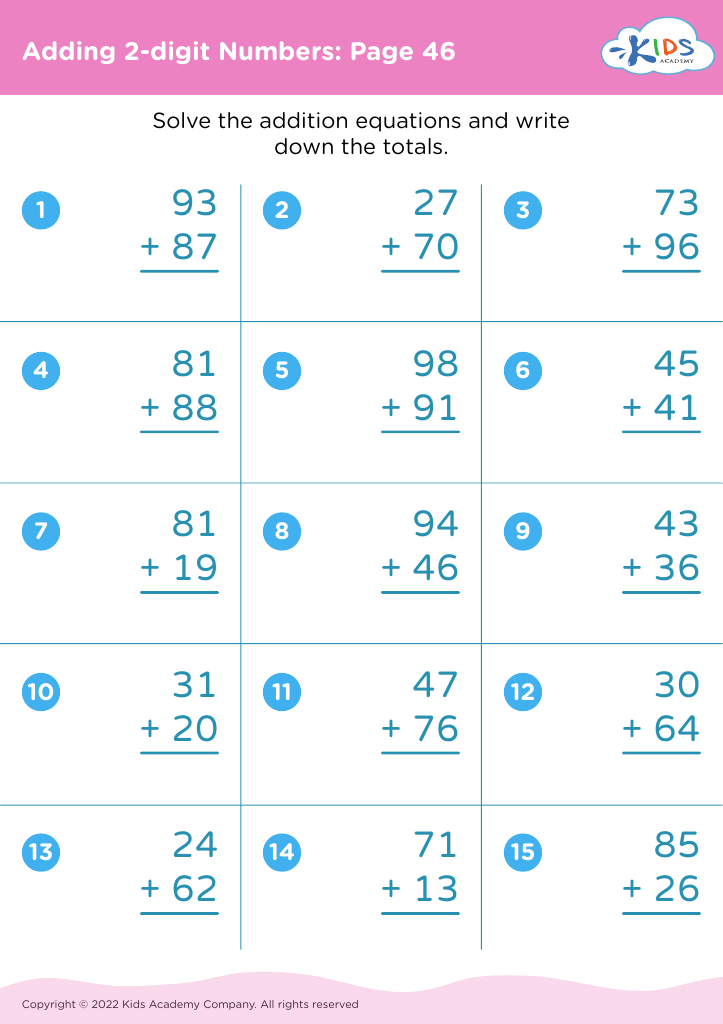
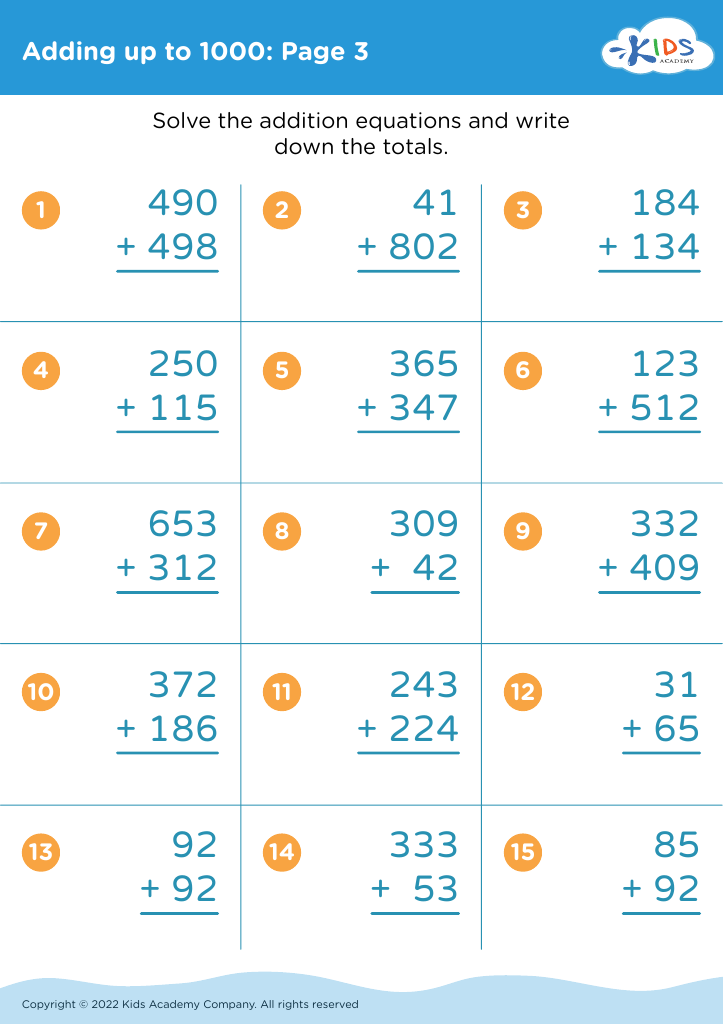
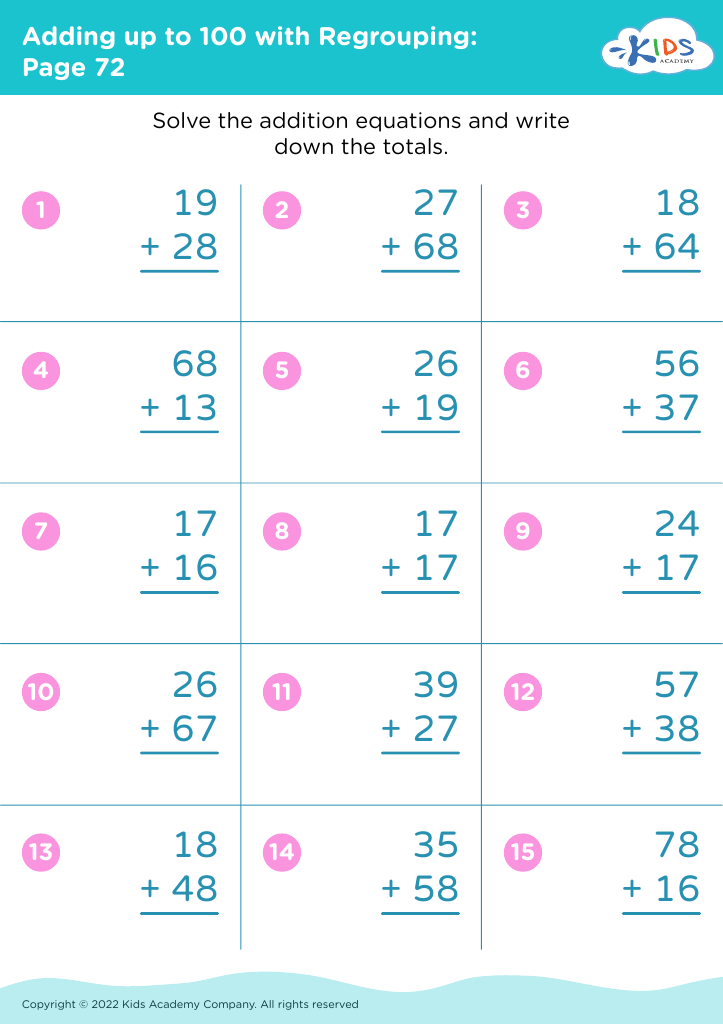
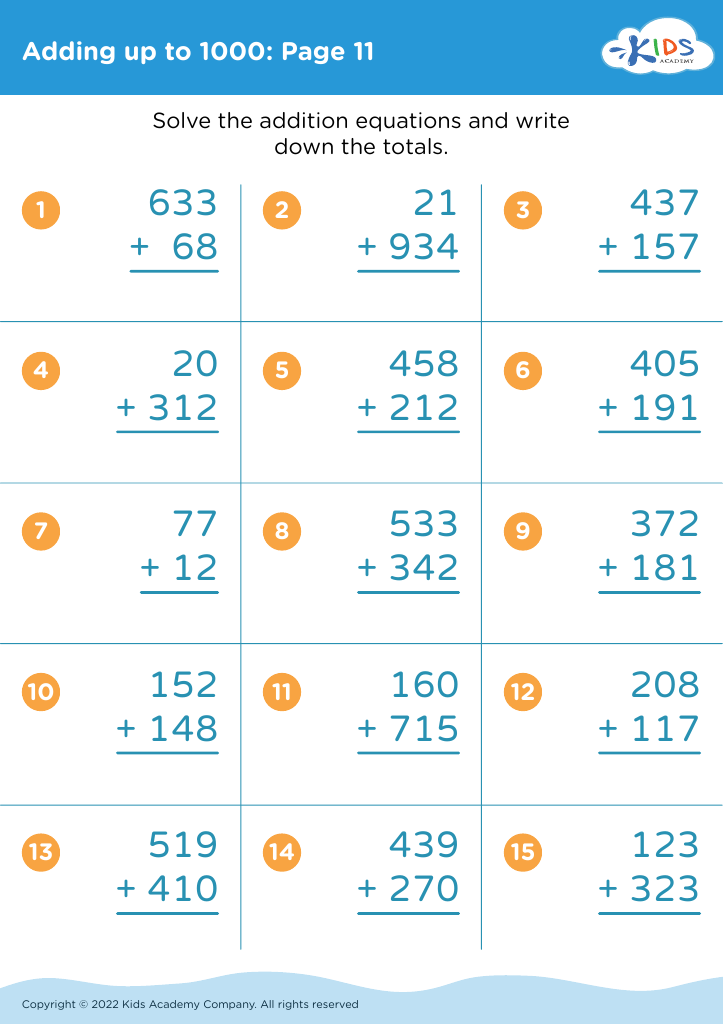
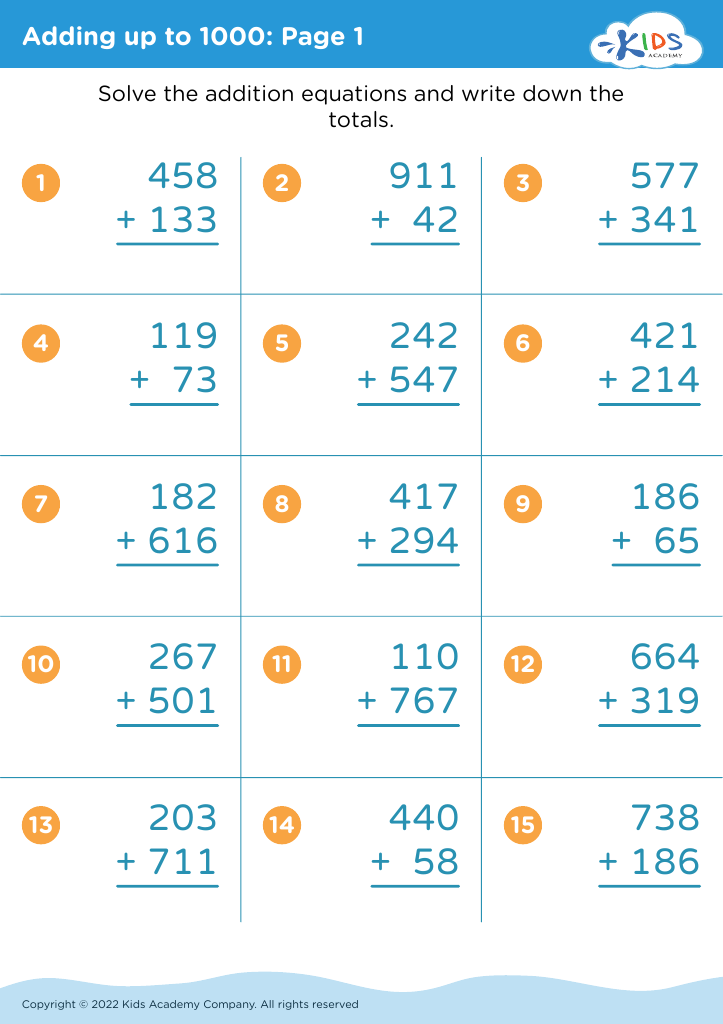
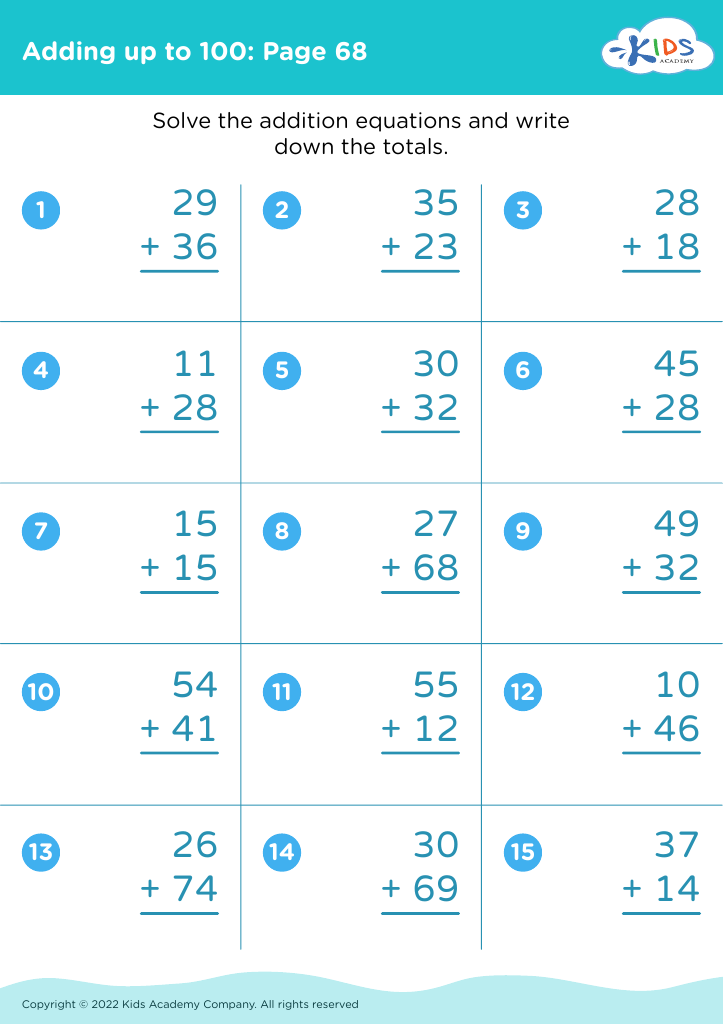
Discover our engaging "Understand Multiplication Math Worksheets" designed for children ages 3-8! Our interactive worksheets make learning multiplication fun and accessible, introducing essential math concepts through colorful visuals and simple exercises. Tailored for early learners, these worksheets provide a variety of activities, including counting objects, grouping, and solving basic multiplication problems. Whether you're a parent or teacher, our resources will help reinforce multiplication skills, boost confidence, and inspire a love for math. Start your child's multiplication journey today and watch them excel as they master this key math concept with ease and enjoyment!


.jpg)





Understanding multiplication is crucial for children aged 3-8 as it lays the foundation for their mathematical development and critical thinking skills. Early awareness of multiplication concepts nurtures numerical fluency, allowing children to grasp relationships between numbers, such as addition being a repeated form of multiplication. This foundational knowledge is vital as it directly impacts their ability to work with larger numbers and more complex mathematical operations later in their education.
Moreover, introducing multiplication at a young age fosters a positive attitude towards math. When children can relate concepts to real-life scenarios, such as grouping items or sharing equally, they see multiplication not as an abstract concept but as a useful tool. Fun activities, songs, or games can make learning multiplication enjoyable and engaging, thereby catering to different learning styles.
Additionally, a strong grasp of multiplication enhances problem-solving skills, encouraging persistence and resilience when faced with challenging tasks. Parents and teachers play a pivotal role in nurturing this understanding through supportive and interactive learning approaches. Ultimately, an early focus on multiplication prepares children for future academic success, instilling a love for math and ensuring they have the necessary skills to thrive in an increasingly numeracy-driven world.








